
Bogotá in 24 Hours: Color, Coffee, and Local Life Everywhere
Traffic snarl at 8:00 a.m., the buzz of vendors hawking arepas near Plaza Bolívar, and the first rays of sun catching on hillside graffiti—Bogotá’s got a pulse that grabs you fast. You’ll see office workers elbowing for space at Café San Alberto, couples strolling in La Candelaria, and cyclists weaving through rush hour. This city runs on caffeine, cumbia beats, and whatever’s trending on Avenida Séptima. You can hike Monserrate before breakfast, spend the afternoon museum-hopping (hint: the Botero Museum is free), and haggle for emeralds before sunset—all without breaking the bank.
First-timers, here’s what you need: skip-the-line tricks for Museo del Oro, tips on catching the best sunset views without paying inflated rooftop bar prices, and which neighborhoods (Chapinero, Quinta Camacho) strike the right balance of nightlife and safe hostels. You’ll get a crash course in street Spanish (no one actually says “plata” for money here—say “lucas”), public transport hacks to avoid getting stuck in TransMilenio queues, and a blueprint for two different budgets—$45/day backpacker, or $120/day with some splurges. Real talk: Bogotá has quirks but you don’t need to stress about safety if you know where to go.
I track promos for flights and last-minute hotel deals through CheapFareGuru—caught a $312 roundtrip last November, direct from Miami. What works in Bogotá is treating the city like a local: eat lunch during menú del día hours, greet folks with a warm “buenas”, and always carry a few thousand pesos for those impromptu coffee stops. Stick around—I’ll break down all the smart shortcuts and honest must-dos from my own Bogotá runs.
10 Bogotá Highlights: Skip-the-Line Tricks That Actually Work
Best of Bogotá in under three days? It’s doable—if you sidestep the lines and dodge the crowds. Here’s the shortlist I’d text a friend, plus the real-world tips you actually need (and a heads up where to get timed tickets, what you’ll pay, and which platforms work this year—March 2026).
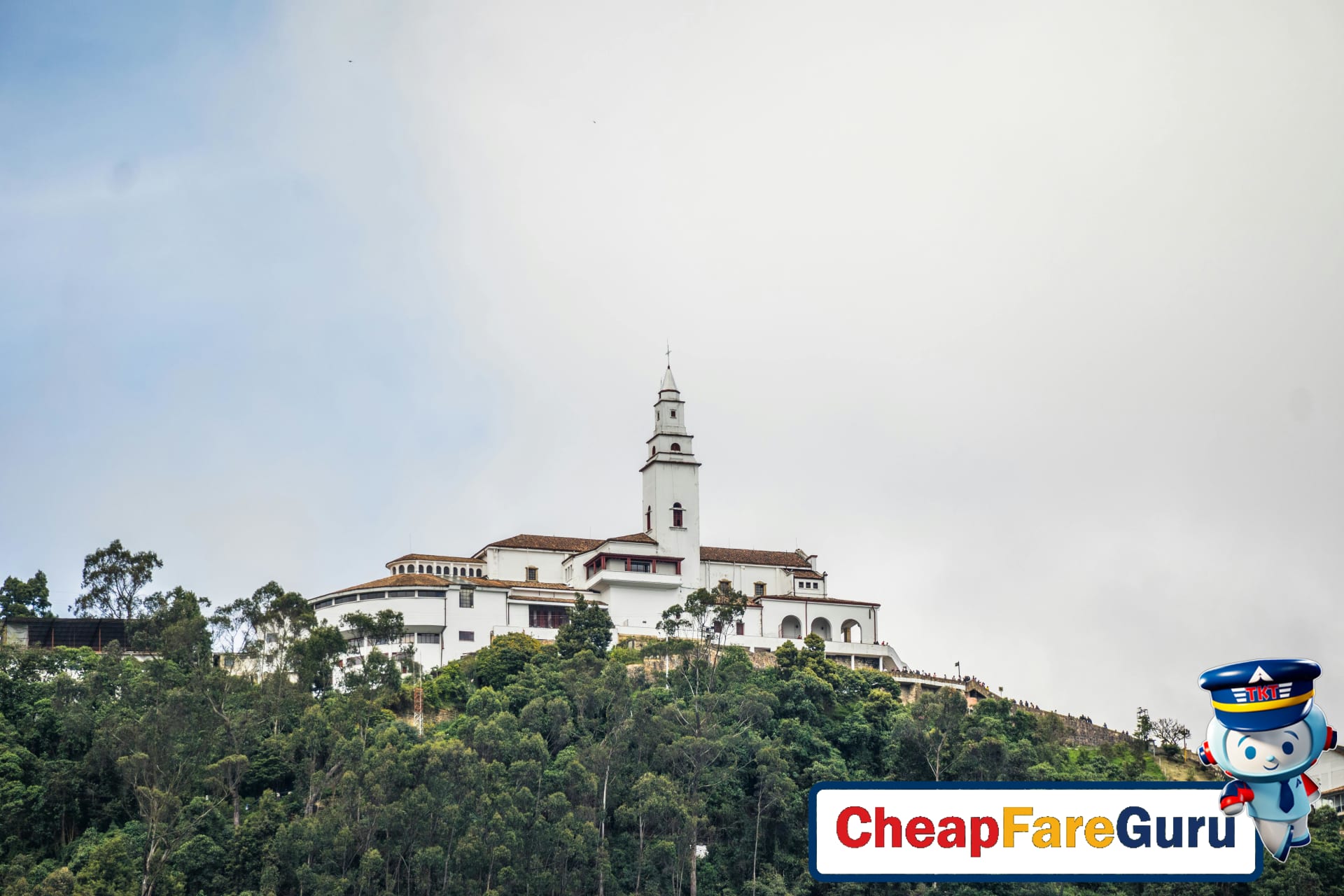
- Monserrate Hill: Bogotá’s Overlook
The view steals the show, especially after a night of rain when the city sparkles. Take the funicular or cable car—skip weekends after 10am if you hate crowds. Online tickets at Tiquetes Monserrate start at $7.90 USD (weekdays) for adults. Buy in advance and head up before 9am. Pro tip: Mondays after a holiday are mobbed—avoid. - Museo del Oro (Gold Museum): 55,000 Shiny Reasons to Visit
The gold’s legit stunning and the crowds are too, especially Sundays (free day = lines out the door). Buy tickets on Museo del Oro’s site for COP 5,000 ($1.28 USD). Get the 9:00am slot to breeze past tour groups. Line for lockers can also eat up 20 minutes—travel light. - Botero Museum: Fat Art, Free Entry
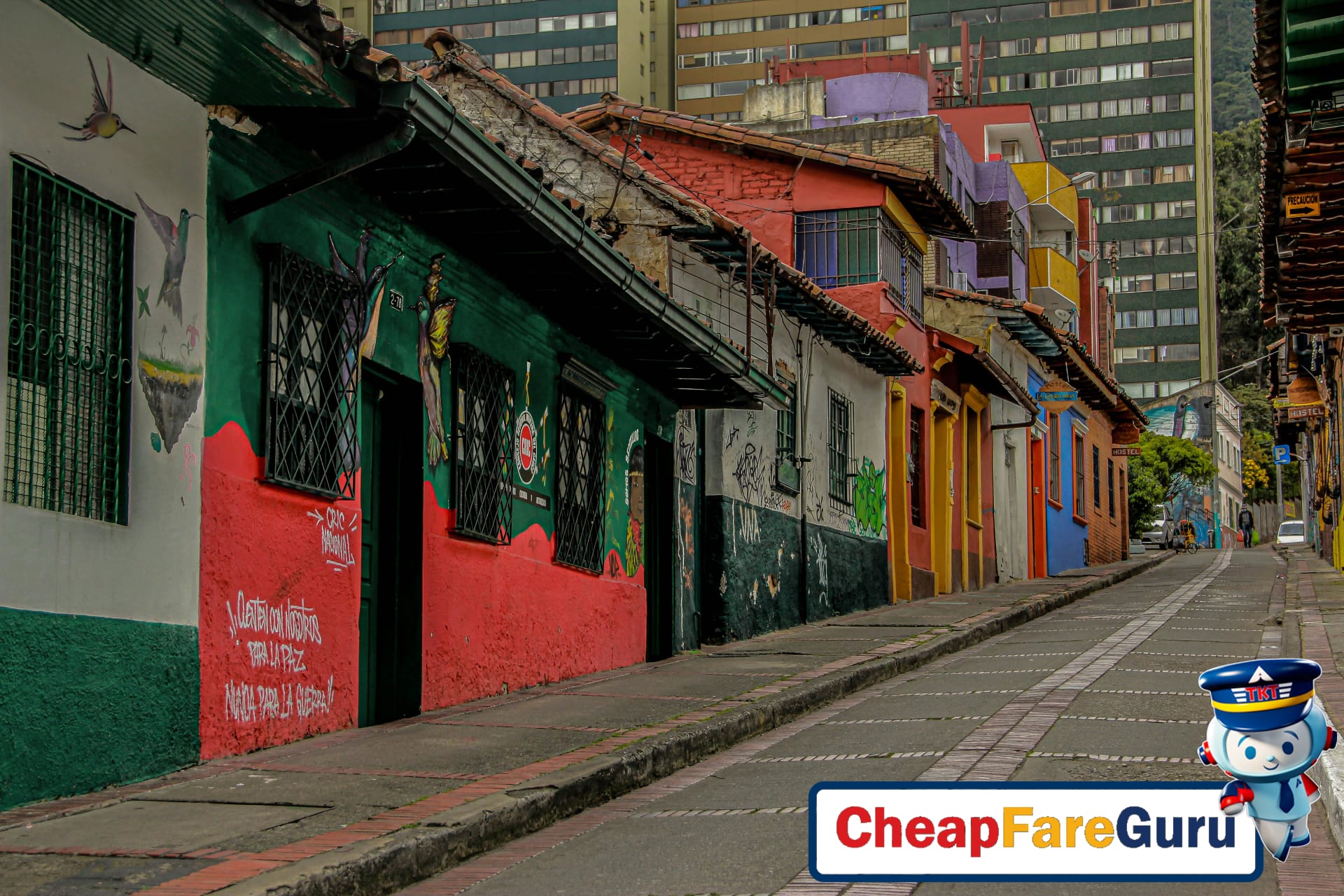
Fernando Botero’s quirky sculptures and paintings fill this colonial mansion. No ticket fee—just walk in. Peak times? 11am–2pm weekdays, especially on rainy days. Arrive by 10am or after 3pm for empty rooms and quiet courtyards. - La Candelaria: Old Town Vibes & Street Art
This isn’t a one-museum stop—explore cobbled streets, murals, oddball shops. Guided tours? Book online with Bogotá Graffiti Tour ($10.50 USD for a 2.5-hour small-group slot, March 2026). Early afternoon tours (1pm) dodge crowds and the midday sun. - Plaza Bolívar: Pigeons, Politics, and Photo Ops
This main square’s open 24/7, but feels safest and liveliest 9am–5pm. Pair with Museo del Oro or Botero—these three are walkable within 15 minutes. - Usaquén Sunday Market: Handicrafts, Food, and Live Music
Go before 11am—fewer crowds, better browsing. No ticket, but Mercado en tu Barrio (mercadoentubarrio.com) posts weekly stall lists and events. Combine with brunch in the Usaquén district for a chill morning. - Jardín Botánico: Lush Escape (and Orchid Fix)
Ticketing at the official site (jbb.gov.co/visitantes)—COP 5,500 ($1.41 USD) for adults. Book an 8:00am entry on weekdays to see the gardens without loud groups or field trips. Bring ID for entry scan. - National Museum of Colombia: 20 Rooms of History
Admission: COP 4,000 ($1.03 USD) on museonacional.gov.co. Buy online for 9:00am or 3:00pm entry—midday is peak for school groups. Friday late afternoons get weirdly quiet. - Parque 93: Food, Coffee, and Culture Cluster
No ticket needed—just show up for brunch or sunset drinks. Midweek mornings have lowest crowds. If you’re skipping Usaquén, tag this with the Botero or National Museum—just grab an Uber across town (and avoid 5pm gridlock). - Zona G: Coffee Crawl Done Right
Coffee snobs, this is your stretch. Try three cafés within 90 minutes—start by 8am for the fresh pastries and shy baristas. No need to pre-book, just map out your faves first. I found a three-stop route via Google Maps with zero backtracking.
Here’s the thing: Combo visits save hours. Pair Museo del Oro with Botero and Plaza Bolívar—they’re in the same block, so you can hit all three before noon on a Tuesday. Combine Monserrate then La Candelaria if you want city views and street art before crowds creep in.
Most skip-the-line and timed tickets in Bogotá are direct through official museum or attraction sites; apps like GetYourGuide sell a few, but locals still win best fares. Prices quoted are current as of March 2026 (with COP rates converted at 3,900 COP = $1 USD for easy math). I track flash ticket discounts and early-entry slots using CheapFareGuru‘s daily deal alerts—caught a Monserrate 2-for-1 code last month (February 2026) and saved $7.90 on two weekday tickets.
Bottom line: Early birds and online bookers win in Bogotá. Skip weekends, book direct when possible, layer your route smart, and carve out afternoon siesta for good measure. That’s how you see 10 sights, eat well, and waste exactly zero time in line.
Cultural Etiquette Essentials: 3 Local Habits to Know in Bogotá
Nailing social etiquette in Bogotá starts before you even sit down at a café. Handshakes are standard among new acquaintances and business situations, but don’t be startled if a cheek kiss (right side only, just touching cheeks, not lips) comes up—especially between women or when meeting through mutual friends. I watched Olivia Gutierrez, a marketing manager from Cali, greet her cousin’s friends in Bogotá (November 2025): handshake for men she hadn’t met, cheek kiss for women. Awkward? Only when someone went in for the wrong side—that’s rare, but just follow their lead and you’re set.
Tipping is straightforward if you know the expected numbers. Restaurants typically include a “servicio” tip on your bill—usually 10%, called “propina voluntaria.” The key move? Check your bill line by line. Say you’re, like, Martin Feldman, UX designer from Chicago, eating at Luna Cocina in February 2026: your $28 USD meal included a $2.80 propina volontaria, so no need to add more. Cabs are easier: round up to the next 1,000 Colombian pesos. When Sarah Nishimura, an IT consultant from Seattle, took a cab from La Candelaria in January 2026, her fare was 19,400 COP; rounding up to 20,000 COP is the norm and got her a friendly nod, not confusion.
Dressing right matters, especially in formal or religious spaces like churches. Jeans and a casual shirt work fine in most neighborhoods, but pack a modest shirt or scarf for places like Iglesia de San Francisco—no bare shoulders for men or women. I made the mistake in October 2024 of wearing shorts at a midday service; I got polite side-eye and a borrowed shawl from an usher. Lesson learned: Bogotá’s midday heat doesn’t change the dress code indoors.
Punctuality here is flexible. Arriving 10-15 minutes late is normal for social gatherings, but for appointments or guided tours, 5 minutes late is already pushing it. Not all small talk is welcome—avoid politics, drug references, or past violence, even in a joking tone; locals are polite but not fans of “Narcos” clichés. Watch your hand gestures: thumbs-up is friendly, but don’t use the “okay” gesture (thumb and forefinger in a circle), since it’s considered rude by some older residents.
If you want advance notice for fare drops or tips on last-minute flight deals to Bogotá, I set personalized alerts through CheapFareGuru. That’s how I landed a $218 roundtrip from Miami in November 2025—before rates jumped $60 three days later.
35 Spanish Phrases That Save You in Bogotá (Plus Bonus App Tips)
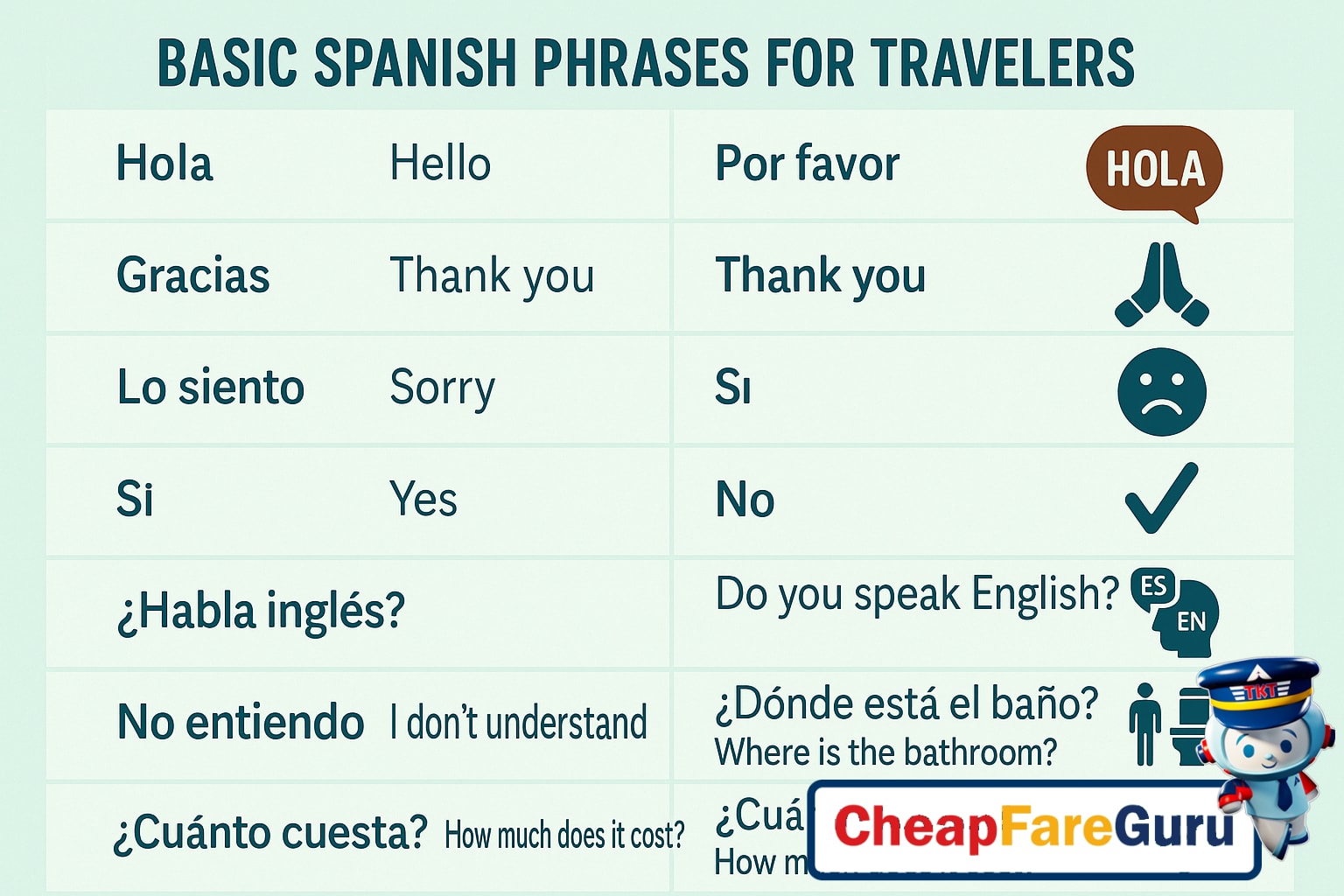
Don’t speak Spanish? You’re hardly alone—Colombia’s cities aren’t packed with English signage once you’re outside the major tourist zones. Here’s a compact lineup: 35 phrases I actually used in Bogotá, split by situation, plus ways to pronounce them if your high school Spanish is ancient history.
- Greetings & Small Talk
- Hola (“OH-lah”) – Hi
- Buenos días (“BWEH-nohs DEE-as”) – Good morning
- ¿Cómo está? (“KOH-moh ess-TAH?”) – How are you?
- Mucho gusto (“MOO-choh GOO-stoh”) – Nice to meet you
- ¿Habla inglés? (“AH-blah een-GLEHS?”) – Do you speak English?
- Getting Around
- ¿Dónde está…? (“DOHN-deh ess-TAH…?”) – Where is…?
- ¿Cuánto cuesta al aeropuerto? (“KWAHN-toh KWEHS-tah al ah-eh-roh-PWEHR-toh?”) – How much to the airport?
- A la derecha/izquierda (“a la deh-REH-chah” / “ees-KYEHR-dah”) – To the right/left
- ¿Puede repetir? (“PWEH-deh reh-peh-TEER?”) – Can you repeat?
- Ordering Food & Drinks
- ¿Me puede traer el menú? (“meh PWEH-deh TRY-er el meh-NOO?”) – Can you bring me the menu?
- Quisiera… (“kee-SYER-ah…”) – I’d like…
- Sin hielo/picante (“seen YEH-loh/pee-KAN-teh”) – Without ice/spicy
- La cuenta, por favor (“la KWEHN-tah por fah-VOR”) – The bill, please
- ¿Aceptan tarjeta? (“ah-SEP-tan tar-HEH-tah?”) – Do you take card?
- Emergencies & Help
- Ayuda (“ah-YOO-dah”) – Help
- Perdí mi pasaporte (“pehr-DEE mee pah-sah-POHR-teh”) – I lost my passport
- Llame a la policía (“YAH-meh a la poh-LEE-see-ah”) – Call the police
- No entiendo (“noh en-tee-YEN-doh”) – I don’t understand
- ¿Dónde está el baño? (“DOHN-deh ess-TAH el BAN-yoh?”) – Where’s the bathroom?
I jot these down or keep a photo in my phone. Want extra help? Try Google Translate (offline mode saved me in zone with zero signal) or Duolingo for 10-minute practice bursts—both free in March 2026. Chris Nguyen, an IT consultant from Seattle, shared on Reddit (Jan 2026) that he ordered dinner solo in Chapinero using just TripLingo’s audio tool. Worth having one of these apps installed even if your trip is a week.
The deal is, even if you botch a word, locals usually appreciate the effort—grins beat grammar. For real-time updates on Bogotá flight drops, I rely on CheapFareGuru’s fare alerts. Spanish basics make things smoother, but cheap airfare gets you there in the first place.
Colombian Pesos, Card Acceptance, and Money Smarts: 2024 Payment Survival Guide
One USD gets you roughly 3,870 Colombian Pesos as of March 2026. Biggest tip: get familiar with the bills. Notes come in 2,000; 5,000; 10,000; 20,000; 50,000; and 100,000 COP. Coins run 50, 100, 200, 500, and 1,000 COP. ATMs spit out mostly 50,000 COP bills—sometimes a headache for small purchases in corner stores or taxis because they’ll claim “no cambio” (no change). Always break big bills at supermarkets or bank branches.
ATMs are everywhere in major cities—El Dorado Airport (Bogotá), Parque Lleras (Medellín), Cartagena’s Centro Histórico. Look for official bank machines: Bancolombia, BBVA, Davivienda, Banco de Bogotá. That’ll cut your scam risk and avoid jacked-up withdrawal fees. A few travelers posted on Reddit’s r/Colombia: withdrawals at non-bank ATMs inside convenience stores tacked on as much as COP 25,000 per transaction in December 2025. Best move—use your card at a recognized branch ATM, limit withdrawals to once or twice, and always shield your PIN. Don’t accept “help” from anybody lingering nearby.
Credit and debit cards work fine for hotels, chain restaurants, upscale grocery stores, and booking attractions online. Mastercard and Visa are safest bets. But street vendors, local buses, traditional markets (Mercado de Paloquemao, Bogotá), and a lot of bars in Getsemaní (Cartagena) are cash only. Real talk: grab at least COP 200,000 (~$52) on arrival, especially if you’re landing at night.
Typical price check for 2026: yellow cab from El Dorado Airport to La Candelaria/Bogotá—COP 35,000 ($9); an arepa with cheese and coffee at a local café—COP 7,500 ($1.95); guided museum ticket—COP 18,000 ($4.65). Sit-down dinner for two with drinks in Medellín’s Poblado: around COP 85,000 ($22). Haggling isn’t standard, but cash payments sometimes nudge prices lower at markets or for souvenirs.
Tipping hasn’t changed much. 10% service charge (“propina”) appears on most restaurant checks, but if you loved the service, leaving another COP 5,000-10,000 in cash (about $1–$2.50) won’t confuse anyone. Taxi drivers don’t expect tips, but round up to avoid coins.
Don’t flash wads of cash—spread bills between pockets, and leave your backup card locked in the hotel safe. I track promo fares and last-minute alerts with CheapFareGuru so I can carry more cash for local eats and transport. The deal is, cards are great for big expenditures, but daily life in Colombia still loves cash. Bring a zippered pouch you can hang inside your jacket, skip withdrawals after dark, and resist counting your notes in public.
35,000 COP Taxis vs. 2,400 COP Bus: Bogotá Airport to Downtown Breakdown
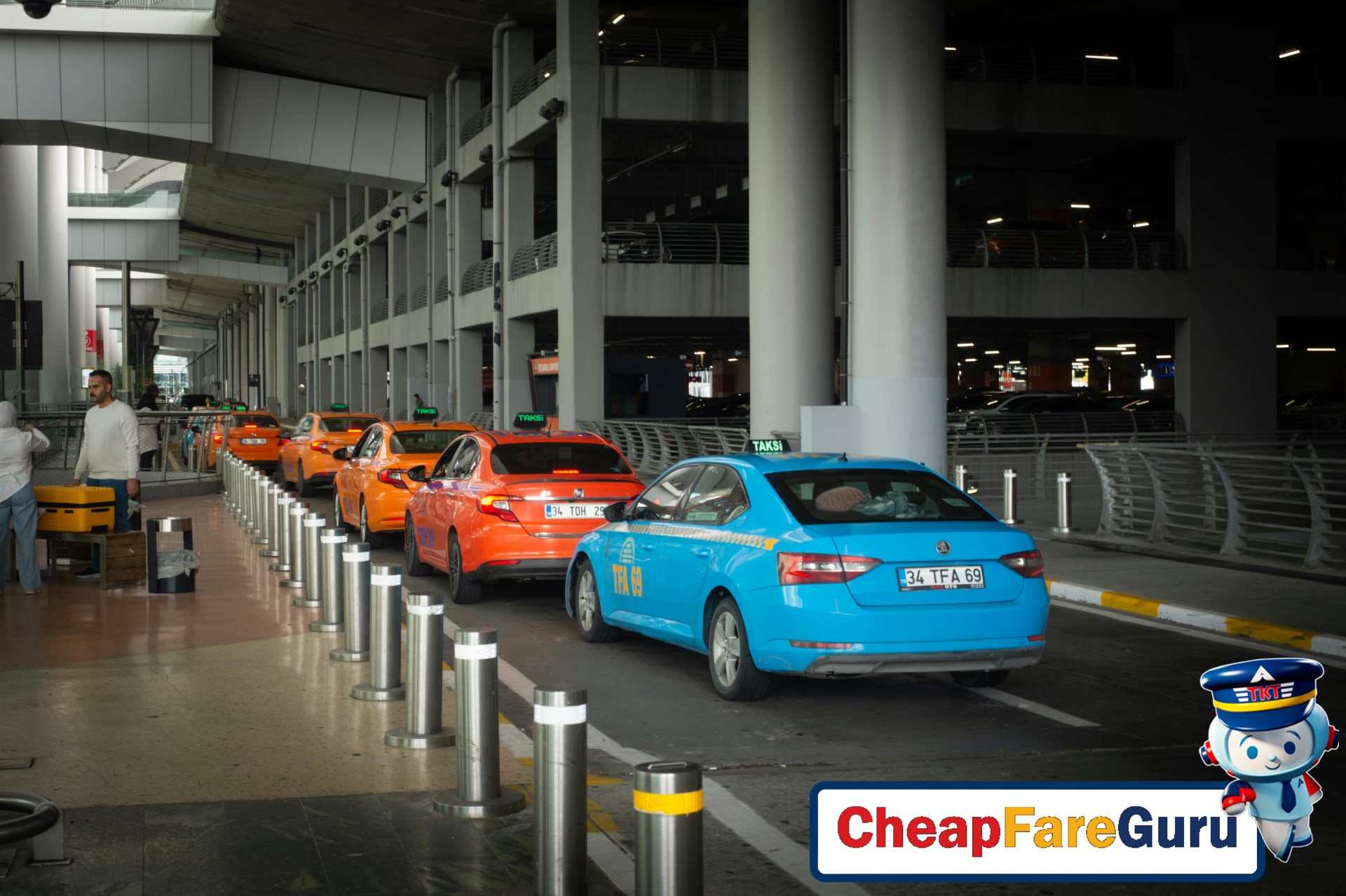
Let’s sort your landing at El Dorado Airport (BOG). Bogotá’s smog, altitude, and heavy traffic aren’t the warmest welcome after a long haul—but getting to city center doesn’t have to be chaos or a rip-off. Here’s a straight-up guide to every realistic option, with exact fares and safety notes I’ve picked up after a few late arrivals myself.
Official Airport Taxis: The yellow authorized taxis are your safest direct route, especially if you’ve landed after dark or loaded down with luggage. Head to the “Taxi Oficial” booths outside both terminals—or skip the line using the white touchscreen kiosks inside arrivals (print your fare voucher). As of March 2026, base fare to La Candelaria, Chapinero or Zona T runs 35,000–42,000 COP ($8.55–$10.25). Fares are fixed by zone: no haggling, no surprise meters.
I’ve seen locals share two safety moves: always double-check the driver’s ID (displayed by law on the dash) and avoid freelance drivers who approach indoors. Laura Espinosa, logistics manager from Medellín, reported on Twitter Jan 2026: “Arrived at 1AM, official booth taxi got me to my Airbnb in Chapinero in 23 minutes. Driver asked for my printed slip, no extra fee.”
Shuttle Services: Aero Express runs scheduled shuttles every 30–40 minutes, 6AM–9PM, from Terminal 1 to Salitre Bus Terminal and a few major hotels. Ticket: 12,000 COP ($2.85), pay at their counter to the right after baggage claim. If you’re crashing at one of the big hotel chains near Gran Estación, double-check: many offer free van shuttles on the half hour, but you often have to pre-book by email the day before. I track these through CheapFareGuru when grabbing a deal that lands me super late.
TransMilenio Bus System: The blue Route K86 (“Aeropuerto El Dorado”) links the airport to Portal Eldorado, connect there for the city’s red-line TransMilenio. Total ride to downtown: 45–60 minutes (station to La Candelaria: Jiménez stop). Tickets: 2,400 COP ($0.60) as of March 2026—but you’ll need to buy a rechargeable Tullave transit card (another 5,000 COP, about $1.20) at the airport kiosk. Pro: dirt cheap, runs every 15–20 min. Con: standing room only at rush hour, luggage can be a struggle in crowds. Andrés Bernal, UX designer from Cali, posted on Reddit last December: “Saved 32,000 COP vs. taxi, but at 6 PM my carry-on nearly got jammed in the crowd leaving Portal Eldorado.”
Rideshare Apps: Uber, DiDi, and Cabify all work in Bogotá, but ride-hailing remains in a legal gray zone (not technically “legal,” but thousands use them daily). If you go this route, book your pickup for “Arrivals Exit 6”—the only spot where drivers actually stop. Expect fares 28,000–39,000 COP ($6.80–$9.50) to downtown, with price surges during rain or peak commute (6–9AM, 5–8PM). Cashless, safer than off-app cabs. One tip: text your driver first to confirm color/model, since curbside is crowded.
Timing & Luggage Tips: No matter how you roll, the ride downtown is 25–60 minutes—expect longer in rush hour or downpour. With two suitcases or jetlag in tow, spring for a cab or rideshare. Traveling light, hitting the bus off-peak (before 7AM or after 9PM) is painless and cheap.
Bottom line: Solo at noon with a backpack? The bus saves you 32,000 COP every trip. Landing at midnight with a checked bag? Cabs or apps protect your nerves and your stuff. I monitor rate drops and transit notes through CheapFareGuru—one less thing to second-guess after landing.
4 Neighborhoods in Bogotá Where Safety Meets Personality
Security is a top concern in Bogotá, but it shouldn’t keep you from seeing the city’s best sides. The four neighborhoods below each offer a distinct vibe, plenty of places to stay, and most importantly, a solid track record for traveler safety—if you use a bit of street smarts.
Chapinero is where Bogotá’s cool crowd flocks. Indie coffee shops, vegan eats, and LGBTQ+-friendly nightlife fill the blocks from Avenida Caracas toward Zona G. Stick to main avenues at night—Carrera 7 and Calle 65 are well-lit and busy even after dark. Pros: late-night dining, casual vibe, fast access to public transit (TransMilenio stops along Avenida Caracas and Calle 63). Cons: East of Carrera 7 gets sketchy at midnight, and pickpocketing flares up near bars on Fridays. Solo female travelers rate Chapinero as “safe with caution” (per Laura Spano, UX designer from Boston, Jan 2026, shared on Reddit after 5 nights at Aurora Hostel, Calle 65), saying taxis after 10pm felt smarter than walking home.
Zona T (Parque 93 / Zona Rosa) delivers on the glitzy side. Posh malls (Andino, El Retiro), international restaurants, and rooftop bars draw business travelers and weekending locals. Pros: Police patrols are frequent, hotels here often have doormen, and late-night Ubers are easy to get. Cons: Prices spike on weekends—Miguel Herrera, software engineer from Mexico City, paid $132/night at Hotel Morrison in November 2025 (vs $87 in March). After midnight, watch for opportunistic petty theft in crowded bar areas. Uber or authorized taxis are the norm late night.
Usaquén blends cobblestone charm with a family-friendly feel. Sunday flea market, Spanish colonial facades, and trendy cocktail lounges define the vibe. Pros: Lowest rates of street crime among these four, lots of boutique hotels and B&Bs—Isabella Lee, data analyst from Singapore, stayed at Biohotel Organic Suites ($64/night, December 2025). Good access to Northern bus routes, but a 25-minute drive to downtown sights. Cons: Less excitement at night, and traffic into central Bogotá can be brutal on Monday mornings.
La Candelaria is backpacker central and the epicenter of Bogotá’s street art, museums, and hostels. You’ll sleep right by Plaza Bolívar and the Gold Museum, which means easy sightseeing. The catch: safety is uneven block to block. During the day, stick to tourist pours (Carrera 6 and Calle 12b); after 8pm, walk in groups. Hostel staff can point out reliable taxi stands; never hail random cabs here at night. Amelia Vargas, travel nurse from Toronto, spent 4 nights at Masaya Hostel in October 2025 ($41/night) with zero issues, but she never carried more than $60 cash and left cards locked up.
- Hotel Picks for First-Timers: In Chapinero, check boutique hostels like Aurora Hostel (private rooms: $43–$68/night). Zona T has Holiday Inn Express on Calle 94 ($119/night, March 2026). Usaquén’s Biohotel is eco-friendly and under $70. In La Candelaria, Masaya Hostel is in the safe zone for $35–$50.
General safety pointers: Take only marked/authorized taxis or Ubers. Avoid using your phone on the street, especially in crowded spots. Ask hotel staff for up-to-date safety tips; things change fast neighborhood to neighborhood. I track short-notice hotel deals with CheapFareGuru—rates in Chapinero and Usaquén dipped by 18% last fall, making a splurge on private rooms possible for less.
7 Days in Bogotá: Classic Sights, Hidden Finds, and Downtime
No two Bogotá trips look the same, but here’s a practical 5–7 day plan that hits the highlights without leaving you wiped out by day three. This itinerary packs in colorful culture, food, and shopping, plus enough downtime to actually enjoy the city’s unpredictable weather and slow mornings. Solo, couple, or family—just shift the order or pace if you’re a late riser or a night owl.
- Day 1: Land and Wander La Candelaria
Early flight? Drop your bag at one of the luggage lockers in El Dorado Airport for COP 25,000 (~$6.23) if your hotel won’t check you in yet. Head into La Candelaria—the city’s historic core—by TransMilenio (Line J or K, ride cost: COP 2,650, about $0.66). Hit the Museo Botero (free, open until 6pm) and flag a snack at Pastelería Florida (expect $2–3 for hot chocolate with cheese, yes, cheese). After dusk, stroll Plaza de Bolívar. Most travelers can cover this in four hours on foot—just skip heels, the city’s old stones are slick. - Day 2: Museum Hop and Market Bites
Dedicate your morning to the Gold Museum (Museo del Oro)—25,000 artifacts, COP 4,000 ($0.99) entry, closed Mondays. Grab a pastry at La Puerta Falsa on Calle 11 (cash only, $3 breakfast). Afternoon: stroll the graffiti trail—local guides charge COP 40,000–50,000 ($10–12.50) per person, but you can self-guide using apps like GPSMyCity. Evening: get dinner at Andrés DC in Zona Rosa—a local favorite, $18–22 per main, so book ahead unless you enjoy an hour in the queue. - Day 3: Monserrate and Usaquén Sunday Market
Set out early for Monserrate (funicular opens 6:30am, weekends 5:30am). Funicular ticket: COP 25,000 ($6.23) roundtrip before 12pm; it jumps to COP 32,000 ($8.00) late afternoon. Bring a jacket—altitude is 3,152m. After lunch up top, head to Usaquén. On Sundays, its handmade market draws locals for jewelry, coffee beans, and street eats. Uber from Monserrate runs COP 22,000–28,000 ($5.50–$7.00), saving you two bus transfers. Try Abasto for farm-to-table lunch ($10–15 mains). - Day 4: Chapinero’s Food, Nightlife, and Chapultepec Park
Breakfast at Masa (croissant and coffee: about $4). Spend late morning at Parque Nacional or Chapultepec—locals picnic here, but bring bug spray. For lunch, Salvo Patria does set menus for $12. Shopping or lazy café breaks fill the afternoon. Chapinero’s night scene wakes up after 8pm. Armando Records charges a COP 20,000 ($5) cover some nights; mojito: COP 30,000 ($7.50). Taxis post-midnight? Use app-based rides for safety. - Day 5: Zona T Shopping and Spa Timeout
Window shop (or splurge) from 10am at Andino Mall in Zona T—international brands, Colombian designers, and locally made leather goods. Spa break: Ann Sacred Space offers massages from COP 110,000 ($27.50) for 60 minutes, a good way to recover pre-flight home. Optional: Parque 93 for outdoor brunch, most mains $10–15 and kid-friendly.
With extra days or a slower pace, lots of travelers plan:
- Day 6: Zipaquirá Salt Cathedral or Laguna de Guatavita—Private tours average $85–120 roundtrip for 2–3 travelers (Viator has frequent promos), or go public transit (requires three changes, budget 2 hours each way).
- Day 7: Slow day—coffee at Amor Perfecto, art galleries in Teusaquillo, then nap or spa revisit.
Moving around? Bogotá’s TransMilenio bus system covers most routes, but gets packed at rush hour. I set up Tullave prepaid transit card (COP 6,000, ~$1.50; recharge at every major station). For tricky trips—late nights, rainstorms, or heavy luggage—I rely on inDriver or Beat (both app-based, cheaper than Uber at busy times in December 2025, according to locals).
Here’s the thing: Trying to tick every “top 20” spot in five days is a rookie mistake unless you love spending every afternoon stuck on buses. This plan leaves plenty of open windows for that second coffee or random bookstore detour. If you’re tracking flight prices, CheapFareGuru flagged direct fares from Atlanta to Bogotá under $310 in October 2025—watch those alerts when scheduling trip dates.
Daily Costs in Bogotá: Budget, Mid-Range, and Comfort Comparison

Staring down your Bogotá budget can feel tricky, but here’s the thing: with solid numbers and a plan tailored to your own style, you don’t need guesswork. Below is a daily breakdown by travel style. All prices are in Colombian Pesos (COP) and US dollars (USD) using an average March 2026 exchange rate: $1 USD = 3,850 COP.
| Category | Budget Traveler | Mid-Range Traveler | Comfort Traveler |
|---|---|---|---|
| Lodging (1 night) | 70,000 COP ($18) Hostel dorm, guesthouse |
190,000 COP ($49) 3-star hotel, Airbnb |
430,000 COP ($112) Boutique or 4-star hotel |
| Meals (per day) | 38,000 COP ($10) Local bakeries, lunch menus |
84,000 COP ($22) Mix of casual & mid-tier spots |
170,000 COP ($44) Coffee shops, nice restaurants |
| Transport | 13,000 COP ($3.4) TransMilenio bus, walking |
34,000 COP ($8.8) Some taxi, local Uber |
69,000 COP ($18) Mainly Uber/taxis |
| Attractions | 21,000 COP ($5.5) Museums, Monserrate hike |
38,000 COP ($10) More paid entry/tours |
76,000 COP ($20) Guided tours, premium tickets |
| Incidentals | 11,000 COP ($3) Snacks, sundries |
23,000 COP ($6) Extra coffee, light shopping |
38,000 COP ($10) Souvenirs, minor splurges |
| Total / Day | 153,000 COP ($39.7) | 369,000 COP ($96) | 783,000 COP ($203) |
Prices can jump 25–40% during December–January and Easter week. Andrés Carrasco, a graphic designer from Lima, visited during August 2025 and reported mid-range hotels were 20% cheaper than December rates—he paid $44 per night for a Candelaria hotel that runs $54 in holiday peak.
Personalized Bogotá Budget: The Practical Checklist
- Accommodation type: Hostel, small hotel, Airbnb, or splurge?
- Eats: Happy with street food and menu del día, or are you aiming for fancier dining?
- Sightseeing: More into paid tours/museums or exploring parks and plazas?
- Nightlife: Cocktails and craft beer add up fast in Zona Rosa—are drinks a daily thing?
- Transport comfort: Okay with buses and walking, or need doors-to-door cabs?
- Extras: Gifts, data SIM, or unexpected pharmacy runs?
Once you know your priorities, grab a notepad (or spreadsheet) and list your preferences for each. Tally up using the ranges above. Schedule a +20% buffer if you’re traveling in December–January or plan to shop a lot.
Money-Saving Tips That Actually Work
- Book flights several weeks ahead—Donte Winters, a freelance developer from Toronto, caught Bogotá-Toronto roundtrip fares for $368 in September 2025 through CheapFareGuru, a good $74 cheaper than OTAs listed the same week.
- Menu del día lunch specials (about $3.10–$4.20 USD) fill you up and keep costs down—see my earlier section on cheap eats.
- Save on attractions: many city museums are free on Sundays, and the Gold Museum offers a 50% discount on the last Sunday every month.
- Cash works for street food and markets, but bring a no-foreign-fee card for bigger spends—ATMs often charge 12,000–16,000 COP per withdrawal.
- Track hotel rate dips on CheapFareGuru or set alerts—Carmen Vélez from San Jose nabbed a 3-star Candelaria room for $38/night in March 2026 by booking when a flash deal popped up.
Bottom line: actual costs track closely with the table above. Planning for splurges and surprises with your true habits in mind is what keeps stress down and your Bogotá trip fun—not wallet-draining.
FAQ About Visiting Bogotá for First-Timers
- What is the best time to visit Bogotá for avoiding crowds and getting good prices?
Skip the December–January rush and Easter week. Visit mid-February to early April or late August to November. Flights from Miami to Bogotá averaged $354 roundtrip on CheapFareGuru in September 2025—lowest rates all year. Hotels and attractions drop prices by up to 25% outside holiday peaks. - How to skip the line at top Bogotá attractions?
Buy advance tickets for places like the Gold Museum (Museo del Oro) and Monserrate online. As of June 2025, weekend lines at Monserrate funicular reached 40 minutes—book online to enter in under 10. Some tours, like the Graffiti Tour, let you bypass ticketing lines entirely. - When should you learn some Spanish before traveling to Bogotá?
Start learning at least 1–2 months before your trip—especially if you’re visiting in non-tourist months or staying outside Chapinero and Zona Rosa. Even basic phrases (“¿Dónde está el baño?”) help at local restaurants and with taxi drivers. Apps like Duolingo or Pimsleur boost confidence fast. - Why is it important to understand Bogotá’s cultural etiquette?
Politeness rules matter—locals say “buenos días” on entering small shops and always greet service staff. Tipping is usually 10% (added as “propina voluntaria”). Small actions like not jaywalking or speaking quietly in line show respect. Real talk: you’ll get better service when you follow local customs. - Can I use credit cards everywhere in Bogotá or should I carry cash?
Most restaurants, malls, and chain stores accept Visa and Mastercard, but cash is needed for taxis, small cafés, and street vendors. In October 2025, Eliana Cruz (UX designer from Toronto) paid cash for taxis in La Candelaria as drivers wouldn’t take cards. Carry at least 100,000 COP ($26) in small bills. - How to get safely from El Dorado Airport to the city center?
Book a registered taxi at the official booth inside the airport—fixed fare to city center: 35,000 COP ($9.10) as of March 2026. App rides (Beat, DiDi) are common too. Avoid random offers outside. CheapFareGuru tracks airport transfer deals during promo windows every March and October. - What neighborhoods are safest for first-time visitors?
Stick to Chapinero, Zona Rosa (Zona T), and Parque 93. All three have major hotels, good walkability, and lots of dining. In January 2026, Pablo Jiménez (IT consultant, San Jose) stayed in Zona Rosa—never felt unsafe, even coming back past midnight. Avoid southern city sectors after dark.
Conclusion: Confident Bogotá Travel Planning with CheapFareGuru
Bogotá rewards travelers who show up prepared. Think top museums like Museo del Oro, street art in La Candelaria, try arepas in a local café—those moments stick with you. If you know a few basic Spanish phrases, follow common sense with taxis (use apps like Cabify), and keep an eye on your bag in crowds, you’ll avoid the rookie mistakes plenty of visitors make. Jenny Morales, a teacher from Dallas, booked flights for $332 roundtrip in September 2025, then spent $62 for a 3-day TransMilenio pass—zero hassle with city transport, which let her actually relax.
Real talk: sticking to your budget in Bogotá is easy if you dodge airport taxis, confirm cash prices before tours, and double-check what’s included in your hotel rate. Scanning deals and booking tools yourself or getting live support (sometimes necessary when you spot a fare drop at midnight), both happen on CheapFareGuru. I track Bogotá fares there every month, and caught a $298 Miami–BOG ticket in February 2026 when other OTAs still listed $420+.
If you want trusted service and real savings, see what we can offer for your travel needs at CheapFareGuru. Safe trip—and maybe I’ll spot you at the Sunday ciclovía.
References: 3 Essential Sources for Bogotá Travel Updates
For up-to-date details on Bogotá’s attractions, airport transfers, and neighborhood safety advice, these sources deliver the real numbers, not just hearsay. Start with the official tourism board (Colombia.Travel) for seasonal pricing and event updates. Avianca breaks down the latest airport transfer fees and in-airport tips as of March 2026. For on-the-ground perspectives about city transport and safety by neighborhood, check El Tiempo’s Bogotá tourism guide—updated regularly for post-pandemic trends.