
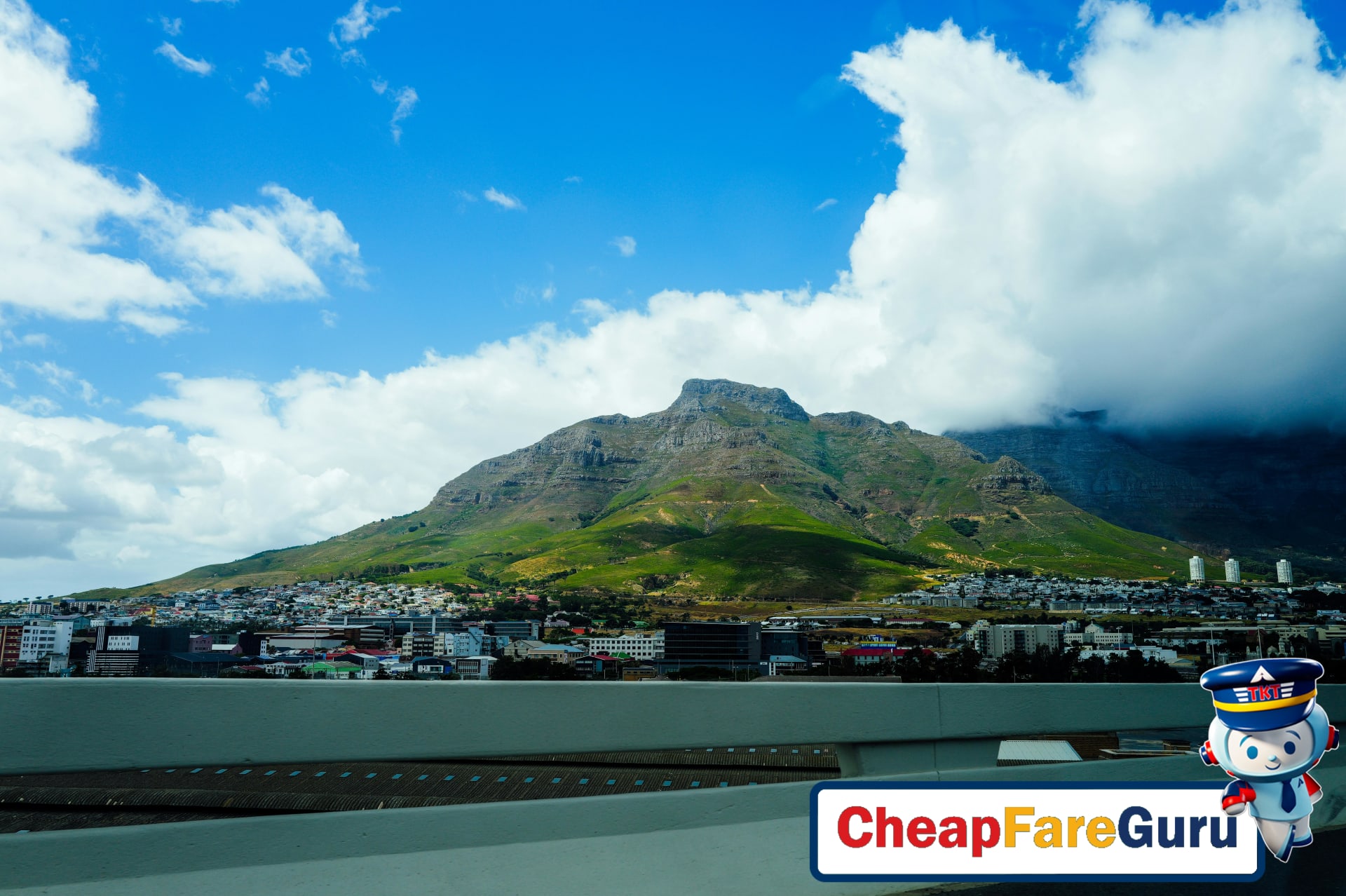
First 72 Hours in Cape Town: Sights, Sounds, and Insider Tips
Table Mountain shadowing pastel-painted neighborhoods. Street jazz spilling out onto Long Street after sunset. You see Cape Town on Instagram, but the real thing? It’s louder, wilder, and packed with more flavors than you’d expect. Breakwater views from the V&A Waterfront, penguins waddling at Boulders Beach, food stalls dishing out snoek and koeksisters at the Old Biscuit Mill—there’s no such thing as just “one side” of this city.
Cape Town rewards people who show up curious, not just for photos but for sunsets from Signal Hill, street art in Woodstock, or a last-minute Robben Island ticket you found because you read the right guide. Miss one day and you could swap it for tasting local wine in Constantia or summiting Lion’s Head for sunrise—if you know how to time it right.
This guide’s here for first-timers who want more than the surface. You’ll get firsthand tips on the tourist musts, the etiquette that matters (yes, cash for tips is still king), and where to sort your logistics—wifi, taxis, currency changes—without chaos or surprise costs. Cape Town’s dazzling, but paying triple for a SIM card at the airport? Not the move. I track fare drops and local hacks through CheapFareGuru so you can focus on the fun, not the fees. Up next: the classic sights, neighborhoods you can’t skip, and fixes that make your visit smooth from touchdown to Table Mountain.
10 Cape Town Icons: How to Skip the Lines and Save Time

No one visits Cape Town to stand in line—especially not with these ten crowd magnets. Queues can drag well past 45 minutes during December, weekends, or school holidays. Here’s what you need to know about each hotspot (plus how to breeze past the crowds).
- Table Mountain Cableway
The view sells itself. During December and Easter, capacity limits mean digital tickets often sell out by 10 a.m. on peak days (I’ve seen people turned away as early as 11 a.m. in January 2025). Book directly at tablemountain.net and check weather as cable cars halt in high winds—don’t trust random third-party sites. Arrive by 7:45 a.m. Launch queue typically forms by 8:15 a.m., but online tickets let you jump ahead. - Robben Island Museum & Ferry
Expect full sailings for weeks every December and June, especially Fridays and weekends. Real talk: Book via robben-island.org.za as soon as your dates are set—scalper sites won’t get you in if “official” slots are gone. Bring your passport for check-in. Midweek morning departures (9 a.m.) are usually the least crowded. - V&A Waterfront
It’s always buzzing—except early weekday mornings (before 10 a.m.). For Two Oceans Aquarium or the big ferris wheel, advance tickets cut your wait to under 10 minutes, even in July 2025 when the city got swamped with festival traffic. - Kirstenbosch National Botanical Garden
School holidays and summer Sundays get packed for concerts and picnics. Skip-the-line: Buy e-tickets from sanbi.org, then use the “online entry lane” at Gate 1, which opens at 8 a.m. Lush, open, and never as bottlenecked as Table Mountain. - Cape Point
Bus tours flood in around 10:30 a.m. Arrive before 9 a.m. or after 3 p.m. for empty boardwalks. Pay entry online at capepoint.co.za and show your barcode to breeze through. The Flying Dutchman funicular? Buy a combo voucher to dodge the midday snarl at the ticket desk. - Boulders Beach Penguin Colony
December weekends: pure chaos (over 600 tickets sold before noon on Dec 17, 2024). Buy SANParks ticket online the night before—morning slot (8–9:30 a.m.) has fewest visitors. Leave your food in the car; the local baboons are professionals. - District Six Museum
Weekdays after 2 p.m. it’s practically empty (except Heritage Day in September). Skip the cashier by grabbing a mobile ticket via their site. - Company’s Garden
This one’s public, so real “lines” are for Iziko museums inside. Pre-book Castle of Good Hope tickets for same-day access, especially during school field trip season (May–June). - Bo-Kaap Neighborhood
No entry lines (it’s a living neighborhood), but the Instagram crowd shows up 9–11 a.m. and 3–4 p.m. Want empty streets for photos? Go before 8:30 a.m. Walking tours: book a time slot with a local guide online—no waiting. - Cape Winelands (Stellenbosch, Franschhoek)
Saturdays in March (harvest) and September (weddings) bring tour bus gridlock. Book tastings and tram rides on wine.co.za or directly with estates. Most cellars let you skip the reception queue with a prepaid reservation—especially at ultra-busy estates like Spier or Babylonstoren.
Here’s the thing: buying official entry in advance is the difference between two sites in a morning or just standing around. Timed tickets, combo passes (Table Mountain + Kirstenbosch), and pre-booked guided tours speed things up—not just for the “big three” but almost everywhere that gets group traffic. I flag season surges and opening time hacks by tracking local updates and CheapFareGuru’s deals calendar, which has tipped me off to midweek discounts and early entry promos more than once.
Bottom line—Cape Town rewards early birds and anyone who double-checks legit ticket sources. Fake “skip-the-line” passes are everywhere, especially for Robben Island and Table Mountain. If the price is higher than tablemountain.net or robben-island.org.za by more than 10%, it’s a reseller markup or outright scam.
Cape Town Greetings, Tips, and What NOT to Do: Your Local Etiquette Cheat Sheet
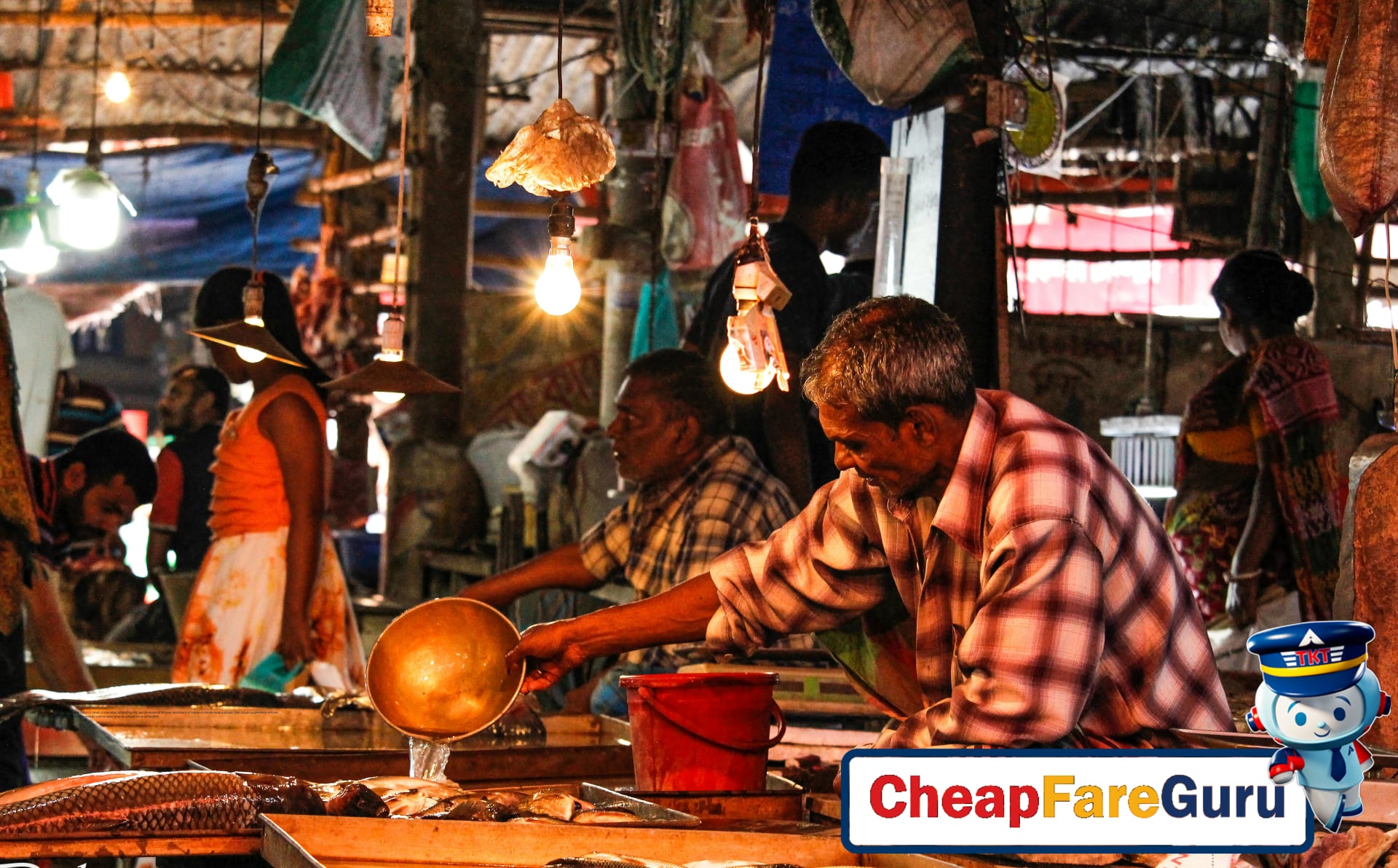
Forget awkward moments in Cape Town—nail the basics and you’ll blend in, not stick out.
Nobody expects you to speak Xhosa or Afrikaans, but a friendly “Howzit?” or “Hello” with a smile goes a long way. Expect handshakes with direct eye contact. Hugs? Only after you’ve met more than once, and only if invited. Don’t go for the double cheek kiss—Cape Town isn’t Paris or Buenos Aires.
Tipping isn’t up for debate. In restaurants, locals tip 10% minimum—15% is normal for strong service. Taxis? Round up to the nearest 10 ZAR (about $0.54 USD as of March 2026) or tip 10%. Tour guides expect 30–50 ZAR per person per day ($1.61–$2.68). I once saw Greg Daniels, an IT consultant from Dallas, pay 0 tip on a R400 dinner (November 2025); the server called out, “Did we do something wrong?” The embarrassment is real. Don’t skip it.
Clothing usually skews casual, but religious sites (like mosques in Bo-Kaap) want covered shoulders and no shorts—carry a light scarf or long pants in your bag for visits. For a wedding or gala, men need a jacket, women should opt for a dress or smart outfit. Show up in flip-flops and you’ll get stared down.
Market haggling is fine—just stay friendly, and don’t mock prices. “No thank you” works better than ignoring vendors. Keep voices calm in public spaces; heated debates are better for behind closed doors. Locals take racial and social issues seriously—avoid making jokes or offhand comments about apartheid or politics unless you know your audience well.
Look, a little cultural effort shows you respect the place. I keep alerts set on CheapFareGuru for Cape Town deals, but it’s the small etiquette details that get you treated like a guest, not an outsider. Pay attention, join in, and Cape Town opens up in a way no itinerary can match.
12 Essential Phrases for Navigating Cape Town: English, Afrikaans, Xhosa
Most folks in Cape Town speak English, but you’ll hear Afrikaans and Xhosa just as often around markets, taxis, and coffee shops. Tossing out even one word in a local language? That’s the fastest way to get a smile. Here’s how you do it, step by step.
- English basics:
- Hi there! / Hello
- Thank you so much
- How much does this cost?
- Where’s the bathroom?
- May I have the bill, please?
Simple, but don’t underestimate “thank you so much” — South Africans use it more often than just “thanks.”
- Afrikaans you’ll actually use:
- Goeie môre (khoy-uh MOH-ruh): Good morning
- Dankie (DUN-key): Thank you
- Asseblief (UH-suh-bleef): Please
Chris Jansen, teacher from Chicago, landed in Cape Town in January 2025, and said “Dankie” to taxi drivers—he got warmer greetings wherever he went, especially in smaller shops.
- Xhosa for cultural respect:
- Molo (MOH-loh): Hello (to one person)
- Molweni (Mohl-WEH-nee): Hello (to a group)
- Enkosi (En-KOH-see): Thank you
Don’t stress about the “click” in Xhosa words—locals appreciate the effort, even if you don’t nail it the first time.
Here’s the thing: Ordering coffee? Try “Dankie” instead of “thank you.” Meeting a guide? Greet with “Molo.” It’s never awkward if your accent is off—folks respect visitors who try, and it gets conversations started.
I usually jot down phrases in my phone app before I go. You won’t master Xhosa overnight, but using even one greeting can spark a moment you’ll remember. Last February, CheapFareGuru flagged a Cape Town fare drop and I nabbed a flight; practicing “Asseblief” at markets led to a few unplanned local food recommendations and way more laughter than I’d expected. Straight up: Trying just one local phrase opens more doors than you think.
Rand in Your Pocket: 6 Tips for Cape Town Money & Payments
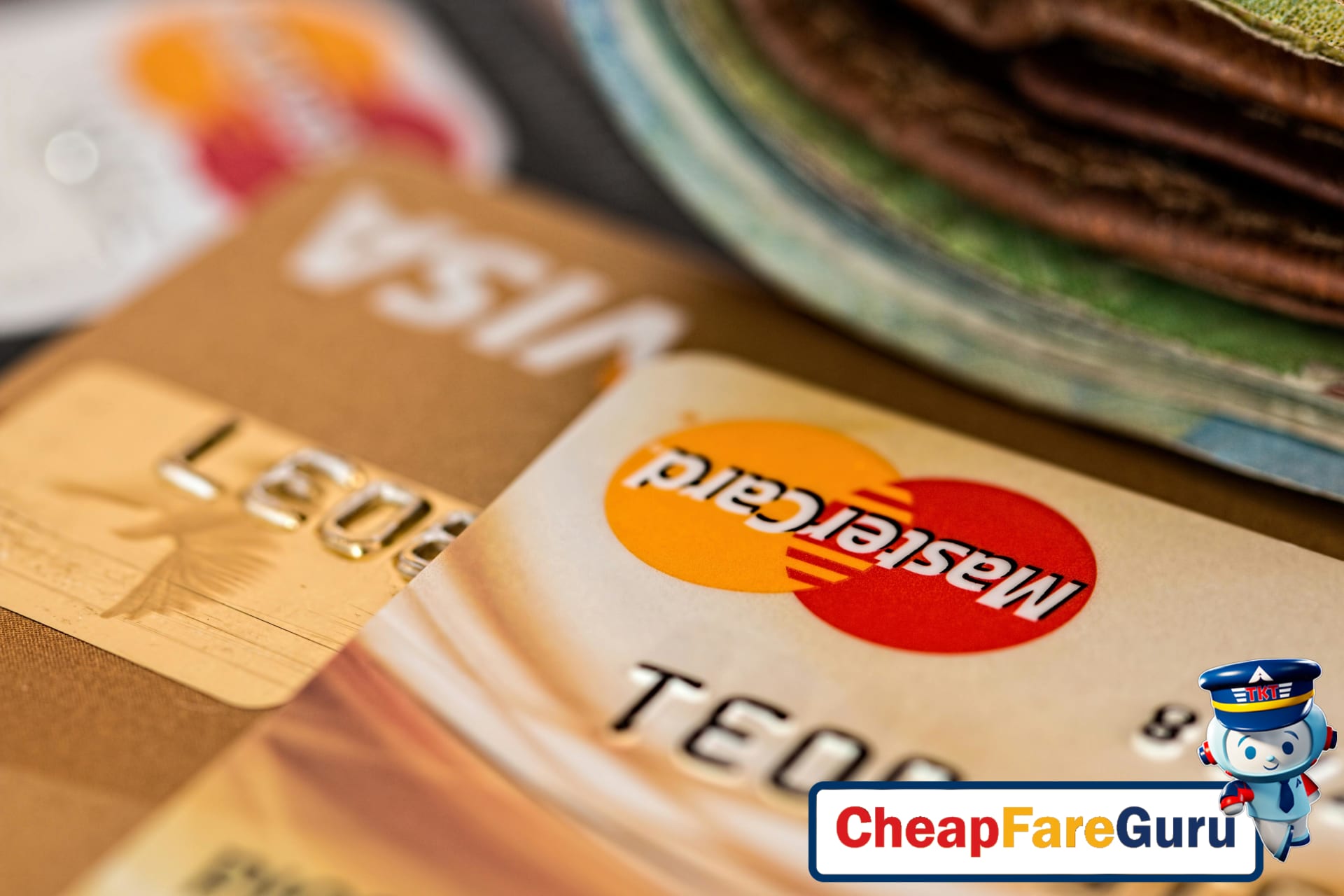
South African Rand (ZAR) comes in banknotes of R10, R20, R50, R100, and R200. Notes are color-coded—R50 is red, R200 is brownish orange. Most shops, Uber drivers, and even cafes accept coins too: R1, R2, R5 for smaller purchases or tips. Some Cape Town restrooms charge R2 to R5 for entry, so keep coins handy from the airport onward.
Visa and MasterCard are widely accepted—no surprise there—but American Express and Diners Club often aren’t. You’ll need a chip card (not just swipe), and many terminals require a PIN, not signature. Apple Pay and Google Pay also work in 2026 at major chains like Pick n Pay, Checkers, and Woolworths in Cape Town’s V&A Waterfront, but not everywhere (especially small markets).
Reliable ATMs sit inside mall entrances, like Cavendish Square or Cape Town International (Domestic Arrivals, near Woolworths). Pick Standard Bank, Absa, or Nedbank—not random cash machines on the street. Traveler exchange rates on March 20, 2026, for U.S. debit cards at ABSA were $1 = R18.45, with a $5.50 out-of-network fee; use a no-foreign-fee card or withdraw R2,000+ per trip to cut down fees. Skip airport exchange counters—rates lag behind city rates by 7–10% this quarter.
Here’s the thing: card skimmers still pop up. Only pay at physical terminals—never hand over your card out of sight. Card cloning at Cape Town bars and “helpful” ATM assistants offering unsolicited help are two traveler complaints on Reddit’s r/TravelAfrica from February 2026.
Tipping’s brisk but not wild: R10–R20 for a meal (10–15%), R5–R10 for parking guards, and R10 per bag if a porter hauls your luggage. At sit-down restaurants, check your bill—sometimes service is included; if not, tip in cash for best results.
I flag live rate shifts and new ATM fees through CheapFareGuru’s news feeds before I fly. South Africa’s rules and charges change each tourist season, so double-check exchange rates the week before you arrive and bring two cards just in case.
Airport Shuttle vs Taxi vs Uber: Cape Town Transit Costs and Times
Landing at Cape Town International? You’ve got four main ways to reach the city center—shuttle, taxi, rideshare (Uber or Bolt), or car rental. Here’s what matters for cost, time, and safety.
- Airport Shuttle: The official MyCiTi Airport Shuttle runs every 20-30 minutes, 4:30am–10:00pm. A ticket’s R100 ($5.45 USD) as of March 2026, with a 25-40 minute ride to the Civic Centre (off-peak/peak). You’ll need to buy a MyConnect card for R35 ($1.90 USD) if it’s your first trip. For late-night arrivals, shuttles stop running by 10pm—no flexibility.
- Metered Taxi: Metered taxis line up outside the arrivals exit. Minimum fare: R320 ($17.45 USD) to the city center as of Feb 2026. During Friday rush (4–6:30pm), expect 45–60 minutes. Off-peak, you’ll shave that to 20–30 minutes. Insist on the meter running before you get in, and check cab signage for official licensing.
- Uber/Bolt: Both operate curbside pick-up at Parkade 1 across the terminal. R210–R300 ($11.45–$16.35 USD) for a standard ride downtown in March 2026. Rideshare surge pricing can jump fares 30–60% during weeknight arrivals, and drivers may cancel if they can’t reach you—I’ve seen this happen for two American friends arriving January 2026. Most cars are clean and drivers use GPS. Always check license plate matches your app before hopping in.
- Car Rental: Most agencies are open 6:00am–11:00pm. Daily rates: R575–R880 ($31.45–$48.15 USD) for compact to full-size, excluding R150 ($8.20 USD) for petrol to city center. Navigation apps help, but Look—Cape Town’s city traffic (especially N2 inbound) gets wild after 7am weekdays. If you’ve never driven on the left, pay for comprehensive coverage.
Bottom line: MyCiTi shuttle wins for solo travelers and those landing daytime, but doesn’t work if you arrive late. Uber/Bolt usually balance price and comfort for groups up to three. I track flight deals with CheapFareGuru before booking taxis—saves enough for that extra cab ride or two. Stick to official shuttles, licensed taxis, and app rides for safety. Never follow unofficial drivers inside the terminal, even if they seem helpful.
4 Safe Neighborhoods in Cape Town Where Visitors Actually Stay
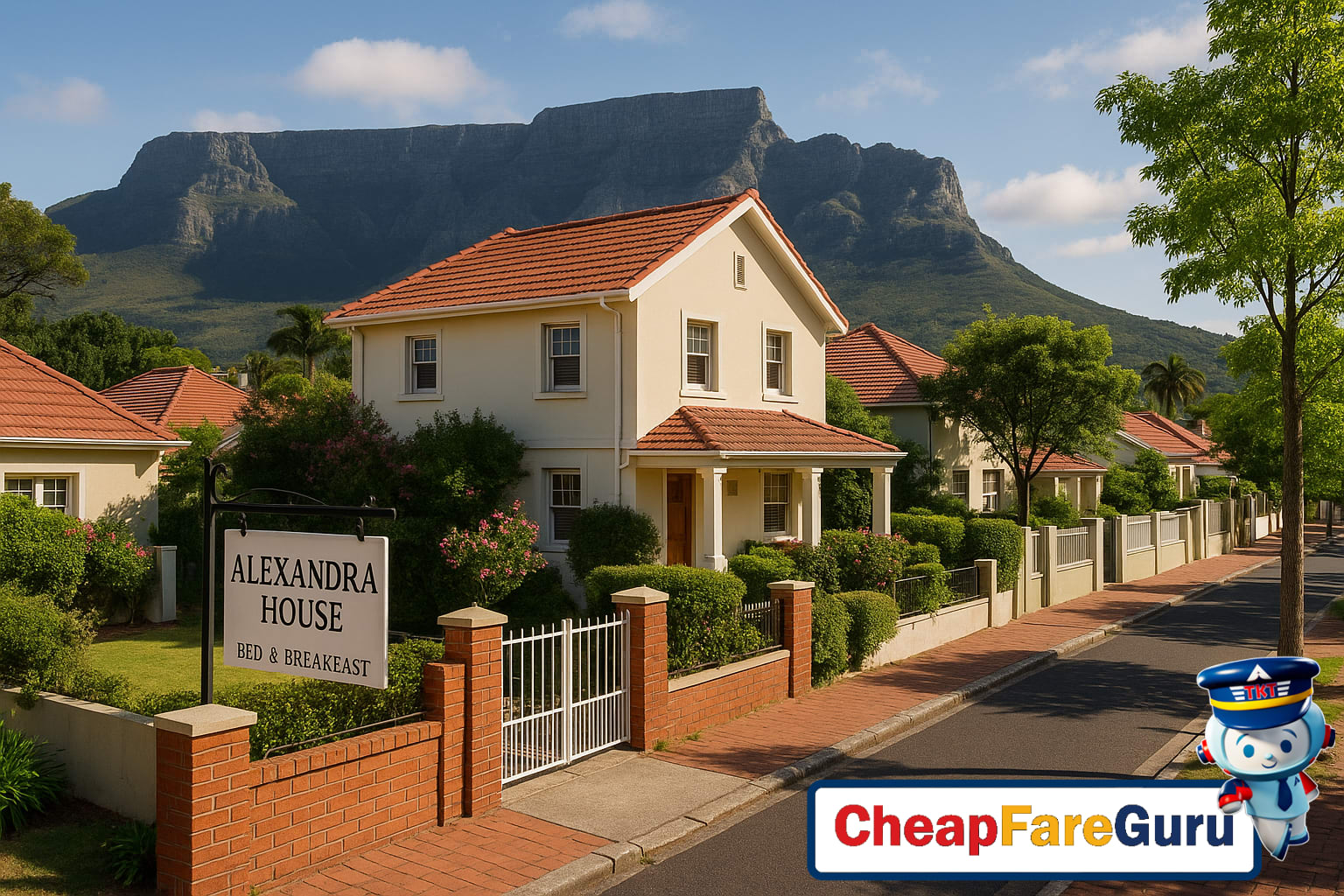
City Bowl isn’t just the city’s heart—it’s where visitors get museums, markets, coffee shops, and safe, walkable streets all in one spot. The central station makes it easy to catch MyCiTi buses or an Uber to the V&A Waterfront, Table Mountain base, or Woodstock breweries. I stayed at 91 Loop Hostel in January 2025: walked solo at night along Bree Street, felt comfortable and never hassled. Plenty of 24-hour shops and visible security.
Green Point sits on the Atlantic, about 10 minutes by taxi from both the Waterfront and downtown. You get a mix of locals and travelers, especially along Somerset Road. Clubs, late-night restaurants, and the Green Point Urban Park buzz with people well into the evening. Jessica Abebe, project manager from Toronto, booked a two-bedroom Airbnb for her family in November 2024—she told me on Reddit she liked seeing police patrols, and everyone used card-only entry gates at the apartment.
Sea Point draws runners, families, and digital nomads. Its long promenade means you can stroll, rent bikes, or grab gelato without worrying about traffic. The area has big supermarkets, affordable hotels, and is two stops from the Waterfront by bus. I track promo room rates in Sea Point through CheapFareGuru‘s price alerts—saw a Protea Hotel deal at $92/night for March 2026 after OTAs showed $137.
Camps Bay takes security seriously—a private neighborhood patrol is standard, not luxury. Think rooftop pools, palm-lined beachfront bars, and day spas. Is it pricy? Yes. But for many solo travelers, the peace of mind offsets the extra $70 to $110/night versus City Bowl. Getting from here to Table Mountain’s lower cable car takes 12-15 minutes by Uber even in peak season.
Bottom line: stick to these four zones and you’ll get easy access to Cape Town’s sights plus layers of practical security. Taxis, rideshares, and clean public buses between neighborhoods mean you won’t feel stuck or isolated—just set up price alerts with CheapFareGuru before you book, especially if traveling in South African summer (December–February) when inventory disappears fast.
7 Days in Cape Town: Markets, Penguins, and Table Mountain Views
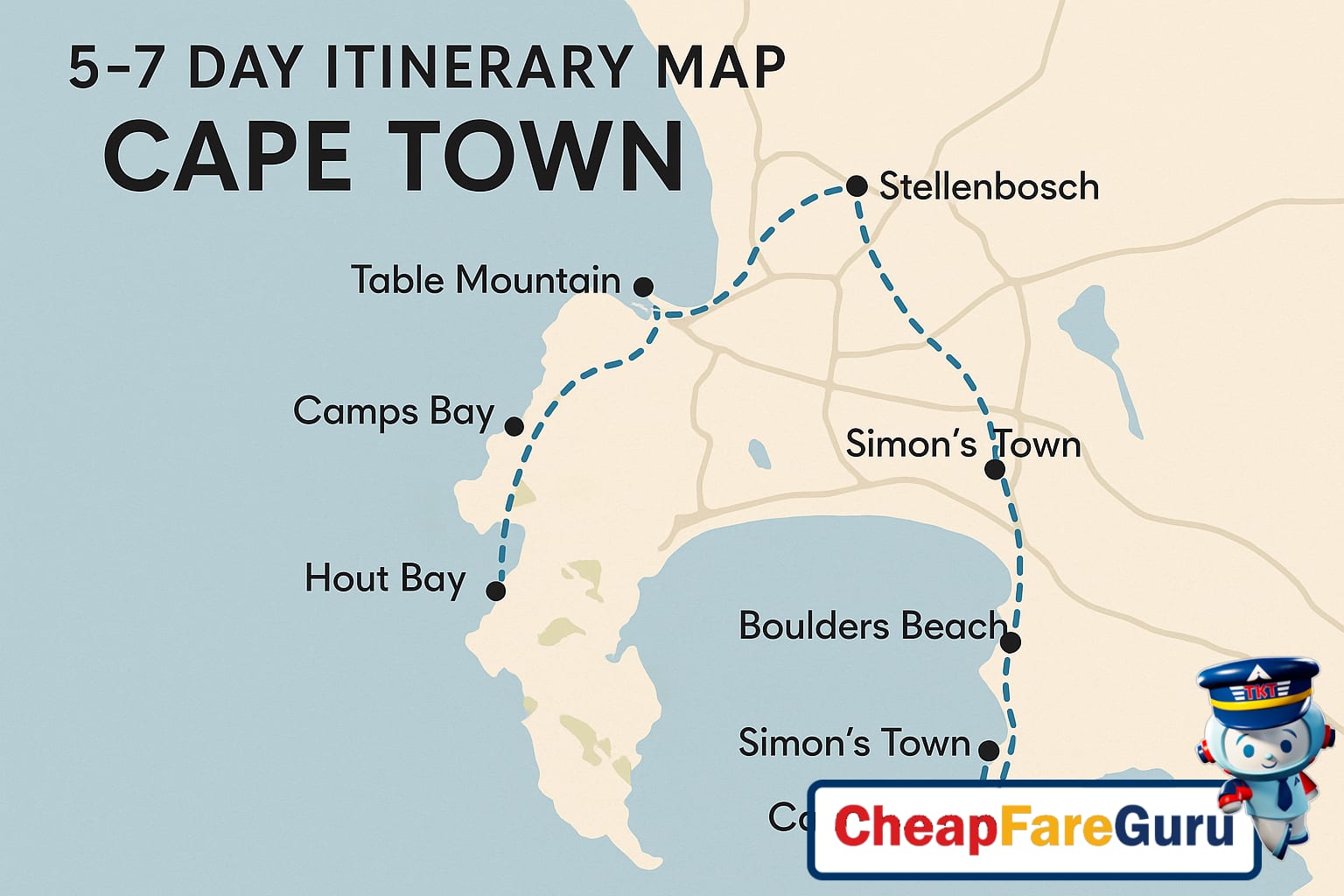
Landing in Cape Town with five, six, or even seven days? Here’s how to see a ton—without going home exhausted.
Days 1-2: Table Mountain, V&A Waterfront, Waterfront Eats
Save Table Mountain for a clear morning. Clouds roll in fast—by 10 AM you can sometimes barely see your own hiking boots, let alone the city. If you’re booking the cableway, grab a timed ticket online (R420, March 2026 rate; lines double in the afternoon). Chris Jacobs, software developer from Boulder, spent 90 minutes in line at noon—“and missed midday at the V&A” (posted TripAdvisor, Feb 2026). Don’t repeat that.
After views, Uber to V&A Waterfront. Locals swear by Willoughby & Co (try the tempura prawns, R176/plate Feb 2026) or the food market for quick snacks. Seal-watching off the pier never gets old. Shop, wander, or hop on the water taxi—tickets are 70 ZAR as of this month.
Days 3-4: Museums, Bo-Kaap, Evening Markets
District Six Museum opens at 9 AM—don’t skip the guided story sessions (R60, March 2026). Walk the painted streets of Bo-Kaap for Instagram-worthy shots, but go deeper: ask about the spice shops or join a Cape Malay cooking class. Nadira Patel, travel nurse from Edmonton, booked a group lesson for R540 (Jan 2026) and said, “Best bobotie I’ve made, plus loads of local history.”
Evenings? Try the Oranjezicht City Farm Market (Wednesday or Saturday night): live music, local wines (glasses start at R45, March 2026), and everything from vegan burgers to ostrich pies.
Day 5: Cape Winelands and Penguins
Rent a car early or grab a CheapFareGuru special (they flagged a $19/day Avis deal in March 2026 when other OTAs showed $31). Budget about 40 minutes to Stellenbosch for wine tastings (most estates: R80-100/flight, advanced bookings required). Afternoon: detour to Boulders Beach. Penguins waddle up close—entry is R190/adult (March 2026). Bring your swimsuit and be ready for chilly water.
Optional Day 6-7: Cape Point, Botanical Gardens, Garden Chill
Cape Point is a half-day affair. Simon Lim, copywriter from Singapore, did the funicular and lighthouse in Jan 2026—“Wild wind, insane views, R90 funicular ride.” Combine it with picnic time at Kirstenbosch (entry R220; weekend concerts extra) or a Company’s Garden stroll. Don’t underestimate the squirrel mobs; the photo ops are worth it.
Flexibility Tips
- Swapping days is easy—just check opening times for museums and markets.
- Rain on Table Mountain day? Slide it to later; break up city days with Winelands for better weather chances.
- Only five days? Drop Cape Point and Botanical Gardens, keep waterfront and penguins.
- Add a township tour or Robben Island if you’ve got an extra afternoon—book ahead for both.
Look, you won’t cover every inch of Cape Town in a week. But with this plan, you squeeze in the icons without feeling rushed—which is the point when you’re balancing time with the South African rand. I track promos through CheapFareGuru‘s alerts, especially for last-minute hotel discounts. Sometimes, a 6th night is cheaper than just five—play with your dates before you book anything.
3 Budget Levels: What You’ll Really Spend in Cape Town
Base math first. On a typical week in Cape Town—say, April 2026—budget travelers can do $39/day if they watch their pennies, while midrange comfort hovers closer to $103/day.
- Lodging: City-center hostels like Never@Home or Green Elephant set you back $13–$20/night (shared room). Think $30–$40 for budget-friendly Airbnb studios. Basic hotels, like SunSquare, average $67/night in April 2026, but jump to $90+ during festivals. I watched a CheapFareGuru fare drop sync with these off-peak deals last year for several readers.
- Meals: Local “takeaways” (Gatsby sandwiches, bunny chow) or grocery store snacks: $3–$6/meal. Restaurants run $12–$18 per main dish—water’s usually on the house, so skip soda to save, like Jaylyn Carter (student, Atlanta) did in January 2026: “I ate street food five days, spent $38 total,” she posted on Reddit.
- Transport: MyCiTi bus rides are $1.20–$2.40 per trip. Five rides/day = $8 average. UberX cross-town: $4–$14 each way. Metrorail to Simon’s Town? $2.50 (one way).
- Entry Fees: Table Mountain cable car is $18 online (as of March 2026). Robben Island’s ferry tour: $27. National Gallery or Zeitz MOCAA, $10–$14 each. Bundle passes cut costs—a 3-attraction combo pass saved Anna Rajan (nurse, Toronto) $17 in November 2025.
Extra budget stretchers: Market souvenirs ($5–$50, lowballing anywhere but the V&A), tipping for service ($1–$2 at restaurants/cafes; 10% in taxis). Last-minute Ubers late at night can nudge your daily tally upward, so set aside a $25 “safety buffer” per week. Power outages (“load shedding”) sometimes mean buying an extra coffee or data—factor in $10–$15 spare each trip.
Here’s the thing: Planning doesn’t mean penny-pinching your trip dry. Eat big at noon and snack for dinner. Use MyCiTi cards—unlimited day passes start at $5. Combine a free hiking day with one big paid tour. I’ve seen travelers post on FlyerTalk that mixing group and solo sightseeing saved them $87 in a six-day stay, just by skipping one organized excursion for a DIY city walk with a local.
Smart choices get you all those famous views and city flavors without overdrafting your account. No shame in splurging for a sunset drink—just track the daily numbers, account for the odd “oops,” and you’ll head home with stories instead of regrets. If you need real-time deal alerts for switching up your dates, that’s exactly when I refresh CheapFareGuru alongside every local fare search.
7 FAQ Cape Town First-Timers Ask: Tips, Timing, and Safety
What are the best skip-the-line tips for Cape Town’s tourist spots?
Table Mountain: Book e-tickets online at least 2 days early—March 2026 mid-morning slots sold out in 6 hours. Kirstenbosch Gardens: Arrive before 10am. Robben Island: Choose weekday tours and use mobile check-in. I flag peak-day deals with CheapFareGuru alerts about once a week.
How to use currency and payment methods safely in Cape Town?
Credit cards work almost everywhere—Visa/MasterCard are safer than cash at shops and Ubers. For a R500 ($27) market buy, tap-to-pay is standard. Use ATMs only inside banks (FNB at Adderley St, February 2026: no extra foreign fees). Don’t let cards leave your sight in restaurants.
When is the best time to visit to avoid crowds at Table Mountain?
Late April or early September see 25–40% fewer visitors than December holidays. For 2026, try midweek climbs before 9am—March 14, 2026 saw just 30 in line at 8:15am versus 180 at 11am (Table Mountain Cableway ticket data).
Can I use English everywhere in Cape Town or should I learn local phrases?
English works in hotels, museums, taxis, and tourist areas—over 90% of front-line staff are fluent (South Africa Tourism, 2025 survey). If you want to connect, “Howzit?” (hi) or “Lekker” (good/nice) go a long way, but you won’t get stuck without Afrikaans or Xhosa.
Why is cultural etiquette important when visiting Cape Town?
Cape Town locals value greetings and respect for space—“hello” before asking questions matters. In District Six and Bo-Kaap, modest clothing is appreciated. Tipping: 10–15% is standard. I’ve seen irritated responses when travelers ignore social basics, especially at restaurants and markets.
How do I get from Cape Town International Airport to the city safely?
Metered City approved taxi: R380 ($21) to CBD in March 2026. MyCiTi shuttle: R100 ($5.50), tap your card. Rideshare: Confirm driver matches app info. I avoid unmarked cabs after dark. CheapFareGuru shows flight+transfer bundles sometimes under $30 total.
What neighborhoods in Cape Town are safest for travelers?
Sea Point, Gardens, and V&A Waterfront have visible security, regular patrols, and low 2025 petty theft stats (City of Cape Town Community Safety Report, Oct 2025). Solo travelers I know stayed in Green Point for under $54/night with zero incidents last January.
Travel Smarter: Key Tips & Book Cheaper Flights in Minutes
Clean itineraries, street food tours, new phrases picked up on the fly—none of that happens by accident. The trips I remember always come down to three things: mapping top sights in advance, learning a few local customs (even one “thank you” makes a difference), and setting a real budget so I don’t miss out or overspend. Safety? Don’t overlook it—simple steps like copying IDs or choosing the right neighborhoods make every city easier to enjoy.
If you’re set for adventure, treat local culture with respect—ask questions, try something new, and you’ll get a lot more than photos out of your trip. Planning ahead handles most surprises and leaves you headspace for actual exploring. That’s why I use CheapFareGuru to find flight deals, last-minute hotels, and even car rentals, especially when my plans change fast (like the $122 SFO-LAX roundtrip I grabbed in January 2026—still can’t believe that price).
Real talk: the best memories never start with hours lost on booking sites. Let CheapFareGuru save you time and cash so you focus on the good stuff—actually traveling. See what’s out there for your next trip, and let AirTkt help with flights, too. Safe travels!
References: Trusted Sites for South Africa Travel & Policy Info
For destination details and planning, check South African Tourism, Cape Town Travel, and SouthAfrica.info. For flight rules, refer to agencies like TSA, FAA, DOT, and IATA. I use CheapFareGuru to compare flight prices and flag border entry updates—all on one screen.