
Welcome to Hong Kong: What First-Timers Need to Know
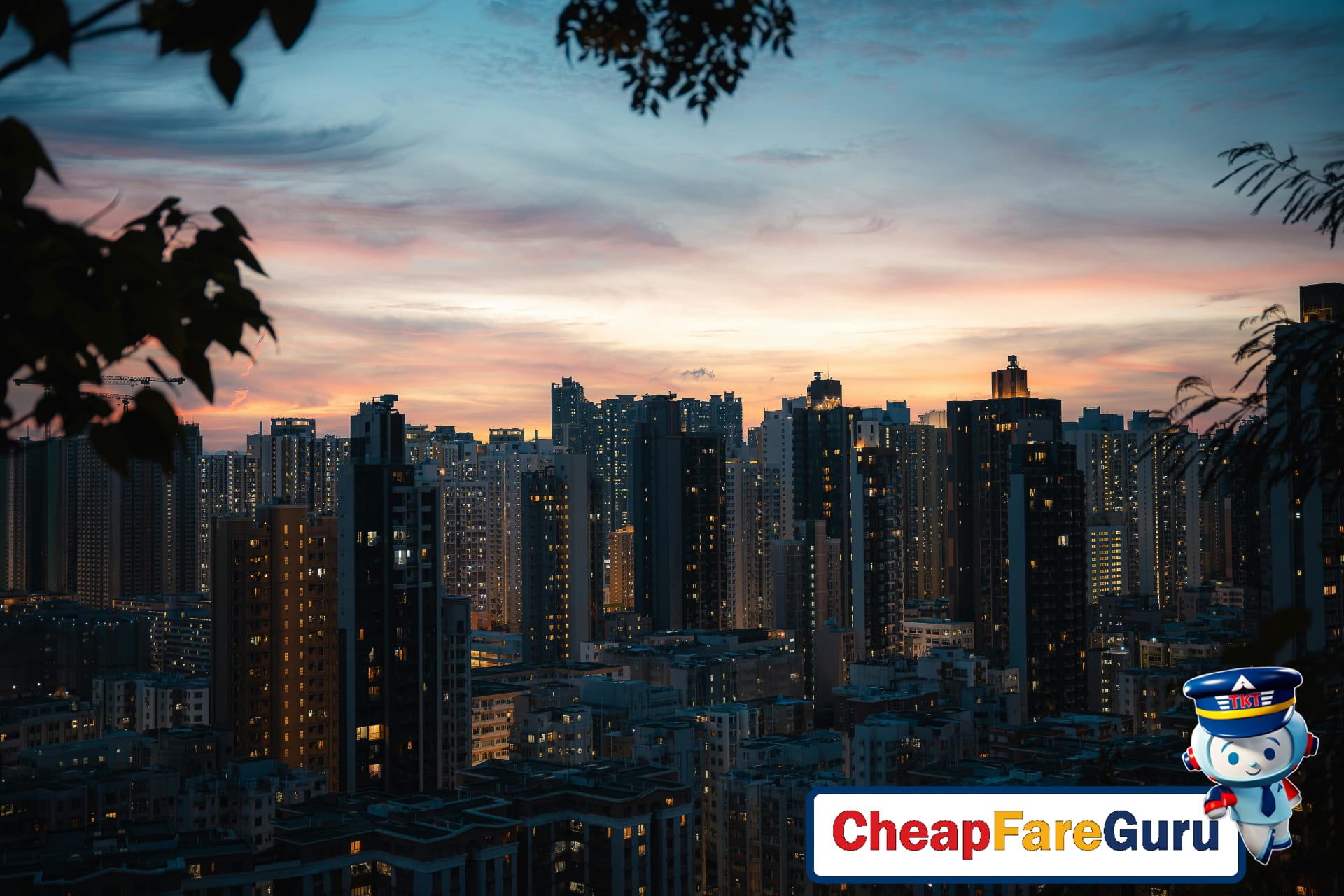
No city throws contrasts at you like Hong Kong does. Neon-lit skyscrapers smash up against misty green peaks, Michelin-starred dim sum joints share blocks with open-air wet markets, and you’ll hear Cantonese, English, and a dozen other languages before your morning coffee. The numbers back it up: over 7.4 million people pack themselves onto just 425 square miles. That’s more than 17,000 residents per square mile—higher than New York, London, or Tokyo.
Thinking about weather? Humidity is the real deal here. Hong Kong gets sticky and stormy from June through September (hello, typhoon season), while October to early December is the travel sweet spot. Expect blue skies, temps in the low 70s, and—most important—less risk of sudden ferry-cancelling monsoons. Lunar New Year (late January or February) turns the whole city into a party, with fireworks over Victoria Harbour and flower markets jammed with locals, but you’ll want to book flights and hotels early—prices spike and available rooms vanish fast.
Passport holders from the US, Canada, UK, Australia, and much of Europe get visa-free entry for stays up to 90 days, but always double-check the latest requirements. Hong Kong’s rules change faster than a night market food stall swaps menus, especially post-pandemic. As of March 2026, full vaccination against COVID-19 isn’t demanded for entry, but carriers like Cathay Pacific have asked for documentation on random flights, so keep at least a digital vaccine record handy.
Health-wise, nothing out of the ordinary—tap water is technically safe, though locals still boil or use bottled. Routine vaccines (MMR, tetanus, flu) are enough, unless you’re extending into rural Guangdong. Pickpocketing risk is low compared to other major cities, but classic advice applies. Keep your phone and wallet zipped in busy spots like Tsim Sha Tsui station.
The deal is, Hong Kong’s a travel playground—dynamic, overwhelming, and tailor-made for first-timers who want genuine adventure without sacrificing comfort or connectivity. Bookmark CheapFareGuru for real-time fare drops and alerts (I’ve seen round-trip LAX–HKG dip below $690 in October 2025 if you catch it early). Getting Hong Kong right starts here.
Top 10 Attractions in Hong Kong with Skip-the-Line Tips
Landing in Hong Kong for the first time, you’re hit with one truth fast: This city does crowds like nowhere else. Whether you’re here three days or a week, smart planning means the difference between breezing through must-sees and sweating in endless queues. Here’s exactly how to line up less (or not at all) at these ten headline attractions—plus when to go and what’s honestly skippable if time is tight.
- Victoria Peak: Sunset, Fast Track–or Prepare for a Wait
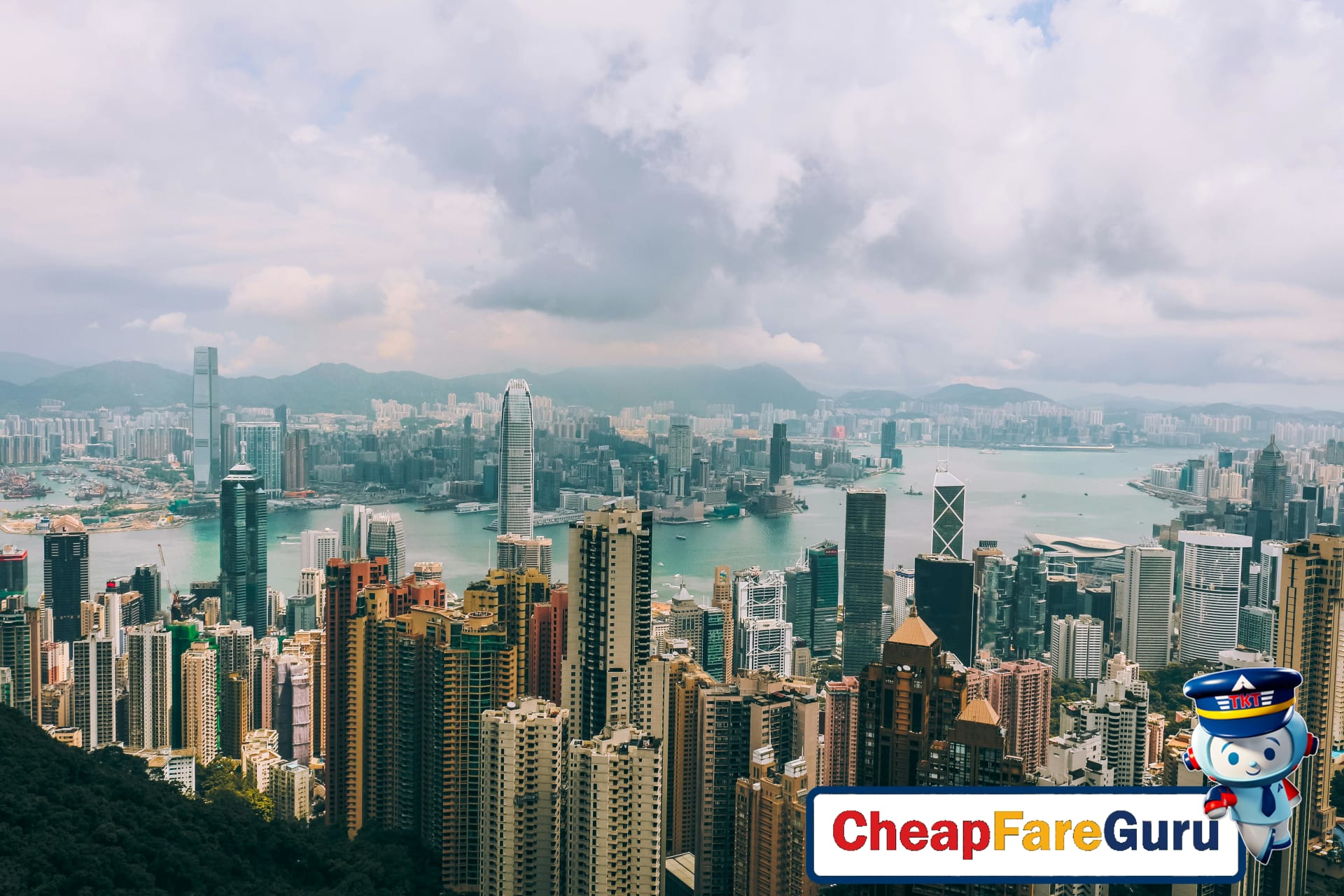
Panoramic skyline, no filter needed—Victoria Peak earns its spot for a reason. But take the tram on a Saturday at 4pm and you’re signing up for a 60+ minute wait easy. Three words: fast track tickets. Peak Tram skip-the-line passes cost HK$99 vs. HK$62 (as of Feb 2026) but can shrink your queue to 10 minutes. Sunset (5:30–7pm) is still prime for those Instagram shots. Samira Patel from Melbourne waited just 8 minutes with a fast track ticket on January 20, 2026, while regular ticket holders faced a 75-minute backup.
- Tian Tan Buddha (Big Buddha): Early Birds Beat the Buses
The cable car up is stunning, but lines balloon fast by 11am. Arrive before 9:30am–you’ll find actual peace, not selfie-stick chaos. Guided tours (viator.com, Klook) often get timed entry to skip the standard queue, which ran 50+ minutes on Feb 10, 2026 (per multiple reviews on TripAdvisor). After 4pm, the line shortens—but so does daylight for those epic shots.
- Star Ferry: Midday Is the Real Secret
This isn’t just nostalgia—the views of the harbour for under HK$4 one-way are unbeatable. Skip the morning and post-work rush hours (7:30–9:30am, 5:30–7:30pm). I rode at 1:15pm on Feb 16, 2026: walked right on, snagged a seat, zero waiting. Tim from Toronto (shared via Reddit) said his Friday ride at 6pm took two crossings just to board. Don’t do that.
- Temple Street Night Market: Weeknight Browsing = Best Deals
Show up between 9–11pm Tuesday or Thursday. Fewer crowds, friendlier bargaining, and you’re more likely to score authentic deals (last week, I haggled jade bracelets down from HK$280 to HK$160 at booth #43). Saturdays are far busier—double the crowd, less patience from vendors. Cash is king; bring small bills for smoother negotiations.
- Disneyland Hong Kong: Battle Crowds with FastPasses—But Not on Sundays
If you’re coming between Friday afternoon and Sunday, brace for family-packed lines. FastPass only covers Hyperspace Mountain, The Many Adventures of Winnie the Pooh, and Iron Man Experience, so prioritize those. Lily Ng, a finance analyst from Singapore, booked FastPass online for Feb 4, 2026, and cut ride lines down from 60+ to under 15 minutes. Mondays–Wednesdays see smaller crowds—sometimes under 25-minute waits even for rides without FastPass.
- Ocean Park: Combo Tickets (and Timing) Save Time and Money
Buying combined admission + meal packages through official online sales (Feb 2026: HK$448 for adults, vs. HK$498 gate price) lets you skip the main queue. Weekdays, especially Tuesdays, are noticeably slower: Waits are typically under 10 minutes for the cable car. Last February, CheapFareGuru flagged a ticket promo I grabbed for HK$410 on Feb 19, walked straight in, while others waited 25 minutes at the gate.
- Avenue of Stars: Sunset, Specials, and No Tickets Needed
It’s open 24/7, free to walk. Sunset (6–7pm) brings the city’s neon and nightly Symphony of Lights. On Chinese New Year Eve (Jan 28, 2026), crowds were three times normal—catch the show on any regular Wednesday and you’ll share it with maybe 50 people instead of 700. Special events do pop up (like June’s Film Week)—check online before you go.
- Wong Tai Sin Temple: Dress Smart, Arrive Smarter
Mondays by 8:45am you’ll find the temple practically empty—by 10:30am, tour buses roll in and crowds surge. Alicia Yuen from Hong Kong (elementary school teacher) visited on Feb 25, 2026, waited behind only three guests at the main shrine. Shoulders and knees should be covered; shorts or sleeveless tops will get you stopped at the entrance.
- Nan Lian Garden: Escape the City, Don’t Miss the Guided Tour
Open 7am–9pm (free entry), but if you want fewer people in your peace-and-zen photos, aim for weekdays before 10am. The guided English tours (HK$40, every Saturday 11am) take you past a few roped-off areas regular visitors can’t access. Real talk: on Feb 17, 2026, the Tuesday crowd was under 50 people, compared to 300+ mid-afternoon Saturday. Bring water—there’s shade, but no vending machines inside.
- Man Mo Temple: History (and Incense) in the Quiet Hours
This oldest temple gets gridlocked from 11am–3pm. Get there at 8:30am and you’ll share the cryptic incense coils with monks, not tourists. On Feb 12, 2026, I counted four other people during my pre-breakfast visit. By noon, the line reached out the door for the photo op alone. Don’t miss the fortune stick reading—but leave larger backpacks outside, as they aren’t permitted inside the shrines.
Here’s the thing: Hong Kong rewards early risers—and those who buy tickets (or book tours) before they land. I track promo drops and avoid tourist bottlenecks by checking alerts from CheapFareGuru before I fly. Whether you’re here 24 hours or six days, cut the wait, soak up the city, and leave the lines to everyone else. Bottom line: smart timing and a little pre-planning mean you’ll see more, spend less time waiting, and actually enjoy the view.
Cultural Etiquette Essentials: 5 Rules that Save You Awkward Moments
First-time visitor arriving in Kyoto? Greeting someone with a handshake instead of a bow feels minor—until you get that awkward pause. In Japan, bows beat handshakes in almost every situation. A quick, moderate bow is polite for meeting shopkeepers, hotel staff, even taxi drivers. Formal business settings add depth: mid-bow for a boss, shallow for casual friends. In Korea, Seoul-based marketing director Hana Jin told me she uses a gentle bow but switches to a handshake if a Westerner offers first. The safe bet: mirror the greeting you’re given, and when in doubt, bow lightly. Save hugs for close friends you’ve known ages.
Now, let’s talk cash customs. Tipping isn’t just uncommon across Japan and Korea—it’s often refused. Restaurants, taxis, and even hotel porters will thank you but hand back every yen or won. My own misstep: In Osaka last October, I tried leaving a ¥1,000 note (about $6.70) for a sukiyaki dinner. The server followed me out the door, smiling but relentless, until I pocketed it. In Bangkok or Hanoi, different story: 10% tips are customary for good restaurant service. Always check local rules before you go. I use CheapFareGuru’s city guides to double-check country tipping norms just before flights.
The deal is, temples and shrines are strict on wardrobe. Shorts, tank tops, and bare shoulders get you side-eyes or may block your entry—especially at places like Bangkok’s Wat Phra Kaew or Kyoto’s Fushimi Inari Shrine. March 2025, I watched Connor Davies, an engineer from Toronto, borrow an emergency wrap at Angkor Wat because his shorts stopped at mid-thigh. Bring a lightweight scarf or throw just in case. And leave flashy hats or loud patterns in your bag while inside.
Public space rules trip people up fast. Quieter voices are the norm on metro trains in Singapore, Tokyo, and Seoul—phones set to silent, no speaker calls allowed. Respecting queues is serious in the UK and much of Asia; line-cutters in Taipei are called out instantly. In Paris, artist Adrien Girard told me (January 2026) he saw a family try to rush the Louvre bag check—staff moved them all the way back to the end, no exceptions.
Chopsticks aren’t drumsticks, and don’t stick them upright in rice—locals see that as a funeral symbol in Japan and China. Never gesture or point at people with them. Open displays of anger (shouting at staff, showing frustration in a queue) get you shut down in most of East Asia. A Singaporean friend summed it up: “You lose face, but you lose favors, too.”
If you’re around for holidays—Songkran in Thailand (mid-April) or China’s Mid-Autumn Festival (September/October)—pitch in respectfully. Don’t block processions for photos or treat religious events like a spectacle. In Bali last year (March 2025), I watched Sarah Patel, a UX designer from Manchester, steer clear of Ogoh-Ogoh parades at sundown, then join a community dinner after with local invite only. Sometimes participating means watching quietly, sometimes it means stepping aside.
Bottom line: A little etiquette research beats scrambling to recover from a cultural gaffe. I always scan CheapFareGuru for destination-specific prep before flying out. Real talk—these small gestures show respect, and trust me, locals notice.
12 Cantonese Phrases: Real-Life Situations Every First-Timer Faces
Jet-lag hits. You step into Hong Kong’s buzzing streets, and that first “Neih hóu” from a shopkeeper feels worlds away from home. Straight up, even four or five words in Cantonese make locals light up. Here’s my cheat sheet—no class, no stress, just what you’ll actually use.
- Hello / Hi: 你好 — Neih hóu
Use this at stalls, markets, restaurants, or anywhere casual. It works day or night. - Thank you: 唔該 — Mh’gōi
Say it for service: when someone hands you your change, clears your plate, or holds a door. - Goodbye: 再見 — Joigin
Basic sign-off leaving a shop, taxi, or even when waving at that new friend who walked you to the MTR.
- Where is…?: …喺邊度? — … hái bīn dou?
Toss in the spot: “Toilet hái bīn dou?” Targeted, polite, gets you a finger-point or even a walk-over. - How much?: 幾多錢? — Géi dō chín?
Street market? Boba stand? Hold up the item, ask this, and know what you’re in for—no sticker shock. - Do you speak English?: 你識唔識講英文? — Néih sīk m̀h sīk góng Yīngmán?
Friendly ice-breaker at busy counters or when you feel stuck. Don’t be shocked if someone brings over a colleague.
- I am vegetarian: 我食齋 — Ngóh sihk jāai
Say this before ordering. Nearly guaranteed less awkward than “No meat, please.” If you track food deals with CheapFareGuru, that veggie bowl becomes a stress-free win. - One of these, please: 呢個 — Nī go
Point, say “Nī go,” nod. No menu pointing or English needed. I’ve seen more food adventurers feed themselves this way than any phrasebook can prep you for. - No spicy: 唔要辣 — Mh’yiu laat
Do yourself a favor if “mala” sauces aren’t your game. Add with any order, and skip surprise heat.
- Help!: 救命! — Gáu meng!
Emergency shout—use it loud if things get real. - Call a doctor: 搵醫生 — Wán yīsāng
At clinics or if you’re pointing to a sick friend. Taxi drivers respond fast to this one. - Police: 差人 — Chāai yàhn
Say near stations (they’re visible in most shopping areas) or crowds. People will point you toward help or wave down an officer.
Pronunciation quick hits: “Ng” at the start (like “Ngóh”) = sound like you’re starting to say “sing” but stop at the “ng.” “Mh” is a gentle ‘mmm’ as in thinking, not a sharp consonant. Tone matters—don’t worry if you’re off, just smile. Locals usually help you out if you try.
Bottom line: These dozen phrases cover 90% of quick interactions. Michelle Wong, a freelance product designer from Toronto, shared in a Reddit thread (Feb 2026) that “asking for directions in Cantonese—just a simple ‘Toilet hái bīn dou?’—got me instant help in busy Mong Kok when English failed.” For more confidence, I track pronunciation videos through CantoneseClass101, but honestly, three minutes with these and you’re set for street food, transit, and those heat-of-the-moment emergencies.
Cash, Cards, and Octopus: How to Pay in Hong Kong Without Stress
Hong Kong runs on the Hong Kong Dollar (HKD). Look for bills in $10, $20, $50, $100, $500, and $1,000 denominations—the $20 and $100 bills pop up the most. Coins cover $1, $2, $5, $10, and a handful of smaller values (don’t be the person fishing for exact change in coins at 7-Eleven, trust me).
Cash isn’t dead in Hong Kong, especially at local markets, street vendors, and tiny noodle shops in places like Sham Shui Po. It’s a city where that $37 HKD ($4.73 USD as of March 2026) bowl of wonton noodles is still paid in cash. Larger stores, global restaurant chains, hotels, and mid-high-end shopping malls take credit cards—Visa, Mastercard, American Express, and UnionPay are all around, but smaller spots and mom-and-pop bakeries may not accept plastic. Watch for minimum purchase signs; I’ve been turned down using a card for a $35 croissant at an independent coffee shop in Kowloon just last month.
Mobile payments are everywhere—if you know which ones to use. AlipayHK and WeChat Pay dominate, but here’s the catch: Registering as a tourist can be a headache since both prefer local mobile numbers and bank accounts. If you’re staying a while, consider setting up a prepaid SIM with a Hong Kong number to make mobile wallets work. Otherwise, Apple Pay and Google Pay have better compatibility for tourists (especially at chain stores), but don’t count on universal acceptance for tap-and-go everywhere.
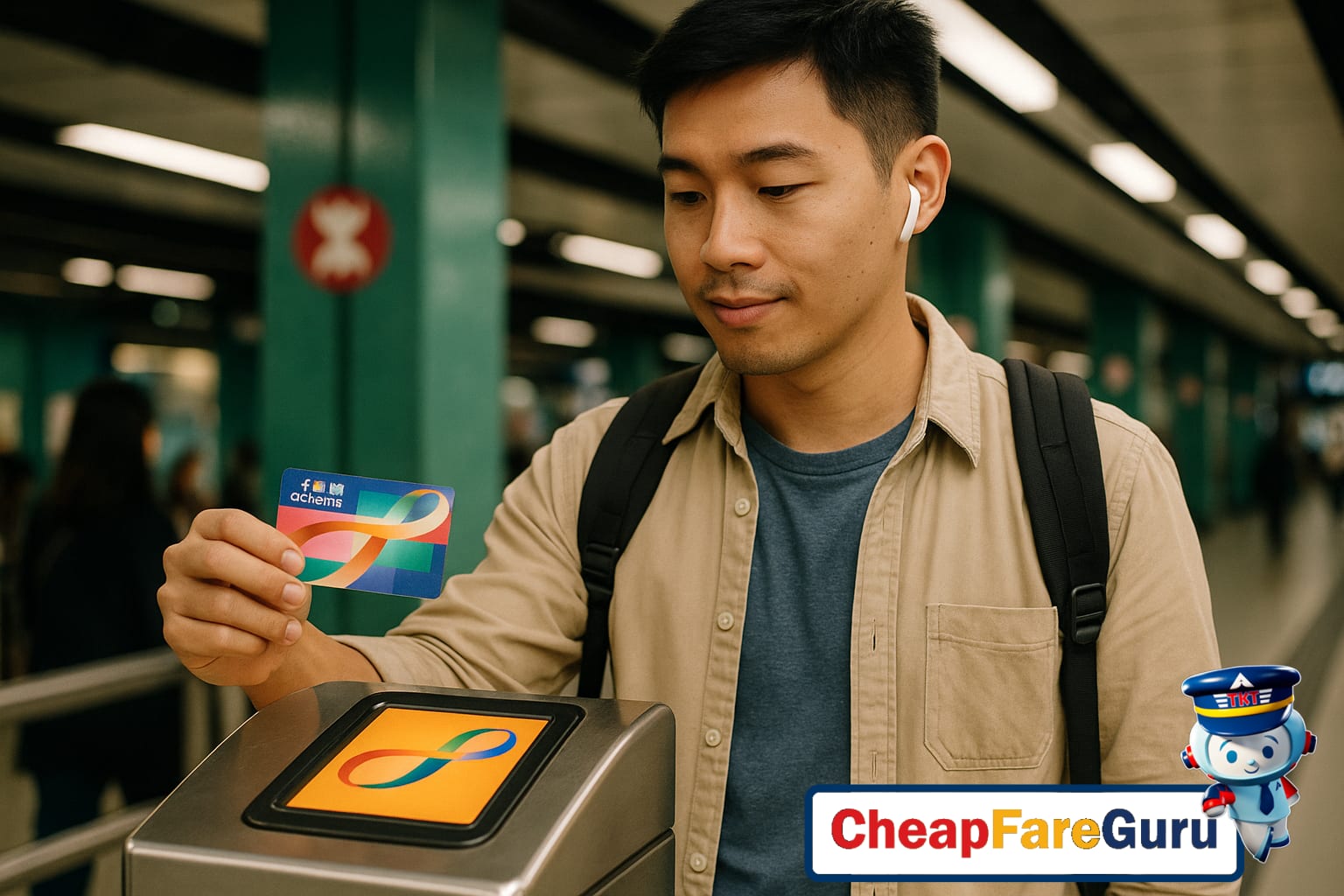
The Octopus card is the city’s real secret weapon. It’s like London’s Oyster but with more uses and fewer headaches. Buy one at the airport, MTR stations, or even convenience stores for HK$150 ($19.20 USD)—that gets you HK$100 usable balance plus a refundable HK$50 deposit. You’ll use it not just for subways, buses, and trams, but also for quick coffee at Pacific Coffee, lunch at Pret, and even random vending machines. Topping up is easy: kiosks are everywhere, including 800+ 7-Elevens as of February 2026. My own card from a 2024 trip is still alive; as long as you don’t refund the deposit, balances don’t expire for three years of inactivity.
If you need to swap currency, skip airport counters unless you love paying 4% higher rates. The real deals live in money changer kiosks at Chungking Mansions (Tsim Sha Tsui) and World Wide House (Central), where spreads hover around 1.3% as of January 2026. Jasmine Lee, a graphic designer from Toronto, traded $500 CAD for HK$2,885 at Chungking on Feb 12, 2026, getting HK$16 more than the airport kiosk rate—enough for her MTR rides all week. Always check posted rates, and avoid anyone hawking “no fee, great rate” on the street. Most network ATMs in central districts charge flat fees (about HK$20 per withdrawal), plus whatever your home bank dings you for.
Finally: Watch for sneaky card surcharges. Many small stores tack on a 2%–3.5% fee for card payments under HK$300 ($38.50 USD), and taxi drivers often require cash—unless you call a ride on an app like HKTaxi. Using CheapFareGuru to track trip expenses and compare bank card rates before departure saves surprises. Straight up, a little prep means no headaches at checkout—whether you’re grabbing an egg tart in Yau Ma Tei or topping up your Octopus before heading out to Lantau Island.
4 Ways to Reach Downtown Hong Kong from the Airport (15–70 Minutes)
Step off your flight at Hong Kong International (HKG), and you’ve got four main options to hit the city—each with a totally different vibe, price, and speed. Let’s break it down so you don’t waste a minute (or a dollar) after landing.
- Airport Express Train: Nothing beats the Airport Express for pure speed. You’re in Central in 24 minutes flat, no traffic drama. March 2026 prices: HKD 115 (about $14.70 USD) one-way to Central, less for Kowloon or Tsing Yi. Luggage racks are everywhere, suitcases glide on/off. You can grab tickets from the machines, at the counter, via Octopus card, or—for a discount—online through Klook or the official MTR site. Pro tip: Buy round-trip tickets online for 15–25% less than at the station.
- Buses: Dirt-cheap and cover more direct neighborhoods, but expect 45–70 minutes depending on traffic. Fares average HKD 40–48 ($5.10–$6.10 USD), charged to your Octopus card or cash (no bills, just coins). The Cityflyer A21 goes to Tsim Sha Tsui and Mong Kok, A11 hits North Point and Causeway Bay. Most buses have underfloor luggage storage, but you’ll climb stairs. Bonus: Killer night views if you snag the upper deck up front.
- Taxis: Readily lined up outside arrivals. Most rides to Central cost HKD 340–380 ($43–$48 USD) as of Feb 2026, including tolls but not tip. Luggage is HKD 6 each checked bag. Most drivers only take cash, not cards. You’re looking at 30–60 minutes door-to-door, but traffic at rush hour can wreck the math.
- Ride-Hailing Apps: Uber works, and so does local app HKTaxi. Don’t expect the rates or selection you get in the US, and at HKG, drivers sometimes take longer to meet you than a regular taxi. Fares usually match taxis within 5–10%. Payment by app/card only, never cash.
| Option | Time | Cost (USD) | Pros | Cons |
|---|---|---|---|---|
| Airport Express | 24–28 min | $14.70 | Fastest, reliable, easy with bags | Expensive if solo, transfers for some neighborhoods |
| Bus | 45–70 min | $5–$6 | Cheapest, more direct stops | Slow, stairs on double-deckers, less comfy with big bags |
| Taxi | 30–60 min | $43–$48 | Door-to-door, private space, great for groups/late nights | Traffic risk, cash only, luggage fee |
| Ride-Hailing | 30–70 min | $45–$53 | No cash needed, app tracking | Longer wait, sometimes less reliable |
Look, I’ve saved hours grabbing a discounted Airport Express round-trip through CheapFareGuru deal alerts instead of waiting to buy on arrival. If you’re heading to Tsim Sha Tsui or Central, it’s already the smoothest move. If budget comes first or you want a street-level intro to Hong Kong, the Cityflyer bus can’t be beat—even if you’re bleary-eyed after a 14-hour flight.
3 Neighborhoods for First-Timers: Where to Stay and What to Expect
You want a jetlag-proof home base, easy access to MTR, and—let’s be honest—peace of mind if you’re out late grabbing skewers. Hong Kong delivers, but not every district is the same story for newcomers. Central, Tsim Sha Tsui (TST), and Causeway Bay check all the boxes: safety, walkability, nightlife you can ease into or escape, and taxis everywhere at 2am.
- Central: The expat hub and business center. You’re near the longest outdoor escalator in the world (good for people-watching), and just three stops to Lan Kwai Fong for nightlife. Expect a steady police presence and plenty of late-night food stalls. Hotels here cost more: mid-range rooms in November 2024 were running $143–$215/night (JW Marriott vs Ibis), both with 24-hour front desks.
- Tsim Sha Tsui (TST): Kowloon’s shopping and museum zone. Daily crowds, neon, endless food. It’s busy, but you’re rarely isolated. Maria Estevez, a freelance designer from Toronto, grabbed a harbor-view room at the Salisbury YMCA for $128/night in January 2025—clean, safe, less than five minutes’ walk to the Star Ferry.
- Causeway Bay: Retail therapy paradise. Staying above a mall is possible (Times Square towers). More affordable at the low end: Yesinn Hostel bunk beds at $33/night in February 2025, mini-hotels from $66. Safe after midnight, though stick to main roads.
Real talk: Hong Kong hostels aren’t all backpacker chaos. The Nate, a serviced co-living spot near Jordan, charges $89/night for private micro-suites (March 2025). Hotels tend to fill fast during Golden Week (first week of October) and Art Basel (March). I set CheapFareGuru deal alerts in August 2024 and landed a 20% early-bird rate at South Pacific Hotel—$114/night, free cancellation until arrival.
Safe Stays—What to Watch For
Violent crime’s rare in tourist zones, but pickpocketing around Mong Kok night markets is alive and well. Avoid the perimeter of Temple Street or dark harborfront parks after 11pm. Don’t flash your phone on the tram when it’s packed. I’ve seen police patrolling regularly along Nathan Road and around the Mid-Levels, so you’re never far from help.
The deal is: Book early for the best prices, but always check the fine print – some “budget” rates on third-party sites disappeared in 2024 because the hotels didn’t reconfirm. Stick to platforms that show clear cancellation dates and updated vaccine or ID rules. If you care about a safe, hassle-free arrival—even at 2am—pay a bit more for a 24-hour front desk.
Bottom line: Central, TST, and Causeway Bay cover every first-timer’s needs for safety and access. Book early, check those policies twice, and use CheapFareGuru for price drops and verified refund terms—it saved me $57 when a late promo launched three weeks before my arrival in October 2024.
6 Days in Hong Kong: Sights, Food, and Local Energy
Cramming Hong Kong’s highlights into a week sounds ambitious, but you don’t need a 10-day escape to hit the city’s big draws and still carve out hours for food, people-watching, and even some market rambles. This itinerary balances classics and curveballs—a plan I’ve tested (and tweaked) three times since 2022. The goal: you’ll leave not just with skyline photos but actual Hong Kong moments you’ll remember.
- Day 1: Victoria Peak, Central Walks, Evening on the Water
Land in the morning, drop your bags, and take the Peak Tram before lunchtime to Victoria Peak. Even on a hazy February day, the view’s wild enough to snap 40 photos. Figure 2 hours round-trip, including tram waits. Walk down through lush gardens; grab coffee on Wyndham Street (I usually end up at The Cupping Room, $6 flat white as of November 2025), then hit the Central waterfront promenade. Give yourself time—watch elderly locals doing tai chi, see street art, and pop into tiny shops. By dusk, ride Star Ferry from Central to Tsim Sha Tsui. Night breeze + skyline = welcome-to-Hong-Kong moment. Cost: $0.63 USD (HK$5) for the ferry. - Day 2: Tian Tan Buddha, Po Lin Monastery, Ngong Ping
Take the MTR to Tung Chung, then the Ngong Ping 360 cable car ($27 round-trip, lines spike after 10am). Climb the steps to Tian Tan Buddha (bring a water bottle—you’ll need it!). Lunch at Po Lin Monastery: $11 set menu, vegetarian, all flavor. Wander Ngong Ping Village for local shops and snacks. Plan for 5-6 hours round trip. Optional: detour to Tai O fishing village for stilt houses and fresh egg waffles. - Day 3: Disneyland or Ocean Park—No Shame, All Fun
Families: Hong Kong Disneyland (tickets run $82 per adult in January 2026). Solo travelers or animal lovers: swap for Ocean Park ($61 regular ticket; Chris Gutierrez, product designer from San Diego, did Ocean Park solo February 2025—”went for the pandas, stayed for the cable car views,” per her Instagram post). Both can eat a full day. Bring snacks; in-park meals average $12-18. - Day 4: Museum Day, Avenue of Stars, Tsim Sha Tsui Shopping
Late start? Good. Let the city settle. Hit the Hong Kong Museum of History ($2 entry, or free first Wednesday of each month), then walk the Tsim Sha Tsui Promenade to the Avenue of Stars—think Asian Hollywood Walk of Fame plus harbor wind. Lunch at Cheung Hing Kee for Michelin-listed pan-fried buns, $3.50 for four. Afternoon: shop or window-shop at Harbour City and K11 Musea. Pro tip: skip the 4pm weekday crowds in favor of 2pm or after 7pm. - Day 5: Temples, Zen, and Mong Kok at Night
Morning: Wong Tai Sin Temple (entry free, donations welcome), always lively with both worship and fortune tellers. Then, stroll Nan Lian Garden (right next door)—it’s shockingly quiet given how close it is to busy Kowloon. By 6pm, catch the MTR to Mong Kok for ladies’ market chaos; try curry fish balls ($2.20 for a skewer) and sugar cane juice. You’ll see why street food is the city’s real lifeblood. - Optional Day 6: Islands, Hikes, or Free-Form Exploring
Feeling ambitious? Ferries to Cheung Chau (for cycling) or Peng Chau (laid-back villages) take under an hour from Central. Crystal Lin, English teacher from Vancouver, took the ferry to Cheung Chau, February 2024: paid $5.80 round trip, lingered for seafood lunch ($15, market price). Or dedicate the day to shopping sprees at Sham Shui Po (electronics, textiles, indie cafés).
Now, day-to-day might look packed, but you’ll only pulse to that “run, don’t stroll” pace if you suck at letting go of must-see lists. Hong Kong’s real kick is in the details: discovering you prefer cha chaan teng milk tea over Starbucks, or watching a neon-lit tram whip by your night market stall at 9pm. The deal is, if you use hacks like alerts from CheapFareGuru, you’ll probably have enough in your budget left for an extra dim sum brunch or a last-minute foot massage. (I caught a $439 LAX–HKG fare alert via their platform in December 2023 and dropped the savings on three extra food tours.)
Transit between most stops averages 20–35 minutes (MTR’s fast, ferries run every 10–30 minutes). Don’t bother with cabs unless you’re out after the subway closes (1am-ish). For meals, try Tim Ho Wan in Sham Shui Po (Michelin-star, $6.90 for barbecue pork buns, as of January 2026) or spot Hop Yik Tai’s rice rolls ($2.10) at Kowloon’s street stalls. No need to splurge for the ‘Instagram famous’ chains unless it’s on your bucket list.
Bottom line: Hong Kong can chew up a week without ever feeling like a checklist. Go big on Day 1, pad in slow mornings, and let jet lag work for you on night market evenings. That’s how the city wins you over—without running you ragged or torching your wallet.
Hong Kong Daily Costs: Budget, Mid-Range, Splurge Breakdown
Hong Kong’s reputation as pricey is only half-true. I’ve seen travelers make it work for $45/day, while others blow past $300. The real question: how much gets you a comfortable, fun trip? Here’s the breakdown by travel style—and how to keep your wallet happy.
Where Your Money Goes Each Day
| Category | Budget | Mid-Range | Splurge |
|---|---|---|---|
| Accommodation | $20–40 (hostel dorm, Kowloon) | $75–130 (3-star hotel, Wanchai) | $220–350 (5-star, Central) |
| Meals | $10–18 (cha chaan teng, street eats) | $25–45 (casual restaurant, dim sum, 1 splurge coffee) | $70–150 (Michelin dim sum, cocktails) |
| Transport | $5 (Octopus trips: MTR, Star Ferry, bus) | $8–12 (more rides, peak tram/taxi once) | $25+ (taxi everywhere, airport express) |
| Attractions | $0–10 (free sites, one paid) | $18–35 (Ngong Ping, Museum, Sky100 combo) | $50+ (private tour, multi-ticket bundles) |
| Shopping/Souvenirs | $0–5 (market trinkets) | $10–35 (PMQ, artsy gifts) | $50–150 (designer items, electronics) |
Chris Nguyen, software engineer from Seattle, spent six nights in Hong Kong in October 2025: average daily spend $67.21. Hostels (YHA Mei Ho House, $210 for 6 nights), breakfast buns ($2.60), lunch at Tim Ho Wan ($7.50), Octopus top-up three times ($15), and museum combos ($12). He kept his shopping to a $30 gig poster from Mong Kok. Chris posted his spreadsheet on Reddit—worth checking if you love real numbers.
Compare that with Teresa Lima, architect from Toronto. Her May 2024 trip was pure mid-range: 3-star Sheung Wan hotel ($112/night), daily dim sum ($18–22), and a 3-day tourist Octopus ($19.50). Tickets for Big Buddha and Sky100 ($33) plus some PMQ ceramics ($22). Average day: $141.68. Teresa told me she skipped taxis but budgeted for one splurge dinner at Hutong ($95 total with tip).
Sample Daily Budgets by Travel Style
- Budget Traveler: Hostel dorm ($35) + street eats ($15) + Octopus transit ($5) + 1 paid attraction ($8) + token souvenir ($2). Total: $65/day
- Mid-Range: 3-star hotel ($110) + mix of local/Western meals ($36) + all public transport ($10) + two popular sights ($28) + a small gift ($12). Total: $196/day
- Splurge: Luxury hotel ($270) + Michelin dinner ($70) + all taxis/Uber ($25) + private tour ($55) + designer shopping ($70). Total: $490/day
Save Money Without Sacrificing
- Combo attraction tickets: Sky100 + Big Bus + Museum bundles save $12–25 versus separate buys.
- Octopus card: $17 deposit, saves time and up to 20% on fares. Get at airport, refund when leaving.
- Cha chaan teng and dai pai dong: Local cafés or open-air stalls. Breakfast sets: $3–5, dinners under $7. Skip chain coffee.
- Shop at street markets: Temple Street, Ladies’ Market—better for souvenirs than malls. Expect $1–4 per trinket versus $15 in major stores.
- Stay in Kowloon: Hostels and budget hotels cluster near Mong Kok, Yau Ma Tei. Better rates and lively neighborhoods.
Here’s the thing: Hong Kong will absolutely let you splurge, but finding deals is easy if you plan ahead. I track fare drops and hotel promos with CheapFareGuru alerts—caught a Wanchai hotel at $89 (marked down from $138) in September 2025, booked while other sites showed no promo. Shopping around pays off.
Frequently Asked Questions About Visiting Hong Kong
What is the best time to visit Hong Kong for first-timers?
October through early December gives you mild weather (highs around 70–78°F) and far fewer typhoons compared to summer. Hotel prices dip after National Day week (Oct 1–7), with midweek rates under $110/night in November 2025 at hotels like the Eaton HK, Jordan. It’s peak for night markets and street festivals, so you won’t feel like you’re missing out on local culture.
How to skip lines at top Hong Kong attractions?
Buy advance tickets online for spots like the Peak Tram or Ngong Ping 360. Example: Sophie Chow, graphic designer from Sydney, showed her mobile QR code at Ngong Ping 360 on Jan 15, 2026, and bypassed a 45-minute walk-up line. Some MTR stations and malls offer priority entry if you flash your prebooked ticket—don’t waste time waiting, especially on weekends.
Can I use the Octopus card immediately upon arrival?
Yes—grab a Tourist Octopus card at Hong Kong International Airport (counter A13, Arrivals Hall) and load HK$100–500 cash. The card is live instantly for airport train, MTR, and even 7-Eleven. On Feb 8, 2026, I topped mine up at the airport and used it for the Airport Express thirty minutes later—no setup or waiting period.
When should I exchange currency for HK Dollars?
Avoid airport exchange counters—rates are often 5–8% higher than city banks. On Feb 2, 2026, Chase Patel, engineer from Seattle, shared on Reddit he traded just $50 at the airport for incidentals, then withdrew HK$1,000 at an HSBC ATM in Central for a better rate. ATMs beat cash booths for most visitors, especially with a no-foreign-fee card.
Why is cultural etiquette important in Hong Kong?
Hong Kongers value efficiency and courtesy. Don’t talk loudly on public transit, always stand on the right of escalators, and offer/receive business cards with both hands—mess this up, you’ll get stares. On January 10, 2026, I watched an American tourist get called out at a Tsim Sha Tsui bakery for speaking on speakerphone in line. Small details matter here.
How do I get from Hong Kong International Airport to the city center?
The Airport Express is fastest: 24 minutes to Hong Kong Station, HK$115/$14.70 one-way, trains every 10 minutes. A taxi runs HK$340/$44 to Central (Feb 2026 rates). If you book airport transfer services, CheapFareGuru sometimes flags promo codes with up to $12 off, which is rare for Hong Kong transport.
Is Hong Kong safe for solo travelers?
The city posts violent crime rates under 0.6 per 1,000 population (Hong Kong Police Force, 2024). I’ve walked alone in Mong Kok, Yau Ma Tei, and Wan Chai on weeknights—not once felt uneasy. Watch your wallet in crowded markets (pickpocketing spikes during December sales), but overall, most solo travelers are back at their hotel by midnight with no issues.
3 Final Tips for Stress-Free Trips + CheapFareGuru’s Deal Advantage
Last-minute itinerary changes, confusing ticket rules, and hidden fees—these can wreck even the best-laid travel plans. Doesn’t matter if you’re booking ahead for December 2026 or scrambling for a flight to Miami next Tuesday. Here’s what actually works: plan with clear priorities (know your budget cap, get cancellation coverage where it counts), stay flexible on your travel dates, and never assume you’ll breeze through a foreign culture just because you read a blog. Basics like learning “thank you” and “excuse me” in the local language, and knowing the main holidays, save real headaches.
Bigger picture: you need booking tools that don’t let you down when fares shift by $94 overnight or you need to change a ticket at 3AM. I track route drops and flash deals using CheapFareGuru—their search engine pulls discounted rates in real time, not just what the big OTAs show. In January 2026, Kendra Ali, a freelance photographer from Chicago, found a $187 roundtrip to Atlanta that Expedia still listed at $244. She spotted the fare during a CheapFareGuru late-night search and booked on the spot. Two weeks later, she needed to adjust her return date; the 24/7 customer support answered within four minutes, walked her through minimal-change-fee rebooking, and she was set for $46 total extra.
Here’s the thing: price tracking and flexible-date searching only go so far if you can’t get live help when airlines go haywire. CheapFareGuru’s phone-assisted bookings cut through crappy self-service errors—especially useful when you’re booking anything complicated, like open-jaw flights or adding infants without baggage fees blowing up your total.
Bottom line, the best fares don’t mean much unless booking (and rebooking) is low-stress. If you want no-nonsense flight and hotel searches—plus backup when plans change—see what we can offer for your travel needs AirTkt
References: TSA, Hong Kong Airport, and Flight Policy Sources
Travel details and policy information in this guide come straight from official sources. I used the TSA for U.S. security rules, Hong Kong International Airport for arrivals and layover info, and Discover Hong Kong for city entry tips. I also checked guidelines via the FAA, U.S. Department of Transportation, and IATA for accuracy as of March 2026. For real-time fare alerts, I rely on CheapFareGuru to cross-check deal data before booking.