
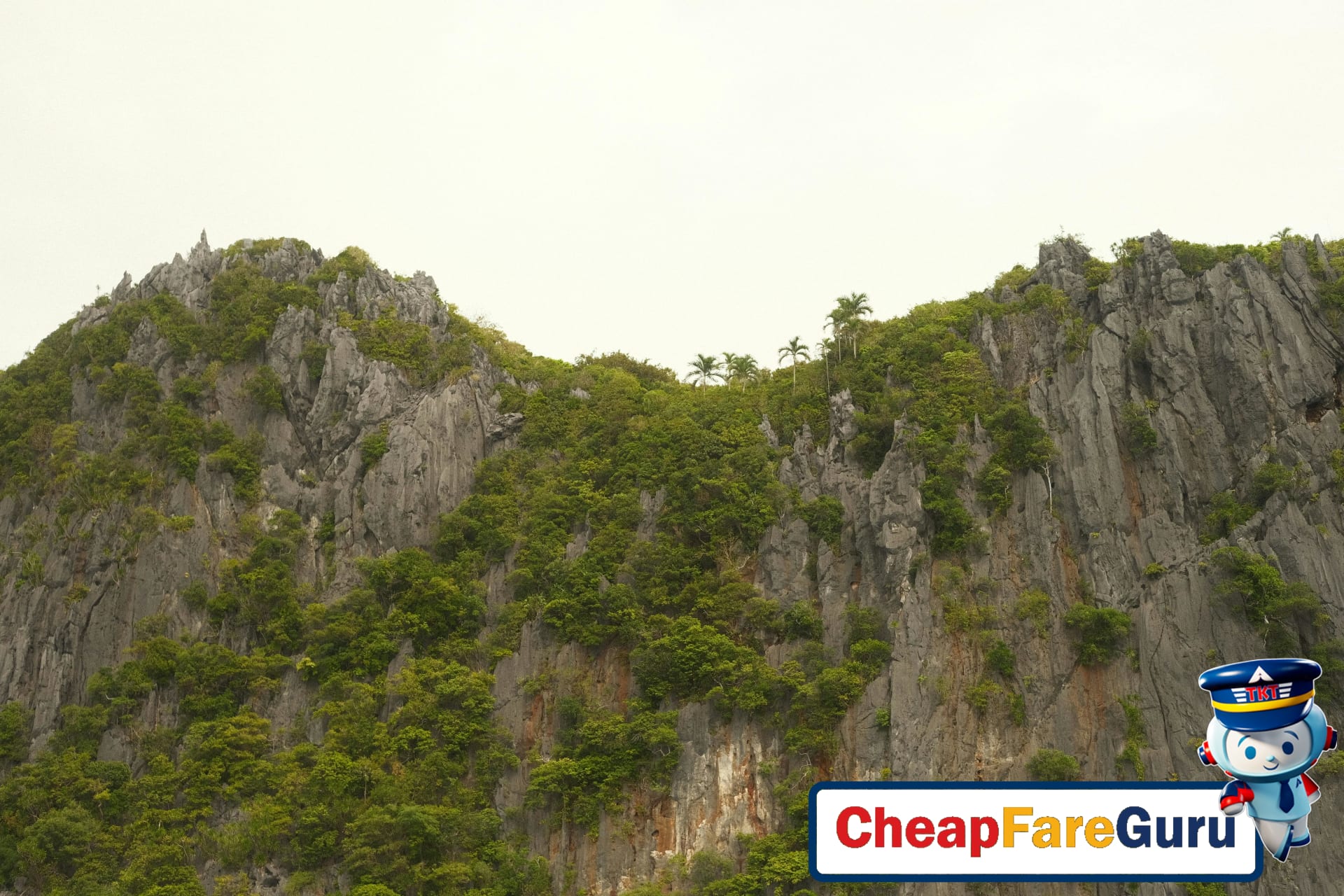
Why Visit the Philippines’ Islands

The Philippines is a true beach lover’s paradise, made up of more than 7,000 islands scattered across the Pacific. Each island has its own personality, from dramatic limestone cliffs and hidden lagoons to volcanic peaks and stretches of powdery white sand. I’ll never forget my first impression stepping off the boat onto a palm-fringed beach—the water was so clear, it looked unreal.
Nature here is the star of the show. You’ll find some of the world’s top diving sites, vibrant coral reefs, and wild biodiversity both above and below the waves. Island-hopping means discovering everything from sleepy fishing villages to bustling towns with colorful markets and lively festivals. The local culture is just as vibrant, with a blend of Spanish, American, and indigenous influences reflected in the food, music, and warm hospitality. Filipino cuisine—think grilled seafood, tangy adobo, and sweet halo-halo—is worth the trip alone.
Whether you’re traveling as a couple seeking romance, a family looking for easygoing fun, or a solo adventurer chasing new experiences, the Philippines offers something for every style. If you’re curious about what to pack for island life, find out more about tropical island packing essentials. For even more inspiration, check out the Philippines Department of Tourism website.
Choosing Your Perfect Island Destination

With over 7,000 islands, the Philippines has a destination for every type of traveler. Here’s a quick snapshot of the top islands and what makes each one unique, so you can match your travel style to the right spot.
Palawan: Nature and Tranquility
Palawan is famous for its dramatic limestone cliffs, hidden lagoons, and crystal-clear water. If you crave unspoiled nature, island-hopping, and quiet coves, Palawan is your paradise. I was genuinely surprised by how untouched some beaches still feel, especially around El Nido.
Boracay: Parties and White Sand
Boracay’s White Beach is legendary—soft sand, lively bars, and vibrant nightlife. It’s the go-to for social travelers who want to mix relaxation with parties and water sports. Expect a more energetic vibe, especially after sunset.
Cebu: Culture and Adventure
Cebu combines city comforts, historical sites, and easy access to diving spots and waterfalls. You can snorkel with whale sharks, explore Spanish-era churches, and enjoy great food. It’s a solid pick for travelers who want variety in one place.
Siargao: Surf and Chill
Siargao is the surfing capital, but it’s also relaxed, artsy, and full of hidden lagoons. Even if you’re not a surfer, you’ll appreciate the laid-back cafés and beautiful island scenery.
Bohol: Family-Friendly Exploration
Bohol is known for the Chocolate Hills, tarsiers, and gentle rivers. It’s ideal for families or anyone who likes a slower pace, nature, and easy day trips.
Camiguin: Volcanic Wonders
Camiguin offers hot springs, waterfalls, and volcanic landscapes. It’s less crowded, perfect for those who want somewhere peaceful and off the main tourist trail.
Coron: Wreck Diving and Lagoons
Coron, in northern Palawan, is a diver’s dream with its sunken WWII shipwrecks and surreal blue lakes. If underwater adventure is your thing, Coron is hard to beat.
When choosing your island, consider the season. Most travelers prefer December to May, when the weather is dry and sunny. Typhoon season (June to November) can bring unpredictable storms, so plan accordingly. If you want more seasonal tips, check out this guide to the best times to travel throughout Southeast Asia for broader planning advice.
Top Things To Do On Palawan
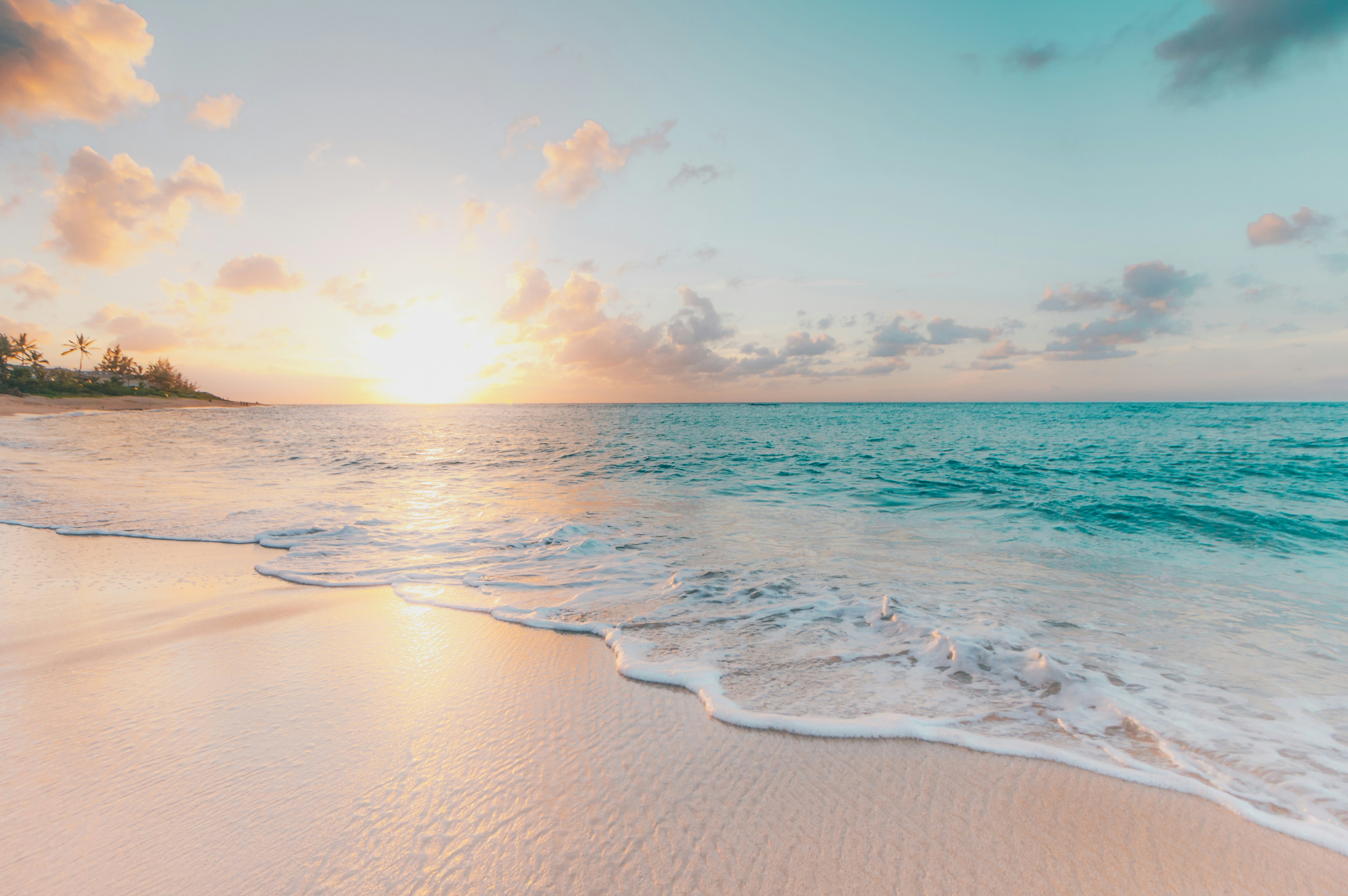
Palawan is famous for its jaw-dropping natural beauty, and there’s no shortage of unforgettable experiences here. El Nido’s Bacuit Archipelago is a must for first-time visitors. Picture yourself weaving by boat through limestone cliffs, stopping at hidden lagoons, and swimming in turquoise water. I found that booking an early morning tour in El Nido really pays off—there are fewer boats, the light is softer, and the lagoons feel peaceful before the crowds arrive.
Another highlight is the Puerto Princesa Underground River, a UNESCO World Heritage Site and one of Southeast Asia’s most unique natural wonders. You’ll glide by paddleboat into a cave system filled with impressive stalactites and echoing chambers. If you’re interested in more remarkable UNESCO destinations, check out our guide to Top UNESCO sites in Southeast Asia for more travel inspiration.
Coron, in the northern part of Palawan, is world-renowned for snorkeling and wreck diving. The sunken Japanese ships from World War II make for eerie, fascinating underwater adventures. Kayangan Lake and Barracuda Lake are also worth a visit for their crystal-clear waters and dramatic limestone scenery. In my experience, hiring a local boat for a day lets you customize your stops and avoid the busiest spots.
Getting Around Palawan
Getting between Palawan’s highlights takes some planning, but it’s manageable. Ferries connect El Nido and Coron, while local vans and buses run between Puerto Princesa and El Nido. Boats are the main way to explore the archipelagos and lakes—just remember, schedules can be weather-dependent, so allow a little flexibility in your plans.
Boracay’s White Beach Experience Guide

White Beach in Boracay is famous for its powdery soft sand and crystal-clear, shallow waters that are perfect for swimming. The beach stretches for nearly four kilometers, making it easy to find your own spot or wander between bustling and quieter sections. What stands out to me is how accessible everything is—cafés, water sports, and sunset bars are all steps from the sand, so you never feel far from the action or relaxation.
If you love water activities, White Beach delivers. Paddle-boarding, sailing on a traditional paraw, and parasailing are all popular here. I still remember the first time I watched the sky turn gold while floating on a paddle board—there’s really nothing like it. For sunset, Station 1 offers a wide, open view, but you’ll want to arrive early to claim a prime spot.
As the sun dips, Boracay’s nightlife comes alive, with beach bars, fire dancers, and live music creating an energetic vibe. Nightlife enthusiasts should check out our Best party beaches in Asia post for more inspiration. Food stalls and seafood grills line the beach, offering everything from local barbecue to fresh mango shakes.
Eco-awareness is now a big part of the White Beach experience. After a major rehabilitation, strict guidelines are in place to protect the sand and water. Before you go, check the latest official Boracay tourism updates for current beach rules and environmental tips.
Must-See Islands Beyond the Mainstream
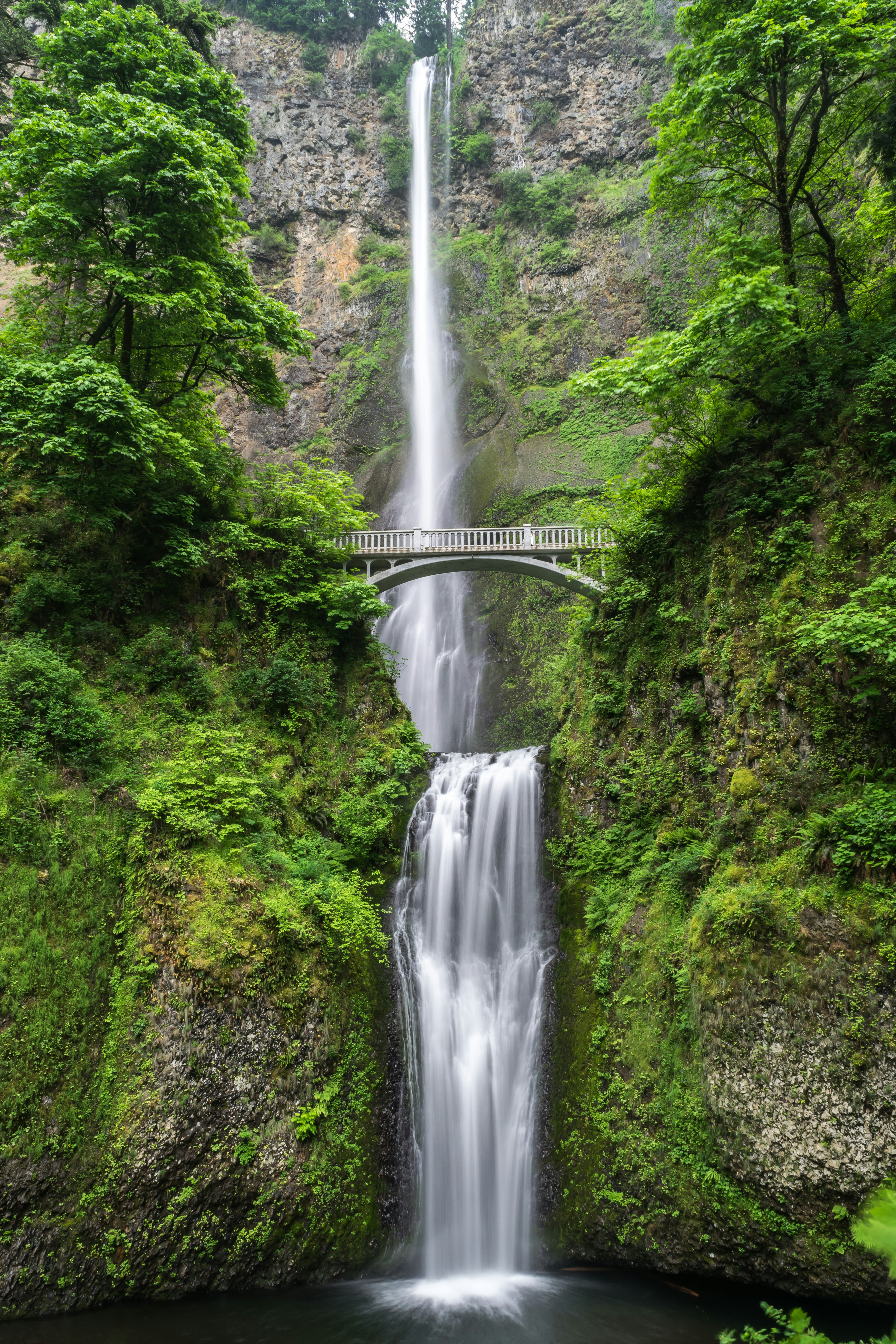
If you’re ready to trade the crowds of Boracay or Palawan for something quieter, the Philippines has plenty of lesser-known islands that deliver serious wow factor. I once spent a few days on Siquijor, and what struck me most was how peaceful the beaches were—sometimes it felt like I had the place to myself.
Siquijor’s Healing Mystique
Siquijor is famous for its blend of white-sand beaches and mystical traditions. You’ll find waterfalls like Cambugahay, natural healing centers, and even firefly-lit evenings. Getting here usually means a ferry from Dumaguete, and exploring by rented scooter is both easy and fun.
Camiguin’s Volcanic Wonders
Camiguin, known as the “Island Born of Fire,” packs in hot springs, the stunning Sunken Cemetery, and the unique White Island sandbar. Ferries from Balingoan (Mindanao) are the main route, and local jeepneys or motorcycle taxis make island travel straightforward.
Bantayan’s Quiet Sandbars
Bantayan Island, off northern Cebu, boasts long stretches of tranquil sand and crystal-clear shallows. It’s perfect for lazy afternoons or exploring hidden coves. Ferries run from Hagnaya Port, and tricycles are the go-to for getting around once you arrive.
If you want more details on routes and schedules, check out this Guide to inter-island ferries in the Philippines for practical planning.
The Philippines Beach Budget Table
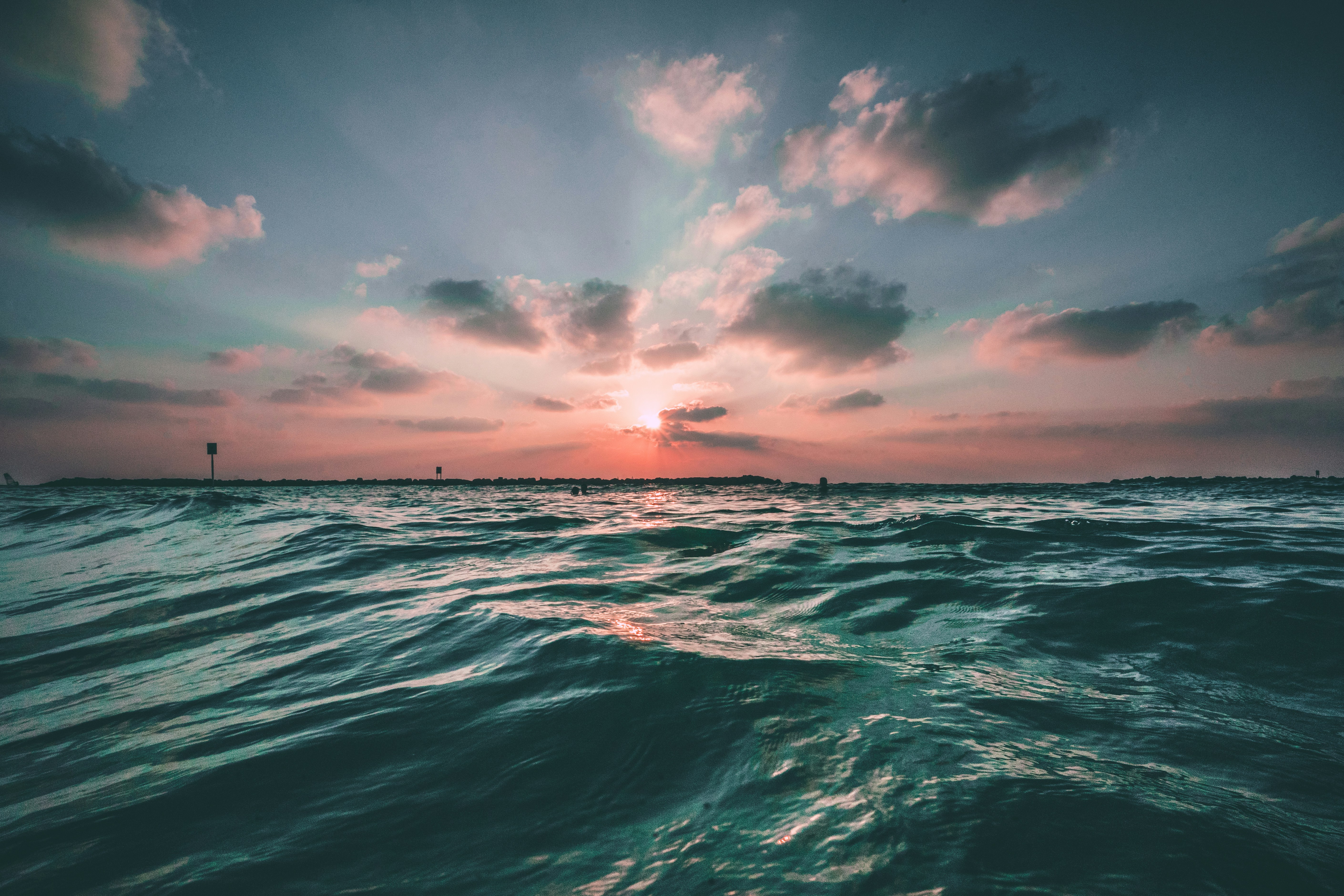
Planning a beach getaway in the Philippines can be surprisingly affordable, but your overall cost will depend on your travel style. Whether you’re stretching every dollar or splurging for a bit of luxury, it helps to know what to expect for accommodation, food, transport, and activities. I once underestimated how much local transfers would add up during island hopping—so now I always pad my budget for unexpected ferries or taxis.
For those watching their wallets, the Philippines is most budget-friendly during the shoulder and low seasons, typically from June to early October and late January to March. Visiting outside major holidays and peak dry months means you’ll find lower hotel rates and less crowded beaches. If you want to dig deeper into flight savings, check out our guide on how to find flight deals to Asia for practical booking strategies.
| Budget | Mid-range | Luxury | |
|---|---|---|---|
| Accommodation | $18.00 | $55.00 | $190.00 |
| Food | $7.00 | $22.00 | $60.00 |
| Transport | $10.00 | $25.00 | $80.00 |
| Activities | $12.00 | $35.00 | $100.00 |
Planning Logistics and Tips for Travelers

Most international travelers arrive in the Philippines via Ninoy Aquino International Airport (Manila), Mactan-Cebu International Airport, or Clark International Airport, each offering different advantages depending on your itinerary. If you’re planning to visit multiple islands, domestic flights are often the fastest way to hop between Luzon, Visayas, and Mindanao. In my experience, booking internal flights early is key—last-minute fares can jump unexpectedly, and some routes fill quickly during local holidays.
For shorter island hops, ferries are a common choice, but schedules can change due to weather. I always double-check ferry times on official sites like Philippines.travel before finalizing plans. Within cities and towns, jeepneys and tricycles are the main forms of local transport. These rides are affordable and give you a real taste of local life, but always confirm the fare before hopping in to avoid misunderstandings.
Booking domestic flights through platforms like cheapfareguru.com can help you spot deals, but be cautious—make sure you enter names exactly as they appear on your passport to avoid costly changes. For airport transfers and city rides, I’d recommend using the Grab app, which is widely used in the Philippines and helps cut down on haggling or potential scams. If you want more tips on staying scam-free, check out our guide on Avoiding tourist scams in Southeast Asia.
Staying connected is easy—SIM cards are sold at airports and malls. I usually choose a prepaid SIM with data for about $7.00, which covers most short trips. WiFi is common in hotels and cafes, but can be spotty in remote areas. For eco-conscious travel, pack light, bring a refillable water bottle, and avoid single-use plastics when possible. Overpacking and not checking baggage limits are common pitfalls—domestic airlines often have lower allowances than international carriers.
Philippines Island Paradise FAQs Answered
- What’s the best time to visit Philippines beaches?
The dry season, which typically runs from December through May, is when most travelers prefer to visit the Philippines’ island beaches. During these months, you’ll usually find sunny weather and calmer seas, making it easier to enjoy island hopping, snorkeling, and swimming without frequent rain interruptions.
- How do I get between different islands?
Most travelers use domestic flights or ferries to hop between the Philippines’ main islands. I usually recommend checking flight schedules first, since some routes are much faster by air. For shorter distances, local ferries or fast crafts are a practical and budget-friendly option for getting around.
- Are Philippines island beaches safe for swimming?
Generally, popular beaches in the Philippines are safe for swimming, especially in tourist areas where lifeguards or local guides are present. Always pay attention to posted warnings about strong currents or jellyfish, and check with your accommodation about current conditions before heading out for a swim.
- What are some must-pack items for island trips?
Bring lightweight clothing, strong sunscreen, a hat, and insect repellent for comfort on the islands. Waterproof bags are handy for boat rides or sudden rain. Based on my experience, packing reef-safe sunscreen and a reusable water bottle also helps protect the environment and keeps you hydrated during long beach days.
- Do I need a visa for the Philippines?
Many nationalities can enter the Philippines visa-free for short stays, but requirements do change. Before booking, I’d recommend reviewing the latest Philippines travel entry requirements. For a detailed breakdown, check our FAQ post on Philippines travel entry requirements for up-to-date details.
- How much cash should I bring to the islands?
It’s smart to carry some cash for small purchases, local boat rides, and markets, since card acceptance can be limited on remote islands. Around $50.00 per day is usually enough for meals, local transport, and minor expenses, but bring extra for tours or souvenirs if you plan to splurge.
Last Words on Philippines Beaches
If you’re craving turquoise waters, powdery sand, and a true sense of adventure, the beaches of the Philippines are calling your name. I still remember the feeling of standing on a quiet Palawan shore—just the sound of the waves and a horizon that seemed to stretch forever. There’s always another island to discover, so don’t be afraid to start planning your own escape.