
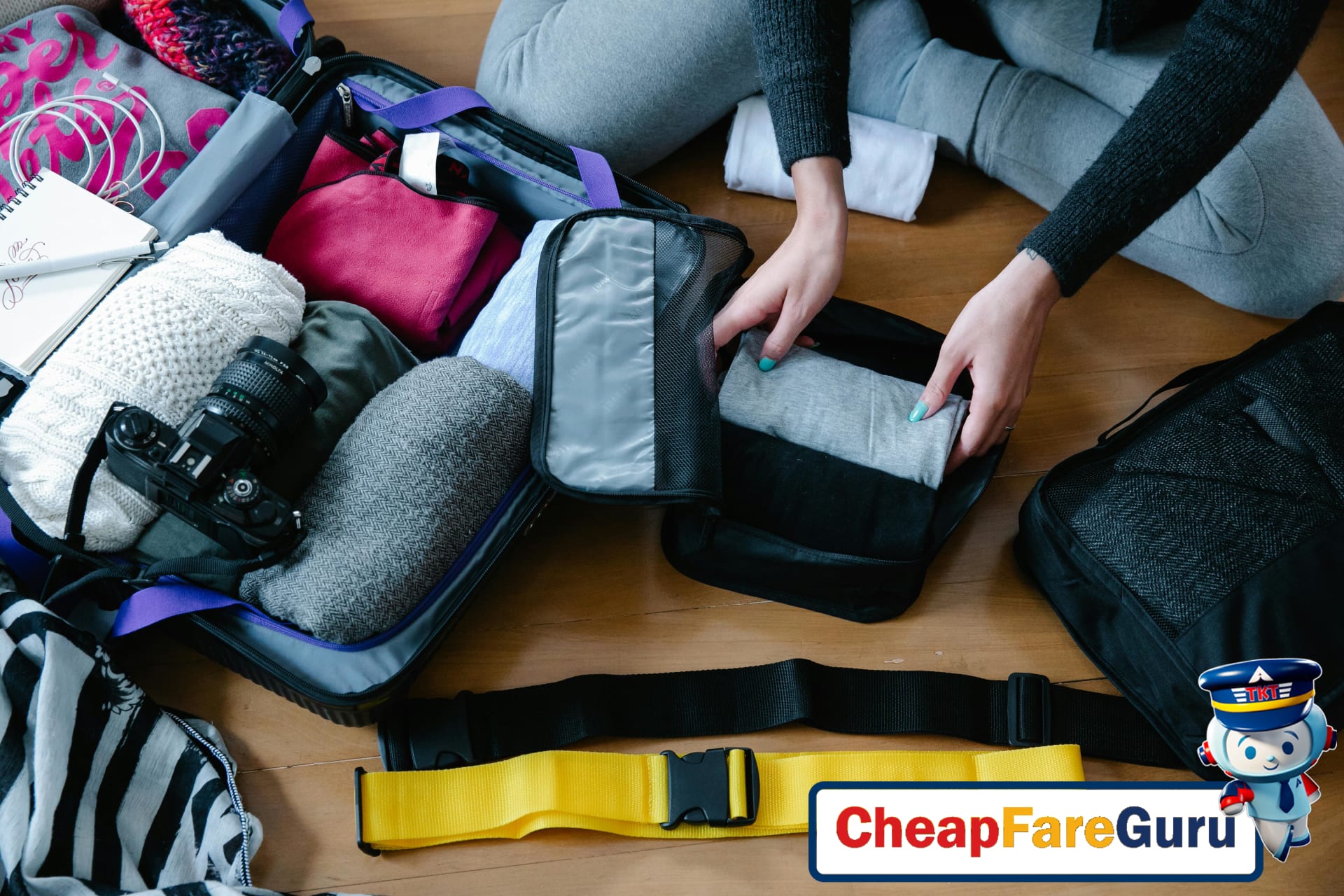
Layering Strategies For Cold Weather
Layering is the foundation of staying warm and comfortable when traveling in winter, whether you’re sightseeing in a chilly city or hiking through snowy countryside. The core idea is simple: wear several thin, specialized layers instead of one bulky coat. This approach lets you adapt to changing conditions, regulate your temperature, and pack more efficiently for your trip.

Understanding The Three Key Layers
Each layer in your system has a distinct job. The base layer sits next to your skin and wicks away sweat—think of merino wool or synthetic tops and long underwear. I learned the hard way on a frigid trip that cotton shirts just trap moisture and make you colder; a proper base layer makes a huge difference. The mid layer provides insulation. Fleece pullovers, lightweight down sweaters, or synthetic puff jackets are all good picks. Finally, the outer layer shields you from wind, rain, and snow. Look for waterproof or windproof shells with taped seams for true protection.
Best Fabrics And Real-World Examples
For base layers, merino wool is a favorite because it’s warm, breathable, and resists odors. Synthetics like polyester also work well and dry quickly. For mid layers, you can’t go wrong with a classic fleece jacket or a packable down sweater. When it comes to outer layers, a waterproof shell (like those from Patagonia or The North Face) will keep you dry. Remember to follow the manufacturer’s care instructions for down clothing to maintain loft and warmth.
Adapting Layers For Different Climates
If you’re heading somewhere with extreme cold, double up on your base or mid layer, and consider insulated pants in addition to your top layers. For milder winters, you might skip the heavy mid layer and just use a light fleece under your shell. The beauty of layering is flexibility—peel off a layer when indoors or if you’re working up a sweat, then add it back when the temperature drops again. I usually recommend packing an extra set of thin base layers for unexpected changes in weather or activity level.
For more tips on packing efficiently, check out our guide on How To Pack A Carry-On For Winter Trips.
Essential Cold Weather Gear Checklist

Packing for a cold-weather trip means thinking through every layer, from your head down to your toes. I’ll admit, the first time I traveled somewhere snowy, I forgot a neck gaiter—my face and neck were freezing, and now it’s always on my list. Here’s a checklist of essential gear you’ll want to double-check before you zip up your suitcase:
- Insulated beanie or hat: Retain body heat and shield your ears from wind.
- Neck gaiter or scarf: Protects your neck and can be pulled up for face coverage.
- Touchscreen gloves: Keep your hands warm and let you use your phone without removing them.
- Thermal base layers: Moisture-wicking tops and bottoms are crucial for warmth and comfort.
- Insulated, waterproof jacket: Look for down or synthetic fill and a windproof shell.
- Mid-layer fleece or sweater: Adds extra insulation and can be removed if you get too warm indoors.
- Packable umbrella: Snow and sleet can be just as wet as rain—this is one item many travelers overlook.
- Waterproof, insulated boots: Prioritize boots with good traction and check if they’re lightweight enough to pack easily. I’d compare a few pairs in-store to test flexibility and sole grip before buying.
- Wool or synthetic socks: Cotton holds moisture, so avoid it. Compression socks are a smart pick for long flights.
- Hand and foot warmers: Disposable or reusable warmers can make a huge difference during outdoor activities or long walks.
- Travel umbrella: A compact, wind-resistant model fits easily in your day bag.
- Moisturizer and lip balm: Cold air dries out your skin quickly.
- Thermal water bottle: Keeps drinks hot or prevents freezing.
Boots: What Matters Most
When picking boots, waterproofing is non-negotiable. Traction is key for icy sidewalks, and I always check the weight since heavy boots can eat up your carry-on allowance. If you’re unsure about what will fit, see our guide to carry-on luggage size and weight for tips on packing bulkier winter gear.
Airport and TSA Tips
Layering is your friend at the airport—bulky coats and boots can be worn instead of packed, saving space. Remember, you’ll need to remove boots at security, so choose a pair with easy zippers or slip-on styles. If you’re traveling somewhere with extreme cold, the CDC recommends monitoring for early signs of hypothermia or frostbite, like numbness or pale skin, and dressing in layers to prevent heat loss.
Space-Saving Packing Tips For Winter
Winter travel means you’re up against bulky coats, heavy sweaters, and boots that take up way too much suitcase space. Over the years, I’ve learned the hard way that simply folding and stacking winter gear leads to a suitcase that barely zips—and a puffy parka that never seems to fit. My go-to solution now is to roll my insulated jacket tightly, then use a compression bag to squeeze out every bit of air. It’s a game-changer for fitting everything in.
Rolling, Compression Bags, Packing Cubes
When it comes to winter clothes, rolling beats folding almost every time. Rolling not only saves space, but also helps reduce wrinkles in thicker fabrics. For even more efficiency, use compression bags for big items like parkas, down vests, and snow pants. These bags let you push out excess air, shrinking your gear to a fraction of its usual size. Packing cubes are also handy for organizing smaller items—think thermal tops, socks, and gloves—so you can grab what you need without unpacking everything.
Wear Your Bulkiest Gear In Transit
If you’re tempted to pack your snow boots or that heavy wool sweater, reconsider. I always wear my bulkiest items on the plane: insulated boots, my thickest sweater, and my winter coat. Planes can get chilly anyway, and this approach leaves much more room in your bag for other essentials. Just remember to layer so you can adjust if you get warm.
Keeping Wet And Dirty Gear Separate
On the return trip, separating damp or dirty winter gear is key. Pack a lightweight, reusable laundry bag or a large zip-top plastic bag for anything that’s wet or muddy. This keeps the rest of your clothes dry and clean, and makes unpacking at home much less of a headache.
If you’re looking to avoid extra baggage fees from overstuffed winter luggage, you might want to check out our Expert Advice On Avoiding Baggage Fees post for more tricks.
Winter Packing Budget Table Breakdown
Packing for a winter trip isn’t just about warmth—it can impact your wallet, too. Bulky coats and boots often mean checked bag fees, and that’s before you even factor in the cost of gear you might need at your destination. I once saved a surprising amount by renting snow pants for a ski trip instead of paying for an extra suitcase. Here’s a closer look at how your packing choices can shape your travel budget, broken down by travel style.

| Budget | Mid-range | Luxury | |
|---|---|---|---|
| Accommodation | $35.00 | $90.00 | $220.00 |
| Food | $12.00 | $35.00 | $75.00 |
| Transport | $8.00 | $30.00 | $80.00 |
| Activities | $15.00 | $45.00 | $120.00 |
What Influences Each Cost
Budget travelers often stick with hostels or guesthouses, eat street food, use public buses, and choose free or low-cost winter activities. Mid-range travelers might book a three-star hotel, dine at casual restaurants, and use taxis or shuttle services. Luxury travelers usually opt for upscale hotels, fine dining, private transfers, and premium guided excursions—including gear rentals or private lessons when needed.
If you’re planning your winter getaway, packing light can help you avoid airline fees and make room for souvenirs. For more savings, check out our guide on How To Find Cheap Winter Flights.
Frequently Asked Winter Packing Questions
- How do I pack for extreme cold without overpacking?
Focus on layering with thin but warm materials. Merino wool base layers, a midweight fleece, and a packable down or synthetic jacket stack well without filling your suitcase. I usually recommend wearing your bulkiest coat and boots on the plane to save space in your bag.
- What’s the lightest way to stay warm in winter?
Choose high-quality base layers made from merino wool or technical synthetics. These trap warmth without bulk. Add a lightweight insulated jacket and a windproof shell. I’ve found that a thin down vest under a shell works better than doubling up heavy sweaters for warmth and weight.
- Are down jackets worth the suitcase space?
Down jackets are worth it for cold, dry destinations because they compress tightly and offer excellent warmth. For wet or unpredictable weather, a synthetic insulated jacket might be a better choice. I always compare destination forecasts before deciding which jacket to pack for my own trips.
- What’s the best carry-on for bulky winter clothing?
Look for a soft-sided carry-on with compression straps. These expand to fit extra layers and can be cinched down. Packing cubes help organize sweaters and accessories. If you need more tips, check out our Ultimate International Packing List for detailed advice.
- Do I need waterproof boots for every winter trip?
Waterproof boots are essential for slushy or wet destinations but not always necessary for dry, cold climates. For city trips with minimal snow, insulated leather boots with a water-resistant spray usually work. Always check your destination’s weather and terrain before deciding which boots to bring.
- How can I avoid baggage fees with winter clothing?
Wear your bulkiest items—think boots, jacket, and thick sweater—on your travel days. Roll or vacuum-pack the rest to save space. In my experience, packing cubes and strategic layering are key to fitting everything into a carry-on and avoiding extra baggage fees on most airlines.
- What’s the best way to dry out wet winter gear?
Remove liners and insoles from boots, stuff them with newspaper, and place gear near a heater or vent if possible. For jackets and gloves, hang them up and use a portable travel fan to speed drying. Avoid direct heat on down or technical fabrics to prevent damage.
Final Thoughts On Packing Smart

Packing for a winter destination doesn’t have to be stressful or bulky. If you focus on layering, choose versatile pieces, and use space-saving tricks like rolling or compression bags, you’ll fit more into your suitcase and stay comfortable wherever you land. In my own routine, I always spread everything out on the bed for a final check—gloves, hat, and those small winter extras are easy to forget!
Taking a few minutes to prep your bag this way can really cut down on last-minute headaches and help you enjoy your trip more. I’d encourage you to give these packing strategies a try the next time you’re heading somewhere cold. And if you need help with booking, cheapfareguru.com is always worth a look for affordable travel options.