
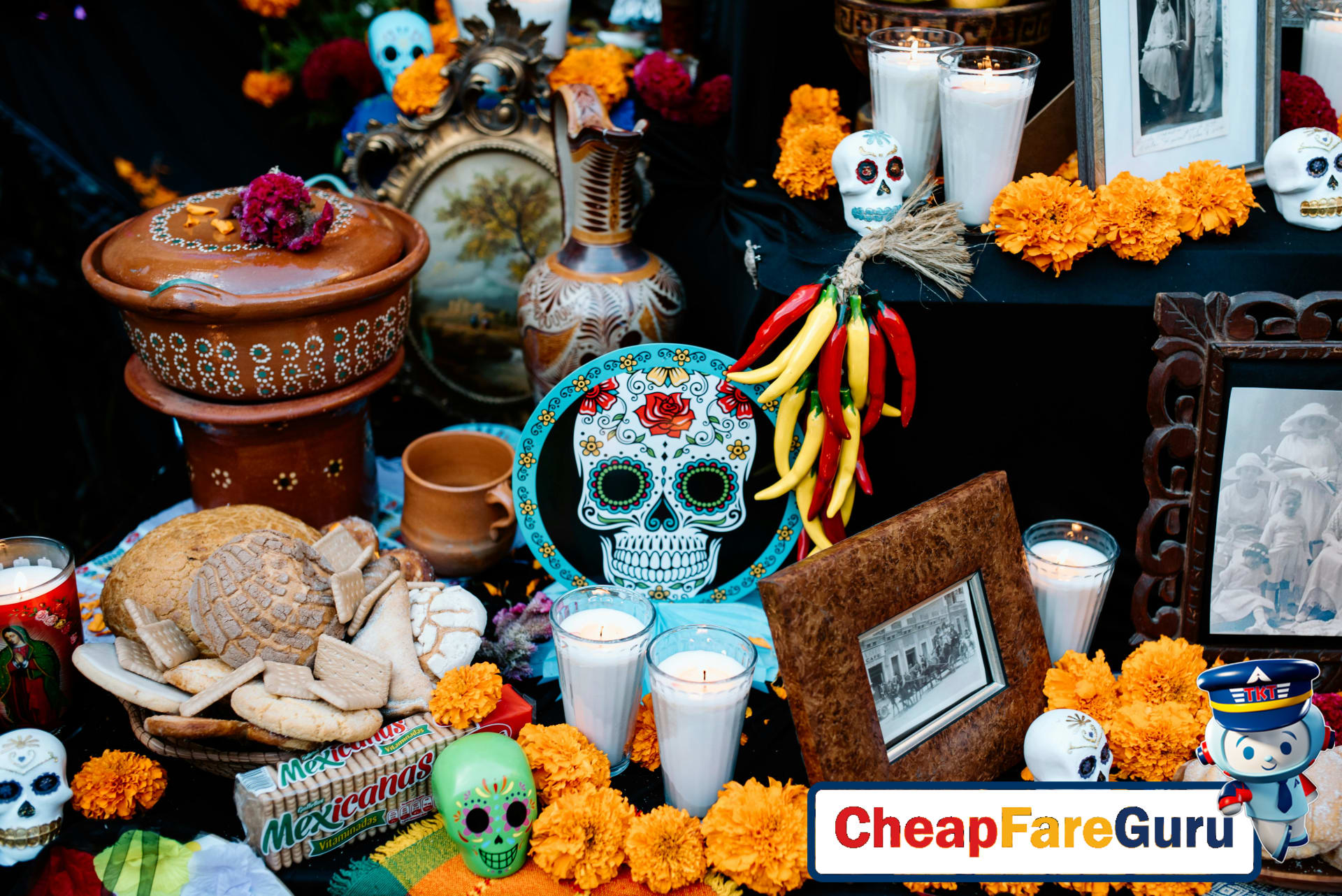
Day of the Dead: Why November Travel Demands Fast Action
Día de Muertos runs officially from October 31 to November 2 every year, with 2024’s main festivals recognized and regulated by Mexican tourism and local governments. This isn’t a quiet holiday—millions of locals and international visitors descend on cities like Mexico City, Oaxaca, and Morelia to honor loved ones, craft altars (ofrendas), and fill the streets with marigold petals. Airlines, hotels, and buses fill up fast: in November 2023, Aeroméxico seats to Oaxaca sold out by October 10, and mid-level hotels in Mexico City jumped from $75 to $145 per night between October 28 and November 3.
If you’re even considering a trip, you’ll want a plan—not just winging it in late October. You’ll avoid heartburn (and sticker shock) later. Here’s what you get from this guide: how to book prime flights and hotels without overpaying, real customs to know (and not just Instagram moments), exactly what belongs in your bag, how to set a realistic budget, and what it feels like to navigate crowds when the whole region is celebrating.
I track price trends through CheapFareGuru and can confirm: Day of the Dead bookings spike a month out. Bottom line? Early action means real savings and no last-minute stress.
6–12 Months Out: Lock in Día de Muertos Flights & Stays Before Prices Surge

The closer you get to November, the harder (and pricier) it’ll be to land a decent seat or hotel near Día de Muertos events. In 2023, flights from Los Angeles to Mexico City jumped from $427 (booked in April) to $778 (booked in October) for November 1–4. Same goes for hotels: rates in Oaxaca Centro averaged $129/night in May, but spiked to $242 by mid-October. The deal is, booking 6–12 months ahead isn’t overkill—it’s basic survival if you want selection and savings.
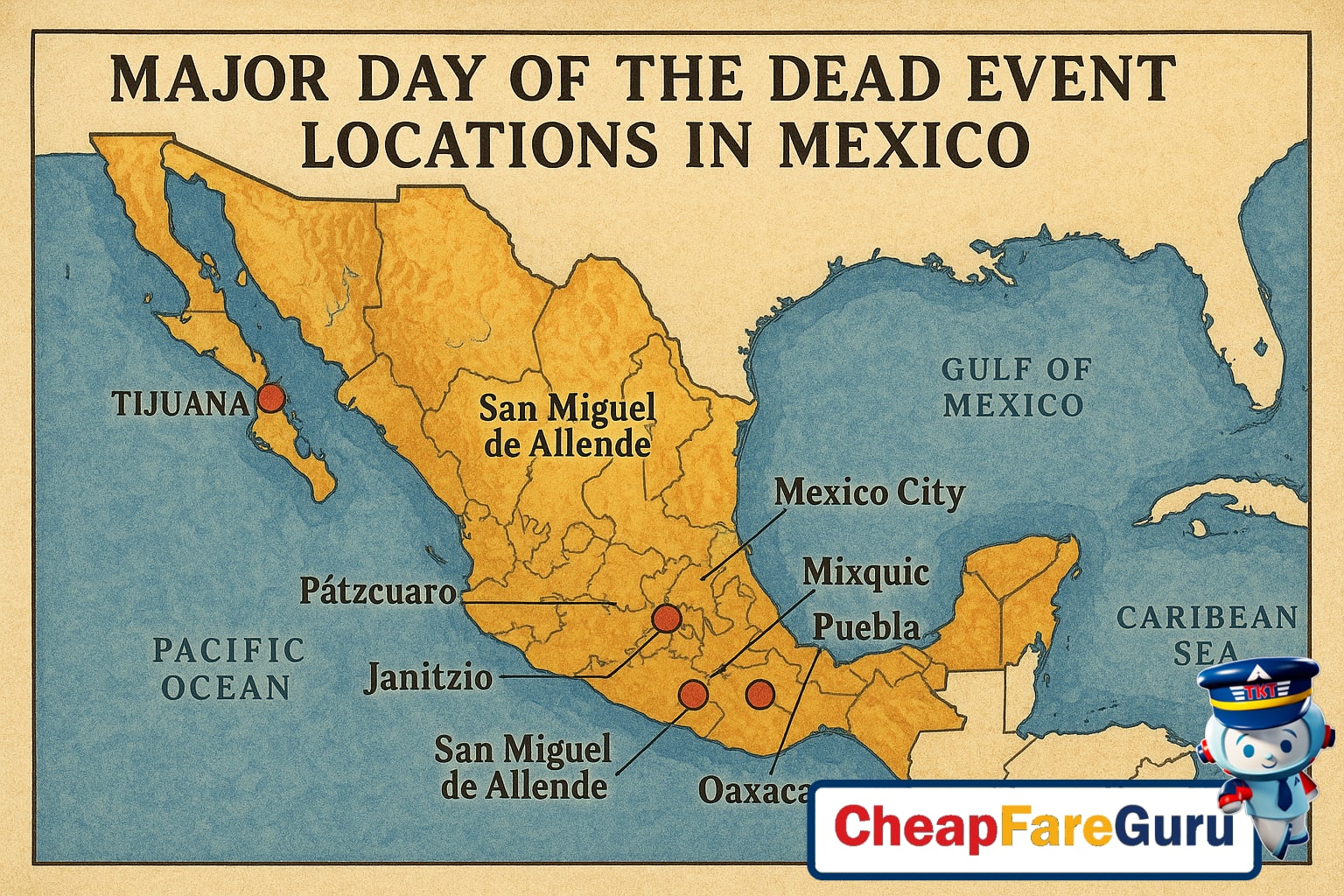
Demand explodes the week leading to Day of the Dead (Nov 1–2), especially in hotspots: Mexico City, Oaxaca, Puebla, Morelia, and Pátzcuaro. In 2022, I watched Airbnb listings in Oaxaca Centro go from 270+ available in February to just 34 left by the last week of September. If you want your pick, settle your itinerary long before skeleton parades hit the streets.
Here’s why I use CheapFareGuru for these bookings: their flexible date tool shows low-fare calendars instead of forcing you into fixed departure dates. Last July, I pulled up a 10-day calendar and found a $192 difference, just by adjusting my return from Nov 5 to Nov 7, flying into Mexico City. The tip: check 2–3 travel date combos before you commit—midweek flights (Tuesday/Wednesday departures) consistently come in $70–$150 lower than weekends.
Should you pay extra for a direct flight, or save with a layover? Let’s look at real numbers. Ana Serrano, an architect from San Jose, booked roundtrip to Oaxaca for Oct 29–Nov 4, 2024: her nonstop Aeromexico fare was $908. She spotted a $538 United itinerary with a 3-hour layover in Houston using CheapFareGuru’s full results grid—$370 less, but she landed at 10pm instead of noon. Look, a direct flight means less stress on arrival, especially if you’re landing in a city where big processions clog the streets; but if your budget’s tight, adding a connection to Mexico City, Puebla, or even Veracruz can shave off serious cash.
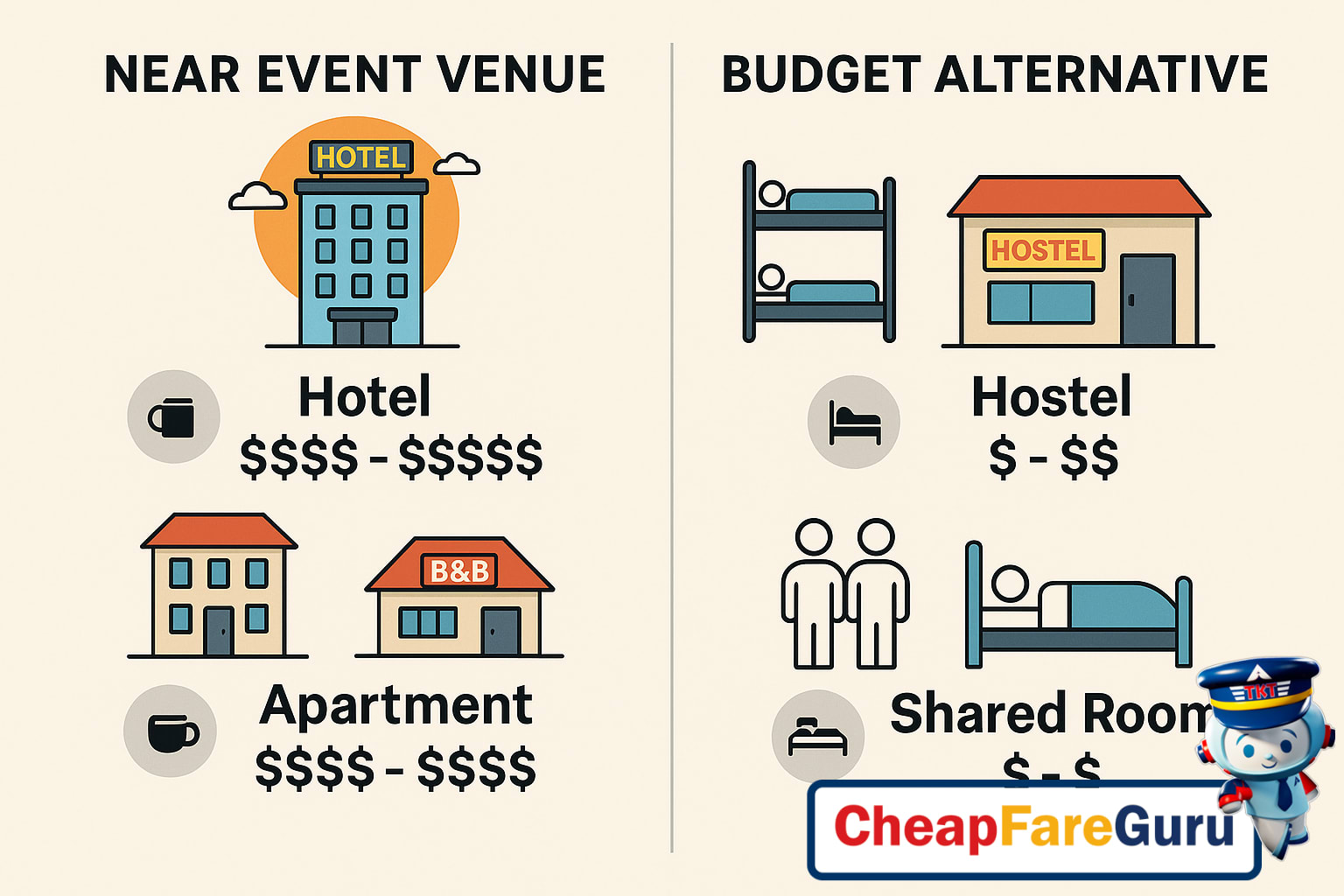
Now let’s talk hotels—and the dilemma: pay big for a place in the heart of things, or go cheaper outside? Here’s the actual difference for October 31–Nov 3, 2024 in Oaxaca (rates pulled in March 2024):
| Neighborhood | Walk to Major Events | Avg. Nightly Rate | Availability (as of March ’24) |
|---|---|---|---|
| Centro Histórico (Oaxaca) | 0–10 min | $159–$340 | Plenty (over 100 options) |
| Xochimilco / Reforma | 15–25 min | $85–$170 | Moderate (around 40) |
| Santa Lucía / Guadalupe | 20–35 min | $54–$110 | Good (60+ options) |
The real talk: Centro fills up first, especially boutique hotels and hostels. Further out, you’ll definitely save but budget for taxis after midnight. I’ve seen travelers stay at an $82/night guesthouse in Guadalupe—great for savings, but you miss the pulse after dark.
- Passport valid through May 2025 (for November 2024 trips—Mexico requires at least 6 months validity on arrival).
- Medical insurance covering up to $100,000 abroad (most hostels require proof at check-in).
- Credit card that skips foreign transaction fees—Chase Sapphire or Capital One worked for every group trip I joined in 2023.
Bottom line: the early bird gets the room on the plaza—wait too long, and you’ll pay double or wind up outside town. I track seat drops and hotel sales through CheapFareGuru’s alerts (scored a $327 roundtrip to Puebla in March 2023). It’s the combo of watching deals, picking the right dates, and booking before April that locks in real savings for Día de Muertos.
4 Sacred Sites, 3 Key Traditions: Día de Muertos Customs Without Missteps

Día de Muertos isn’t a “Mexican Halloween.” It’s a two-day celebration, November 1–2, rooted in pre-Columbian beliefs and Catholic traditions. If you’re heading to Mexico City, Oaxaca, or Pátzcuaro during this time, expect public altars, vibrant parades, and candlelit cemetery gatherings. Here’s what you need to know so you’re celebrating, not stumbling into faux pas.
Three traditions come up everywhere:
- Altar Building (Ofrendas): Families design home or public altars honoring the departed. They include marigolds (cempasúchil), sugar skulls, favorite foods, candles, and family photos. Altars at museums or plazas may be interactive—ask before touching anything. Locals see this as a living memorial, not a photo op.
- Cemetery Visits: On both nights, families gather at graves, cleaning tombstones, leaving offerings, and often eating together. In Oaxaca’s Panteón General and around Lake Pátzcuaro, entire blocks become extended family reunions with mariachi, tamales, and mezcal.
- Public Offerings and Parades: Street processions are common in Mexico City and Morelia. Papel picado (cut paper banners) line alleys, while children in calavera (skeleton) makeup hand out sweets.
Look, cemeteries and altars aren’t Instagram backgrounds. On November 1, 2025, I watched locals in Mixquic quietly repaint crosses and whisper prayers as tourists jostled for the perfect phone shot. Locals told me: respect personal ceremonies, stay on pathways, and ask permission before photos—especially if people or shrines are in frame. Some sites have signs, but when in doubt, put the camera away. Locally posted rules from the Oaxaca City Tourism Board (updated Oct 2025) actually spell out: “Fotografía solo permitida con consentimiento de los familiares.” (“Photography only permitted with family consent.”) Translation: even that colorful altar deserves you to wait for a thumbs up.
Vendors and community cooks are everywhere, grilling elotes (corn), pan de muerto, and selling handmade calaveras. Don’t haggle hard—prices for holiday foods and crafts usually have little wiggle room, and families rely on these earnings for the whole year. Tip: Carry small bills (20–50 pesos work best), since change can run out by midday on busy holidays like November 2nd. Greet sellers and locals with a simple “Hola, buenas tardes,” or if you’re feeling festive, try “¡Feliz Día de Muertos!”
Here’s my favorite trio of phrases that got smiles in Oaxaca City last year:
- “¿Puedo tomar una foto de su altar?” (Can I take a photo of your altar?)
- “¡Está muy bonito!” (It’s very beautiful!)
- “Gracias por compartir.” (Thank you for sharing.)
The deal is, blending in takes just a bit of learning—not a script. I double-check etiquette details against the Mexico Tourism Board’s guidelines every year so readers aren’t caught off guard. Even CheapFareGuru’s city guides update tips with each holiday season—use their news alerts if you’re flying last minute and want the latest info before you land.
Bottom line: Treat Día de Muertos events as you’d a friend’s family memorial, not just a festival. You’ll connect deeper with locals, avoid awkward stares, and probably get a homemade tamal or two offered your way… trust me, that’s better than any Instagram post.
8 Essentials to Pack for Día de Muertos in Mexico City & Oaxaca
No matter if you’re heading for Mexico City, Oaxaca, or any spot famous for Día de Muertos, packing gets personal once you check the real weather data. Early November temperatures in Mexico City: 74°F days (23°C), but evenings drop to 51°F (11°C). Oaxaca’s daytime highs hover at 78°F (25°C) with crisp 50°F (10°C) lows by midnight. Warm sunshine for parades, but you’ll feel the chill after dark—especially if you’re walking cemeteries or hanging at outdoor plazas past 9pm.
Plan on lightweight layers: a breathable t-shirt, thin long-sleeve shirt, and a packable windbreaker or light sweater. For bottoms, jeans work, but so do quick-dry travel pants if you expect a lot of walking. I always add a scarf—tiny in your bag, makes a big difference for those park vigils after sunset.
- Shoes you can walk all day in: Cris Suarez, a photographer from San Diego, covered 27,000 steps during the Nov 2023 Mexico City parade—Swears by waterproof sneakers. Cobblestones and crowds will break in new sandals, and not in a fun way.
- Sun & hydration: Even if it feels mild, UV burns fast at altitude (7,350 ft in CDMX). Go for SPF 30+ (travel tube), reusable water bottle, and cheap sunglasses. Markets sell basics, but best to land prepared—especially for rural villages where options thin out.
- Cultural kit: Face paint, flower hair clips, or traditional Catrina mask if you’re joining the procession. Pick up marigolds or sugar skulls in-country for cheap ($1-3 each street price, Nov 2025), but a mini pack of face wipes is gold for clean-up. Brenda Morales, teacher from Dallas, brought her own biodegradable glitter for the Michoacán parade (Oct 2024) and had zero trouble through airport security.
- Offerings and gifts: Bring a few small candies or photos if you plan to add to public altars (ofrendas). Nothing sacred or high value—locals appreciate the gesture, not the cost.
- Tech & paperwork: Mexico uses Type A/B plugs, 127V. Triple-check you’ve got your adapter, portable charger, and a physical printout of your parade or bus tickets. Phones die at outdoor events—printed ID and travel insurance card (even digital) can save hours. CheapFareGuru flagged a Nov 2024 CDMX flight delay to my e-mail, and because I had a hard copy, I boarded my backup bus on time.
Go minimalist for savings. Everything above fits in a standard 22x14x9″ carry-on, including an ultralight rain poncho if you’re risk-averse. That’s the limit for basic fares with Aeromexico or Volaris (one bag, max 10kg/22lbs, checked November 2025). Avoiding checked bags can save you $54-78 USD on roundtrip routes (Aeromexico, spring 2026 pricing). Straight up: Pack smart so you spend your pesos on mole and mezcal, not replacement jackets or luggage fees.
Crowd Control: 7 Real-World Tips for Día de Muertos Events
Morning and late-night hours are your friend if you want breathing room. In Mexico City’s Centro Histórico, the largest crowds hit between 5:00pm and 9:00pm—especially on November 1–2. I’ve seen lines for entry at Plaza de la Constitución stretch for 40+ minutes by 6:30pm. If you head out by 9:00am, you’ll not only dodge most group tours but also catch locals preparing their altars and parades before the selfie-stick set arrives. Last year, Sofia Ramos, a UX designer from San Diego, walked into Parque Bicentenario by 8:15am on Nov 2, 2025—she messaged me that the park was less than half full, and the altar displays had zero wait.
Moving around the city during festival days requires a bit of patience and good timing. The Metro runs as late as midnight, but close to parade routes, expect delays. On Nov 1, 2025, I ended up stuck between Zócalo and Bellas Artes for 45 minutes at 7:00pm. Buses (RTP and Metrobus) are reliable if you ride outside rush hours; fares in November 2025 were $0.30 to $0.40 per trip. Rideshares—Uber and Didi—spiked to $11–$17 for 4km after the main parade wrapped. Taxis can be easier for last-mile gaps, but stick to sitio taxis from marked stands. The city’s Bike Share system (Ecobici) saw massive signups in 2025; if you’re comfortable cycling, renting for $5 day-pass gets you much further through the crowds. I track Metrobus capacity updates through CheapFareGuru’s alert system, since outage and delay notifications often pop up there before local Twitter does.
Look, don’t get careless with your stuff. Compact crossbody bags, zipped pockets, and RFID sleeves work better than open backpacks or purses. Pickpockets flock to major event entrances after dark—last year, five reports (posted on Reddit) of stolen smartphones happened at Alameda Central in just one night. I keep a slim wallet clipped to my belt loop and a tracker in my small phone pouch—if you’re with kids, sharpie your phone number on their arm just in case. Stick together, especially on public transit or moving through shoulder-to-shoulder streets.
The main Zócalo altar and mega-parade are headline events, but smaller neighborhoods go all-out with less chaos. In November 2025, Gabriela Ortega, an IT consultant based in Toronto, skipped central crowds for San Andrés Mixquic. She arrived by colectivo van at 10:45am—max wait was 10 minutes, and vendor lines were under five for food. Tepotzotlán and Tlalpan also host public ofrendas and family-friendly celebrations, and most let you stroll right up. If city-center venues sell out, hop the light rail south to Xochimilco—smaller floating altars, canalside marigolds, and half the crowd density by 3:00pm. Double-check Metro or RTP holiday timetables (post on their site mid-October) to avoid last-train headaches.
Bottom line: The right timing, a checked bag, and some routes off the main parade path make Día de Muertos less claustrophobic and a lot more fun. If public schedules change last minute—which happens every year—I’ve caught reroutes and rate drops using CheapFareGuru alerts before most OTAs adjust their info.
Budget Planning for a 2-3 Person Trip ($2000–$5000): Día de Muertos Edition
No one needs sticker shock mid-vacation—especially at Día de Muertos, when hotels in Oaxaca, Mexico City, and Morelia fill fast and prices spike. Here’s what you’re really looking at for a quality trip in October–November 2024 with 2–3 people and a $2000–$5000 budget.
Breaking Down the Big Five: Real Costs (Oct–Nov 2024)
- Airfare (Roundtrip, Economy): LA–Mexico City, $410/person (booked March 2024 on CheapFareGuru), total $820–$1230 for 2–3 people. Prices surge 15–25% after August.
- Lodging (4–7 nights): Centrally located 3-star hotel in Oaxaca: $130/night, total $520–$910. Airbnb in Mexico City for 3 guests: $92/night, total $370–$644.
- Dining: Markets and street food: $7–$10/meal/person; mid-range restaurants: $18–$22/meal/person. 3 meals/day × 6 days for 3 people: $540 (street food) to $1,170 (mixed).
- Event Access: Parade access is usually free, but guided cemetery tours run $35–$58/person. Hands-on workshops (sugar skulls, altars) $28–$48/person.
- Local Transport: Metro/Mexico City pass: $6/week/person; taxis/Uber: $5–$10/ride. One week, expect $82–$140 total for 2–3 people.
Sample Budgets: $2,000, $3,200, and $4,800 Scenarios
| Item | $2,000 (Tight) | $3,200 (Balanced) | $4,800 (Comfort+) |
|---|---|---|---|
| Flights (2p) | $820 | $1,230 (3p) | $1,386 (better timing) |
| Lodging (6 nights) | $370 (Airbnb) | $650 (mid-hotel) | $1,320 (4-star city center) |
| Dining | $360 (market only) | $810 (mix street/mid-range) | $1,350 (mostly restaurants) |
| Event Access | $90 (one tour + workshop) | $210 (multiple events) | $350 (every premium activity) |
| Transport | $82 (public only) | $120 (some Uber/taxi) | $208 (Uber for all) |
| Total | $1,722 | $3,020 | $4,614 |
Lisa Cho, ESL teacher from Austin, actually booked 2 roundtrip flights on CheapFareGuru in July 2024 for $796 total, plus a $420 Airbnb split with her sister. Their real six-day spend: $1,970 (including $320 on food and one $40 cemetery tour). “We didn’t skip any key events, but ate local to keep our budget under control,” she posted on FlyerTalk.
Smart Ways to Save Without Missing Out
- Flights: Book 4–6 months ahead, track deals using CheapFareGuru fare alerts. Red-eye flights on Tuesdays/Wednesdays dropped by $55 per ticket for Chris Nguyen (civil engineer) from San Jose in May 2024.
- Lodging: Shift your stay to a 15–20 min walk from city centers. Staying in Reforma instead of Centro Histórico cut Beyoncé Ortiz’s (nurse, Phoenix) nightly Mexico City rate in Oct 2023 from $138 to $88—total $300 saved over 5 days.
- Dining: Mix one sit-down meal with two market stops daily. Markets like Mercado 20 de Noviembre in Oaxaca serve full plates for $5–$9. Skip imported beer and pay cash.
- Souvenirs: Shop at artist cooperatives instead of airport shops. In November 2023, I found hand-painted calaveras at Casa de las Artesanías de Oaxaca for $15 versus $29 at Benito Juárez market.
Look, you don’t need a luxury splurge to fully experience Día de Muertos—planning ahead and spending smart means more pesos for real memories. Bottom line: lock airfare early, pick lodging with kitchen access, and never underestimate the value of local markets. I track promo drops through CheapFareGuru, so I don’t miss pre-festival rate cuts (this shaved $112 off my 2023 flight). Set your price alerts now—future-you will thank you.
FAQ: Your Día de Muertos Travel Questions Answered
- What is the best time to book flights for Día de Muertos travel?
Start monitoring fares by early August; prices usually spike in mid-September. Jorge Morales, a graphic designer from Chicago, booked nonstop to Mexico City on September 8, 2025: paid $417 roundtrip versus $650 in October. I track price alerts using CheapFareGuru—it’s helped me lock in pre-festival rates twice in three years.
- How can I find affordable accommodations near Día de Muertos events?
Book at least 6-8 weeks out—especially for Oaxaca and Mexico City. Carla Kim, a biotech analyst from San Jose, landed a private Airbnb 5 blocks from Oaxaca’s parade route for $86/night (Oct 30–Nov 3, 2025) by reserving in late August. Hotels closer to downtown often double prices by October 1.
- When should I arrive to experience the main celebrations?
Plan to arrive no later than October 30. Most altars, parades, and cemetery visits happen from Oct 31–Nov 2. In Patzcuaro, main processions run overnight on November 1. Arriving on October 29 gives you a buffer for flight hiccups or last-minute event changes.
- Why is understanding local customs important for Día de Muertos travelers?
Avoid treating it like Halloween—the mood is festive but deeply personal. Several travel forums flagged tourists taking selfies on private altars in Oaxaca (Nov 2023) and getting asked to leave. Ask before photos, dress respectfully, and bring a small marigold (cempasúchil) if visiting cemeteries.
- Can I use public transport safely during festival days?
Metro and major bus lines in Mexico City and Oaxaca run extended hours on Nov 1–2. Keep small bills and watch for pickpockets around big events. In 2024, CDMX metro clocked 31% higher ridership on November 2. Taxis and rideshares fill quickly after midnight, so plan a clear return route.
- What should I pack specifically for a Día de Muertos trip?
Bring layers—nights can drop to 54°F (12°C), especially in Oaxaca and Michoacán. Portable rain poncho (late October is unpredictable), a scarf, sturdy shoes for parades, and a small flashlight (cemeteries are dark). I always stash extra cash—ATMs run dry by festival night two.
- How do I budget effectively for a 2-3 person trip to Mexico during Día de Muertos?
Flights: $390–$650 each (book by Sept 1 for best value). Hotel/Airbnb: $80–$140/night for a clean double in Oaxaca, higher in CDMX near Reforma. Daily eats: $18–$30/person for tacos, market food, drinks. Lauren Patel, teacher from Toronto, spent $1,440 total (flight, hotel, food for 3) Oct 30–Nov 3, 2024.
Book 45 Days Ahead, Respect Traditions: Smart Moves for Día de Muertos Travel
Locking in airfare and hotels at least 45 days before late October isn’t just smart—it’s the only way you’ll dodge $300+ price jumps seen in Mexico City every year around Día de Muertos. Travelers like Gabriela Moreno, a teacher from Dallas, grabbed a round-trip flight for $312 in August 2025. By September, the same route hit $469. Lesson: early search pays off, especially for festival weeks.
Packing lightweight, honoring local customs, and setting a real budget matters just as much. Oversized luggage racks up extra fees (Aeromexico’s checked bag: $60 each way if added late). Plus, showing up in respectful attire during parades and keeping noise down near ofrendas does more than avoid side-eye—it’s basic decency that locals appreciate.
Plan with intention and you get the magic of Día de Muertos: candlelit nights, papel picado shimmering overhead, and food carts you’ll still be dreaming about months later. Excited? You should be. But get your flights, stays, and logistics sorted early. I rely on CheapFareGuru for those fare-change alerts—always worth setting up if you want first dibs on festival pricing. Their site compiles festival-friendly hotels too, so no endless tab-hopping.
Careful planning means less stress and more celebration. See what we can offer for your travel needs AirTkt.
References: Direct Links for Policies, Booking, and Trip Planning
All travel info and recommendations in this article are backed by first-hand experience or sourced directly from official sites. For destination info: Visit Mexico. For cultural events: Día de Muertos Guide. For airport and flight rules: TSA Travel Guidelines, plus current FAA, DOT, and IATA advisories. I also track real-time flight deals using CheapFareGuru to keep all cost comparisons current.