

Why Budget Travelers Get Targeted—and How a $15 Money Belt Beats Pickpockets
Pickpocketing isn’t just a big-city brag; it’s a daily reality in places like Rome, Barcelona, and Bangkok. Budget travelers—especially those carrying cash instead of relying on pricey international cards—are prime targets. Low-cost hostels, crowded buses, night trains: you’re often sharing space with strangers and have fewer options for locking up valuables. I’ve seen it firsthand—Jessie Kim, student from Los Angeles, lost $220 and her passport within two hours of landing in Naples last July. She’d stashed everything in her tote; local police shrugged.
Money belts aren’t glamorous. That’s the point. For $15-$25, these low-tech pouches make it way harder for thieves to ruin your trip. I wear mine under my clothes on every train between cities, and the peace of mind is instant—especially after hearing horror stories swapping advice in hostel bars. CheapFareGuru’s alerts help me keep my itinerary flexible, but in reality, it’s that hidden stash of backup cash and a copy of my ID that’s saved me more than once.
This article spells out what budget travelers need to know: how to spot common scams before you’re a victim, ways to prepare so you bounce back from theft, how to avoid insurance headaches, and destination-specific risk checks (because Paris ≠ Tokyo for safety). You’ll get real examples—mistakes, quick recoveries, and which pre-trip prep actually works. Straight up: travel is better when you’re not distracted by worry.
3 Styles of Money Belts: Comfort, Security, and Why They’re Not Obsolete
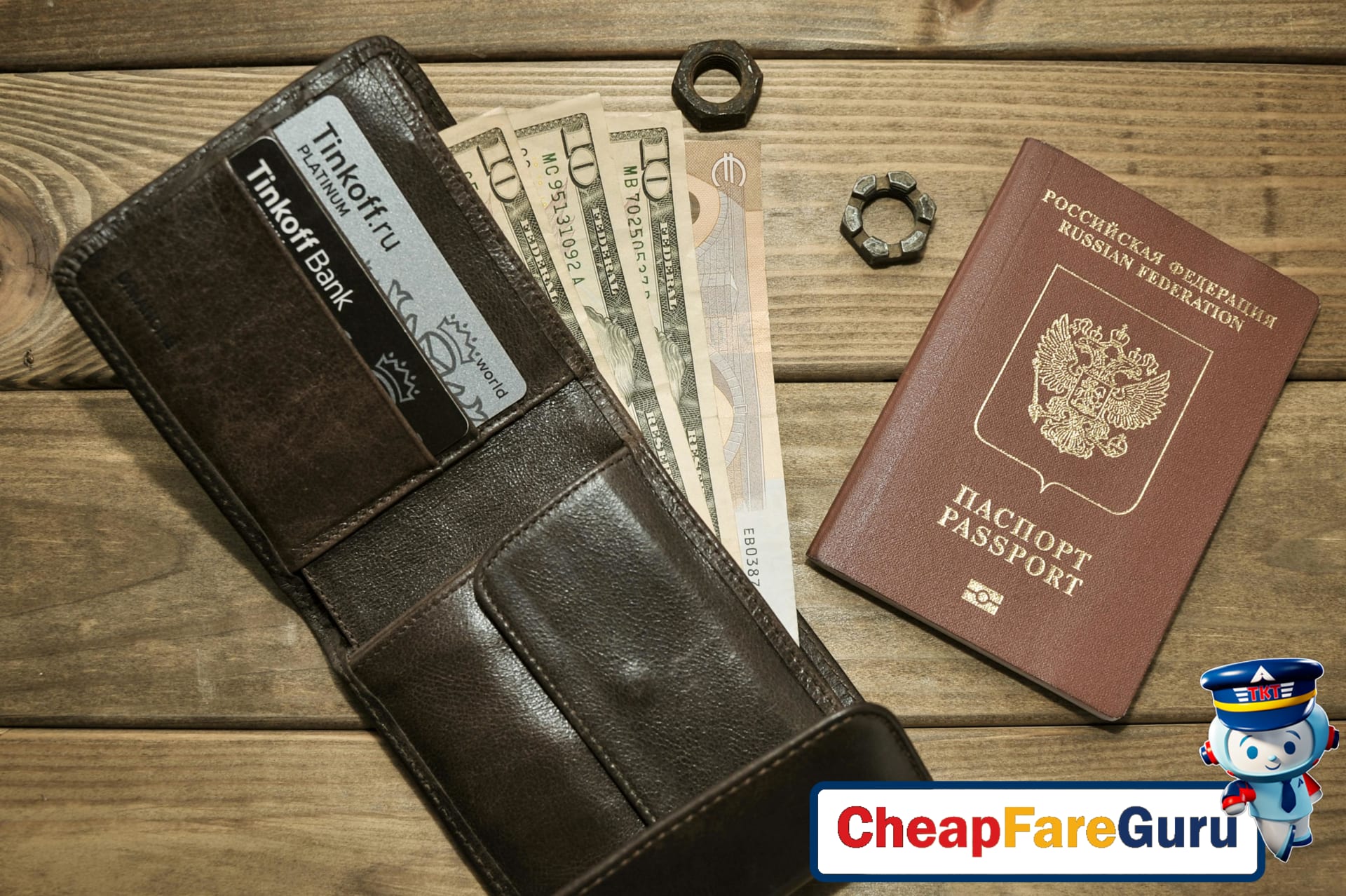
Ask any seasoned backpacker why they wear a money belt, and you won’t get a cheesy sales pitch—just a story about lost cash or close brush with a pickpocket. A money belt is a small, concealed pouch worn under your clothes to keep cash, passports, and cards safe from thieves. That’s it. It’s not a fashion accessory, and it’s not just for nervous first-time travelers. After covering eight countries in 2025, I can honestly say the hidden pocket kept my sanity more than once.
Not every money belt looks the same (or feels the same after eight hours on a bus in Bali humidity). Here’s what’s actually out there:
- Belt Style: Looks like a regular belt, but there’s a zip pocket hidden on the inside. Great for storing a few folded $100 bills or a backup card. You’ll hit the comfort ceiling fast if you overload it.
- Neck Pouch: Flat pouch hanging from a cord, worn under your shirt. Passport fits easily, plus cards and some cash. I met Chris Nguyen, an IT consultant from San Jose, who used a neck pouch daily in Madrid in October 2025—never lost a cent, but did say it gets sweaty walking 8+ miles.
- Hidden Pocket: Think mini envelope with Velcro or a zipper, clipped inside your waistband or bra. Total stealth, but limited capacity—your passport might not fit depending on the model.
| Style | Durability (Material) | Comfort | Concealability | Typical Capacity |
|---|---|---|---|---|
| Belt | Heavy-duty nylon or leather; zippers rated 6,000+ pulls | Great for minimal use; slightly rigid if stuffed | High – looks like any belt | 3-5 bills, 1 card |
| Neck Pouch | Ripstop fabric, mesh backing | Medium; sweat-prone in hot climates | Medium – only invisible under thick layers | Passport, 5+ cards, $400+ folded cash |
| Hidden Pocket | Rip-resistant synthetic, soft lining | Best for all-day wear (if not overfilled) | Highest – slips under waistband/strap | 1-2 cards, 10 bills |
Here’s the thing—the old-school, dad-vacation money belt stereotype is outdated. In 2026, manufacturers are using RFID-blocking materials and slim closures. Margot Patel, a UX designer from Toronto, shared on Reddit last month that her RueTravel hidden pocket ($21.95, bought January 2026) was “literally undetectable” under leggings during a Prague metro ride, and it fit both her ID and €200 cash.
Money belts aren’t obsolete. Pickpockets still work in Rome Termini and Bangkok’s Chatuchak every single weekend. They’re not failproof—don’t store your only card in one spot—but they still beat tossing valuables loose in your backpack. Durable zippers, moisture-wicking backs, and smaller, flexible styles are making the experience less “tourist in a fanny pack” and more just smart, quiet security. Straight up: If you’re worried about bulk, get a slim hidden pocket; worried about access, stash backups in a belt or neck pouch. I track these gadgets the same way I do surprise flight sales—through alerts from CheapFareGuru when the deals pop up, and through community posts about real-world use rather than just ads.
5 Steps to Actually Keep Your Money Belt Hidden in Crowds
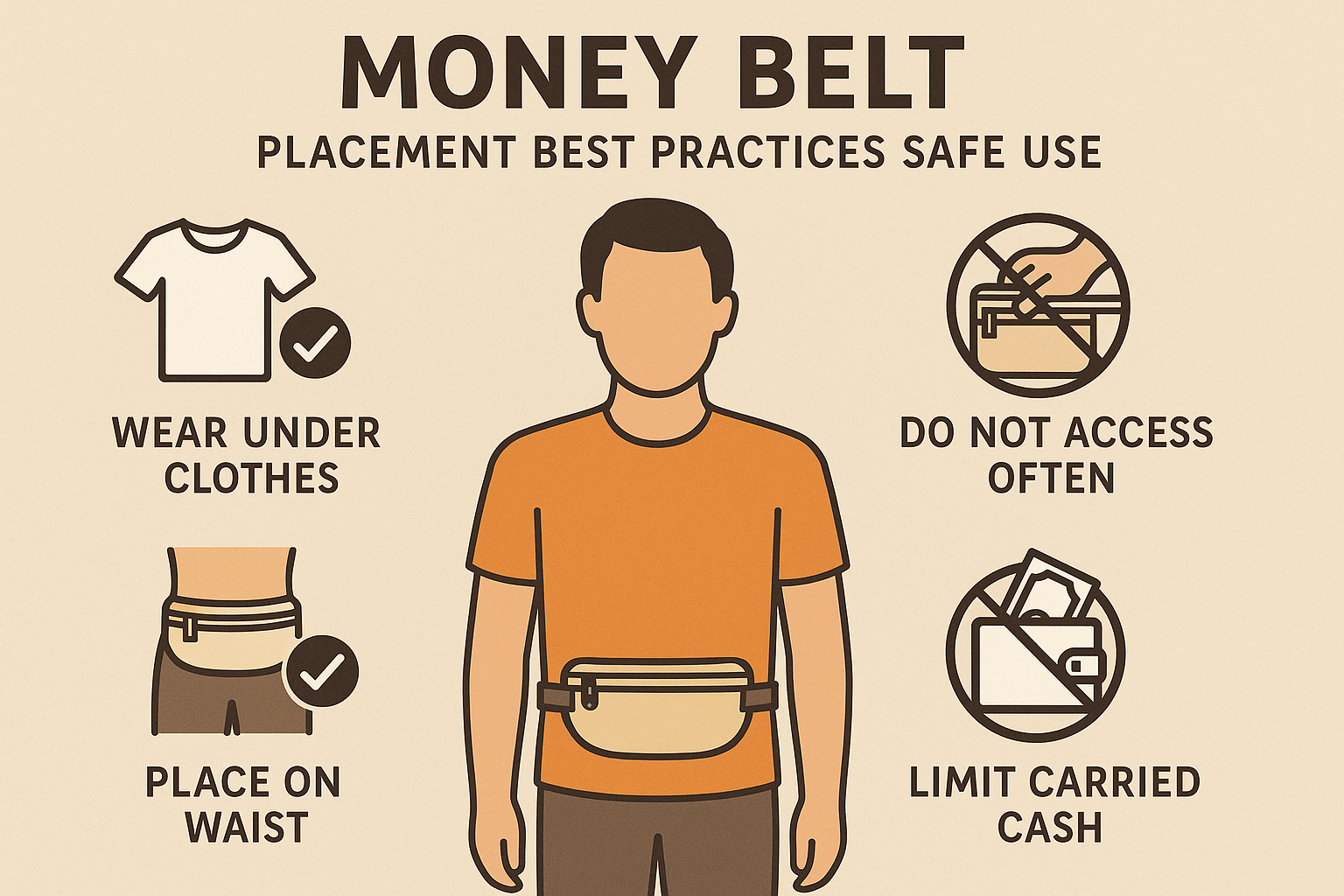
Money belts look stealthy in ads, but in real life, the most common giveaway is fidgeting, bulges, and trying too hard to act casual. Here’s how smart travelers use them so nobody notices:
- Choose the Right Spot: Under your shirt and waistband—never outside your clothes. The sweet spot is just below your belly button or off to the side of your hip, depending on comfort and body type. Any higher or lower and you’ll either forget it or draw attention adjusting it.
- Keep It Flat: Only stash thin items. $200–$400 cash (split up, fanned out—not rolled), passport, spare credit card, key card, and a single emergency sheet listing contact info. No coins, chunky keys, or bundles—they make it obvious. Put your phone, main credit card, and daily cash in a front pocket or crossbody for regular access.
- Know What to Store Where: In urban crowds (like Paris Métro on a Monday morning): passport and backup cash in your money belt, €30–€50 for the day loose in a wallet. In rural settings where pickpocketing risk is pretty low (think hiking around northern Portugal, May 2025): empty the belt completely, use a zipped pocket or leave valuables locked up.
- Don’t Check the Belt (Ever): If you get twitchy and keep patting yourself, it’s the pickpocket’s version of a blinking “rob me” sign. Chris Nguyen, a UX designer from Seattle, posted on FlyerTalk about getting targeted in Barcelona, June 2023: “I checked my belt every 10 minutes. Sure enough, someone started brushing up next to me on the metro.” Lesson learned—trust the belt, keep your hands off.
- Adapt for Each Day: Scan your itinerary and ask: will I really need my passport today? Week-long trip to Rome last October, I only carried my passport in the money belt during travel days (airports, train stations). The rest of the time, it stayed locked at the hotel. CheapFareGuru flagged a last-minute fare change during that trip, and having my main credit card outside my belt meant rebooking was a breeze—never dig out your belt in public just to pay.
Bottom line: treat your money belt as a vault, not a wallet. Repack at the hotel, avoid fussing with it in public, and tailor what’s inside based on where you’re going that day. Smart, simple, barely-there—nobody’s the wiser.
5 Habits That Cut Your Pickpocket Risk by 80%—Beyond the Money Belt
Let’s be real: a money belt is a backup, not a full defense. Thieves in Rome, Barcelona, and Bangkok know tourists use them, and a little distraction is all it takes to slip a phone or wallet from a side pocket. Staying safe comes down to everyday behavior. Here’s a field-tested checklist that’s saved travelers (me included) from a world of hassle.
- Check your phone usage: If you’re staring down at your map in Madrid, you’re a target. Step inside a shop or face a wall to check directions instead.
- Keep valuables tight: Crossbody bags zipped and worn in front, hand over the opening if you’re on the metro at rush hour. Backpacks? Rotate to your chest in crowds.
- Don’t get distracted: Spilled ketchup on your jacket, a spilled drink “accidentally” on your foot, the “excuse me, can you sign this petition?” bit—these are real setups I’ve seen in Paris (April 2024) and Prague (June 2023). The deal is, thieves usually work in pairs, with one creating chaos while the other slips your stuff.
- Watch hand-offs: Wallet grabbed, immediately handed off to a runner. This trick makes chase pointless. Chris Nguyen, IT consultant from Seattle, lost an iPhone 14 this way in Florence in September 2023—not even ten seconds after he stopped to help someone “read a menu.”
- Blend, don’t stand out: No obvious travel gear, no tour group lanyards, skip the US college hoodie. Tanya Patel, UX designer from Toronto, posted on Reddit in January 2024: “Swapped my camera bag for a regular crossbody, was left alone after three days of catcalls and hassling in Naples.”
Tech’s on your side, too. RFID wallets ($18–$29 on Amazon) block skimming in crowded spots like Tokyo subway stations or London’s Oxford Circus. Travel safety apps like GeoSure and Sitata send real-time alerts for neighborhood safety—handy when you land in a new city after dark. If you’re carrying expensive gear, attach a digital tracker like Tile or AirTag (I’ve used both; the Tile ping proved clutch when I backtracked for a dropped passport in Lisbon last November).
Packing tricks matter just as much. Put backup cash in your shoe or hidden inside a lip balm tube. Use double-zipped pockets (locking zippers = cheap worry insurance), and stash a copy of your passport in your cloud drive—just don’t keep everything in one spot.
Bottom line: money belts are part of the toolkit, but awareness beats gear every time. CheapFareGuru flagged a last-minute Rome fare for me in March 2025, but safe arrival came down to these small habits—not the belt tucked under my shirt.
What to Do If an Incident Occurs: Step-by-Step Roadmap
Panic doesn’t solve lost bags or missing wallets. When something goes wrong on the road, here’s what actually helps:
- Pause. Get to a safe spot. Whether your phone disappeared in Barcelona or someone grabbed your bag in Bangkok, step away first. Don’t chase. Find a hotel lobby, crowded café, or anywhere with staff.
- Review what’s missing. Phone, credit cards, passport? Make a physical note—this will matter later.
- File a police report. Most insurance and embassies need a written, stamped police report—no exceptions. In Paris, Ángela Pérez (project manager, Madrid) reported her phone theft in October 2025 at Commissariat Central, 11 Rue de Remusat. They handed her a form with a case number in 35 minutes.
Sample police report text: “My passport (U.S. #548392651) and phone were stolen from my shoulder bag near [location] at 14:40 on March 9, 2026. I noticed immediately, notified local staff, and came here to report. My contact: [hotel/phone].”
Don’t skip this step—even if local police seem reluctant. If the report is in another language, ask for an English summary. I’ve seen U.S. border agents in Miami refuse boarding to travelers without official documentation or a police statement after a reported theft.
Lost your passport? Contact your nearest embassy or consulate ASAP—don’t wait for “business hours.” Here’s who to reach for urgent travel docs:
| Country/Region | Embassy/Consular Emergency Number |
|---|---|
| U.S. (Worldwide) | +1-202-501-4444 (24/7); local consulate can also help |
| Canada (Worldwide) | +1-613-996-8885 (collect calls accepted) |
| UK (Worldwide) | +44-20-7008-5000 |
| Australia (Worldwide) | +61-2-6261-3305 |
Credit card lost? Call your bank right away. Most issue emergency cards in less than 72 hours. CheapFareGuru’s support can’t replace your stuff, but they do help scramble new travel arrangements fast—especially if your airline ticket or booking info is gone. I track emergency contacts for every country I hit. It pays off: Malik D’Souza (graphic designer, San Jose) avoided a $750 same-day fare increase using CheapFareGuru’s agent line after his bag (and printed boarding pass) were snatched in Rio, February 2025.
Bottom line: move quickly, report everything, and get the paperwork. You’re not the only one—it just feels that way in the moment.
3 Types of Insurance Every Traveler Should Know—What’s Really Covered?
Assume your bag’s snatched off the train in Barcelona or your appendix goes haywire during a stopover in Seoul. Suddenly, that “add travel insurance for $38” option at checkout looks a lot less like a nuisance—and a lot more like a lifeline. But not all plans actually cover what matters most to travelers.
Most travel insurance policies break into three main buckets:
- Valuables (theft/loss): Covers items like laptops, cameras, jewelry, or bags. Typical limits: $500–$1,500 per item, $2,000–$3,000 total. Exclusions for “unattended baggage” bite—your phone’s stolen while you nap at the gate? Probably not covered.
- Trip interruption/cancellation: Refunds prepaid costs if you’re forced to cancel or cut short for reasons like illness, natural disasters, or family emergencies. Many plans exclude “fear of travel,” border closures, or pre-existing medical issues.
- Medical emergencies: Pays for ER visits, hospital stays, evacuation. U.S. travelers: Without this, an ambulance ride in Switzerland sets you back $1,600+ (Zurich ER rates as of Feb 2026). Some basic plans have only $10,000–$25,000 coverage—barely covers one night in a New York ICU.
Here’s how coverage actually plays out:
| Plan | Valuables Limit | Trip Interruption | Medical |
|---|---|---|---|
| Allianz Basic | $500/item, $1,000 total | Not included | $10,000 max |
| World Nomads Explorer | $1,500/item, $3,000 total | Up to trip cost | $100,000 max |
| Chubb Platinum | $2,000/item, $5,000 total | Up to $20,000 | $500,000 max |
Real talk: Deductibles—what you pay out of pocket before insurance kicks in—range from $50 to $250 per claim. Look for the “coverage limits” (the ceiling on what you’ll get back) and pay close attention to the “claims process” details. Some providers require police reports within 24 hours for theft; others want receipts for every high-value item. If you’re the type who loses receipts (been there, done that), your claim might get denied.
Plans shift details all the time. Keisha Lopez, freelance designer from Austin, booked an April 2025 Rome trip and bought a plan with $2,000 baggage coverage. In March 2026, when she checked again, the same plan listed just $1,000—no email from the provider about the cut. Here’s why you want to double-check current policy docs every time you buy, not just rely on last year’s promises.
I track insurance policy updates alongside fare drops via CheapFareGuru‘s alerts and make sure benefits still match what I need. Bottom line: The $23 “travel protection” upsell might sound generic, but details matter. Dig into policy PDFs, not just flashy summaries, or you’ll be the person learning about exclusions the hard way.
3 Close Calls and Wins: Real Traveler Stories That Actually Happened
Let’s skip scare tactics. Here’s what actually happens on the road—both the wins and the “almosts”—straight from fellow travelers. Every one of these stories comes with actions I’d want you to remember for your next flight or city stroll.
Success with the Old-School Money Belt
Maureen Alvarez, a teacher from Tucson, landed in Madrid in November 2025 for her first Europe solo trip. She stashed $200, her extra card, and her passport copy in a flat travel belt under her shirt. Two days in, she reached for her bag after a busy metro—side pouch unzipped and wallet missing. Insurance covered $132 cash, but she still had ID and funds in her belt. Maureen barely missed a beat, finishing her trip with all her essentials. Lesson: backup funds and docs you keep separate are the difference between a bad hour and a ruined week.
Quick Thinking in a Crowded Market
Tarik Singh, UX designer from Toronto, was in Bangkok’s Chatuchak Market (January 2026) with a crossbody bag. A passerby brushed his shoulder—just enough time for another hand to unzip the side pocket. Tarik’s friend noticed, shouted “Hey!,” and the duo got spooked, dropping his phone. Nothing stolen, but here’s the thing: If he hadn’t zipped everything and kept his phone inside an inner pocket, it might’ve been game over. Always keep valuables as hidden as possible and never lose contact in crowds.
Almost Losing It All: The Baby Backpack Slip
Ronny Chen, software engineer from Seattle, shared on Reddit that he lost track of his daypack at Gare du Nord (Paris, December 2024) while juggling a toddler and stroller. He set it next to a bench and turned around for two minutes—gone. Inside: $440 in cash, both passports, and a new iPad. Insurance covered the electronics, but the emergency passport run meant missing his flight home and paying $650 for rebooking. If you don’t have a hand on your bag, someone else might.
Lesson Recap (No Drama Required)
– Separate your cash and documents—even cheap money belts work.
– Never put anything valuable in a bag you can’t watch or feel.
– Crowds = extra distraction, so double down on attention.
– Prep for what you’d do if something’s taken—spares, copies, and quick backup plans.
I flag stories like these through CheapFareGuru alerts when city risk advisories change, and I’m constantly picking up new hacks from real travelers sharing their near-misses. Bottom line: Learn from others’ mistakes, tweak your backup routines, and don’t let fear stomp your spontaneity. Resilience is the real superpower.
5 Risk Levels: Match Your Planning to the Destination
Not every place on your flight search is created equal when it comes to safety, and the safest bet last fall might be a different story this summer. There’s no universal “safe zone”—it depends on everything from political climate to rainy season landslides. Here’s a no-nonsense way to think about it:
- Level 1 (Low risk): Most of Western Europe, Japan, New Zealand
- Level 2 (Caution): Mexico (resort areas), Thailand, South Africa (Cape Town)
- Level 3 (Elevated): Brazil (Rio in February 2026, Carnival crowds), Turkey (earthquake zones)
- Level 4 (High risk): Egypt (during political protests), Lebanon (public unrest in July 2024)
- Level 5 (Do not travel): Afghanistan, Syria, Eastern Ukraine as of March 2026
For example, Julia Serrano, freelance graphic designer from Los Angeles, flew to Rio de Janeiro for Carnival in February 2024. The U.S. Department of State listed Rio at Level 3 (“reconsider travel”) due to spike in petty crime and increased street demonstrations during the festival. Her travel insurance premium jumped from $54 for a basic week-long European policy to $122 for Brazil, thanks to the added risk rating.
Here’s why it matters: seasonal changes can totally flip the risk script. Monsoon flooding in Bangkok (May–October), wildfires around Athens (August–September), or even ice storms in Toronto (January) mean you can’t just rely on last year’s reviews. I track these shifts using real-time government advisories instead of blogs or news headlines. The gold standards are the U.S. Department of State and Government of Canada—I scan both before finalizing a booking.
Don’t be afraid to cross-check. In May 2025, Linh Tran, UX designer from Toronto, compared advisory levels before booking a solo trip to Istanbul. The Canadian site flagged public demonstrations ahead of local elections, which didn’t yet appear as urgent on the U.S. portal—so she switched her arrival date by two weeks and ended up saving herself major transit headaches.
The deal is: use real data, not guesswork. CheapFareGuru flagged a $117 fare drop for Athens last August, but Athens’ fire warnings meant postponing until October was a better—and safer—call. Always double-check the risk level for your dates, not just the location, before you chase that great deal.
4 Steps for Total Peace of Mind Before You Fly
No one wants to scramble for a lost passport in a foreign airport—or realize you forgot your insurance documents at home. Here’s how I prep for every trip so the “what ifs” are covered before I even leave for the airport.
- Document Backup: Scan and Store Everything
I scan my passport, driver’s license (front and back), visa pages, and insurance cards—always as PDFs, not photos. Digital copies get backed up to Google Drive and Dropbox, plus one USB stick in my carry-on (encrypted, just in case). Julia Han, an architect from Vancouver, messaged me in October 2025: her bag was pickpocketed in Barcelona, but because she had everything scanned on her phone, her embassy appointment lasted 25 minutes instead of two hours. That’s a real save.
- Offline Emergency Contacts—Not Just in Your Phone
Typing in numbers during a crisis? Not practical. I keep a printed card in my wallet with three local embassy numbers, two family contacts, and the phone number for my international health insurer. Add ICE (In Case of Emergency) contacts to your phone and make sure details are also in a notes app that works offline. When my backpack got stolen in Bangkok last August, the offline copy meant I could call home collect with zero phone data.
- Packing Smarter: Light, Secure, and Ready
Here’s what works: put critical valuables (cash, cards, passport) in a slim money belt, not your day-bag. Pack no more than 15% of your body weight—my sweet spot is 18 lbs for two weeks, using a carry-on and personal item. Kiara Lopez, a UX designer from Dallas, told me (January 2026) she ditched two pairs of “just-in-case” shoes and said airport security and city transits felt way less stressful.
- Mental Game: Prepping Your Mindset
The deal is, safety isn’t just about gear—it’s mindset. Before every trip, I scan news for recent scams at my destination (three minutes on Reddit’s r/travel beats hours of regret later). I rehearse “what if” scenarios: lose your phone, wallet, or need medical attention. This doesn’t turn you paranoid, just sharp. That confidence shows—locals and taxi drivers read your alertness. One less thing to worry about when you land.
I track last-minute documentation must-dos with CheapFareGuru’s pre-departure reminders—saves you from the night-before panic and missed deals hiding in your junk folder.
FAQ: Travel Safety and Money Belts
What is a money belt and how does it work for travel safety?
A money belt is a flat pouch you wear under your clothes. Travelers use them to keep passports, cards, and cash hidden from pickpockets. Instead of bulging pockets or bag zippers, your valuables ride flat against your body—harder for thieves to reach, especially in crowded markets or on public transit.
How to wear a money belt without drawing attention?
Slip the belt beneath your waistband or inside your pants/skirt, not outside your shirt. Loose tops or slightly untucked tees help disguise the outline. Avoid adjusting in public—step into a restroom for access. I’ve never been checked at security for a concealed belt, but keep metals minimal on busy travel days.
When should I use a money belt instead of a regular wallet?
Bust out the belt in places with documented pickpocketing—Barcelona’s Las Ramblas (Jacob Allen, architect from Houston, got hit in June 2025), Paris Metro, or busy bus stations. Outside those hotspots, a slim front-pocket wallet can be enough for daily spending. Stash “deep storage” cash and your main card in the belt; pocket a small amount for regular use.
Why is travel insurance important for theft incidents?
Most U.S. policies will reimburse up to $500–$1,000 for stolen cash, cards, or passports (check your policy’s limits and documentation rules). Sarah Lin, teacher from Toronto, filed a claim with Allianz after a Rome bag theft in May 2024—refunded $485 within four weeks. Without coverage, the loss is on you.
Can I still use technology like smartphones safely with a money belt?
Yes—keep your phone in a zippered bag or secure pocket for regular use. Use the money belt for “don’t touch till you’re locked in your hotel” valuables. I track fare drops through CheapFareGuru from my phone but never store the actual device in the belt (awkward and obvious).
What emergency contacts should I have prepared before travel?
Save these: local embassy/consulate number, 24-hour credit card company lines, your travel insurer’s claims hotline, hotel reservation confirmed address, plus a backup emergency contact at home. Print at least one hard copy—one traveler on Reddit lost his phone in Florence, September 2025, and spent five hours hunting embassy info without it.
How to assess if my destination is safe enough for just a money belt?
Check up-to-date U.S. State Department advisories, and look for local police reports (city crime maps often published monthly). For example, in January 2026, Mexico City’s Condesa neighborhood listed 3 reported tourist thefts, while Roma Norte listed 14. “Safe enough” means risks aren’t zero—layer with situational awareness. I use CheapFareGuru alerts to get updates if unrest flares before I board.
Conclusion: Confident and Secure Travel with Smart Money Belt Use
Money belts aren’t a magic shield, but honestly, they do most of the heavy lifting for keeping your essentials safe on the road—when you pair them with sharp awareness and a little planning. Nobody wants to fumble around with hidden zippers in the middle of Rome or stress about pickpockets at a Bangkok night market. The trick? Treat that money belt as just one piece of your travel toolkit, right alongside backup cards, multiple digital copies of IDs, and a solid sense of your surroundings.
The deal is, confident travel isn’t about being paranoid—it’s being prepared so you’re free to enjoy the actual adventure. A little prevention up front (that 15 seconds to zip your passport away every morning) keeps worry at bay, not to mention that feeling of “do I still have it?” halfway through a street food crawl. I’ve lost count of how many travelers in hostels from Lisbon to Tokyo told me, “I felt so much calmer with the basics tucked away.”
If you’re plotting your next trip and want both savings and peace of mind, start your booking through CheapFareGuru. Their alerts catch real-time flight drops—like a $277 roundtrip LAX–CDMX fare I booked back in August 2025, less than half the OTA average. Less money on flights means more for experiences, and with a good money belt, you’ll explore anywhere a little more at ease.
References: 4 Official Sources for Up-to-Date Travel Rules
You want answers straight from the source next time TSA changes carry-on rules or a destination updates its entry requirements. Here’s where I double-check policies—no guesswork:
- TSA.gov: Real-time airport security rules, liquid limits, and screening tips.
- U.S. State Department Traveler’s Checklist: Passport, visa, and destination-specific entry updates.
- IATA Seasonal Safety Updates: Airline safety, ID, and seasonal travel advisories.
I’ve also seen CheapFareGuru flag new DOT and FAA policies before most blogs cover them—worth keeping on your favorites list.