
Recognizing Pickpocketing Risks While Traveling

Pickpocketing is the stealthy theft of wallets, phones, or valuables from your person—often without you noticing until much later. Travelers are frequent targets because they’re unfamiliar with their surroundings and often distracted by new experiences. In my experience, I’m always more cautious when navigating busy public places abroad, especially after hearing stories from fellow travelers who let their guard down.
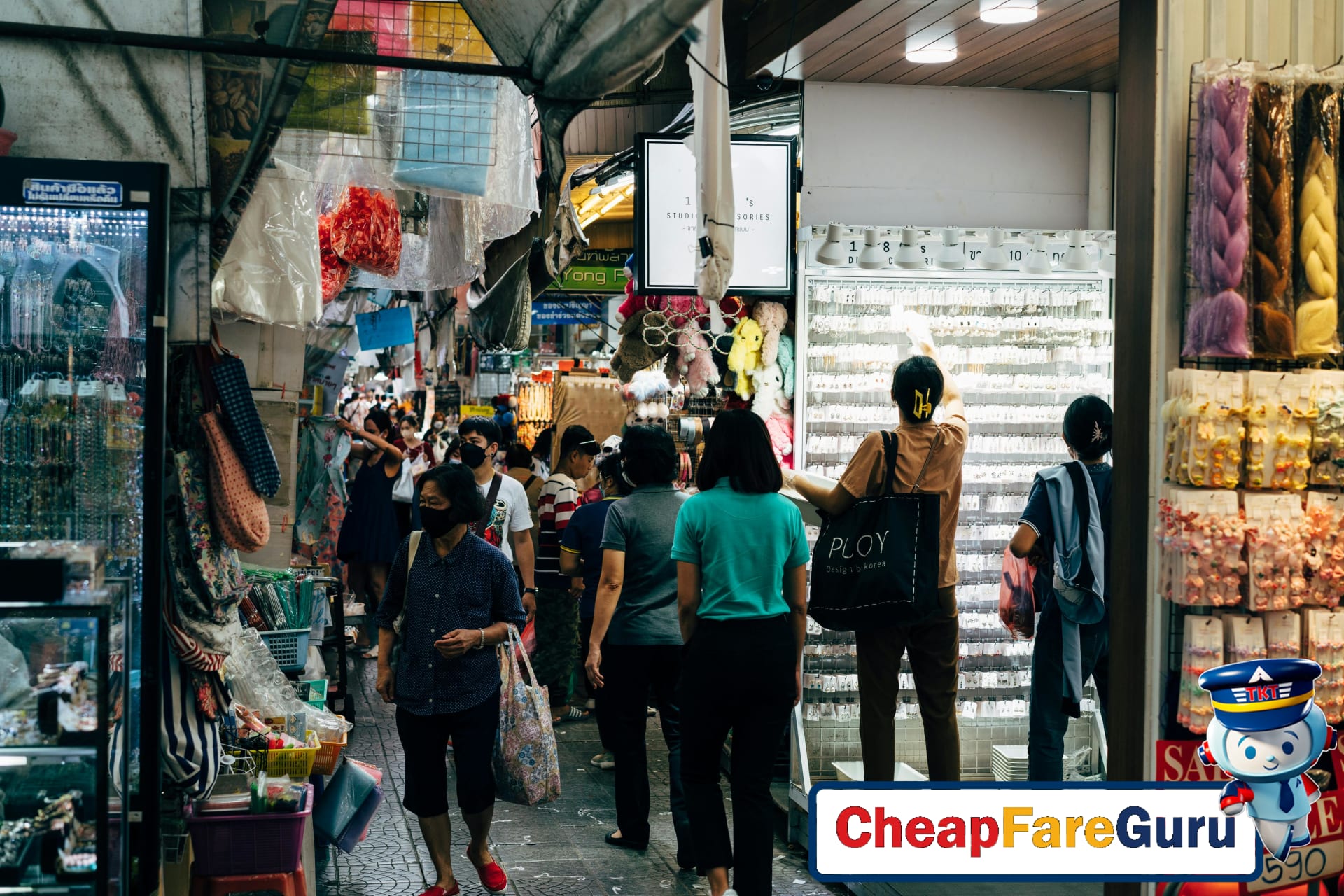
Crowded spaces are prime hunting grounds for pickpockets. Think of bustling European metro stations, packed Asian night markets, or the busy entrances of iconic landmarks. These environments give thieves the cover they need, as it’s easy to blend in and even easier to bump into unsuspecting visitors.
Common Pickpocketing Techniques
Pickpockets rarely work alone. Many use distraction—such as spilling something, asking for directions, or creating a commotion—to divert your attention while an accomplice makes the grab. Others rely on physical contact, like a sudden bump or squeeze in a crowd. Group tactics are also common, especially in tourist hotspots, where one person distracts while another does the actual stealing. I usually recommend reading up on common travel scams in major tourist cities before your trip, so you know what to watch for.
It’s smart to stay updated on the latest safety advice. For a current overview of pickpocketing trends in popular destinations, check the latest travel safety report from the U.S. Department of State before you go.
Choosing The Right Anti-Theft Gear

Keeping your valuables safe on the road starts with picking the right anti-theft gear. There’s a wide range of products designed to deter pickpockets, and after trying a few myself, I’ve learned that your choice depends on both destination and comfort.
Top Anti-Theft Accessories
- Money Belts: Worn under clothing, these keep cash and cards out of sight. They’re discreet, but a little awkward if you need frequent access.
- Hidden Pouches: These attach to your belt or waistband and are ideal for passports or backup cards. They’re very secure but can feel bulky in hot weather.
- Anti-Theft Backpacks: Features like lockable zippers, slash-proof straps, and hidden pockets make these a smart pick. I switched to one for city travel and found it much less stressful in crowded places.
- Slash-Proof Bags: Reinforced with steel mesh or tough fabric, these resist knife attacks. They’re heavier than standard bags but offer peace of mind in high-risk areas.
- Lockable Zippers: Whether on a backpack or crossbody bag, these slow down thieves and make opportunistic grabs much harder.
Comparing Bag Options
- Standard Backpack vs. Anti-Theft Bag: A regular backpack is easy to unzip unnoticed, especially in busy markets or metro stations. Anti-theft models with hidden compartments and secure zippers are much safer for valuables.
- Visible Purse vs. Hidden Pouch: A purse—even a crossbody—can be targeted by skilled pickpockets. Hidden pouches keep essentials out of reach, though they’re less convenient for everyday use.
Keeping Valuables Close
For passports, cards, and phones, I recommend splitting up your valuables: keep a small amount of cash and one card handy, with backups tucked in a money belt or hidden pouch. Never store everything in one place, and always be aware of your bag’s position in crowds. For more detailed advice, check out our post on what to pack for safe city travel.
For product comparisons and expert recommendations, sites like Wirecutter and travel safety blogs regularly review anti-theft gear and break down features based on real-world testing.
Smart Habits In Crowded Places
Navigating packed markets, busy metro stations, and bustling tourist sites requires a few conscious habits to keep your belongings safe. I learned this the hard way after nearly losing my wallet in a crowded subway; that close call made me rethink how I carry and protect my essentials. Here’s how you can move confidently and minimize your risk in busy environments.
Step-by-Step Habits For Crowds
When you enter a crowded area, pause and take stock of your valuables. Keep your bag zipped and in front of you, ideally with one hand resting on it. If you’re wearing a backpack, swing it around to your chest. In markets or on metro platforms, stand with your back against a wall or pillar when possible—this limits access to your pockets and bag from behind.
Bag And Wallet Positioning
The safest spot for your wallet is in a front pocket or a zippered, inside compartment of your bag. Crossbody bags worn across your torso, with the zipper facing inward, are far more secure than shoulder bags or backpacks left behind you. I usually recommend using a slim money belt under your clothes if you’re carrying passports or extra cash.
Are “Safe” Pockets Really Safe?
Many travelers assume that zippered jacket or pants pockets are secure, but skilled pickpockets can still access them in tight crowds. Back pockets are especially vulnerable—never put your phone or wallet there, even for a short metro ride. For more tips on transit safety, see our advice on how to stay safe while using public transit abroad.

What To Do If You’re Targeted

If you notice someone trying to distract you—maybe they spill something, bump into you, or start an odd conversation—take it as a red flag. Pickpockets often work in groups, using distractions or crowding tactics so an accomplice can slip a hand into your bag or pocket. If I ever spot one of these distraction techniques in real time, I immediately step away from the crowd, put my back to a wall, and check that my wallet and phone are still with me.
Reacting In The Moment
If you sense a pickpocket attempt, don’t confront aggressively. Instead, move quickly to a safer, more open area. Secure your belongings and make eye contact with the suspicious person—this alone can deter further attempts. If you feel comfortable, alert nearby security, store staff, or police. In busy tourist areas, there are often officers or security teams nearby who are familiar with these scams.
Reporting And Limiting Damage
If you discover something missing, document what was lost right away. Head to the nearest police station to file a report—having an official document can help with insurance claims or replacement processes. Cancel any stolen cards immediately using your bank’s emergency number. If your passport is taken, contact your embassy or consulate for help. The U.S. Department of State’s travel emergency resource page is a reliable starting point. For a full checklist, check out our guide on steps to take if your passport is stolen overseas.
Budget Table For Pickpocket Prevention

Planning how much to spend on pickpocket prevention can make a real difference in both peace of mind and your wallet. I’ve noticed my own anti-theft spending shifts depending on the destination—sometimes I stick to basic gear, while in busier cities I’ll pay extra for secure transport or a hotel safe. Here’s a breakdown of what you might expect to invest at three budget levels, covering the key categories that matter for security.
| Budget | Mid-range | Luxury | |
|---|---|---|---|
| Accommodation | About $3.00 (locker rental) | About $10.00 (hotel safe fee) | About $25.00 (in-room safe or concierge) |
| Food | About $2.00 (secure snacks) | About $5.00 (sealed snacks, bottled water) | About $12.00 (room service or trusted café) |
| Transport | About $4.00 (public transit with vigilance) | About $18.00 (rideshare or taxi upgrade) | About $45.00 (private car or hotel transfer) |
| Activities | About $0.00 (free walking tour, self-guided) | About $15.00 (small group guided tour) | About $40.00 (private guide or VIP tour) |
If you’re looking for practical gear ideas, check out our guide to the Best money-saving travel essentials—it’s packed with items that help keep your valuables safe without breaking the bank.
Key Pickpocket Prevention FAQs Answered
- What are the best pickpocket prevention techniques?
Some of the most effective pickpocket prevention techniques include using zippered bags, keeping valuables out of back pockets, and wearing bags across your body. I always recommend staying alert in crowds and avoiding distractions, as pickpockets often work in teams and use confusion to their advantage.
- Is using a money belt really effective?
A money belt worn under your clothes is a solid way to keep cash, cards, and passports safe from pickpockets. While it’s not foolproof, it does make access much harder for thieves. I’ve used one in busy cities and felt noticeably more secure while navigating crowded attractions.
- How do I spot pickpockets in transit hubs?
Watch for people loitering without luggage, groups creating distractions, or anyone invading personal space near ticket machines or boarding areas. I’ve researched this for my own trips and found that pickpockets often work near entrances and exits where travelers are distracted or hurried.
- What should I do if my wallet is stolen abroad?
First, stay calm and file a police report. Then, contact your bank to block cards and notify your embassy if your passport is missing. For ideas on regaining your footing, check out our guide on how to travel confidently after a theft for practical next steps.
- What’s the safest way to carry cash in busy places?
Carry only the cash you need for the day and divide it between several secure spots—such as a money belt and a zipped inner pocket. Avoid flashing bills when paying. If you need to access cash, step aside from crowds before doing so.
- Can anti-theft backpacks stop pickpockets entirely?
Anti-theft backpacks with lockable zippers and slash-proof straps add a strong layer of protection, but no bag is completely foolproof. Use them in combination with vigilance and avoid keeping all valuables in one place for the best pickpocket prevention results.
- Are pickpockets active during off-peak travel times?
Pickpockets can operate at any time, though they prefer busy periods for easier cover. However, quieter times can also be risky since you may let your guard down. Always stay alert, even if crowds are thin, and secure your belongings regardless of the hour or season.
Key Safety Habits For Every Trip
Staying safe on the road isn’t about worrying over every detail—it’s about building habits that help you travel smarter. A little preparation goes a long way: pack the right gear, keep copies of important documents, and know how to get help if you need it. Confidence comes from awareness, not anxiety.
When planning, I like to use trusted resources and double-check my itinerary for any gaps, so I’m not scrambling last minute. If you want a smoother start, check out these Tips for stress-free flight bookings with cheapfareguru.com before your next trip. My hope is that these reminders help you feel ready to explore with fewer worries and more peace of mind.