
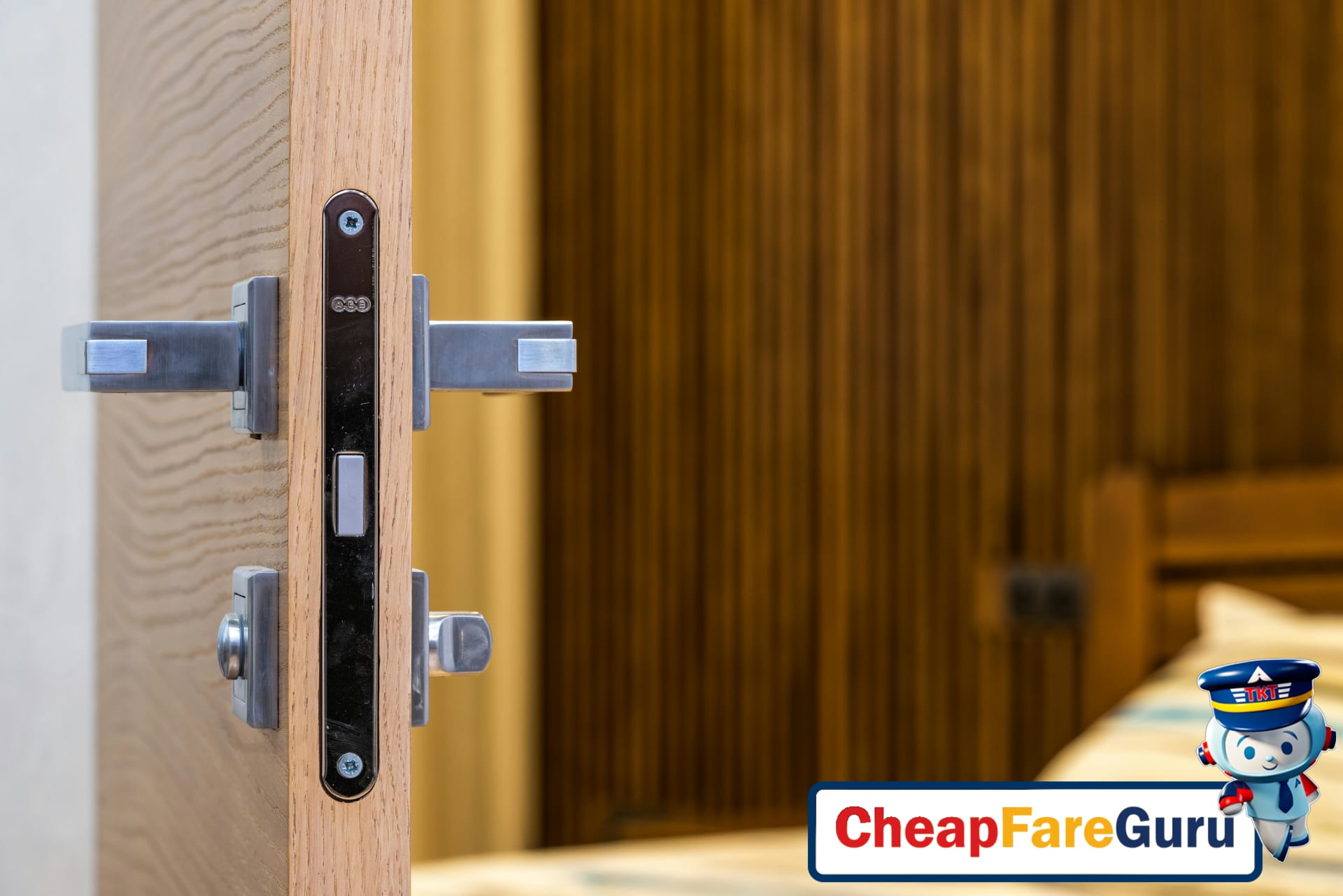
Why Hotel Room Security Matters
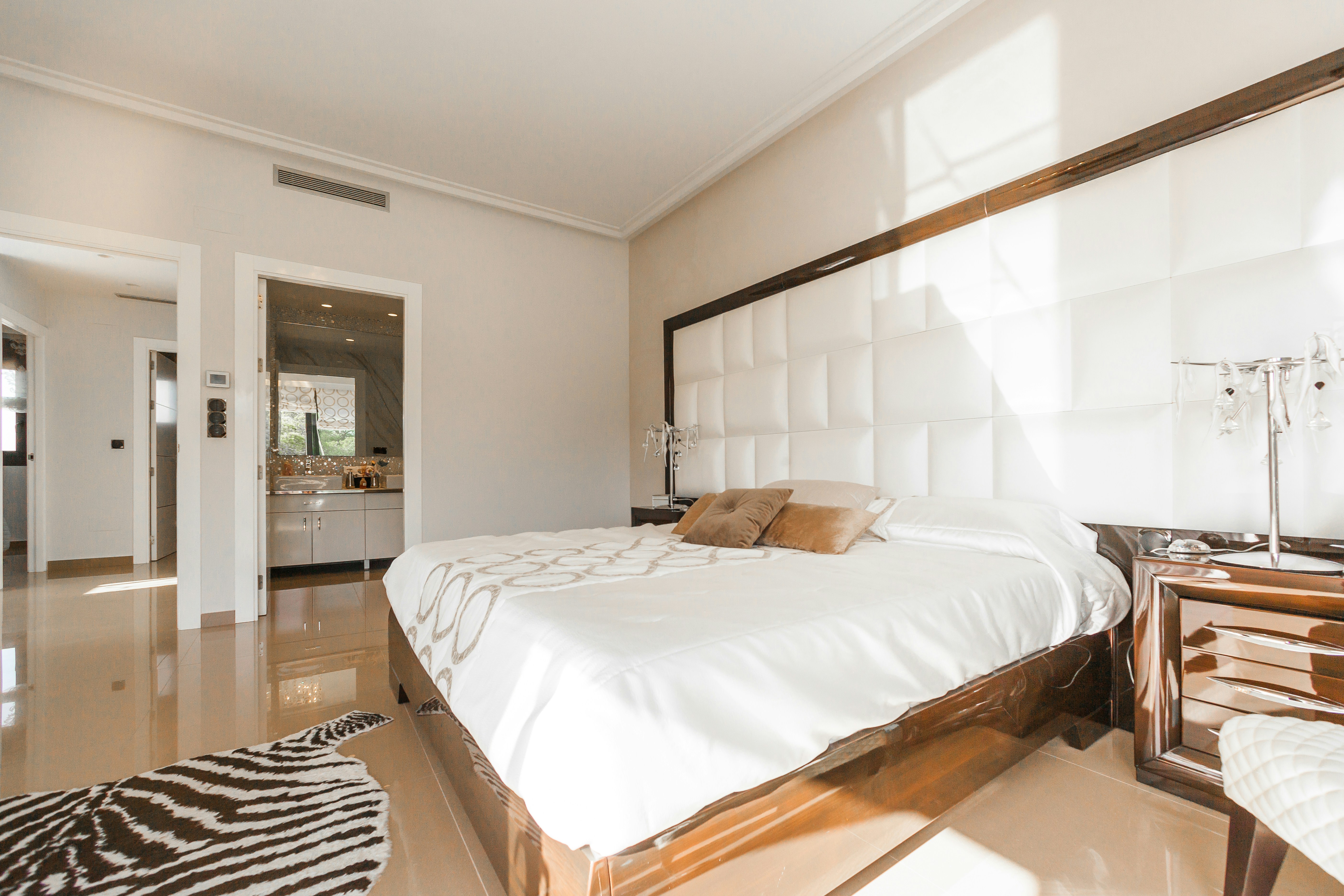
Whether you’re staying in a budget hostel, a mid-range chain, or a luxury suite, hotel room security is something every traveler should take seriously. Typical risks include theft from unattended rooms, break-ins—especially in less secure properties—and even accidental loss of valuables. According to a recent report by the U.S. State Department, hotel thefts are a persistent concern for travelers worldwide, regardless of destination or price point.
I’ll admit, I used to overlook window locks until I found myself in a ground-floor hotel room abroad. That experience made me realize just how easily valuables can be at risk if I’m not attentive. It doesn’t matter if you’re traveling solo, as a couple, or with your family—good security habits give you peace of mind and help prevent stressful situations.
Securing your belongings isn’t just about protecting cash or passports. Laptops, cameras, and even sentimental items can disappear in moments of distraction. These risks aren’t limited to cheap hotels; even high-end properties can have lapses in security or attract opportunistic thieves. That’s why I always recommend evaluating safety features when finding safe hotels on a budget, but the same logic applies no matter your accommodation style.
Essential Steps To Secure Your Room
Before you settle into any hotel room, it pays to take a few minutes to check your security. Personally, I always check the main door’s deadbolt and latch as soon as I arrive—it’s a simple habit that can make a big difference. Here’s a quick checklist to help you cover the essentials:
- Doors: Test the deadbolt and security latch. Make sure both are working and can be locked from inside.
- Windows: Check that all windows are closed and securely locked, especially if you’re on a lower floor or near a fire escape.
- Peephole: Confirm the peephole isn’t damaged or covered. If you notice anything odd, let the front desk know right away.
For added peace of mind, use a portable rubber doorstop or a compact door alarm. These are light, inexpensive, and can prevent unwanted entry while you’re inside. If you notice a security gap—like a broken lock or a window that won’t close—report it to hotel staff immediately and ask for a room change if necessary.
If you want even more practical advice on booking safer hotels, check out the safe hotel booking tips on the cheapfareguru.com blog. It’s worth reviewing before you book your next stay.
Hotel Room Location Safety Tips

Where your hotel room is located can make a real difference in your personal security. I always ask for a room between the third and sixth floors—high enough to avoid easy break-ins from the ground but not so high that emergency access becomes an issue. Rooms on the ground floor are generally less secure, as they’re more accessible from outside and often near busy public spaces. On the flip side, top-floor rooms may be quieter but can be harder to evacuate in emergencies and might be further from help.
At check-in, don’t hesitate to ask for a room away from stairwells, fire exits, or exterior doors. I usually avoid rooms right next to elevators too, since those areas tend to have more foot traffic and noise. For families, it’s smart to request a room not too far from the elevator but still away from exits. Solo travelers might prefer rooms near the middle of a hallway, where staff regularly pass by. Groups can prioritize proximity to each other, but it’s still worth considering security over pure convenience.
If you’re booking a budget property and have special needs, you might find more guidance in our post on how to request special room arrangements.
How To Protect Your Valuables

Keeping your valuables secure in a hotel room takes a little planning and some smart habits. I never leave my passport unsecured in my room, even for quick errands—it’s either locked in the safe or with me. Most hotel rooms offer an in-room safe, which is the best spot for electronics, cash, passports, and jewelry. Before using it, double-check the locking instructions (SentrySafe’s official site has a helpful video guide if you’re unsure).
If your room doesn’t have a safe, ask at the front desk if they provide a secure deposit box. Some travelers feel comfortable leaving valuables with hotel staff, but I’d only do this for items I can’t carry—never my passport or main credit card. Avoid leaving anything valuable out in plain sight, even if you’re just stepping out for breakfast. For small items, you can hide them in less obvious spots, like inside a sock in your suitcase, but this is a backup, not a replacement for a safe.
For a full rundown of what’s worth bringing and what’s best left home, check out our travel essentials packing list for more tips on packing smart and light.
Smart Use Of Hotel Safes

Hotel safes can be a handy way to store passports, extra cash, or electronics, but it’s worth knowing exactly what you’re getting. Guestroom safes are usually digital and let you set your own code, while front desk safes are managed by staff—sometimes with dual keys or a log system. I remember using a safe in a budget hotel and double-checking that it actually locked before heading out, which gave me peace of mind.
Before you stash anything valuable, check that the safe is bolted down and that the locking mechanism works smoothly. Enter your own custom code and pull firmly on the door to confirm it’s secure. Some hotel safes are easier to override than you’d think, so don’t assume they’re foolproof. If you’re storing high-value items, ask about the hotel’s safe policy or look it up on their official website—some models have known vulnerabilities or master codes.
If your room doesn’t have a safe, see if the front desk offers secure storage. As a backup, keep valuables in a locked suitcase or consider carrying them discreetly. If you’re carrying expensive gear, compare the pros and cons of using a hotel safe versus cheapfareguru.com’s tips for avoiding unnecessary travel insurance fees for valuables.
Daily Habits For Hotel Security

Making hotel security a habit takes the stress out of travel. Each morning before I leave my room, I do a quick sweep—stashing valuables like my passport and electronics in the room safe, double-checking that windows are locked, and pulling the door shut securely behind me. Even if I plan to be gone for just a few minutes, I always hang the “Do Not Disturb” sign to give the impression that someone’s inside.
At night, I make it a point to check the deadbolt and security latch before settling in. It’s a rhythm that helps me relax and sleep better, knowing I’ve handled what I can. If you’re traveling with gear—cameras, laptops, or tablets—lock them in the safe when not in use, or pack them away out of sight. For those who need to keep devices handy for staying connected while on the road, keep chargers and accessories bundled together so you’re not scrambling in the morning.
Establishing these routines means you won’t have to second-guess yourself when you’re out exploring or heading to bed. A few extra seconds now can save a lot of hassle later.
Hotel Security Budget Breakdown Table

Travelers often wonder how much extra security actually costs on the road. The reality is, you don’t have to spend a fortune to make your hotel stay safer—small, smart purchases can go a long way. In my own travels, I rarely skip packing a doorstop alarm or an RFID-blocking wallet, even when I’m on a tight budget.
| Accommodation | Food | Transport | Activities | |
|---|---|---|---|---|
| Budget | about $40.00 | about $15.00 | about $10.00 | about $20.00 |
| Mid-range | about $80.00 | about $30.00 | about $25.00 | about $40.00 |
| Luxury | about $180.00 | about $60.00 | about $50.00 | about $90.00 |
What Each Spend Level Means
Budget travelers often use hostels or basic hotels, where security is mostly about what you bring—think portable door locks and keeping valuables out of sight. Mid-range options typically include hotels with front desk staff and in-room safes, while luxury stays offer upgraded surveillance, secure elevators, and more staff presence. But higher spend doesn’t always equal less risk—sometimes, the basics like locking your bag or using a doorstop matter most.
Security Versus Cost: What Matters
Cutting corners on safety, like skipping a lockable bag or ignoring reviews about hotel security, can lead to bigger headaches than the few dollars saved. On the other hand, you don’t need to pay for every upgrade—choosing a well-reviewed property and bringing your own simple security gear can be just as effective. If you want to find affordable hotels and flight deals, check out cheapfareguru.com for options that fit your safety and budget needs.
Frequently Asked Hotel Security Questions
- Will hotel staff enter my room during my stay?
Hotel staff may enter your room for housekeeping or maintenance, even if you’re not there. If you want extra privacy, hang the “Do Not Disturb” sign on your door. For valuables, always use the in-room safe or keep them with you when possible for added hotel room security.
- How can I protect belongings in hotel rooms?
To protect belongings in hotel rooms, use the provided safe for passports, electronics, and cash. I also recommend locking suitcases when you leave. Don’t leave valuables in plain sight, and double-check that windows and doors are securely closed before heading out for the day.
- What should I do if my hotel safe won’t lock?
If your hotel safe won’t lock, contact the front desk right away. Sometimes, a staff member can reset it for you. Until it’s fixed, keep your valuables with you or store them at the reception’s secure deposit box if the hotel offers that service.
- Are hotel room doors secure enough for valuables?
Most hotel room doors have deadbolts and security latches, but I’d never rely solely on them for valuables. In my experience, it’s best to use the room safe and keep expensive items out of sight. If something feels off, request a different room or speak with management.
- Can I ask for extra hotel room security measures?
Yes, you can ask for extra security measures. Some hotels provide portable door alarms or additional locks upon request. If you’re especially concerned about hotel room security, let the front desk know when you check in—they may place you on a higher floor or near elevators for added safety.
Building Safe Hotel Habits Abroad
Wrapping up, it’s clear that a few simple hotel room security habits can go a long way toward making your travels more relaxed and enjoyable. Trusting your instincts, double-checking locks, and having a quick safety routine each night helps you focus on the fun parts of your trip—not just potential risks. In my own travels, sticking to these habits has let me sleep better and worry less, even in unfamiliar places. Planning ahead is smart, but don’t let security concerns take over your experience—balance is key.