

Key Social Customs To Know In Brazil

Brazilian social etiquette is famously warm and expressive, which can catch newcomers off guard. Greetings are a great example: men usually shake hands, while women often greet each other with a kiss on each cheek. Sometimes, you’ll notice a single kiss or even three, depending on the region. For a deeper dive into this custom, the official Visit Brasil tourism site offers a helpful overview.
Physical contact is much more common in Brazil than in many other countries. People stand close together, touch arms or shoulders during conversation, and maintain plenty of eye contact. I was genuinely surprised by how much closer Brazilians stand compared to what I’m used to in the U.S.—it’s a sign of friendliness, not intrusion. Avoid stepping back, as that can seem distant or unfriendly.
Personal space is minimal in social settings, but Brazilians are also skilled at reading body language. If someone seems uncomfortable, most locals will adjust their approach. Smiles, relaxed posture, and light touches are all part of the communication style here. If you’re unsure, mirror your host’s gestures and let them set the tone.
Punctuality And Social Timing
Attitudes toward time can differ between business and social environments. In business meetings, punctuality is appreciated and expected. Social gatherings, however, tend to run on “Brazilian time”—arriving 15–30 minutes after the stated time is completely normal and sometimes even expected. If you’re invited to a friend’s home, don’t stress about being exactly on the dot.
For more advice on navigating etiquette abroad, I’d recommend checking out our internal guide on international travel etiquette tips. It’s a handy reference if you want to avoid accidental faux pas in Brazil or anywhere else.
Airport Arrival Etiquette In Brazil

Arriving in a Brazilian airport can feel hectic, especially after a long international flight. Understanding local etiquette goes a long way in making the process smoother for you and those around you. I once found myself accidentally joining the wrong line at immigration—thankfully, a staff member kindly redirected me, and I learned just how important it is to pay attention to signage and staff instructions.
Queuing And Line Etiquette
Brazilians generally respect orderly lines, but in busy airports, queues can get confusing. Signs are often in both Portuguese and English, but it’s smart to double-check you’re in the correct line for citizens, residents, or foreign visitors. If you’re unsure, ask staff politely—most speak at least basic English, and a simple “Com licença, esta fila é para estrangeiros?” (“Excuse me, is this line for foreigners?”) is usually understood.
Interactions With Staff
Airport officials and staff are typically courteous but expect travelers to be patient and prepared. Have your passport and entry card ready at all times—Brazilian officials may request them more than once before you exit arrivals. A friendly “bom dia” (“good morning”) or “obrigado” (“thank you”) is always appreciated, even if your Portuguese is limited.
Managing Crowds And Busy Periods
Major airports in Brazil can be crowded, especially during holidays and weekends. Keep your belongings close, avoid blocking walkways, and move promptly when it’s your turn at the counter or carousel. I usually recommend checking the cheapfareguru.com airport guide for first-timers before you travel—it helps set expectations for arrival procedures and airport layouts.
Customs Policies And Behavior
Brazil has strict rules about what you can bring into the country. Avoid bringing fresh foods, seeds, or large quantities of electronics. Always declare items if you’re unsure. For official customs guidelines, review the Brazilian government’s travel and customs page before your trip. When speaking with customs officers, answer questions clearly and remain polite—rushing or arguing can cause unnecessary delays.
Brazilian Workplace and Formal Etiquette

Navigating business culture in Brazil means understanding a few key workplace customs. Professional titles matter—address colleagues and supervisors with “Senhor” or “Senhora” plus their last name, especially when you’re meeting for the first time. Even if you’re used to more casual greetings at home, you’ll notice that Brazilian offices tend to favor a more formal tone and attire than you might expect. I was surprised to see just how polished everyone looked and how much importance was placed on proper greetings.
For dress codes, business settings in Brazil typically call for conservative, well-tailored clothing. Men usually wear dark suits and ties, while women opt for elegant dresses or pantsuits in neutral colors. Even in warmer cities, it’s better to err on the side of formality for meetings, and only relax your attire if you observe senior colleagues doing so first.
Exchanging business cards is a small but important ritual. Always present your card with your right hand, text facing the recipient. Accept cards with a smile and take a moment to look at the card before putting it away—this shows respect and genuine interest. Avoid writing on someone’s card during the meeting, as it can come off as disrespectful.
Meetings in Brazil can be either formal or informal, but it’s best to start with a formal approach and adjust based on the tone set by your hosts. Gift-giving is not expected in most business settings, but if you’re invited to a colleague’s home, a small, thoughtful item (like chocolates or a regional specialty from your country) is appreciated. Avoid anything overly expensive, as that may feel inappropriate.
If you want more practical advice for business travel, I’d recommend checking out the business travel tips section for even more insights.
Street Manners and Everyday Interactions

Getting around Brazil’s lively streets means blending courtesy with a bit of flexibility. When you address strangers, especially in casual settings, a polite “bom dia” (good morning), “boa tarde” (good afternoon), or “boa noite” (good evening) goes a long way. I’ve found that using these greetings, paired with a friendly smile, sets a positive tone—especially when you’re about to ask for directions or help.
Street vendors are everywhere, offering everything from fresh fruit to souvenirs. Bargaining is common, but it’s best done with respect. I once tried to haggle too aggressively for a handmade bracelet, and the vendor’s gentle but firm response taught me that politeness matters more than getting a rock-bottom price. Always start with a friendly greeting, ask the price, and if you want to negotiate, do so with a smile and use “por favor” (please). If you reach a deal, a sincere “obrigado” (thank you) is appreciated.
On public transport, such as buses and metros, it’s expected to let passengers exit before you board and to offer your seat to elderly people, pregnant women, or those with disabilities. Keep your voice down and your belongings close—pickpocketing can happen in crowded spaces. In busy markets or on packed sidewalks, be mindful of personal space, avoid blocking pathways, and keep your bag in front of you. If someone brushes past, a quick “desculpe” (excuse me) is polite.
If you want more details on staying alert and safe in Brazil’s cities, check out our destination safety tips article for practical advice on navigating urban environments.
Dining Etiquette in Brazil Explained
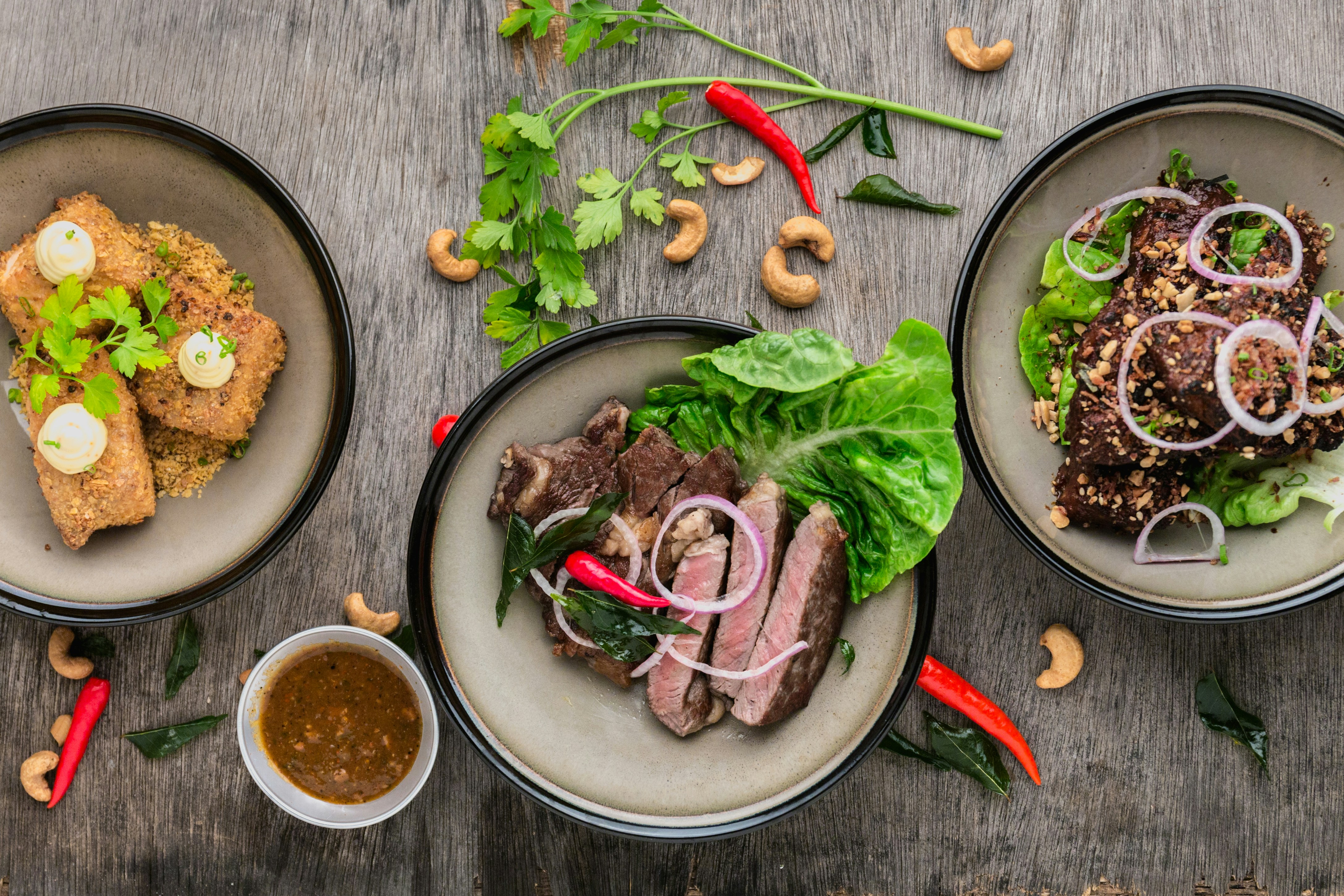
Brazilians take pride in their food culture, and dining etiquette is an important part of social life—whether you’re at a bustling churrascaria or invited into someone’s home. Meals typically follow a sequence: you’ll often start with appetizers (petiscos), then move to a main course, and finish with dessert or coffee. In restaurants, it’s common for the server to bring drinks and bread before the main meal arrives, but don’t be surprised if the pace is relaxed.
Invitations and Home Dining
If you’re invited to a Brazilian home, consider it a genuine gesture of friendship. I quickly learned to bring a small gift—like wine or sweets—when I was invited to a new friend’s dinner. It’s polite to wait until the host signals the start of the meal, often by saying “bom apetite” or taking the first bite. Jumping in too early is considered rude, so I made a point to pause and follow my host’s lead.
Table Manners and Utensil Use
Brazilians generally keep both hands visible on the table—wrists resting on the edge, not in their laps. Forks stay in the left hand, knives in the right throughout the meal, and switching hands is less common than in North America. Avoid eating with your hands unless it’s finger food, and never use a toothpick at the table without covering your mouth. When finished, place your knife and fork parallel on your plate.
Tipping and Showing Appreciation
In most Brazilian restaurants, a service charge is often added, but it’s still customary to leave a little extra—about $1.00 or $2.00 for good service. Thank your host or server directly with a warm “obrigado” (or “obrigada” if you identify as female). If you’re dining at someone’s home, a sincere thank you and complimenting the food is always appreciated.
For more on affordable dining options, check out our guide to cheapfareguru.com for tips on where to eat well in Brazil without overspending. If you’re interested in culinary travel, the official Brazilian tourism site offers a helpful culinary guide for deeper exploration.
Gift Etiquette When Visiting Brazilian Homes

Being invited to a local’s home in Brazil is a gesture of genuine hospitality, and it’s customary to bring a small gift for your host. Flowers or sweets are usually safe choices—think of a box of chocolates or a bouquet of fresh flowers. If you’re staying with a family or visiting for a meal, these tokens are always appreciated and show respect for your hosts’ effort.
There are some things you’ll want to avoid. Gifts in shades of purple or black are often associated with mourning, so I’d steer clear of those colors. Handkerchiefs or sharp objects, like knives, are also considered inappropriate. Alcohol can be tricky—some hosts may appreciate a nice bottle of wine, while others may prefer not to receive alcohol, so I usually stick with sweets or flowers to be safe.
Presentation matters, too. Wrap your gift neatly, but don’t go overboard—simple and tasteful is best. When you arrive, hand the gift to your host with a warm greeting. In Brazil, it’s common for the host to open the gift in front of you, so don’t be surprised if they do so right away.
As a guest, punctuality is flexible—arriving about 15 minutes after the stated time is polite rather than late. I’ve found that removing your shoes isn’t typically expected in Brazilian homes, but if you notice your host or other guests doing so, it’s courteous to follow suit. Keep conversation light and friendly, and show interest in your host’s family and culture without jumping into heavy topics.
When I visited a friend’s family in São Paulo, I brought a box of local chocolates, and it was warmly received—my host even offered me one as soon as she opened it. If you’re unsure what to pack for these occasions, the cheapfareguru.com travel packing essentials post is a handy checklist to review before your trip.
Common Brazilian Etiquette Missteps

Brazil is famously warm and welcoming, but even the friendliest environment has its unspoken rules. Many travelers—myself included—have stumbled over local etiquette, often because what feels normal at home can send the wrong signal abroad. Here’s a checklist of the most common mistakes visitors make in Brazil, why they happen, and some advice on what to do if you slip up.
Checklist of Etiquette Pitfalls
- Using overly informal greetings: Jumping straight to a casual “Oi” with strangers may come off as disrespectful. Brazilians appreciate a polite “Bom dia” (good morning) or “Boa tarde” (good afternoon) with a handshake or cheek kiss depending on the context.
- Arriving precisely on time: In my experience, showing up exactly at the stated hour for a social event felt polite, but it actually made me the awkwardly early guest. In Brazil, there’s a relaxed approach to timing—arriving about 15–30 minutes late is often expected.
- Wearing beachwear away from the beach: It’s tempting to stay in flip-flops and swimwear, but outside the sand, locals dress smartly. Even in hot weather, tank tops and shorts are best reserved for the beach.
- Handling food with your hands: Picking up pizza or sandwiches with your hands is common elsewhere, but in Brazil, using a knife and fork is the norm—even for finger foods in many settings.
- Ignoring greetings and farewells: Walking into a shop or gathering without saying hello, or leaving without a proper goodbye, is considered impolite. Always greet and thank people, even in casual settings.
- Discussing sensitive topics: Jumping into conversations about politics, religion, or income can make people uncomfortable. Brazilians are open, but these topics are best avoided unless you know someone well.
- Assuming all gestures translate: Some hand signs—like the “OK” gesture—can be offensive in Brazil. When in doubt, stick to a thumbs-up or a friendly wave.
Why These Mistakes Happen
Many of these blunders stem from habits that work just fine elsewhere. For example, being punctual is valued in some cultures, but in Brazil, strict punctuality can seem rigid. Similarly, casual dress or skipping greetings may feel efficient, but it’s at odds with the Brazilian emphasis on personal connection and presentation.
How to Recover from a Faux Pas
If you catch yourself making a cultural misstep, don’t panic. Brazilians are generally forgiving and appreciate genuine effort. A simple apology—“Desculpe!”—and a smile go a long way. I’ve found that admitting you’re learning and showing curiosity about local customs often turns an awkward moment into a friendly exchange. For more advice on avoiding common travel blunders, check out our travel mistakes to avoid resource.
Brazil Travel Budget Breakdown Table

When I start planning a trip, I always assign fixed values to each category—accommodation, food, transport, and activities. This keeps my expectations realistic and helps prevent surprises once I’m on the ground. For Brazil, I’ve based these numbers on official tourism pricing averages for major cities like Rio de Janeiro and São Paulo, so you can use them as a practical starting point.
Below, you’ll find a side-by-side comparison of what you might spend in Brazil, whether you’re traveling on a tight budget, aiming for mid-range comfort, or splurging a bit on luxury. Each tier reflects typical daily costs per person, so you can estimate your total trip budget with more clarity. If you’re still working out your airfare, I recommend exploring flight deal comparison tools to see how much you can save before setting your full budget.
| Category | Budget | Mid-range | Luxury |
|---|---|---|---|
| Accommodation Hostels or basic guesthouses |
about $25.00 | around $80.00 | about $220.00 |
| Food Local eateries or restaurants |
about $10.00 | around $30.00 | about $70.00 |
| Transport Public transit or taxis |
about $5.00 | around $15.00 | about $40.00 |
| Activities Attractions, tours, or entertainment |
about $12.00 | around $35.00 | about $90.00 |
These figures help illustrate how your travel style can influence your daily expenses in Brazil. I always recommend reviewing official tourism sites for the latest local pricing, especially if you’re planning to visit during festivals or peak travel seasons.
Answers to Brazil Etiquette FAQs
- What is the proper way to greet someone in Brazil?
Greetings in Brazil are warm and friendly. A handshake is common between men, while women often exchange cheek kisses—usually one on each cheek. It’s polite to make eye contact and smile. When addressing someone for the first time, use their title and last name until invited to use their first name.
- Are there any specific dining customs I should follow?
Brazilians typically wait for everyone to be served before starting to eat. Keep your hands visible, resting wrists on the table, but don’t place elbows on the table. It’s polite to try a bit of everything offered. Refusing food outright can be seen as impolite, so I’d recommend at least tasting each dish.
- Is tipping expected in Brazil restaurants?
In most Brazilian restaurants, a service charge of about 10% is commonly included in the bill. Additional tipping isn’t required but is appreciated for exceptional service. If you’re unsure whether the service charge is included, politely ask your server. For small cafés, rounding up the bill is a nice gesture.
- What’s a common mistake travelers make with Brazil etiquette?
One common mistake is being too direct or blunt, especially when declining invitations or discussing sensitive topics. Brazilians value politeness and indirect communication. Avoid rushing greetings or skipping pleasantries. I usually suggest taking time for small talk before getting down to business or making requests.
- How should I address people to show respect?
Using titles like “Senhor” (Mr.) or “Senhora” (Mrs.) followed by the person’s last name is customary in formal situations. Wait until invited to use first names. This aspect of Brazil etiquette signals respect, especially with older adults or in professional settings. If in doubt, opt for the more formal approach.
- Are there etiquette rules for visiting someone’s home?
When invited to a Brazilian home, it’s polite to bring a small gift, such as flowers or sweets. Avoid giving anything purple or black, as these colors are associated with mourning. Complimenting the home or meal is appreciated. Removing shoes isn’t typical unless the host requests it.
- Where can I learn more about Brazil etiquette?
If you want a deeper dive into Brazil etiquette, I recommend reading our in-depth etiquette guide on the blog. For official cultural perspectives, check resources from the Brazilian Ministry of Tourism or local cultural institutes for up-to-date guidance on customs and respectful behavior.
Why Etiquette Makes Brazil Travel Better
Understanding Brazilian etiquette isn’t just about avoiding awkward moments—it truly opens doors to deeper connections and more rewarding experiences. In my own travels, taking time to learn a few local customs made every visit feel more genuine and welcoming. If you approach each encounter with respectful curiosity, most Brazilians will appreciate your effort, even if you make a few mistakes along the way.
Let etiquette be your invitation to explore Brazil beyond the usual tourist spots. If you’re looking for more inspiration on where to go and what to see, check out our Brazil travel inspiration section for ideas that go beyond the basics. Enjoy your journey, and remember: a little thoughtfulness goes a long way.