
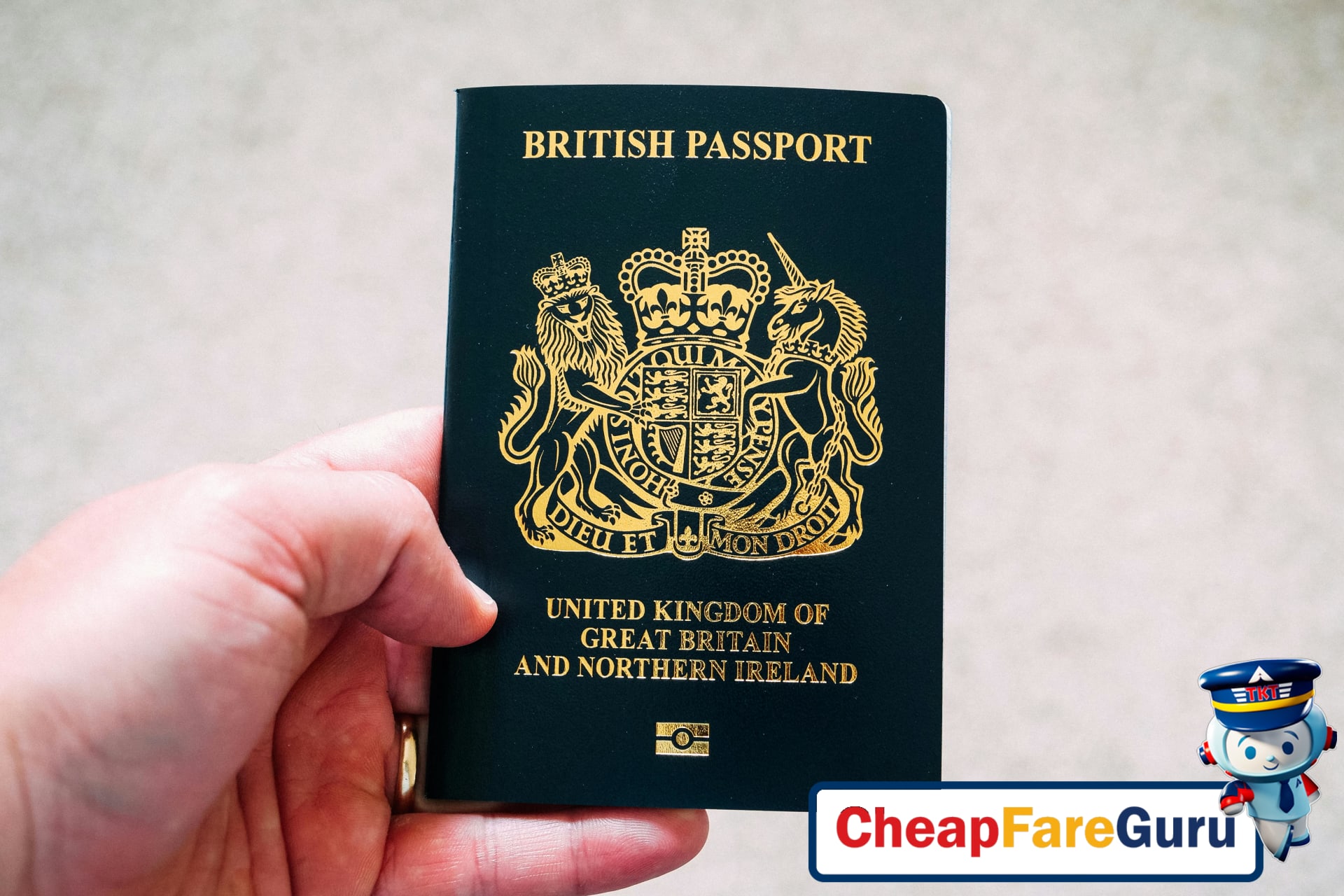

Copying Documents: The $0 Travel Move That Can Save You Hours (or Your Trip)
Run through Reddit’s travel forums and you’ll spot it every month: lost passport panic, missed flights because of vanished boarding passes, or travelers spending hours at embassies after a pickpocket hit in Rome or Barcelona. The most common mistake? Only having originals—no copies, no digital backups, and no safety net. Copying your key documents is more than a chore. It’s cheap insurance against very expensive, very stressful problems.
Real talk: you can layer fancy app locks or RFID-blocking wallets all you want, but physical preparedness beats tech every time something big goes sideways. Aliya Doshi, a freelance UX designer from Toronto, lost her U.S. visa inside her backpack during a layover in Istanbul, September 2024. She had paper and phone copies of every page. Turkish Air staff fast-tracked her through verification—she reprinted her visa and lost under 40 minutes. Compare that to Paul Richardson, an engineer from Seattle, who had nothing but his original UK passport when it was stolen outside Rome’s Termini Station (July 2023). It took him 16 hours, two police stations, and $270 in cab rides to get replacement paperwork sorted. Both shared their stories on FlyerTalk last fall.
Here’s what matters: backup copies aren’t optional. You want both scanned PDFs and old-school printouts, each stored in separate places—your main bag, your phone (password-protected), and a hard copy in your hotel safe or locked bag. Think of it like packing a spare phone charger. You almost never need it—until your vacation (or your sanity) depends on it.
Personally, I track travel advisories and safety tips through CheapFareGuru‘s blog updates—knowing what documents locals and embassies expect has saved me from scrambling in three countries so far. Bottom line: prepping document copies isn’t for the paranoid; it’s basic street smarts. Lose your wallet, phone, or even your passport? Backup docs shrink the hassle from days down to minutes—sometimes before you’ve even finished your airport coffee.
What Documents to Copy and How
Skip this step and risk it: one lost wallet, and suddenly you’re grounded in Rome instead of catching your flight. Budget travelers and digital nomads, listen up—here’s the short list of documents you need duplicate copies of before you board:
- Passport (ID page only and any valid visas)
- Visa (if separate from your passport)
- Driver’s license (both sides)
- Travel insurance card/policy summary
- Itinerary (flight, train, and bus tickets)
- Hotel confirmations (printouts or e-screenshots with booking numbers)
- Emergency contacts (family, plus embassy or consulate for your destination)
I’ve seen too many Reddit posts lately (see r/Travel, December 2025) from travelers like Priya Desai, a graphic designer from Toronto. In December 2025, Priya lost her wallet in Lisbon — but she still caught her flight home because she had passport and insurance scans on her phone and a physical backup in her luggage. No mad scramble, no missed flight, just a minor hassle.
Don’t just take one snapshot and call it good. Here’s why:
- Physical copies help at consulates or police stations if your phone is dead—or stolen.
- High-res scans work for online forms and can zoom in for micro-details like security holograms.
- Storing backups securely (not just in your email) keeps your data safe from prying eyes and accidental loss.
For the copies: black-and-white photocopies are usually enough for in-person emergencies. For scans, go with 300 dpi or higher—use your own scanner or a free app like CamScanner (just make sure to turn on password protection and avoid sketchy “free” cloud backups). I use Google Drive with two-factor authentication for encrypted cloud backup, and I create a shared folder for my family just in case. Evernote is another solid option for saving high-res files behind FaceID or a PIN. Set up your folders before you travel—you really don’t want to be doing this stuck in a hotel lobby Wi-Fi zone at midnight.
One more tip: keep a printed list of emergency contacts tucked inside your backpack or suitcase lining. If you use CheapFareGuru for booking, screenshot your final confirmation page and drop a PDF version in your phone’s folder. That way, if your inbox locks you out or the Wi-Fi fizzles, you still have crucial info to show hotels, transport staff, or border control.
Bottom line: backups can be the difference between a detour and a disaster. The extra five minutes copying documents? Worth every second the day something goes sideways.
3 Ways to Prevent Document Loss: Keep Your IDs Safe on the Road
RFID skimmers hit travelers hardest in crowds—think Istanbul Metro or New York’s Penn Station. You’re just swiping your transit pass, they’re scanning for passport chips or credit card data from inside your jacket. I’ve seen two cases on FlyerTalk last December: Marcus Saito, a software engineer from San Jose, lost $1,219 from cloned cards after an airport lounge visit; Priya Deshmukh, finance analyst from London, caught a would-be thief attempting to slip her RFID-blocking organizer out of a crossbody bag at Lisbon Oriente train station. Old-school pickpockets are everywhere, but digital snatchers are growing fast.
Here’s why you need to double up. RFID-blocking wallets (from $12 on Amazon) and zipped travel document organizers are your first defense. They won’t make you bulletproof but stop common hacks. Tuck your passport, green card, and at least one credit card in an RFID-blocking sleeve. Stash a printed copy of your passport and visa in another place—inside a toiletry kit, deep in your carry-on, or locked in the hotel safe. Put original docs on you (never in external backpack pockets); keep copies far from the originals. If something goes missing, you’ve got a backup. That one step saved Chloe Gutierrez, a UX designer from Dallas, last September. She was rerouted in Buenos Aires after her wallet vanished in an Uber, but airport security let her fly home with a color copy and a backup digital file, avoiding a week-long wait at the embassy.
The deal is, airport zones and train stations are peak target zones. Stay sharp in boarding lines and during security checks—split your stuff before you leave home. At hotels, lock your real passport in the room safe and carry a paper copy in your day bag. Don’t email or upload scans to cloud drives while on public Wi-Fi; hackers lurk on unsecured networks in major tourist zones. If you need to send a document urgently, wait until you’re on reliable mobile data or a trusted VPN.
I set up alerts through CheapFareGuru for changes to my bookings—if my plans shift, I know exactly where my backup copies are for visa checks or check-ins. Bottom line: Treat document safety as seriously as your flight deals. No one plans for theft, but split backups and the right organizer mean a stolen wallet doesn’t wreck your trip.
Lost Passport or ID on the Road? 4 Steps to Get Back on Track Fast
Dropped your passport in a Paris café? Bag swiped on the Budapest metro? Losing IDs on a trip can spin you out—especially if you’re about to board a flight in 24 hours. The deal is, a cool head and fast action matter way more than panic. Here’s how to tackle the mess step by step—so you’re not stranded or scrambling for flights that aren’t there.
- File a Local Police Report—Don’t Skip This
Go to the nearest police station and report your stolen or lost documents. Get a stamped copy or reference number—you’ll need it for your embassy, airlines, and insurance claim. Sebastian Vega, a UX designer from Toronto, lost his wallet and passport in Madrid on May 2, 2025. He filed a report at Comisaría de Centro and received a written record in under 30 minutes. At the embassy the next morning, this paper cut his wait time by half. - Contact Your Embassy or Consulate Right Away
Don’t wait. Find the closest embassy or consulate and call or show up during operating hours (some have emergency lines after hours). They’ll walk you through getting an emergency passport or temporary travel letter—usually in 1–3 days, sometimes same-day if you’ve got a flight booked. Katrina Li, a college student from San Jose, had her ID stolen in Rome in January 2026. She called the US Embassy (+39-06-46741) and got her emergency passport in 26 hours with her police report. - Tell Your Airline or Travel Agency
Contact your airline, CheapFareGuru, or whoever booked your trip. Policies vary, but if you’re waiting on replacement documents, many airlines—Delta, Lufthansa, Singapore—will re-accommodate you for free or minimal fees if you have proof (police report number and embassy statement). You might need to shift outgoing dates or get a new ticket number. Customer support numbers: Delta (1-800-221-1212), United (1-800-864-8331), Emirates (1-800-777-3999). - Stay Proactive: Emergency Contacts & Communication Tips
If you’re in a rush or struggle with local language, use these lines:- US State Dept. Overseas: +1-202-501-4444
- Canada Emergency Abroad: +1-613-996-8885
- UK Consular Support (24/7): +44-20-7008-5000
- EU Consular Protection (for EU citizens): 112 (general emergencies), find embassy roster at europa.eu
Snap photos of every document you find, and write your name, DOB, and citizenship on paper for embassies (they’ll check databases for confirmation). For non-English speakers, Google Translate’s “conversation mode” (set to offline before you travel) helps bridge gaps at police or embassy counters.
Look, these situations eat up your time, stress, and sometimes cash. But you’re not alone—I’ve seen dozens of CheapFareGuru fliers reroute trips or recover passports by following these exact steps. Keep digital copies of everything, double-check your embassy’s website before showing up, and lean on customer support teams (they exist for these moments, not just for flight changes). Bottom line: Fast reporting and clear communication make a brutal situation survivable—and might even save your next flight connection.
6 Lifesaver Contacts and Apps You Should Save Before Any Trip
Getting stuck abroad with no clue who to call is brutal—especially if you lose your phone signal or get hit with a medical emergency. Here’s a no-nonsense directory to keep on hand (and yes, you really want these saved offline before you go).
- U.S. State Department (for Americans overseas): Bookmark travel.state.gov for advisories, nearest embassy/consulate info, and emergency service details. The 24/7 emergency hotline is +1 202-501-4444 (call collect). That’s the line you want if your passport vanishes or you face a real crisis abroad.
- Local Emergency Numbers—Not Always 911:
- Europe (EU): 112 (police, fire, ambulance in all EU countries, including France, Spain, Germany, etc.)
- UK: 999 or 112
- Australia: 000
- Japan: 110 (police), 119 (ambulance/fire)
- Mexico: 911
- India: 112 (national), or 100 (police), 102 (ambulance), 101 (fire)
- Travel Insurance Assistance: If you booked with travel insurance, their hotline can get you hospital referrals, language help, and more. Example: Allianz Travel Assistance (U.S.): +1 804-281-5700. Check your policy for YOUR carrier’s number—Tyler Kim, digital nomad from Seattle, used World Nomads’ emergency line (+1 212-671-0066) in March 2025 when his bag got stolen in Lisbon.
- Essential Apps:
- Smart Traveler (U.S. State Dept): Sends push security alerts, lets you find the nearest embassy fast. Free, iOS & Android.
- Red Cross Emergency: Lets you get first aid tips offline, location-specific hazards, and real-time disaster alerts—downloadable for most countries.
- Local service apps: Examples—India’s “112 India” app, Australia’s “Emergency+”. These give you direct dial, geo-tagged help, and guides on what to say when calling for help.
- Offline Backup: Screenshot, write down, or save contacts in your phone’s notes app. If your SIM dies, so does your map/app access. Jane Liu, web designer from Toronto, was locked out of her hotel in Bangkok in January 2026 with a dead battery. She used a handwritten emergency card to call Thai tourist police (1155) from a borrowed phone.
Look, those CheapFareGuru fare alerts are one thing, but knowing you can speed-dial help wherever you land is real peace of mind. Bookmark, print, or screenshot the list above—the first 5 minutes in an emergency can shape the whole outcome.
Up to $500 in Coverage: What Travel Insurance Actually Pays for Lost Documents
Lost your passport or travel docs mid-trip? Standard travel insurance policies often step in with real money, not just “assistance.” Most off-the-shelf plans cover up to $500 (sometimes $750) for the headaches that come with losing your passport, visa, or entry permit. That means reimbursing you for rush replacement fees, extra cab rides to embassies, and even up to $200 for notarized translations—that’s in actual payout terms, not just benefit descriptions.
Here’s where people get tripped up: not all insurance includes this, and the fine print changes everything. In January 2025, Dominic Herrera, a consultant from Houston, filed a claim with TravelGuard after losing both his wallet and passport in Barcelona. He shared on FlyerTalk: “They covered the $393 embassy rush fee and $44 taxi receipts, but denied my $66 cell bill for embassy calls.” Coverage rules spelled it out—out-of-pocket costs for “physical” replacement, but not phone or non-emergency admin fees.
Add-ons matter too. Emergency assistance options (about $10–$20 extra) bundle in 24/7 help: live agents booking embassy appointments, legal referrals if you’re stuck at border control, and sometimes even translation services for police reports. In August 2024, Priya Shah, a digital nomad from San Jose, upgraded her WorldNomads policy after a friend’s passport drama in Portugal led to two lost days and $180 in unexpected expenses. For Priya, paying the extra $16 for rapid document help ended up saving a week of stress when she needed embassy guidance herself during her next trip.
Bottom line: Don’t just skim the “benefits” chart. Read how claims work, what receipts are needed, and whether you need to buy an emergency document add-on based on where you’re headed. Risk level matters—a simple week in Canada isn’t the same as a month in Morocco. I compare policies side-by-side through CheapFareGuru every time I book complex trips, just to be sure the coverage actually matches my route, not just the airline’s checklist.
3 Document Loss Recoveries: What Actually Helped and Hurt
Lost passport in Mexico City, missed connection in Toronto, wallet swiped on a night train between Milan and Zurich—none of these people thought it’d happen to them. But here’s the thing: what they actually did next made all the difference, for better and worse.
Olivia Lim, marketing exec from San Francisco, lost her passport at CDMX airport in February 2025. She’d scanned her passport and stored the PDF in Google Drive, so consular staff processed her emergency travel document in under three hours. Problem? She’d left her visa paperwork buried in her checked luggage—retrieval took two extra hours and $91 in airport fees. Olivia still caught her rebooked Air Canada flight later that evening, but those two hours meant a night in Toronto waiting for the next connection home.
Karl Patel, software engineer from Seattle, got his phone and wallet stolen in Milan on March 12, 2024. Karl reported the theft immediately at Milano Centrale—police helped him block his U.S. cards and file a report, but he’d saved card numbers only in a draft email, not a secure vault like LastPass. Banking back home flagged his situation, but replacing his SIM card for text verification took two days and meant he missed a $272 train ticket to Zurich. Karl’s lesson: spread out your backups, carry an emergency international SIM, and don’t rely only on your main device.
Sophia Han, UX designer from Toronto, left her backpack with all her IDs on a Paris Metro in November 2024. She’d made color copies of her passport, driver’s license, and health card, stashed in a side pocket of her carry-on. At the Canadian consulate, that physical set of copies sped things up, but missing a scanned digital version slowed down the process for her Canadian bank to issue new cards. Two local branch visits and €47 in currency exchange fees later, she re-activated her travel funds the next day.
Across these stories, a few things made a difference: scanning and backing up every page of important documents (not just the main page), splitting physical and digital backups, and knowing exactly where to go for help—whether the consulate, transit police, or your bank’s lost card hotline. I track stories like these through CheapFareGuru’s travel alerts and traveler Q&A threads—real talk, reading what tripped other people up is the fastest way to get prepared.
Bottom line: Speed and sanity both come down to planning backups that actually fit your habits. Don’t wait until a passport’s missing to realize you only have one grainy phone photo or that your critical logins are locked behind a phone you just lost. Learn from Olivia, Karl, and Sophia—the $47–$272 price tag on recovery isn’t the worst part, it’s the lost time and stress you pay on top.
Risk Levels by Destination: Change Your Document Backups or Pay the Price
Leaving your passport in a Paris hotel safe? Decent plan for June, when petty theft picks up—over 26,732 reported cases in summer 2025, according to Statista. Carrying all your IDs with you in central Bogotá in September? That’s a fast track to headaches, with local police reporting wallet theft doubling during the tourist rush. The deal is, “one-size-fits-all” doesn’t cut it when protecting your documents abroad.
High-risk destinations (think: Barcelona in August, Rio during Carnaval, or Rome around Christmas markets) demand extra steps. I recommend digital scans stored in two places—encrypted cloud and a USB drive buried in your bag. For physical docs, split ‘em up: passport in an anti-theft pouch, backup ID elsewhere. And don’t forget, hotels in Bangkok saw a spike in room theft complaints in December 2024, per the Bangkok Post—so that room safe? Not bulletproof.
Low-risk destinations—say, Copenhagen or Tokyo—still need a basic plan. But in 2025, Tokyo’s reported 1,192 lost passports over a full year (Japan National Police) compared to London’s 8,239 in July–September alone. In calmer settings, you can usually leave the extra credit card in your main luggage and relax a bit more. Still: never carry everything at once.
Here’s what matters—crime isn’t static. In Dubrovnik, street pickpocketing went up 34% during July–August 2025, Croatian Ministry of Interior data shows. So check for seasonal spikes before you go. I follow local news and track risk alerts with CheapFareGuru fare tools; their email updates flagged Barcelona’s metro theft warnings a week before my May 2025 trip.
Bottom line: match your precautions to the actual risks. You don’t need Fort Knox for Cape Town’s off-season, but you’re asking for problems if you wing it in Milan during Fashion Week. The smart move is stacking extra document backups, especially when risk is high or crowds surge. It’ll save you hours, money, and stress if things go sideways.
3 Copies, 2 Backups: The Pre-Trip Rule You Can’t Skip
On every single trip—whether it’s Chicago for 3 days or a summer epic in Lisbon—I stick to the same document routine: print one set, keep another in my bag, and snap digital copies saved to cloud and phone. If my passport or cards go missing, I’ve got backups to speed up embassy visits and file police reports. You don’t want the stress of scraping together info from memory at 2am. Just ask Priya Deshmukh, an IT analyst from Toronto, who lost her bag in Rome last July—her passport copy zipped in her backup pouch meant she was out of the consulate in 2 hours instead of stuck for two days.
Long story short, prepping your document copies isn’t busywork. It’s your reset button if things hit the fan abroad. I’ve seen even careful travelers—like Ben Jackson, freelance writer from Seattle, caught off-guard when his phone died at Madrid airport in September 2025. Boarding pass printed? He breezed through. Phone-only friends wound up in the slow lane dealing with kiosk resets.
What works: Make a mini checklist before each trip. Driver’s license both sides, credit card (with numbers covered), health insurance card, full itinerary, and a backup contact doc. One print for your bag, one for your accommodation safe, and all files named with dates on your cloud storage. Set a reminder: do this on packing night.
Here’s why: Shortcuts get expensive, fast, if something goes wrong. Safe, prepared travelers spend less fixing surprises. CheapFareGuru lives and breathes two things—budget-friendliness and making sure travelers have someone in their corner, 24/7. I use their fare alerts and trip tools so I’m only focused on wandering, not worrying about trip details. Layers of prep, plus a solid travel partner, and you’ll stress way less next time you head out.
FAQ: Document Safety for Travelers
What is travel document safety and why does it matter?
Travel document safety means keeping your passport, visas, tickets, and important IDs protected from theft, loss, or damage throughout your trip. If you lose a passport abroad, you’re looking at extra costs—an emergency replacement passport typically starts at $165 (U.S. price as of March 2026) and can ruin travel plans for days. That’s not counting visa fees or rebooking flights. Straight up, travel document safety prevents lost time, stress, and money.
How can I create secure digital backups of my documents?
Scan every page of your passport, visa, and travel insurance card. Save them as PDFs, then password-protect those files. Don’t just email yourself copies—use cloud storage with two-factor authentication (like Google Drive with 2FA activated). I keep backup copies on two separate services: one cloud, one encrypted USB. On a January 2026 trip, I lost my backpack in Budapest. Having my backups let me speed through the embassy process in hours, not days.
When should I contact my embassy if documents are lost?
Contact your embassy or consulate immediately if your passport or visa is stolen or missing for over 24 hours. In Italy, U.S. citizen Priya Patel reported her stolen passport in Rome in December 2025—the consulate issued her a limited-validity emergency passport the next business day. Embassies will ask for ID, police report, and, if available, your digital backups.
Can travel document safety be improved with apps?
Yes. Use travel wallet apps like TripIt or Mobile Passport. Both let you store secure digital copies and even autofill expedited passport info for select U.S. airports. As of January 2026, Mobile Passport supported 35+ U.S. airports and cruise ports. The caveat? Never rely only on an app—always keep offline copies.
Why is it important to keep physical and digital copies separately?
If your phone and bag are stolen together at a train station, having all eggs in one basket means you’re out of luck. Store digital backups on a cloud drive and a backup USB in a different bag or even with a trusted travel partner. Physical copies (e.g. printed PDFs) should stay in your hotel safe, not your day bag.
What insurance options cover lost travel documents?
Most comprehensive travel insurance policies (Allianz, AXA, World Nomads) offer reimbursement for lost passports or IDs, usually capped at $250–$500 with documented proof. Always check the “Personal Document Replacement” clause. Don’t assume basic trip cancellation policies include this—read the fine print before buying. I flag these policy details when searching plans through CheapFareGuru’s deal filters.
How do destination risks affect travel document safety plans?
Destinations with high pickpocketing rates—think Barcelona, Prague, or Hanoi—mean you need extra vigilance. Stephanie Liu, UX designer from Toronto, had her wallet swiped at Barcelona’s Sants station in August 2025. Because she split her passport copy and backup $100 in two different places, she replaced her ID and kept her trip on track. Know the risks and adapt: higher-risk areas = stricter backup routine.
Trusted Travel Safety & Security Resources: 4 Essential Links
If you’re after up-to-date, no-nonsense info on air travel rules or safety policies, start at the source. These are the pages I keep bookmarked and check before booking or heading to the airport:
- U.S. Department of State – Traveler’s Health & Safety: Covers country-specific alerts and health regulations.
- IATA Safety Programs: Everything from airline operational safety to travel standards.
- TSA Security Screening: What you can bring, current screening rules, and prohibited items—straight from TSA.
I’ve also cross-checked with FAA (faa.gov) and DOT (transportation.gov) for policies before sharing fare tips at CheapFareGuru. Bottom line: always verify things like required documents or allowed carry-on items directly from the agencies above, especially before an international trip.