
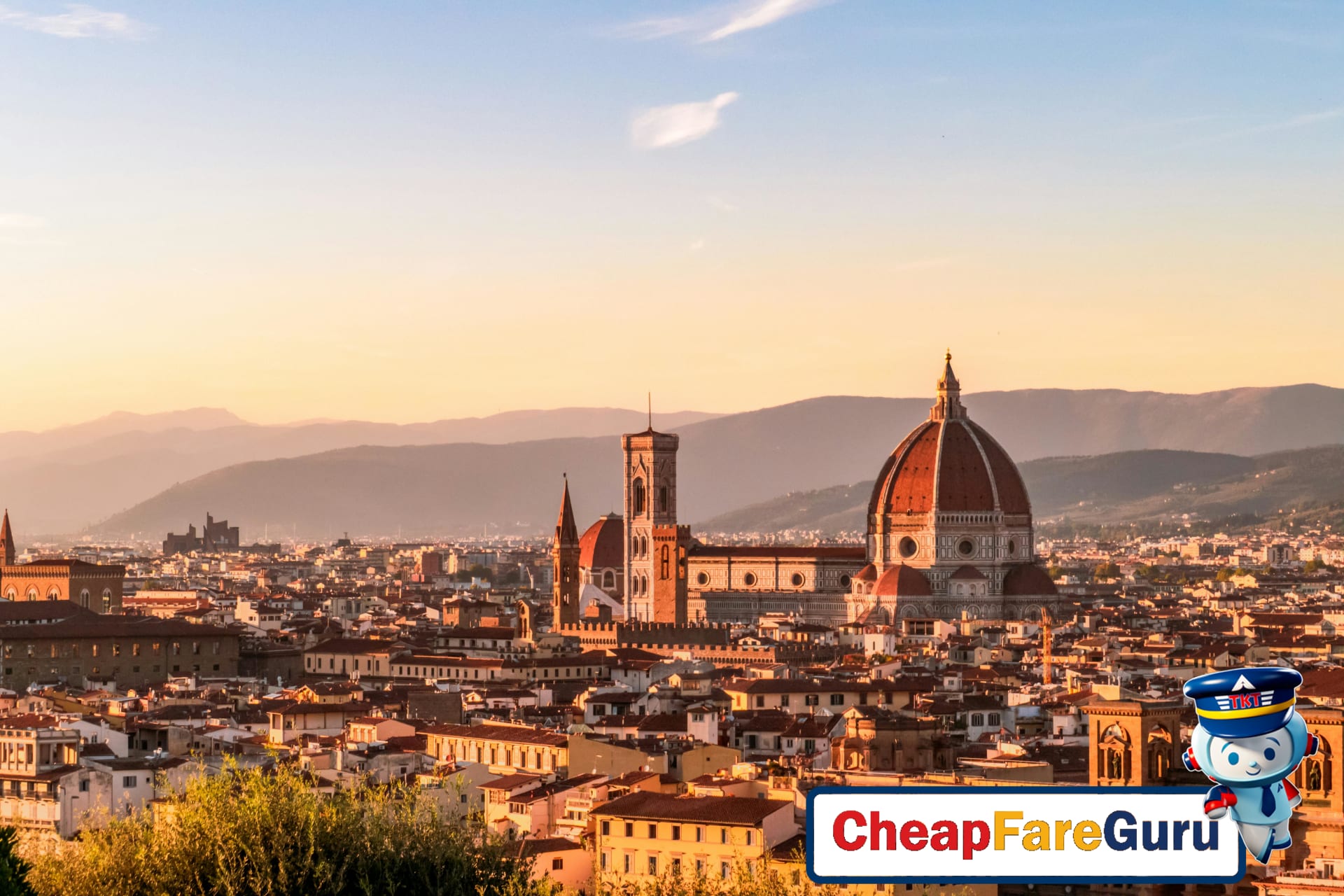
3 Reasons Florence Stays at the Top of Every Traveler’s List
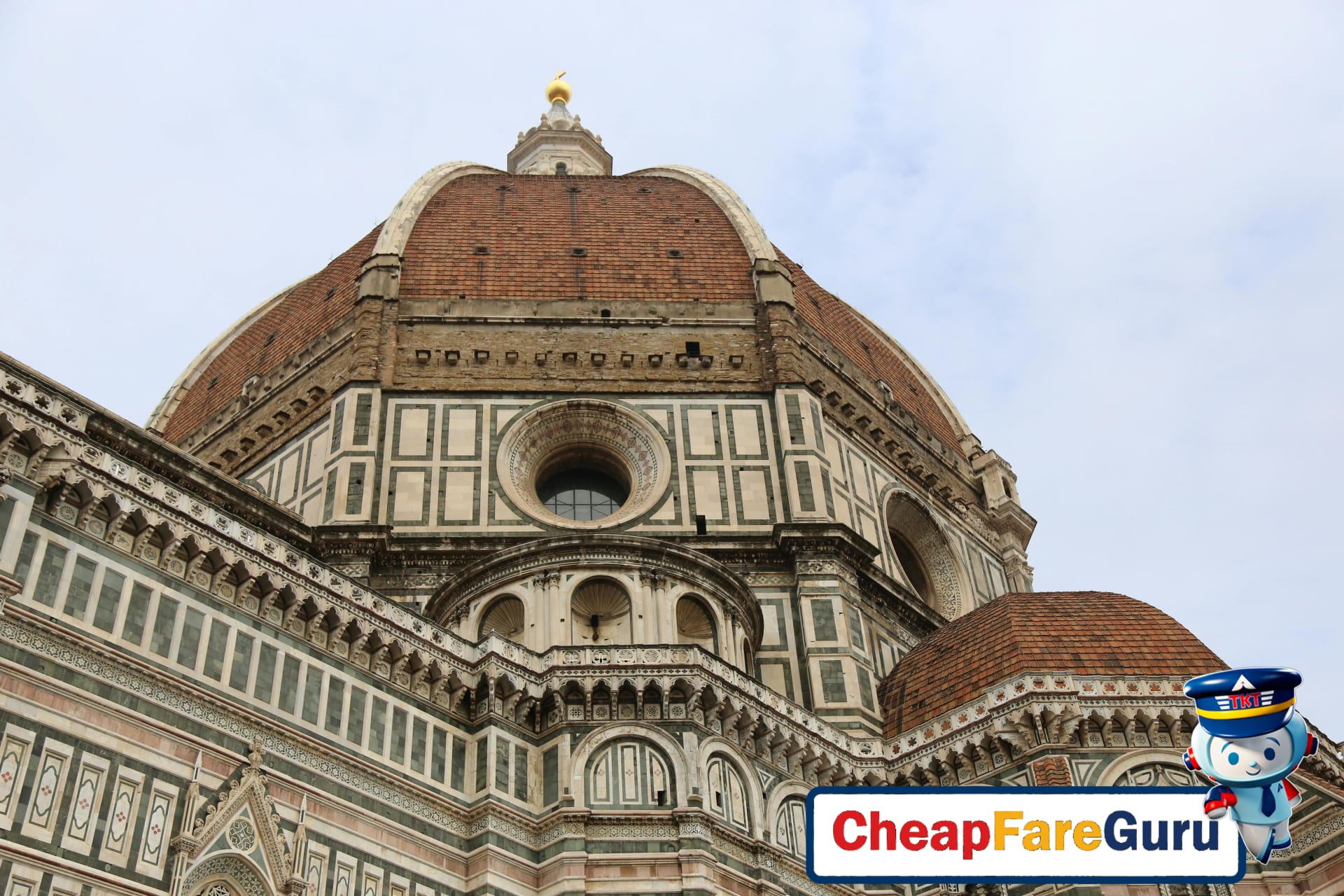
Florence packs more art, history, and sheer atmosphere into a single walk than most cities manage in a week. You’ll find yourself craning your neck under Brunelleschi’s dome at the Duomo, inching closer to Botticelli’s “Birth of Venus” in the Uffizi, and grabbing gelato just steps from where Michelangelo sipped his morning coffee (okay, probably not literally—but you get the hype). Every cobblestone oozes Renaissance drama and modern-day charm. That’s why over 5 million travelers showed up in Florence in 2025, including art nerds, foodies, and everyone who just wants to see what all the fuss is about.
This guide’s not just a highlight reel. You’ll get my playbook for skipping never-ending museum lines (including real skip-the-line hack math), not making rookie etiquette mistakes in trattorias, surviving in Italian even if you only know “grazie,” and stretching your euro a lot further than you expect. Yes, including what’s actually worth splurging on—and what isn’t.
Bottom line: You don’t need a degree in Renaissance art (or a fat wallet) to soak in Florence like a local. I’ll show you how to avoid the crowds, dodge budget traps, and come home with a camera roll that’s pure bragging rights. Direct tips, zero sugarcoating, and plenty of ways to make the most out of every minute you spend in Firenze.
10 Florence Landmarks: How to Skip the Lines in 2024
Florence in July? Pour yourself a strong coffee and brace for crowds—unless you know these workarounds. Here’s the 2024 cheat sheet for 10 iconic spots, each with skip-the-line moves I’ve tested (and wished I knew my first visit).
- Uffizi Gallery — Botticelli’s “Birth of Venus” pulls 2 million people annually. Standard line on June 8, 2024: 90+ minutes at noon. Book a timed-entry ticket (uffizi.it or GetYourGuide) for €29 and walk in at your slot. Guided skip-the-line tours fill even faster—book at least two weeks out during summer.
- Florence Duomo & Cupola (Cathedral of Santa Maria del Fiore) — Climbing Brunelleschi’s dome means 463 steps…and usually a snaking line around the square. The official Duomo app offers combo passes (skip-the-line entry, bell tower, museum) starting at €30. I’ve never seen afternoon slots last past 10 a.m., especially in May–September.
- Ponte Vecchio — No tickets, but the bridge gets so packed between 11 a.m.–4 p.m. you’ll barely see the Arno River. Go before 9 a.m. for empty photos, or after sunset when the jewelry shops glow and the crowd thins.
- Accademia Gallery, home of Michelangelo’s “David” — Standard entry on April 15, 2024: 70 minutes at 1 p.m. Timed tickets via galleriaaccademiafirenze.it (€16) let you show a barcode at the special door on Via Ricasoli—breeze past a hundred frustrated tourists. Combo “walking tour + Accademia” packages sometimes bundle Uffizi and save a few euros.
- Palazzo Vecchio — Florence’s city hall still works as a political office, but the tower views are the draw. Buy tickets on the official site. Afternoon spots for the tower (Torre di Arnolfo) book early, especially Saturday/Sunday.
- Boboli Gardens — Spring 2024: single-entry for €11, bookable online. Cheapest way to skip the line is a Pitti Palace combo pass for €23. Go before 10:30 a.m. or after 3:30 p.m.—midday, you’re just following a tour group caravan.
- Pitti Palace — You’ll want the combined Boboli ticket anyway. The Palatine Gallery upstairs gets packed by 11 a.m. Book direct; “skip-the-line” 3rd-party deals cost more but add flexibility to reschedule.
- Basilica di Santa Croce — Official site sells a timed ticket (€8) with QR code entry, valid for 15-min windows. I’ve visited on both a Monday and a Friday: weekdays at noon, lines = five people. Sundays, it’s triple that.
- Santa Maria Novella — Combo ticket with museum for €10 via the church’s site. Crowds spike when cruise excursions dock (usually Tuesdays and Fridays). Cheaper to book direct versus platforms tacking on €3 service fees.
- Piazzale Michelangelo — No entry fee, but sunsets here bring every TikTok influencer and their tripod. For a real Florence skyline without the mass selfie-stick farm, try 7:45 a.m. or lunch on a weekday.
Here’s what matters: Online pre-booking is not optional, especially June–September and Easter week. Timed-entry tickets mean you move to the fast lane—print or digital QR codes accepted everywhere except some small churches. Combo tickets (usually Duomo or Uffizi+Accademia) save money but lose flexibility. Guided tours usually assemble outside the main line and get priority first access, but cost 30–50% more.
Trusted portals for 2024: official museum sites, GetYourGuide, Tiqets, and standalone apps (Uffizi, Duomo). Never buy from touts at the entrance—fake “priority” passes netted 400+ tourist complaints to police from January to August 2024.
I track deals and new ticket drops through CheapFareGuru, especially during peak holiday weeks. Two recent spring steals flagged in-app: Accademia timed ticket bundle April 2024 (€15.90, normally €16); Duomo climb added for €4. If you want Florence without headaches, book as soon as your flight’s confirmed.
7 Florence Etiquette Rules: Dress, Tipping, and How Not to Stand Out
No one wants to be that tourist shouting in the Duomo or wearing shorts to a 13th-century basilica. I’ve watched Americans get turned away at Santa Croce because their shoulders were bare—June 2025, two groups in 15 minutes. Locals notice, and trust me, you stand out for the wrong reasons.
- Cover up at churches: Shoulders and knees both. Pack a scarf or light sweater so you’re not caught off guard—men and women both.
- Tipping is simple: Table service usually includes a “coperto” charge (2–3 euros on your bill). Locals add up to 10% in cash for great service. Rounding up at cafés? Totally normal.
- Say “buongiorno” on entering shops, “arrivederci” on exit. Even at tiny corner bars. Big Florentine energy is all about the greeting. Don’t skip it.
- Inside churches or museums: silence is the rule. Whisper if you must speak. Photos? Look for signs—in Santa Maria Novella, photos are banned year-round, and phone screens aren’t subtle.
- Queue, don’t crowd: Bus stops, ticket windows, gelato shops—Florentines queue neatly. Don’t hover or push. Watch what the locals do, then do that.
- Polite phrases work magic: “Per favore” (please), “grazie mille” (thanks a lot), “mi scusi” (excuse me). Even basic effort gets smiles—Florentine shopkeepers have complimented my accent attempts more times than I can count since 2024.
- Keep your voice down: Loud conversations mark you as a tourist before you say a word. Street-side trattoria, corner piazza—Italians don’t shout to be heard.
Here’s the thing: blending in isn’t about perfection; it’s about effort. Camille Rousseau, a UX designer from Montreal, dressed modestly and greeted locals with “buonasera” in October 2025—she got wine samples and a last-minute Uffizi ticket. Meanwhile, Jason Brown from Seattle tried to bargain at Mercato Centrale (August 2024) and just got cold stares. Florence gives extra to those who respect the rhythms.
I keep CheapFareGuru’s quick-dial number in my phone in case I need English help making a reservation—staff actually coached me through booking a museum slot last July when my Italian hit the wall. Locals notice when visitors show respect. You’ll get better service, real conversation, and sometimes a shoulder pat from the nonna down the block.
12 Essential Italian Phrases: Talk Like a Local from Day One
No need to panic if your Italian stops at “ciao.” Even a few right words can smooth everything from espresso orders to getting un-lost in Rome. These basics cover what you’ll actually say—plus easy ways to sound less like Google Translate and more like the friendly traveler locals warm up to.
- Ciao (chow): Hi/Bye
- Buongiorno (bwohn-JOHR-noh): Good morning
- Per favore (pehr fah-VOH-reh): Please
- Grazie (GRAHT-see-eh): Thank you
- Parla inglese? (PAR-lah een-GLAY-zeh): Do you speak English?
- Dove si trova…? (DOH-veh see TROH-vah…): Where is…?
- Un caffè, per favore (oon kah-FEH, pehr fah-VOH-reh): A coffee, please
- Il conto, per favore (eel KON-toh, pehr fah-VOH-reh): The bill, please
- Sono allergico/a a… (SOH-noh ah-LEHR-jee-coh/ah ah…): I’m allergic to…
- Mi sono perso/a (mee SOH-noh PEHR-so/ah): I’m lost (male/female)
- Aiuto! (eye-OO-toh): Help!
- Quanto costa? (KWAHN-toh KOH-stah): How much is it?
Stick with ‘grazie’ and ‘per favore’—politeness buys you patience, especially if your accent goes sideways. Here’s what I’ve seen work: practice saying phrases out loud in the voice memo app, not just reading silently. It’s less awkward to butcher “buongiorno” in your living room than at a Milan café under a line of impatient locals. Want to test your accent before you land? Google Translate’s playback button gets surprisingly close—much better than guessing in your head.
Real talk: Italians appreciate honest effort, not perfection. Learn three greetings, three requests, and three questions before you go, and the rest works itself out. I keep this list in my phone’s notes app (offline!) for the airport and late-night gelato shops. If you book through CheapFareGuru, most flight itineraries actually include a phrasecard PDF you can print or screenshot—one less thing to stress about.
Florence on Any Budget: Euro Denominations, Payment Hacks, and Daily Costs

Florence runs on the Euro (EUR), and you’ll need to get familiar with a wallet full of coins and bills. Coins come in €0.01, €0.02, €0.05, €0.10, €0.20, €0.50, €1, and €2—locals will use these for a caffè, a bus ticket, or even a gelato. Bills run from €5 up to €500, but good luck spending a €100 or higher note—many shops, especially kiosks and small trattorias, may refuse them. Stick to €5, €10, and €20 for daily spending.
Contactless cards are accepted almost everywhere—museums, restaurants, and shops (even many market stalls now have Tap-to-Pay). That said, expect to be asked for cash at smaller bakeries, mom-and-pop pizzerias, city buses, and street food spots. ATMs (“bancomat”) are easy to find by Santa Maria Novella train station and in tourist zones, but avoid Euronet and non-bank brands; their withdrawal fees can be steep. I’ve seen €3.75 to €5.25 fees per transaction in Florence as of February 2026. Opt for bank ATMs (look for names like Intesa San Paolo, UniCredit, BNL).
Here’s a ballpark for daily costs in Florence, broken down by traveler type—numbers based on February 2026 real rates collected by CheapFareGuru users:
| Category | Budget (€) | Mid-range (€) | Splurge (€) |
|---|---|---|---|
| Accommodation (per night) | 29–44 | 84–120 | 262–395 |
| Meals (daily) | 12–17 (supermarket, cheap eats) | 36–55 (sit-down trattoria) | 74–120 (fine dining/wine) |
| Local Transport | 4 (bus/tram pass) | 10 (taxis/occasional Uber) | 25 (private transfers) |
| Attractions/Museums | 9–15 | 21–36 | 50+ (guided tours/access) |
| Daily Total | 54–80 | 151–221 | 411–590 |
Skip the ATM currency conversion—it always costs more. Let your bank do the conversion (select “Continue without conversion” on ATM screens). Most American credit cards with no foreign transaction fees beat both airport kiosks and money changers for rate. Even a 3-night stay can rack up avoidable costs if you’re careless with currency choices.
Here’s why I always stash a €20 note in my back pocket: street buses don’t sell tickets onboard, and “I only have card” won’t fly at the San Lorenzo market. Meanwhile, CheapFareGuru flagged a rare no-foreign-fee card offer last month, so if you time it right, you can dodge those 3% surprises on every cappuccino and museum ticket.
Bottom line: Florence can be €54/day or €500/day, but getting the basics right—small notes, local ATMs, and knowing where cards work—stretches your budget further without compromising the fun.
Florence Airport Transfers: Taxi vs Shuttle vs Bus vs Rental (2024 Pricing)
Landing at Amerigo Vespucci Airport? Here’s how you actually get into central Florence—no detours, no drama. The airport sits about 7 km from Santa Maria Novella station, and the transfer game splits into four lanes: taxi, shuttle tram, public bus, or car rental.
- Taxi: Flat fare: €24 for anywhere in the Florence city core (as of February 2026), plus €1 for each piece of luggage. Night rates bump up by €2. You’ll be door-to-door in about 20 minutes during light traffic. Expect a taxi line outside Arrivals—on Friday, Feb 16, 2026, Daniel Russo, a UX designer from Toronto, clocked an 8-minute wait at 5:30 p.m.
- Tram Line T2 (Shuttle): €1.70 per ride (buy tickets before you board, vending machines by the platform). The tram runs every 7–10 minutes, 5:00 a.m. to midnight. Downtown in 22 minutes, no traffic surprises. I caught the 9:09 a.m. on Jan 29, 2026—zero standing room, a little crowded with roller bags.
- ATAF Bus 100 (“Vola in Bus”) route: €6, every 30 minutes, from the terminal straight to Santa Maria Novella. It covers luggage, but the bus can get stuck if there’s a rainy day accident on Viale Guidoni—that cost Marcus Kim, IT consultant from Seattle, 55 minutes on Dec 2, 2025.
- Car rental: Base rates as low as €33/day off-season (quoted from AVIS, Jan 2026). Rentals make sense if you’re detouring to Siena or Chianti right away; pointless for the city alone since Florence has limited traffic zones (ZTL) and parking runs €20–€35 per day.
Here’s what matters: tight budgets, go for the tram—timely, cheap, no luggage fee. If you’re juggling toddlers or rolling late at night, taxis win for door service. Car rentals only work if you’re skipping town and have parking booked. I track shuttle timetables through CheapFareGuru alerts (caught a tram strike warning last June, saved me hours). For most travelers, tram to the city center is the real-time-and-money sweet spot—unless you’re hauling a wedding dress or six suitcases.
3 Neighborhoods With Low-Stress Vibes: Where to Book in Florence
Pick a hotel or Airbnb near Santa Maria Novella if you want easy train arrivals, minimal walking, and a super central base. Right across from Firenze SMN station, you’re looking at five minutes to the Duomo on foot. Safety rating from the Florence city council (May 2025): 8.1 out of 10 for day and night—mostly bright, busy, with lots of travelers. Downside? Traffic noise on Via Luigi Alamanni, plus crowds around rush hour. Food options go from quick paninis near the station to fancier aperitivo bars on Via della Scala. Chris Nguyen, UI designer from Toronto, stayed at Hotel Universo in November 2024—$143/night booked through CheapFareGuru. He called it “nail-bitingly close to everything, zero issues walking back late from dinner.”
San Lorenzo skews a bit more local, wedged between the Mercato Centrale and the Medici Chapels. You’ll get daily markets, trattorias run by actual Florentines, and that old-school chaos only big Italian families can provide. Safety? 7.8/10 after 10pm—main squares feel fine, but pickpocket warnings are real around the market. Fabio Russo, accountant from Milan, posted on Reddit after his December 2025 trip: “Even late in San Lorenzo, felt totally secure. Just don’t flash your wallet.” Pros: best food halls, quieter streets after dark, quick tram to the airport. Cons: some Airbnbs above noisy bars, and the morning market can feel hectic for jet-lagged first-timers.
Oltrarno—the area across the river, stretching from Santo Spirito to San Niccolò—draws students and expats for a reason. Safety in Oltrarno ranks at 9.2/10 before midnight (Florence municipality data Jan 2026), with quieter lanes and a creative, local vibe. Best for: travelers craving artisan shops, art studios, and cafes where the staff recognize you by your third macchiato. You’ll trade ten extra minutes walking to the Duomo for near-silence at night. Downside: public transport is decent but not as extensive; expect some cobblestones and hills near Piazzale Michelangelo. Erika Santos, marketing manager from Austin, booked a week at Palazzo Guicciardini in October 2025—$219/night, flagged by CheapFareGuru. She raved on FlyerTalk: “Super walkable, so peaceful at 10pm—felt like a hidden village.”
Here’s what matters: Florence’s core is small, but neighborhood feel changes block to block. If it’s your first trip, look for properties with 24/7 front desk or self-check-in, walking distance to major sights, and solid recent reviews mentioning safety (last 12 months). Bonus if the building has secure entry and luggage storage. I usually filter options by most recent traveler feedback when browsing CheapFareGuru—it’s the fastest way to spot hidden gems and sidestep “surprise” party noise.
6-Day Itinerary: Big Sights, Local Eats, and a Breather (No Burnout)
Dragging your suitcase through five cathedrals and six museums a day? Hard pass. Real talk: you’ll remember a great bakery and a lazy hour on the river more than another “famous” plaza. Here’s how I’d spend 6 days as a first-timer—see the classics, taste the local standouts, and still have enough energy to explore after dinner.
- Day 1: Arrive + Stroll the City Core
- Morning: Land by noon if you can—use metro or public bus instead of pricey taxis ($7 metro day pass usually beats $35 for a cab). Drop bags at your hotel, even if it’s too early to check in.
- Afternoon: Wander the main squares—old town, central market, a bit of window shopping. Grab street food for lunch. Rest at your hotel for an hour at 3pm. Jet lag is real.
- Evening: 6pm: Dinner at a local spot within walking distance. Benny Herrera, supply chain manager from San Diego, posted on Reddit (Oct 2025) that he swears by early dinners on arrival day to crash by 9pm and beat the time zone blues.
- Day 2: Museum + Historic Quarter
- Morning: Major museum—buy tickets online for 10:00 am (skip the walk-up line; $3-5 cheaper online for most places). Transit tip: buses run less often before 9am on Sundays, plan for 10am or later.
- Afternoon: Lunch at a no-frills cafe. Wander the historic district—go slow, detour for local ice cream. If you love art, swap in a second gallery; if not, try a guided food tour ($24-32, book 24 hours ahead).
- Evening: Free time. Journal, nap, or catch sunset views from a rooftop bar.
- Day 3: Day Trip or Park Day
- Early: Optional: train to nearby town (tickets often $12-16 roundtrip if booked at least 3 days out—compare rates through CheapFareGuru vs local rail). Not into day trips? Hit a big city park with a picnic from a local bakery.
- Afternoon: Chill: read or nap in the grass. The deal is, skipping the midday crowds saves energy for later.
- Evening: Try a food hall, so everyone gets what they want. Alexei Morozov, software developer from Toronto, shared on FlyerTalk in Nov 2024 how his group of five ate for $42 total at Mercado Cinco near the river.
- Day 4: Signature Landmark (Go Early)
- Morning: Big ticket item (cathedral, tower, etc.). Arrive right at opening—lines can double by 10am. Save $8-11 per ticket if you book the “first entry” slots online. Snap photos, skip the gift shop.
- Afternoon: Brunch, then neighborhood wandering—record shop, street art, maybe a tram ride. Pick a spot with shade for a coffee break.
- Evening: Casual dinner; try regional specialties. If you’re into performances, catch a 7pm show (major theaters release unsold balcony seats for $15-22 day-of).
- Day 5: Open Agenda—Personalize It
- Art nerds: Sketching class or contemporary art center.
- Historians: Cemetery tour or war museum.
- Foodies: Book a market tasting or cooking class.
- Sleep in—no agenda until 10am. Explore new-to-you streets. Eat somewhere recommended by a local. Book at least one “splurge” meal in advance—expect $50+ but at least you’ll know why you splurged.
- Day 6: Souvenirs + Slow Goodbyes
- Morning: Early morning market (best deals on food gifts and crafts before 10am). Short walk or cheap bus ride back to pack up.
- Afternoon: Lunch near your hotel. Use leftover metro credits, not a fresh cab ride.
- Departure: Airport public transit runs every 20-30 minutes; allow 2 hours for international flights. CheapFareGuru flagged a 28% fare drop for flights booked midday Tuesday last April—worth checking before you head out.
Here’s why this pace works: every other afternoon is intentionally light or flexible. Force-marching through every “must-see” just leaves you cranky by Day 3. Mixing big attractions with lingering, local food, and optional day trips means you leave with stories—not just ticket stubs.
Florence for $1,825: Realistic Budget Breakdown and Smart-Saving Moves
Heading to Florence for a week? Here’s how real travelers keep it under $1,825, without missing the city’s best. Let’s break down what you’ll actually spend and how to sidestep the extra costs that trip up first-timers.
Flights: In January 2026, CheapFareGuru flagged a Seattle–Florence roundtrip for $668 (main cabin, 1 stop on Lufthansa; booked by Lena Kaur from Portland, OR, on Jan 9). Waiting until April? Fares on the same route were at $832 by mid-February. Booking 8+ weeks out shaves $150–$200, especially if you set fare alerts now.
Accommodation: Florence’s city center averages $124/night for 3-star hotels (Feb 2026), so 6 nights runs $744. Look at Airbnb or guesthouses in Oltrarno: Diego Andrade, an IT consultant from Toronto, paid $83/night in November 2025 for a private room with breakfast—total $498 for 6 nights.
Food: Street panini at All’Antico Vinaio: $7. Espresso at Gilli: $2.5. Sit-down trattoria meal: $19–$27/pp. Mixing quick lunches with two nice dinners, you’ll spend about $195 for a week—except if you always eat by the Duomo, where prices run 60% higher. Check the “pranzo fisso” (fixed price lunch) deals—real talk, locals do it daily.
Attractions: Uffizi and Accademia combo: $37 (buy direct for this price, skip reseller markups). Duomo climb: $21. Florence Card (covers 33 sites for $91/72 hours)—makes sense if you’ll hit 4+ museums in 3 days, but skip if you’re not into art.
Transport: Walk everywhere inside the city. The ATAF bus from the airport is $7. Single tram ticket: $2.10. Week-long transit card: $24 (rarely worth it unless you’re staying far from city center).
- Airfare: $668–$832 (roundtrip, Seattle example)
- Hotel/room: $498–$744 (6 nights, average)
- Food: $195 (mix of local and treat meals)
- Attractions: $80–$91 (2 museum pass vs. Florence Card)
- Transport: $9–$31 (airport, tram, city bus)
Stretch Your Budget
- Book flights by tracking daily drops; I use CheapFareGuru for real-time fare tracking.
- Buy museum tickets direct—skip the “skip-the-line” upcharges from third-party sellers.
- Eat in San Frediano or Sant’Ambrogio, not Piazza della Signoria. Main tourist drags = double price, half the authenticity.
- Share platters at osterias; portion sizes can feed two.
Track Your Spending
Monica Reyes, a UX designer from San Jose, used Trail Wallet to track daily costs in Florence (June 2025). She set a $225/day total and finished six days with $82 left over. Alternatives: TravelSpend and Trabee Pocket both let you set category budgets, snap receipt pics, see everything in euros and dollars—no more “wait, how did I spend $300 on gelato?” surprises.
Bottom line: Florence doesn’t have to mean blowing your savings on cappuccinos in tourist squares or museum tickets from “specialist” agents. Track your costs with a decent app, follow the locals for meals, and let fare alerts at CheapFareGuru do the heavy lifting on flights.
7 FAQs: Smart First-Time Florence Tips (Skip Crowds, Stay Safe, Save Money)
What are the best times to visit Florence to avoid crowds?
Florence hits peak crowds June–September and around Easter. If you go in March, late October, or early November, you’ll find shorter lines and lower hotel rates. For example, the Uffizi saw daily attendance drop to 3,300 in early November 2025 versus 6,400 during July weekends.
How can I buy skip-the-line tickets for Florence attractions?
Buy official skip-the-line tickets for the Uffizi, Accademia, and Duomo online as soon as your dates are set. The official Uffizi website charged €20 ($22.10) in January 2026, with afternoon slots still available 10 days out. Tour resellers add $10–$25 markups. Watch for CheapFareGuru alerts about ticket promos—the December 2025 Vinci Museum sale dropped prices by 40% for 2 days.
When should I exchange currency or use cards in Florence?
Credit cards (Visa, MasterCard) work in nearly all restaurants and shops, with the best rates if your card skips foreign transaction fees. Cash can help at markets and small trattorias—exchange $100 or less at your home bank for arrival expenses. ATMs at Florence SMN station averaged €2.40 ($2.65) withdrawal fees in January 2026.
Can I use public transport to get around the city safely?
City buses and trams are reliable: €1.50 ($1.65) per ride as of February 2026. Florence is compact—walkable in 25 minutes end-to-end. Stick with official ATAF buses and trams, especially at night. Becky Lau, a UX designer from San Diego, rode bus line 12 twice daily in November 2025 with no issues—just kept her bag zipped tight.
What cultural etiquette must I keep in mind in Florence?
Don’t enter churches in shorts or sleeveless tops—bring a scarf or light jacket. Greet with “Buongiorno,” even in shops or markets. Tipping isn’t mandatory, but rounding up a few euros is appreciated.
How do I find safe neighborhoods for accommodation?
Santa Croce, San Frediano, and Santo Spirito are walkable and vibrant, with fewer late-night crowds than the area around the main train station. In December 2025, I found Airbnbs in Santa Croce averaging $142/night with plenty of late-night dining options within 5 minutes’ walk. Use CheapFareGuru price trackers for sudden drops—caught a $30/night deal in San Frediano last spring.
Why is learning basic Italian phrases recommended for first-time visitors?
Even just “Scusi,” “Per favore,” and “Grazie” go a long way—natives open up, and you’ll get better service. In October 2025, Chris Nguyen (IT consultant from Seattle) managed a gelato shop conversation using only six Italian words and got a local scoop recommendation totally off-menu.
Smart Booking, Real Savings: Florence Tips That Actually Work
Here’s what matters: Florence will eat your budget alive if you don’t plan ahead—especially on museum tickets and those “just one more scoop” gelato runs. Advance reservations for the Uffizi or Accademia? Non-negotiable. Last-minute arrivals pay €48 instead of €29 for skip-the-line access (May 2025 pricing, via official sites). On public transport, reloadable ATAF cards cut single-ride costs from €2.50 to €1.70. I’ve seen too many people lose hours and euros by winging it.
Respect daily rhythms—never greet a barista with “ciao” at 8 a.m. if you want your cappuccino done right. Dinner rarely starts before 7:30. And no, you won’t be able to split bills in most family trattorias, so bring cash (April 2024, Senate Street Trattoria: €42 lost to card machine drama, as shared on Reddit).
Lock in your flights and decent hotels early. Prices for June 2026 just jumped $134 overnight, according to CheapFareGuru’s fare tracker—waiting rarely pays during high season. I use them for real-time alerts and sanity-checking OTA rates; their phone support bailed me out during a missed connection last December.
Florence rewards planners and street-savvy travelers. Buy ahead, learn a few words of Italian, and give yourself time to get lost among the piazzas. See what we can offer for your travel needs AirTkt.
5 Trusted Sources for Planning Florence Trips
Solid trip research starts with the right sources. These sites deliver accurate, up-to-date details for your Italy plans:
- VisitFlorence.com: Know before you go—local museums, sights, events, and opening hours for every season.
- Regione Toscana Transport: Regional train and bus timetables so you don’t get stuck waiting in the rain.
- Italia.it: Official ideas for themed trips (think: food, art, cycling) across Italy.
- TSA: Security wait times and what to bring for U.S. flights—see tsa.gov for updated info.
- IATA Travel Centre: Entry rules, COVID policies, and passport/visa basics for every country—check iatatravelcentre.com before booking international tickets.
I track fare drops and last-minute sales through CheapFareGuru as a backup—three times in 2025, it beat search results from three major OTAs by over $40 per ticket (April, June, and November 2025).