
Introduction to Buenos Aires
Buenos Aires blends European elegance with Latin American energy in a way few cities can match. The city’s tree-lined boulevards and neoclassical architecture sit alongside colorful street art and lively plazas where locals gather. Tango pulses at the core of Buenos Aires, not just as a dance but as a cultural expression you’ll find in cafés, theaters, and spontaneous street performances. Food lovers can savor empanadas, parrillas (Argentine barbecue), and Malbec wines that have put Argentine cuisine on the global map.
Key sights include the historic neighborhood of San Telmo, the vibrant La Boca with its iconic Caminito street, and the upscale district of Recoleta, home to the famous cemetery and museums. Planning your trip around spring (September to November) or fall (March to May) brings pleasant weather with mild temperatures and fewer crowds. Summer months (December to February) tend to be hot and humid, so dress light and plan indoor activities during peak heat. Booking flights and accommodation 2-3 months in advance helps secure better rates.
I keep an eye on deals through cheapfareguru.com to find affordable flights to Buenos Aires, often spotting price drops weeks before departure. That way, this dynamic city becomes approachable for travelers on tighter budgets or anyone looking to stretch their trip further without cutting corners on experiences. Whether you’re drawn by the rhythm of the tango or the promise of world-class steak, Buenos Aires delivers a travel experience full of flavor and flair.
Getting to Know Buenos Aires Neighborhoods and Basics
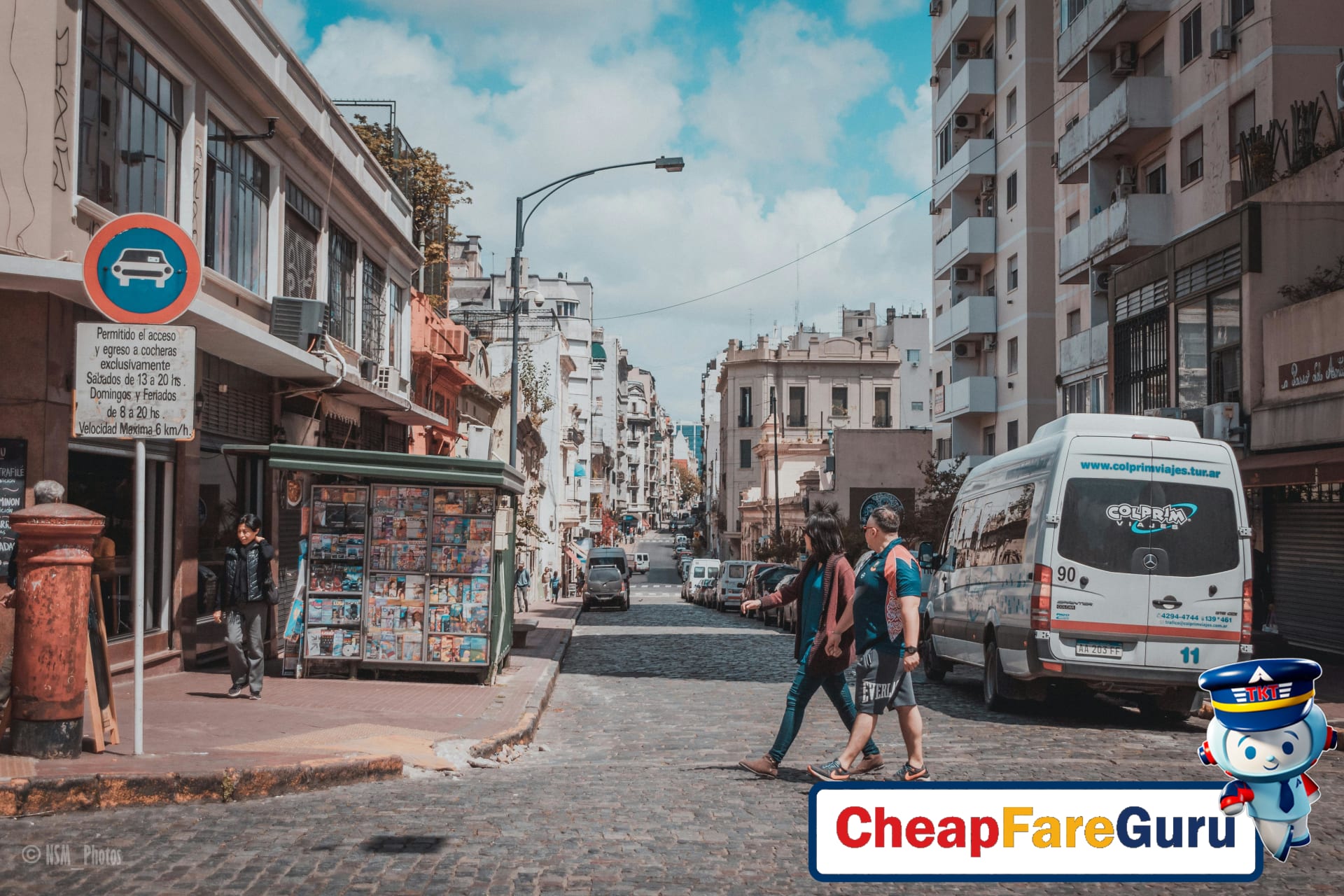
Palermo buzzes with trendy bars, boutique shops, and leafy parks—perfect for those who want a lively, modern vibe. San Telmo, dating back to the 1700s, offers cobblestone streets and antique markets that bring the city’s history to life. Elegant Recoleta features wide avenues, French-style architecture, and the famous Recoleta Cemetery where Evita Perón rests. Meanwhile, La Boca stands out with brightly painted houses and a spirited arts scene centered around Caminito street.
Getting around isn’t complicated. The Subte subway costs 75 ARS per trip (about $0.40 as of March 2026) and runs from 6 a.m. to 11 p.m. Buses cover every corner but require a SUBE card, reloadable at kiosks; fares start at 60 ARS. Taxis are plentiful, black-and-yellow, and generally start at 180 ARS. Avoid hailing taxis off the street late at night; use apps like BA Taxi for safer rides.
Safety-wise, petty theft mainly hits busy spots in Palermo and San Telmo—keep wallets in front pockets and avoid flashing phones or cameras. La Boca’s tourist area around Caminito is okay during the day but gets sketchy after sunset. Sticking to well-lit, populated streets after dark is smart everywhere.
Knowing a few Spanish phrases goes a long way: “¿Cuánto cuesta?” (How much does it cost?), “Gracias” (Thank you), and “¿Dónde está el baño?” (Where’s the bathroom?). Argentines appreciate polite greetings like “Buenas tardes” when entering shops or restaurants. Avoid speaking loudly or rushing locals—they value relaxed conversations.
Packing? Bring comfortable walking shoes—you’ll cover miles on uneven cobblestones. Layered clothes work for Buenos Aires’ variable March weather: sunny days, cool nights. A type C or I plug adapter fits Argentine outlets. Don’t forget a pocket-size phrasebook or offline app for quick language help.
I track city updates and fare promos through cheapfareguru.com, which helped me snag a March deal on flights to Buenos Aires that saved 20% off standard rates. Knowing these basics keeps first trips smooth and budget-friendly.
Experience the Passion of Tango
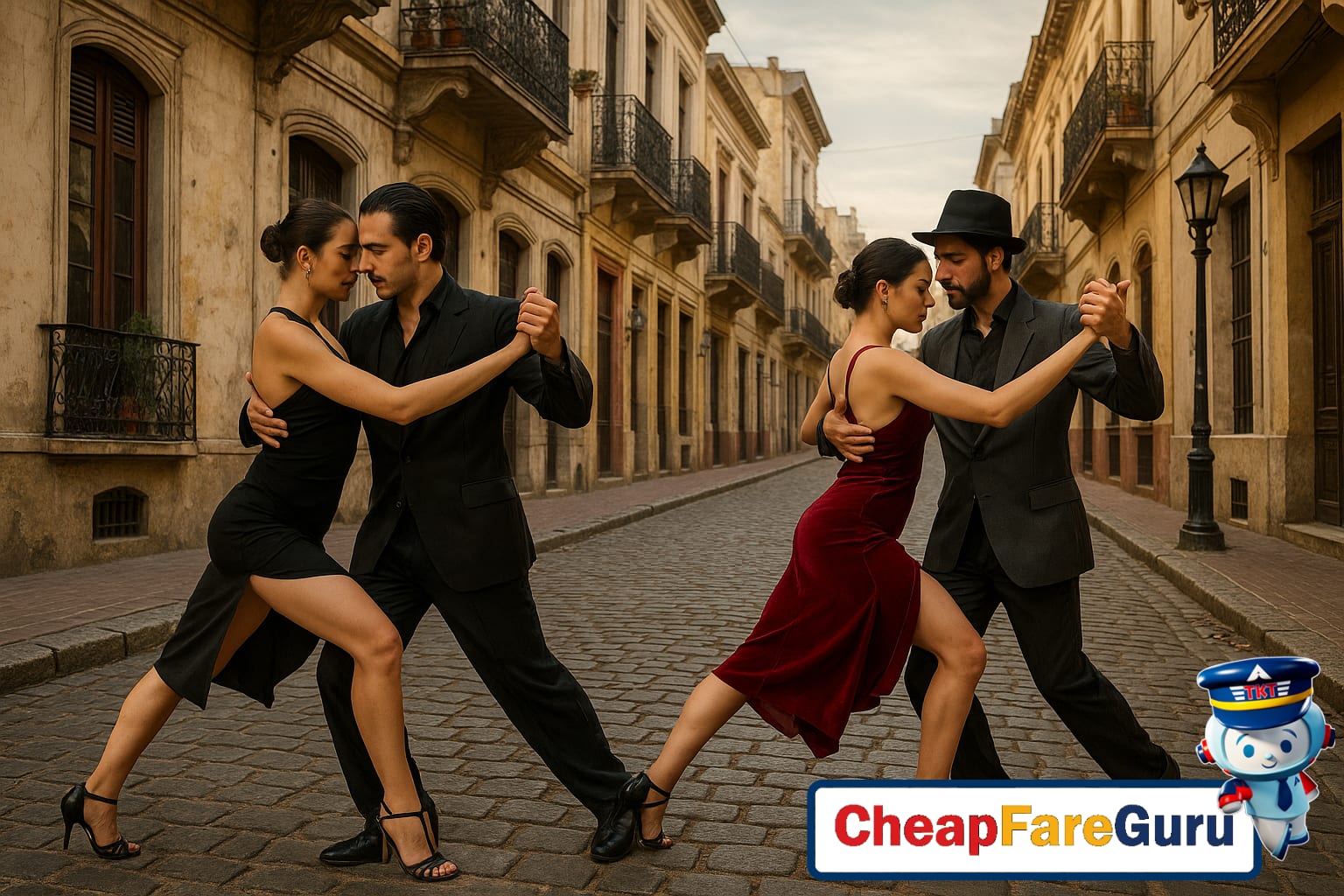
Tango began in the late 19th century in Buenos Aires’ working-class neighborhoods, born from a mix of immigrant cultures—mainly Italian and African influences. What started as a dance of the port’s marginalized communities grew into Argentina’s cultural emblem, now recognized by UNESCO as an Intangible Cultural Heritage since 2009. This dance is not just about steps; it’s a narrative of longing, connection, and emotion expressed through every movement.
To really feel tango’s spirit, head to the traditional milongas in San Telmo and La Boca. San Telmo’s Milonga Parakultural, for instance, attracts locals and seasoned dancers every Tuesday night in a historic building filled with old-world charm. Meanwhile, La Boca’s milongas happen amid vividly painted streets, offering a rawer, authentic vibe. Both neighborhoods boast venues where the music pulsates late into the night, unlike tourist-focused tango shows that can feel staged and disconnect you from the dance’s soul.
First-timers should keep an eye on venues where tango is danced primarily by locals. Look for milongas advertising “clases para principiantes” (beginner classes) before the social dance starts. Tango Escuela Federal in Buenos Aires runs beginner lessons at $30 USD for a 90-minute session, typically on Fridays. Always check the latest show schedules and any COVID-19 restrictions before planning—some venues adjusted hours or implemented capacity limits as of March 2026.
Here’s what matters: skipping the flashy, tourist-heavy productions for neighborhood milongas gives you a chance to witness tango as a living tradition. And if you want to try dancing, small-group beginner classes offer patient teachers and an encouraging atmosphere. Tracking local event updates via platforms like cheapfareguru.com helped me find Milonga El Beso’s open sessions in San Telmo last October; it was $25 USD and included a 45-minute intro class. The energy in the room? Unforgettable.
Savoring Argentine Steak and Local Cuisine
Argentine steak isn’t just dinner—it’s a cultural statement. Argentina’s reputation for premium beef comes from decades of cattle ranching on the Pampas, where grass-fed cattle develop rich flavor and tenderness. Steakhouses, or parrillas, reflect national pride, with locals often debating the best cuts over a shared meal.
Among the must-try cuts, bife de chorizo (sirloin) and ojo de bife (ribeye) take center stage. Buenos Aires’s Parrilla Don Julio earned Buzz Mendoza, a software engineer from Miami,’s praise when he visited in December 2025: “$42 for a bife de chorizo that was perfectly cooked and juicy. Real fire-grilled taste.” Another local favorite, La Carnicería in Córdoba, offers ojo de bife for about $35, served with traditional chimichurri salsa.
Beyond steak, Argentine cuisine offers empanadas—stuffed pastries costing roughly $1.20 each in Rosario—and the ubiquitous mate, a bitter yerba tea shared socially. Chimichurri sauce, a mix of parsley, garlic, and vinegar, enhances nearly every meal. Sampling provoleta, a grilled provolone cheese appetizer priced around $8, rounds out the experience.
Dining etiquette includes late dinners, usually starting after 9 pm, and tipping around 10% to 15% unless service is included. Reservations at popular parrillas like Don Julio or El Preferido require booking at least 2–3 days ahead, especially on weekends. Budget travelers can expect a full steak dinner with sides from $40 to $60 in major cities, so plan accordingly.
Tracking deals on cheapfareguru.com helped Buzz spot flight discounts aligning with his food tour in Buenos Aires, stretching his travel budget without sacrificing dining quality.

Must-See Attractions and Cultural Highlights
Buenos Aires packs a punch of iconic sites that capture Argentina’s spirit. Casa Rosada, with its distinctive pink façade, has witnessed key moments in history—from Eva Perón’s speeches to major political rallies. The building opens for guided tours Wednesday through Sunday, 10 a.m. to 5 p.m., with free admission—but reserve your ticket at least two weeks ahead to avoid disappointment.
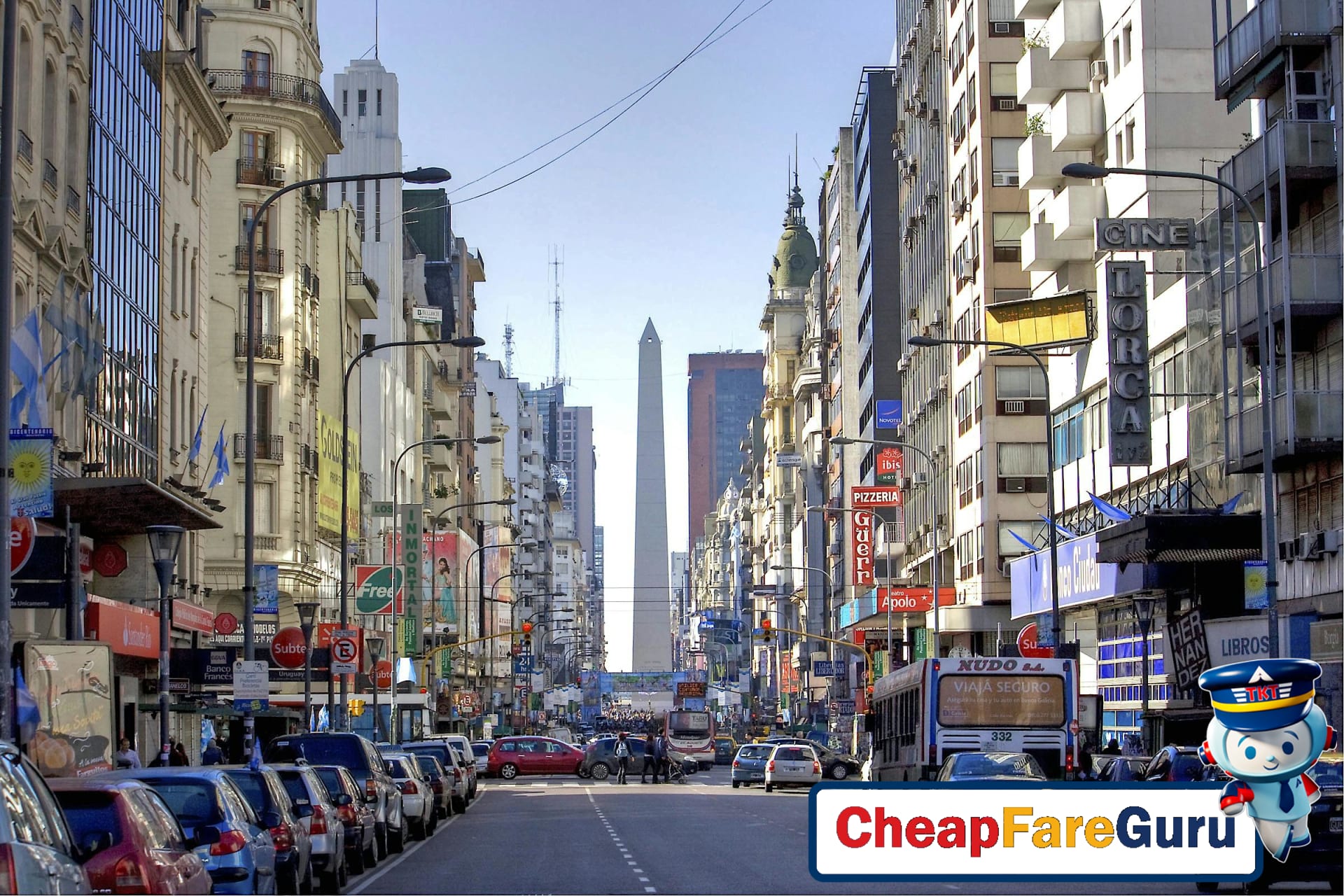
Nearby, the Obelisco towers 67 meters above Avenida 9 de Julio, the world’s widest avenue. It’s a central meeting point and perfect for quick photos anytime. Across the way, Teatro Colón impresses with its 1908 architecture and acoustics that attract world-class opera. Tickets for guided tours run $12 and are available daily between 9 a.m. and 5 p.m.
For football fanatics, La Bombonera stadium delivers electric atmosphere with Boca Juniors matches on weekends. Game tickets vary from $25 to $90 depending on the opponent and seating zone—purchase from official club outlets or approved resellers to sidestep scams.
Art lovers should take a slow walk through MALBA, Buenos Aires’ Latin American Art Museum. It hosts over 600 works from artists like Frida Kahlo and Diego Rivera. Admission is $7 on weekdays, $10 weekends, and the museum stays open until 7 p.m. Wednesday through Monday. The nearby Botanical Gardens offer a serene contrast, open daily from 8 a.m. to 6 p.m. Admission is free, perfect for a relaxed afternoon.
Colorful street fairs and markets bring local culture alive. Mercado de San Telmo comes alive on Sundays, offering antiques, handmade goods, and street food from 10 a.m. to 5 p.m. Feria de Mataderos, held Sundays year-round, shines with gaucho traditions, crafts, and live tango. Both markets offer authentic vibes and prices to fit a budget.
Day trips are a must, with Tigre Delta just 30 km north. Tigre’s boat tours, starting at $18 for a two-hour ride, showcase quiet canals lined with wooden houses and lush vegetation. The town’s Mercado de Frutos runs daily from 10 a.m. to 7 p.m. and offers handcrafted items and wicker goods.
Pro tip: verify hours and buy tickets online before heading to major sites. I track Buenos Aires events and deals via cheapfareguru.com to catch last-minute savings and avoid queues. Planning this way saved Luz Morales, a graphic designer from Madrid, over $45 on entrance fees during her March 2025 visit, allowing her to add a day trip to Tigre without busting her budget.
Practical Tips for a Successful Trip
Checking visa requirements before you travel to Argentina saves headaches and extra costs. The official Argentina migration website outlines up-to-date entry rules including visa exemptions and necessary documentation. For example, U.S. citizens don’t need a visa for stays under 90 days, but must have a passport valid for at least six months beyond their visit.
Staying safe and healthy matters, especially in bustling Buenos Aires. Drink bottled water, use sunscreen even on cloudy days, and carry hand sanitizer. Avoid wandering alone late at night in unfamiliar neighborhoods—stick to well-lit, busy streets. Pharmacies like Farmacity are widespread for medicines, and travel insurance that covers health emergencies is a must.
Booking accommodations through cheapfareguru.com often reveals hidden discounts and last-minute deals on budget hotels and hostels. Scheduling stays during weekdays instead of weekends can reduce rates significantly. Apartments in Palermo or San Telmo offer affordable options with kitchen access, cutting down dining expenses.
Navigating Buenos Aires’ airports—Ezeiza International (EZE) and Aeroparque (AEP)—requires planning. Pre-book transfers or use official taxi stands rather than street hails to avoid surcharges. For mobile connectivity, official Claro and Movistar kiosks at Ezeiza offer prepaid SIM cards with plans starting at ARS 1,200 (about $7 USD) for 5GB data, valid 30 days.
Tourists frequently report scams like overpriced taxis, ATM skimmers, and fake guides. Agree on taxi fares upfront, use ATMs inside banks, and decline unofficial tour offers. A traveler named Gabriel Ortiz, marketing analyst from Miami, shared on FlyerTalk in January 2026 that agreeing a taxi fare of ARS 1,600 ($9.50) before departure saved him 25% compared to post-ride claims.
Lastly, verify current TSA rules for carry-on limits and Argentina’s customs regulations a week before traveling. The country recently tightened some import restrictions starting February 2026, including limits on bringing new electronics. Staying updated prevents fines or confiscations and spares stress at airports.
Frequently Asked Questions about Buenos Aires Travel
What is the best time to visit Buenos Aires to enjoy tango and outdoor activities?
Late September through November offers mild spring weather and frequent tango festivals. March and April also provide comfortable temperatures for exploring outdoor markets and parks, with fewer tourists.
How to get around Buenos Aires safely and affordably?
The Subte subway system covers most central neighborhoods; a single ride costs 65 Argentine pesos (~$0.33) as of February 2026. Official taxis and ride-hailing apps like Cabify are reliable options after midnight. Avoid unregistered cabs to stay safe.
When should I book my flights and accommodation through cheapfareguru.com?
Booking 2-3 months ahead secures the best rates for flights from U.S. cities like Miami or New York, especially April to June. I track fare drops on cheapfareguru.com and caught a $423 round-trip from Newark in January 2026 for travel in May.
Why is tango an essential part of Buenos Aires culture?
Tango originated in working-class neighborhoods in the late 19th century and reflects the city’s immigrant history and emotional expression. It’s not just dance—it’s storytelling and social identity firmly rooted in Buenos Aires daily life.
Can I take beginner tango classes as a tourist, and where?
Yes. Venues like La Viruta in Palermo and DNI Tango near San Telmo welcome beginners daily. Group classes cost around 1,200 Argentine pesos ($6) and private lessons about $20 each, making them accessible even on a budget.
What are the visa requirements for visiting Buenos Aires for U.S. travelers?
U.S. citizens do not need a visa for tourist stays under 90 days but must have a passport valid at least six months from arrival. Proof of onward travel and sufficient funds may be requested at immigration upon arrival.
How do I avoid common tourist scams in Buenos Aires?
Be wary of unofficial “currency exchange” offers and always use authorized casas de cambio. When using taxis, insist on the meter or confirm a fixed price beforehand. Pickpocketing is common in crowded areas—keep wallets secure and avoid distractions.
Conclusion: Embrace the Soul of Buenos Aires
Buenos Aires delivers a one-of-a-kind blend of vibrant culture, passionate tango rhythms, and unforgettable culinary experiences. From strolling its colorful streets in La Boca to savoring world-class steak dinners and sipping Malbec in cozy Palermo bars, the city pulses with energy and soul. This mix of tradition and modern flair keeps travelers coming back for more.
Planning a trip to Buenos Aires doesn’t have to break the bank. I’ve tracked flights and hotel deals through cheapfareguru.com that made a nine-day stay from New York come in under $1,200 total, including airfare and lodging. Their real-time fare searches and discounted packages give you the confidence to lock in the best prices without endless hunting.
Have you explored Buenos Aires? Share your must-see spots or favorite dishes in the comments—I’m always gathering fresh tips for my next visit. Meanwhile, check what deals might be waiting for your travel dates at cheapfareguru.com. You might be closer to that dreamy tango night than you think.
References
For up-to-date immigration rules, Argentina’s official Migraciones site provides direct guidance. U.S. travelers can check airport security procedures at TSA.gov. UNESCO’s World Heritage listing at whc.unesco.org offers detailed info on Iguazu National Park. Additional authoritative sources like the FAA, DOT, and IATA are essential for airline policy verification and travel regulations.