
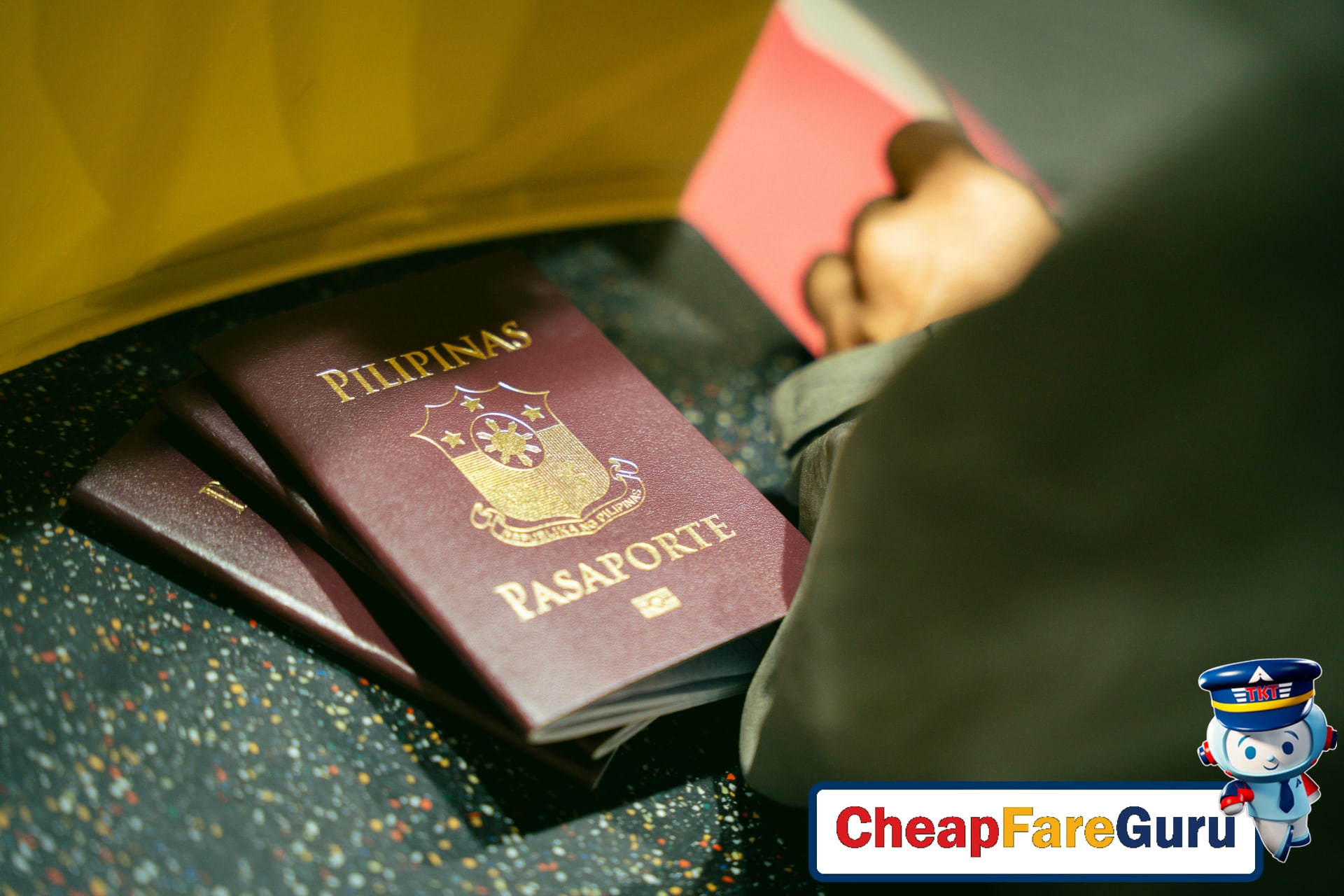
Immediate Actions After Losing Passport

Realizing your passport is missing while traveling can be a jolt, but the first thing to do is take a breath and keep your cool. I remember the panic I felt when I thought my passport was gone in a crowded train station—I had to force myself to pause and check every pocket and bag again before moving on to the next step. Start by retracing your steps: think back to where you last used your passport, whether it was at a hotel check-in, airport, or café, and search those spots if possible. Sometimes, passports turn up in overlooked jacket linings or hidden corners of your luggage.
If searching comes up empty, your next move is to notify local authorities. Find the nearest police station and file a report about your lost or stolen passport. Make sure to get a copy of the police report, as you’ll need it when you visit your country’s embassy or consulate. This report is also essential for any travel insurance claims you might make later on.
Contact your country’s embassy or consulate as soon as possible. They’ll guide you through the process of getting an emergency replacement passport or travel document. The U.S. Department of State’s page on passport emergencies abroad is a reliable resource for Americans. Embassies can also help with additional steps, like alerting immigration authorities or assisting with onward travel plans.
While you’re planning future trips, I’d suggest reviewing our guide on essential travel documents to carry abroad—it’s a handy reference for staying organized and prepared.
Locating the Nearest Embassy or Consulate

When you lose your passport abroad, knowing how to find your country’s embassy or consulate is crucial. I once found myself in a pinch overseas and was grateful I’d pre-saved the embassy’s address and emergency number in my phone—it saved me a lot of stress. The fastest way to locate your nearest embassy is to use official resources, like the U.S. Embassy & Consulates locator, or your home country’s equivalent site. Many embassies also have mobile-friendly locator tools, so you can search on your phone even if you’re on the move.
Before heading to the embassy, gather all the documents you can: a police report if your passport was stolen, any remaining ID, and a couple of passport photos if possible. Having these ready will speed up the process. Some embassies allow walk-ins for emergencies, but in certain cities, you might need to make an appointment online. I’d compare both options—sometimes showing up in person is faster, but double-checking the website can save you a wasted trip.
If you rely on your phone for directions, I recommend reading our post on essential apps for international travelers—it’s a lifesaver for situations like these.
What to Bring for Passport Replacement

If you need to replace a lost or stolen passport while traveling, being prepared with the right documents and items will save you time and stress at the embassy or consulate. Here’s a checklist to help you get organized before your appointment:
- Police Report: Most embassies require a copy of the police report documenting your lost or stolen passport. File this with local authorities as soon as possible.
- Passport Photos: You’ll need recent passport-sized photos that meet embassy requirements. I’ve found that many local photo shops abroad specialize in official ID photos—just show them the embassy’s specs, and they’ll usually get it right.
- Alternate Photo ID: Bring another government-issued photo ID, such as your driver’s license, if you have it. Even a digital copy can help verify your identity.
- Travel Itinerary: Print or show proof of your upcoming flights, hotel bookings, or other travel plans. This helps the embassy understand your urgency and travel needs.
- Proof of Citizenship: A digital or paper copy of your birth certificate, previous passport, or citizenship certificate is needed to confirm your status.
- Payment for Processing: Embassies typically charge a fee for issuing a temporary or emergency passport. Be ready to pay about $145.00, usually accepted in local currency or by credit card. Check the embassy’s website for specifics.
Original documents are always best, but if you only have digital copies, make sure they’re clear and accessible. Having both paper and digital backups can make the process much smoother, especially if local authorities or embassy staff need to verify your information quickly.
It’s also a good idea to review a checklist of what to pack in your travel wallet before your trip so you’re never caught off guard.
How Embassies Replace Lost Passports

Losing your passport abroad is stressful, but knowing what to expect at an embassy can take some uncertainty out of the process. Once you arrive, you’ll typically start by filling out a lost or stolen passport report and a replacement application. Most embassies will ask for identification (like a driver’s license or a photocopy of your lost passport) and a few passport-sized photos. You’ll also need to explain how your passport was lost—sometimes in a brief interview or a written statement.
If you’re in a hurry to travel, the embassy may issue an emergency or temporary passport. These documents usually allow you to return home or continue your journey, but they may be valid for a shorter period than a standard passport. In my experience, waiting for that replacement document—especially when you’re anxious to rebook flights—can feel like an eternity, even if the actual processing time is just a day or two.
Processing times vary, but embassies often give you a pickup slip or a way to check your status online. It’s smart to ask about typical waiting periods before you leave, since you may need to adjust your travel plans. If you’re dealing with a tight schedule, I’d recommend reviewing this guide to rebooking international flights after travel disruptions for practical steps to get back on track. For country-specific embassy procedures, you can also check official government websites, like the U.S. State Department’s passport replacement page.
Emergency Passport Costs and Payment

Replacing a lost or stolen U.S. passport while abroad usually means paying an emergency passport fee of about $165.00. This covers both the application and execution charges, but you should always double-check the exact amount on the U.S. State Department passport fee page before heading to the embassy or consulate. I once assumed my debit card would work everywhere, but at one consulate, only credit cards and U.S. dollars were accepted—definitely a stressful moment I could’ve avoided with a backup plan.
How and Where to Pay
Most U.S. embassies and consulates accept major credit cards, U.S. dollars, and sometimes local currency for emergency passport fees. If paying in local currency, the embassy will convert the fee based on their posted exchange rate, which might differ from what you see at banks or ATMs. Always ask for a receipt—this is important for your records and if you plan to file a travel insurance claim.
Insurance and Refunds
Travel insurance sometimes reimburses emergency passport fees, but you’ll need proper documentation. Save your embassy receipt and check your policy details. If you’re curious about what coverage looks like, see our post on travel insurance for lost travel documents. Refunds from the embassy are rare unless your application is denied before processing.
Rebooking Travel After Losing Your Passport

Once you’ve sorted out your replacement passport, it’s time to tackle the logistics of getting your trip back on track. Rebooking flights is usually the first hurdle. Most airlines allow you to change tickets online, but after losing a passport, I’ve found it’s faster to call the airline’s emergency assistance line directly. Explain your situation calmly—sometimes agents can waive change fees or suggest the next available seat. If you prefer, check the official rebooking section on your airline’s website for step-by-step instructions.
Don’t forget your accommodation and car rental reservations. If you missed your original check-in or need to extend your stay while sorting out documents, contact hotels and rental agencies as soon as possible. Many hotels offer some flexibility if you explain the emergency, but policies vary. I always ask if I can adjust my booking without extra penalties, especially when I’ve missed a night due to passport issues.
If your destination requires a visa, you may need to apply for a replacement or update your new passport details with the relevant embassy. This process can take extra time, so start as soon as you receive your new passport. Official embassy websites are the best source for current requirements and procedures.
For finding new flights quickly, I’d recommend checking cheapfareguru.com for real-time fare options—sometimes last-minute deals pop up that can save you money after a setback.
Preventing Future Travel Document Loss

After nearly losing my passport on a crowded train years ago, I completely changed how I handle travel documents. Now, I always use a secure travel wallet with RFID blocking to keep my passport, cards, and cash together and protected from digital pickpocketing. For extra security, I store backup copies of important documents—both physical and digital—so I’m not left stranded if something goes missing.
Here are a few practical steps I recommend for keeping your travel documents safe on future trips:
- Secure travel wallets and hidden pouches: Invest in a zippered travel wallet or a hidden neck pouch. These make it much harder for pickpockets to access your passport or credit cards.
- Hotel safes: Leave your passport, backup cards, and other non-essential documents in the hotel safe instead of carrying everything daily. Only take what you need for the day.
- RFID blockers: Modern passports and cards have chips that can be scanned by thieves. RFID-blocking sleeves or wallets add a layer of protection against electronic theft.
- Keep documents in multiple locations: Carry a paper copy of your passport separate from the original, and email yourself digital scans. I also keep a copy with a trusted travel companion for added backup.
- Educate your group: Make sure everyone you’re traveling with knows how to safeguard their documents. A quick group review before heading out can prevent headaches later.
If you’re visiting a destination where theft is a concern, it’s worth reviewing the U.S. State Department’s checklist for safe international travel and checking out our guide to avoiding travel theft for more destination-specific advice.
Lost Passport Emergency Budget Table

Getting stuck abroad because of a lost passport can quickly derail your travel budget. I’ve had to adjust my plans on the fly before, and it taught me to always pad my emergency fund for unexpected delays. Below is a practical breakdown of what you might spend if you need to stay extra days while sorting out a new passport. Each column reflects a different comfort level, but all use fixed, single-value figures—no ranges or plus signs.
| Budget | Mid-range | Luxury | |
|---|---|---|---|
| Accommodation (2 nights) | $50.00 | $120.00 | $350.00 |
| Food (2 days) | $28.00 | $60.00 | $160.00 |
| Local Transport | $12.00 | $25.00 | $80.00 |
| Activities/Fees (passport, copies, calls) | $45.00 | $65.00 | $120.00 |
If you’re prepping for international travel, I’d recommend checking our packing list for international travel to make sure you have backup cash or a spare credit card in case your plans go sideways.
Lost or Stolen Passport FAQs Answered
- What should I do first if I lose my passport abroad?
The first step is to report your lost passport to the local police and then contact the nearest U.S. embassy or consulate. They’ll guide you through the replacement process and help with emergency travel documents. I once relied on an embassy FAQ to confirm these steps during a stressful trip.
- How quickly can I get a replacement for a lost passport?
Most U.S. embassies and consulates can issue an emergency passport within a few days, but timing depends on local conditions and holidays. For urgent travel, explain your situation clearly. For more details, check the U.S. State Department’s official guidance on lost passports: travel.state.gov.
- Can I fly home with a temporary or emergency passport?
Yes, an emergency passport issued by the U.S. embassy or consulate is valid for direct travel back to the United States. Airlines may ask for supporting documents, so keep your police report and any embassy paperwork handy when you check in for your return flight.
- Can a new passport be mailed to me overseas?
Some embassies can mail a regular replacement passport if you’re staying in the country long enough, but emergency passports are usually issued in person. Always check the embassy’s specific policies and allow extra time for any potential mailing delays, especially in remote areas or during holidays.
- What if the embassy is closed for a local holiday?
U.S. embassies observe both U.S. and local holidays, so they may be closed when you need help. Before visiting, always check the embassy’s website for closure dates. I found this step crucial when planning an emergency visit, as I nearly arrived on a day they weren’t open.
- Can travel insurance help with a lost passport?
Many travel insurance policies offer coverage for lost passport expenses, such as fees for emergency documents or travel delays. Save all receipts and reports, as you’ll need them to file a claim. Review your policy details or contact your insurer for claim instructions as soon as possible.
- Where can I find a step-by-step guide for lost passport situations?
If you need a detailed walkthrough, I’d recommend reviewing the step-by-step guide earlier in this article. It covers the reporting process, embassy contacts, and essential documents you’ll need for a smooth recovery after losing your passport abroad.
Final Thoughts on Navigating Passport Loss
Dealing with a lost passport can feel overwhelming, but acting quickly and being prepared really does make the difference. I’ve found that having backup copies and knowing where to turn for help has made my own travels less stressful, even when things go sideways. Bookmarking guides like this or sharing them with fellow travelers is a simple step that can make a big impact down the road.