
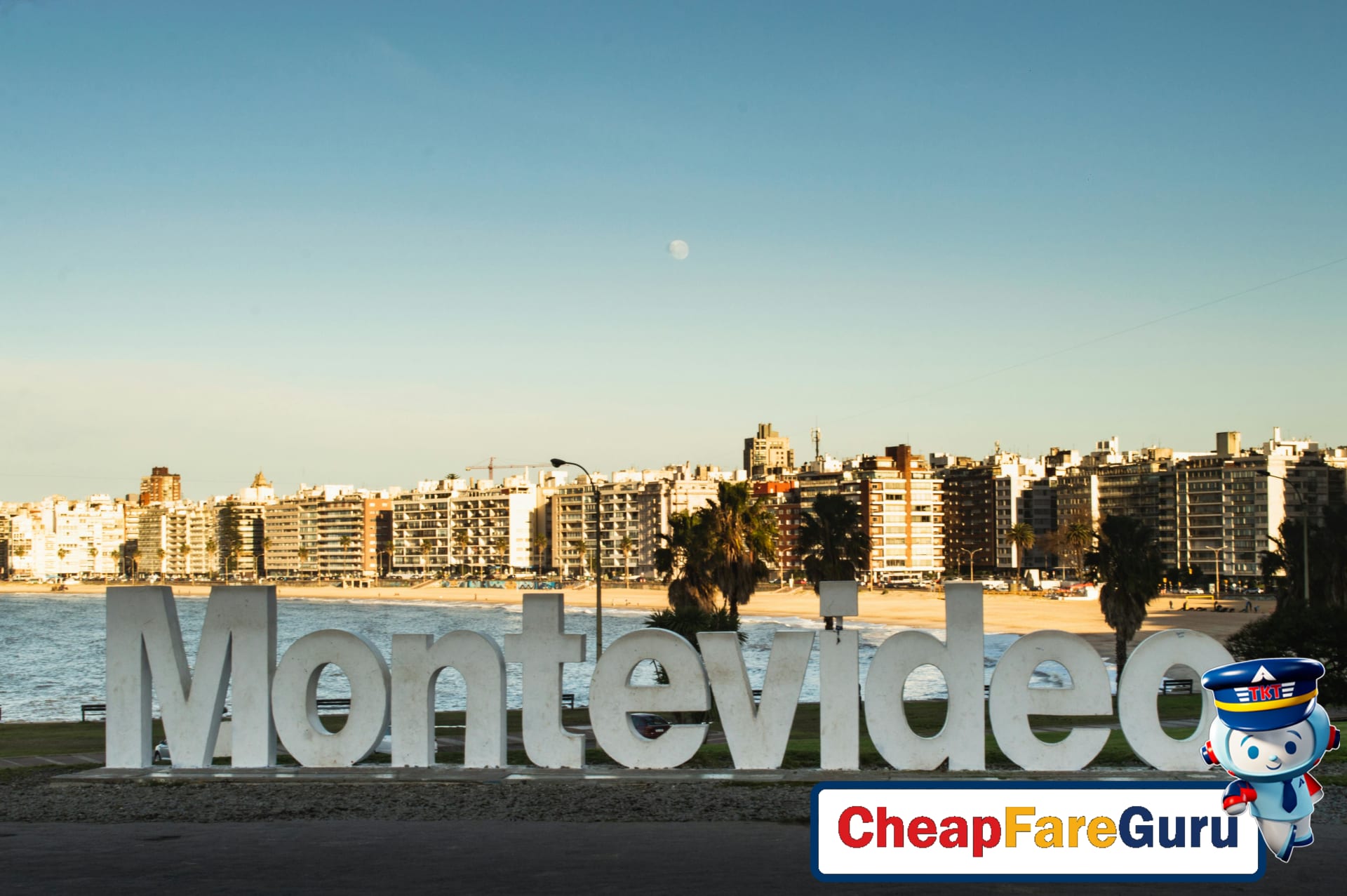
Why Visit Montevideo Your First Time

Montevideo sits right on Uruguay’s southern coast, hugging the Río de la Plata. It’s the country’s capital and largest city, but it feels refreshingly relaxed compared to other South American capitals. You’ll find locals sipping mate along the Rambla (the city’s famous waterfront promenade), cozy steakhouses on nearly every block, and a thriving music and arts scene that’s uniquely Montevidean.
For first-time visitors, Montevideo stands out because it’s safe, easy to navigate, and genuinely welcoming. The city’s laid-back vibe makes it perfect for wandering—whether you’re strolling the old city streets or biking the 14-mile-long Rambla. Compared to bigger cities, I found Montevideo’s pace and friendliness a real breath of fresh air, and I was surprised by how accessible everything felt, even for a newcomer.
What really sets Montevideo apart is its blend of old and new. You’ll spot art deco buildings next to modern galleries, and street art brightening up nearly every neighborhood. Uruguay’s official tourism board, MINISTERIO DE TURISMO DEL URUGUAY, highlights the city’s open-air tango and candombe drum parades—both are worth seeking out for a taste of authentic local culture. If you’re planning a broader trip, check out this guide to the Best Places to Visit in South America for more ideas.
Exploring Ciudad Vieja’s Historic Streets

Ciudad Vieja, Montevideo’s Old Town, is a walkable slice of Uruguayan history that stretches from the iconic Puerta de la Ciudadela to the vibrant Mercado del Puerto. If you start your stroll at the stone gateway of Puerta de la Ciudadela, you’ll find yourself stepping into cobblestone streets lined with colonial facades, lively plazas, and the kind of street life that makes wandering here so memorable.
Plaza Independencia is your first must-see stop. It’s the city’s central square, anchored by a statue of Artigas and flanked by the Solís Theatre. Just a few blocks in, you’ll spot Museo Andes 1972—a compact but powerful museum dedicated to the story of the Andes plane crash survivors. I recommend checking their official website for current exhibitions before you go, since special displays rotate throughout the year.
As you continue, street vendors set up along Sarandí pedestrian street, selling crafts, antiques, and snacks. I was surprised by the variety of small galleries and indie shops hidden behind unassuming doors—don’t hesitate to duck inside for a look. If you’re curious about local customs while interacting with vendors, check out this guide to Understanding Local Etiquette in Uruguay for practical tips.
Mercado del Puerto marks the end of your walk, buzzing with parrilla smoke and musicians. I especially enjoyed pausing at a quiet café early in the day, watching the city slowly come alive. If you want to dodge the tour groups and snap relaxed photos, try to arrive before the late morning rush.
Unwinding Along The Montevideo Rambla Waterfront

The Montevideo Rambla is a sweeping urban promenade stretching along the city’s coastline, where locals and visitors gather to soak up sea breezes and city energy. It’s not just a sidewalk—this is where Montevideo’s heart beats, especially around sunset. You’ll see people walking, cycling, and chatting, often with a thermos and mate cup in hand. If you want to blend in, bring your own reusable cup and try mate, Uruguay’s beloved herbal tea (learn more about this tradition from this BBC guide on mate culture).
Some of the best stretches for people-watching and photos are near Playa Ramirez and the Buceo port. These areas come alive in the late afternoon, when the golden light and city skyline make for memorable snapshots. I’ve always found that spending time on the Rambla leaves me feeling both relaxed and energized—a rare combination that’s hard to find elsewhere. If you’re a fan of urban walks, you might also enjoy our recommendations for the Best Urban Walks in South America.
Sampling Uruguayan Cuisine Locally

Uruguayan cuisine is all about bold flavors and simple, honest ingredients. The country’s love affair with beef is legendary—if you haven’t tried an asado (traditional barbecue), you’re missing the heart of local food culture. Chivito, a towering steak sandwich stacked with ham, cheese, egg, and veggies, is another must-try, while sweet treats like medialunas (buttery croissants) and creamy dulce de leche show off Uruguay’s European influences.
Where To Eat In Montevideo
Montevideo is packed with parrillas (steakhouses) where you can savor juicy cuts of beef cooked over wood-fired grills. For a true local experience, I recommend heading to Mercado del Puerto—this bustling market is a feast for the senses, with sizzling grills, colorful produce, and artisan stalls. Expect to pay about $18.00 for a generous steak plate at a popular parrilla. For something lighter, pop into a neighborhood café for a medialuna and espresso, which typically costs around $3.00. Bakeries also serve up fresh empanadas that make a quick, delicious breakfast or snack for about $2.00 each.
One food surprise for me was how rich and smoky the asado smelled the moment I walked into a Montevideo steakhouse—the aroma alone was enough to make my mouth water. There’s something memorable about sharing a communal grill meal, especially when locals are quick to recommend their favorite cuts.
If you want more steak inspiration, check out our roundup of the Best Steakhouses in Latin America—Montevideo’s top spots definitely hold their own.
Getting Around Montevideo Easily

Montevideo is a city that rewards curious explorers, and getting around here is straightforward once you know your options. Walking is a pleasure in the Ciudad Vieja and along the Rambla, where you’ll find plenty of sights within a short stroll. But for longer distances, Montevideo’s public bus network is the backbone of local transit. Bus stops are clearly marked throughout the city, especially near major avenues, and you can buy a ticket directly from the driver for about $1.00—just make sure you have small bills or coins, since cards sometimes don’t work as expected.
If you prefer wheels, both taxis and rideshares like Uber are widely available. I’ve found that Uber’s app is reliable and often a bit cheaper than a standard taxi, which starts at around $2.00 flag fall and increases with distance. For a quick ride, I usually open both apps to compare prices before deciding. Safety-wise, both options are considered dependable, though I recommend confirming the car’s license plate before you hop in.
Biking is another easy way to get around—especially along the scenic Rambla. You’ll spot bike rental stations near the waterfront, and many hotels can point you toward a nearby shop. Rentals typically cost around $5.00 per day, making it a budget-friendly way to see the city at your own pace.
I remember being surprised by how quickly the bus drivers moved through the city, yet they always managed to stop for passengers waving them down. For more details on navigating public transit, I’d check out Montevideo’s official municipal transport site (montevideo.gub.uy) and our Guide to Public Transportation in South America for broader tips.
Montevideo Neighborhoods Worth Exploring
Montevideo’s neighborhoods each offer a distinct flavor, and picking where to spend your time can shape your whole experience. Whether you’re after beaches, culture, or simply a slice of local life, these areas stand out for different reasons.

Pocitos: Beachside Urban Energy
Pocitos is famous for its sandy beach, bustling Rambla promenade, and a mix of modern apartments and classic cafes. It’s a great spot for morning jogs, sunset strolls, and people-watching. I remember feeling instantly at ease here, with locals out for mate and the relaxed, upscale vibe.
Parque Rodó: Parks and Art Scene
Parque Rodó draws a youthful crowd thanks to its leafy parks, lake, and open-air art. The neighborhood buzzes with students, skaters, and pop-up markets. On Sundays, the flea market and local food stalls create a lively atmosphere. For current events, check the Parque Rodó municipality page.
Carrasco: Quiet Luxury
Carrasco sits at the city’s eastern edge and offers a quieter, more luxurious escape. Think wide boulevards, elegant homes, and a peaceful beach. It’s ideal for families—if you’re planning with kids, see our Guide to Montevideo for Families for more tips.
Palermo: Colorful Street Art
Palermo is compact but packed with personality, especially if you love street art. Murals brighten nearly every block, and the area’s creative pulse is unmistakable. It’s also gaining a reputation for cool bars and indie music venues.
Centro: Urban Heartbeat
Centro is Montevideo’s downtown core, full of historic buildings, shops, and the famous Avenida 18 de Julio. It’s busy, sometimes gritty, but always engaging. Use common sense with your belongings, especially after dark, but don’t miss the energy of the city’s heart.
Where To Stay in Montevideo

Montevideo offers a wide range of accommodation for every style and budget. You’ll find everything from classic hotels with breakfast buffets and daily housekeeping, to lively hostels that are great for meeting other travelers, to short-term apartments that let you settle in like a local. Bed and breakfasts are also scattered throughout the city, often run by friendly hosts and offering a more personal touch. Perks like free Wi-Fi and late checkout are common, but some older buildings may have quirks like small elevators or street noise, so it’s worth reading recent reviews.
Neighborhoods For Every Traveler
If you want to be close to Montevideo’s main attractions, Centro is a practical choice for first-timers, with a mix of reliable hotels and easy access to the city’s highlights. For a more relaxed vibe near the beach, Pocitos is popular for its modern apartments and walkable waterfront. The Old Town (Ciudad Vieja) is ideal if you’re after history and nightlife—here, you’ll find boutique hotels and charming B&Bs. Personally, I’d pick Pocitos for my first visit because I like having both the beach and good cafés within walking distance.
Booking Tips and Deal Strategies
To get the best value, I usually recommend comparing multiple booking platforms, including cheapfareguru.com, and checking cancellation policies before you commit. If you’re visiting during a major event or festival, rooms get snapped up quickly—use a reputable site like Booking.com for extra options. For festival dates and local happenings, the Montevideo events calendar is a helpful planning tool.
Montevideo Travel Budget Table
Budgeting for Montevideo is all about knowing what to expect in each spending category. Whether you’re a backpacker, a comfort-seeker, or planning a splurge, it helps to see sample daily costs side by side. Remember, never use price ranges or plus signs—stick to single representative values for clarity.

| Accommodation | Food | Transport | Activities | |
|---|---|---|---|---|
| Budget | $25.00 | $12.00 | $4.00 | $8.00 |
| Mid-Range | $80.00 | $28.00 | $10.00 | $20.00 |
| Luxury | $180.00 | $60.00 | $25.00 | $45.00 |
To make your money go farther in Montevideo, focus on local markets for meals, use public buses, and consider free walking tours. I remember sticking to my daily budget by skipping taxis and enjoying empanadas from street vendors instead of pricier restaurants. Small swaps like these add up quickly.
For more ways to stretch your travel dollars, check out our guide on how to save on international flights at cheapfareguru.com.
Montevideo Travel FAQ for First-Timers
- What currency is used in Montevideo, and can I use U.S. dollars?
The official currency in Montevideo is the Uruguayan peso (UYU). While some hotels and tourist spots may accept U.S. dollars, most daily purchases require pesos. I usually recommend exchanging a small amount at the airport or using ATMs for a fair rate. Check the Uruguay government travel portal for the latest currency advice.
- Is Montevideo safe for tourists?
Montevideo is generally considered safe for visitors, especially in central and tourist-friendly neighborhoods. As with any city, keep an eye on your belongings and avoid poorly lit areas at night. For more details on regional safety, you might find our Travel Safety in South America guide helpful before your trip.
- What is the weather like in Montevideo?
Montevideo has a mild climate with warm summers from December to March and cooler winters from June to August. Rain is possible year-round, so packing a compact umbrella is smart. I found that layers worked well, especially for unpredictable spring or fall weather.
- Do I need to speak Spanish to get around?
Spanish is the main language in Montevideo, but many people working in tourism speak basic English. Learning a few Spanish phrases helps with taxis, markets, and restaurants. I carried a translation app, which made things much smoother when I needed directions or help reading a menu.
- What’s the best way to get around Montevideo?
Public buses cover most of Montevideo and are affordable, though routes can be confusing for first-timers. Taxis and rideshare apps are widely available and convenient for short trips. If you plan to explore the coast, renting a bike is a fun and scenic option.
- Are there any local customs or etiquette I should know?
Montevideo locals greet with a single cheek kiss, even in casual settings. It’s polite to say “buen día” when entering shops or restaurants. If you’re invited to share mate (herbal tea), accept with your right hand and take a sip before passing it back.
Making the Most of Montevideo
Montevideo’s laid-back energy and welcoming spirit make it a city that’s easy to fall in love with, even on your first visit. From the riverside rambla to the bustling local markets, there’s always something new to stumble upon. What stuck with me most was how Montevideo invites you to slow down, be curious, and just enjoy the moment.
Don’t be afraid to wander a little, try a new café, or chat with locals in the plazas. The city rewards travelers who go with the flow and keep an open mind. If you’re ready to start planning, sites like cheapfareguru.com can help you find practical flight deals to get you there.