
Why Visit the Canadian Rockies
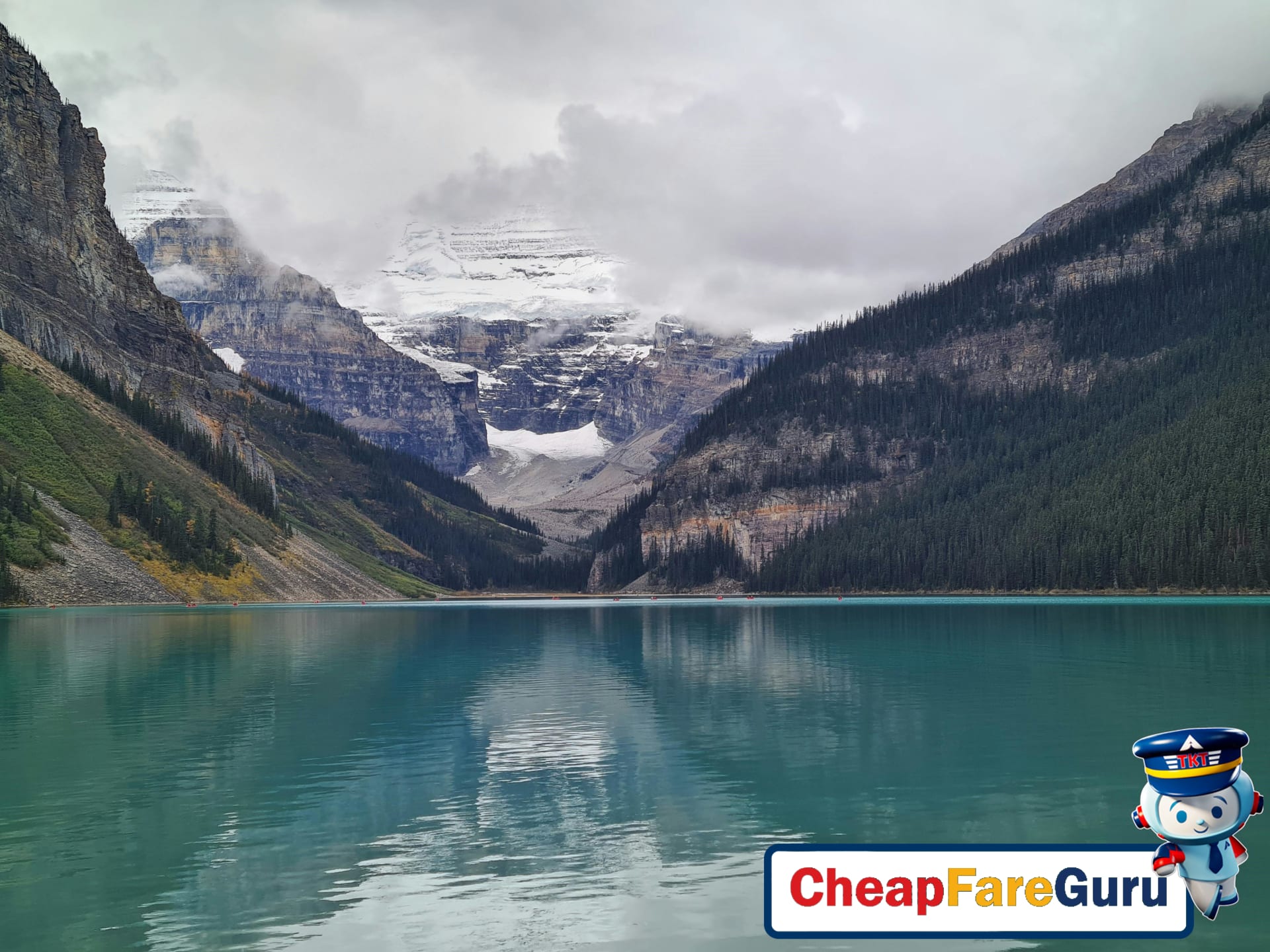
The Canadian Rockies are home to some of the world’s most breathtaking mountain scenery, anchored by iconic national parks like Banff and Jasper. These parks—and their neighbors Yoho and Kootenay—offer a wild, dramatic landscape where turquoise lakes shimmer beneath towering peaks and glaciers. When I first saw Lake Louise’s vivid blue water framed by snow-capped mountains, I was genuinely awestruck.
Top sights include Lake Louise and Moraine Lake, both famous for their unreal colors, as well as the massive Columbia Icefield and its ancient glaciers. Outdoor adventure is everywhere, from hiking and canoeing in summer to spotting elk or bighorn sheep along scenic drives. Each season brings its own magic—spring and fall mean wildflowers or golden larches, while summer is ideal for long daylight hikes and paddling on glassy lakes.
For up-to-date park hours, permits, and seasonal info, I recommend checking the Parks Canada Canadian Rockies page before you go. And if you’re planning your trip, don’t miss our tips on how to find the best flight deals to Canada for practical booking advice.
When To Go: Seasons In The Rockies
The Canadian Rockies offer something unique in every season, but timing your visit can make or break your experience. Summer (June–August) brings the warmest weather, fully thawed turquoise lakes, and accessible hiking trails—but also the biggest crowds and highest accommodation demand. If you want to summit popular peaks or paddle on Lake Louise, this is the time, but book months ahead. Fall (September–October) is my personal favorite for quieter trails and the golden larch trees, though I once arrived a week too late and found several trails already closed for the season—lesson learned to always check closure dates in advance.
Winter (November–March) transforms the region into a paradise for skiers and snowshoers, with fewer visitors and festive events in Banff and Jasper. Just be aware that some scenic drives and lakeside hikes are inaccessible due to snow. Spring (April–May) is best for wildlife watching as bears emerge and waterfalls roar, but many high-altitude trails remain closed until late May. Always check the official Banff National Park weather and trail updates before finalizing your plans.
If you’re planning activities that require specific gear or layers, I’d recommend reviewing our Canada Packing List: Essentials for Every Season to avoid surprises.
How To Get There And Around
The Canadian Rockies are best accessed via three main airports: Calgary (YYC), Edmonton (YEG), and Vancouver (YVR). Calgary is the closest major gateway to Banff and Jasper, with Banff just under two hours’ drive from the airport. Edmonton works well for Jasper, while Vancouver is a longer but scenic drive if you want to combine the Rockies with the coast.
Renting a car offers the most flexibility, especially if you want to explore at your own pace. I found picking up my rental car right at the Calgary airport saved me hours compared to shuttling into the city first. Just remember you’ll need a Parks Canada pass to drive and park in Banff or Jasper. For tips on scoring a better rental rate, I’d check out our Car Rental Tricks That Save Money article before booking.
Shuttles and small-group tours are good options if you’d rather not drive. Shuttles run between airports and the main towns, and guided tours handle the logistics for you, though you’ll have less freedom to stop where you like. Within Banff and Jasper, public transit is limited but improving. Banff’s ROAM buses connect popular spots, and up-to-date schedules are available on the Banff ROAM transit website. Jasper has fewer routes, so cycling or joining a local tour can help you reach trailheads and viewpoints.
Can’t-Miss Sights And Experiences
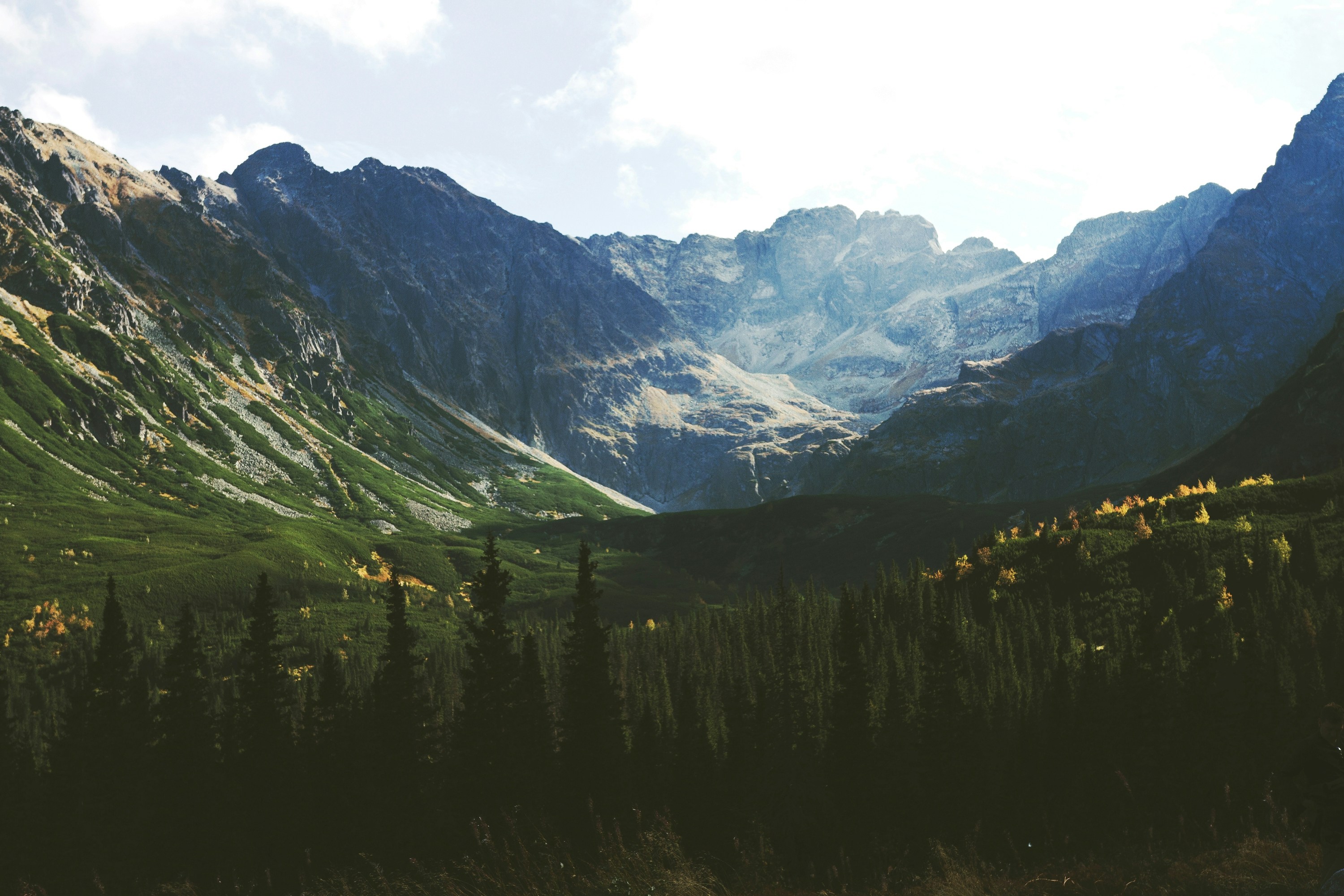
Banff and Jasper National Parks are packed with sights that truly live up to the hype. If you only have a few days, prioritize Lake Louise and Moraine Lake—those turquoise waters and dramatic peaks are even more stunning in person. I’ll never forget the first time I spotted a herd of elk grazing in the early morning mist near Lake Louise; it’s the kind of moment that sticks with you.
For a jaw-dropping drive, don’t miss the Icefields Parkway. This scenic route links Banff and Jasper, winding past glaciers, waterfalls, and endless mountain views. Athabasca Glacier and the Columbia Icefield are must-stops along the way, offering guided walks and interpretive centers if you want to get closer to the ice. Bow Valley Parkway is another favorite for quieter drives and great wildlife viewing—keep your eyes peeled for bears, mountain goats, and bighorn sheep, especially at dawn or dusk.
Outdoor lovers will find plenty to do: hiking, canoeing, and taking in panoramic viewpoints like Peyto Lake or the Jasper SkyTram. If you have extra time, add a side trip to nearby Yoho or Kootenay National Parks for more waterfalls, lakes, and unique geology. For more ideas on exploring Canada’s wild spaces, check out our guide to the Best National Parks in Canada.
Wildlife encounters are a highlight, but always keep a safe distance and follow official advice—Parks Canada’s wildlife viewing safety page is worth reading before your trip.
Top Hikes And Outdoor Adventures
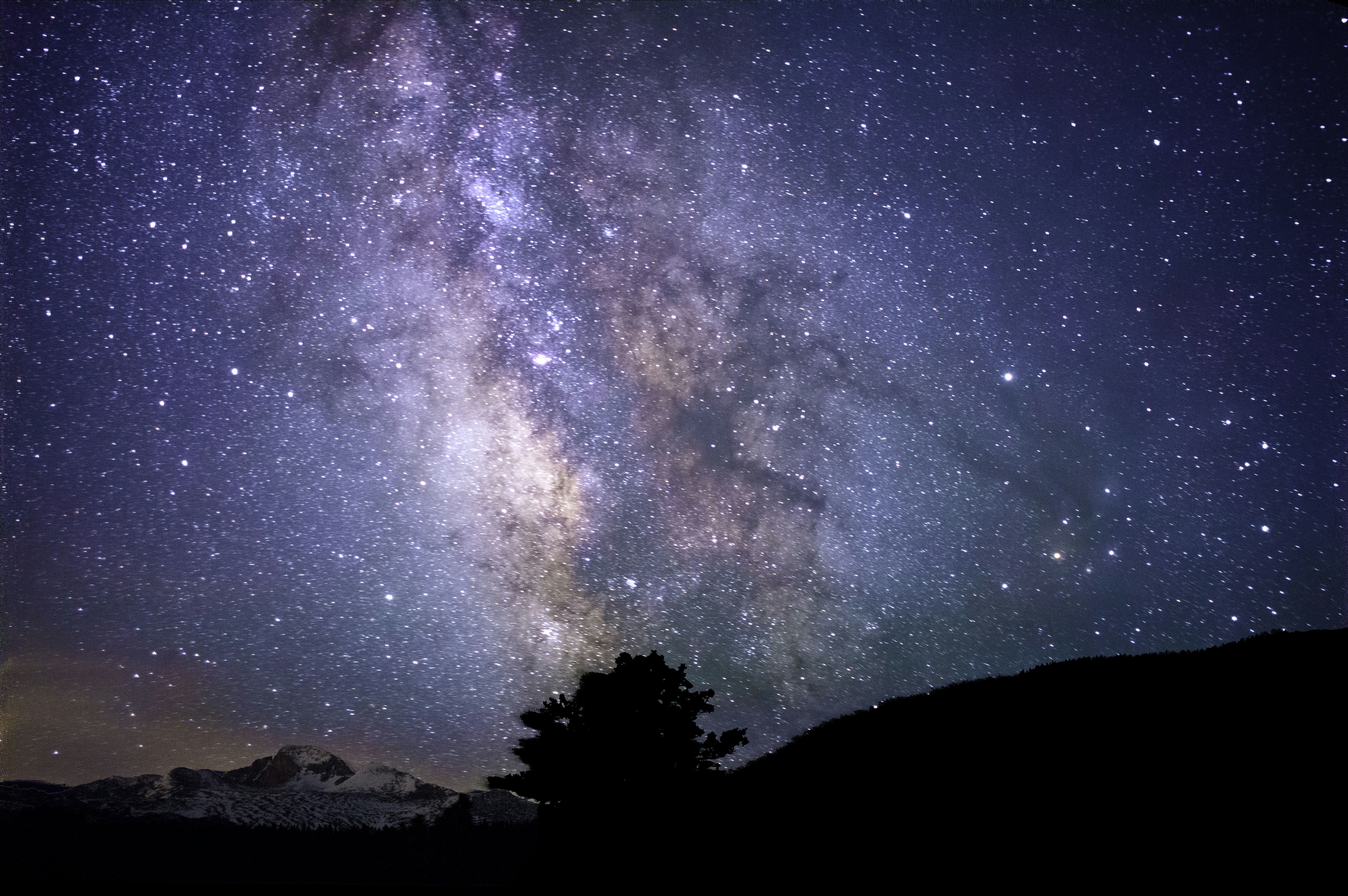
Exploring the Canadian Rockies means you’re spoiled for choice when it comes to hiking and outdoor thrills. In Banff, the Lake Agnes Tea House Trail is a favorite of mine—moderate, scenic, and you’re rewarded with lakeside tea at the top. For something a little more dramatic, Jasper’s Wilcox Pass offers wide-open alpine views and a good chance to spot bighorn sheep. If you’re after an easier adventure, Johnston Canyon’s catwalks and waterfalls are a crowd-pleaser and doable for most fitness levels.
Beyond hiking, Banff and Jasper are packed with adventure activities. Guided glacier walks on the Athabasca Glacier let you safely experience ancient ice, while lake canoeing at Moraine or Emerald Lake is a peaceful way to soak in the scenery. Horseback riding tours are also popular, ranging from short forest rides to full-day backcountry experiences.
Safety is key in these wild places. I always check the Parks Canada trail conditions before heading out, and I recommend packing for sudden weather changes—layers, rain gear, and a daypack with water and snacks are essentials. Bear spray is a must, and you should know how to use it. For gear and prep tips, see our Canadian Rockies Hiking Essentials: Gear and Planning Tips guide.
Where To Stay In The Rockies

Choosing where to stay in the Canadian Rockies depends on your travel style and budget. Banff and Jasper offer the widest range, from hostels like the HI Banff Alpine Centre to mid-range hotels and luxury resorts with mountain views. Lake Louise is quieter but pricier, while field towns like Canmore, Field, and Hinton usually have more availability and lower nightly rates.
If you’re watching your wallet, hostels and motels in Canmore or Hinton are a smart pick—plus, these spots are just outside park boundaries, so you might dodge some of the crowds and find easier last-minute bookings. I’ve personally found staying in Canmore gives you quick park access without the premium Banff price tag, and there’s a relaxed local vibe I really enjoy.
Lodges and resorts inside the parks often book up months ahead, especially in summer, and you’ll need a valid park permit for each night. For booking tips, I’d compare options on cheapfareguru.com and check cancellation policies carefully before locking in your stay.
What To Eat And Where To Find It
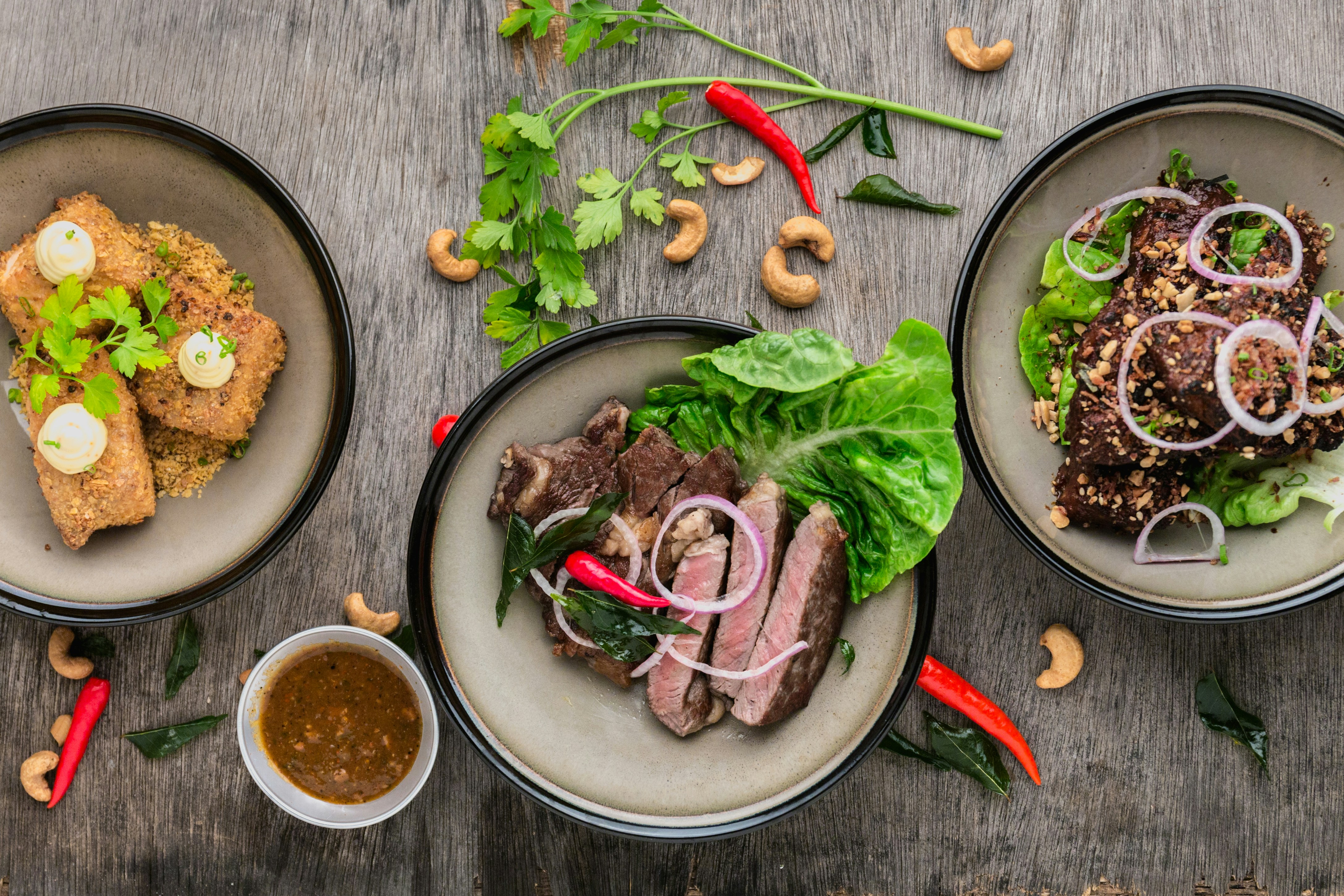
Dining in Banff and Jasper is a treat for any traveler who loves hearty, local flavors. Alberta beef steaks and bison burgers are menu staples—The Maple Leaf in Banff is a solid pick for a classic steak dinner, while Jasper’s Jasper Brewing Co. serves up juicy bison burgers in a casual setting. For breakfast, I still remember the berry pancakes at Bear’s Paw Bakery in Jasper—fresh Saskatoon berries make all the difference.
Lunch can be as simple as a grab-and-go sandwich from Wild Flour Bakery in Banff, or you can pack a picnic from the local IGA or Nesters Market. I’d recommend stocking up on snacks and fresh fruit here before heading out for a lakeside lunch at Two Jack Lake or Pyramid Lake. For budget eats, try the local pizza shops or grab a bowl of soup at The Bear Street Tavern.
For more ideas on must-try Canadian foods, check out our Top Canadian Foods You Must Try guide. And for the latest restaurant listings, menus, and hours, it’s worth checking the Banff and Jasper official food directories before you go.
Canadian Rockies Travel Budget Table
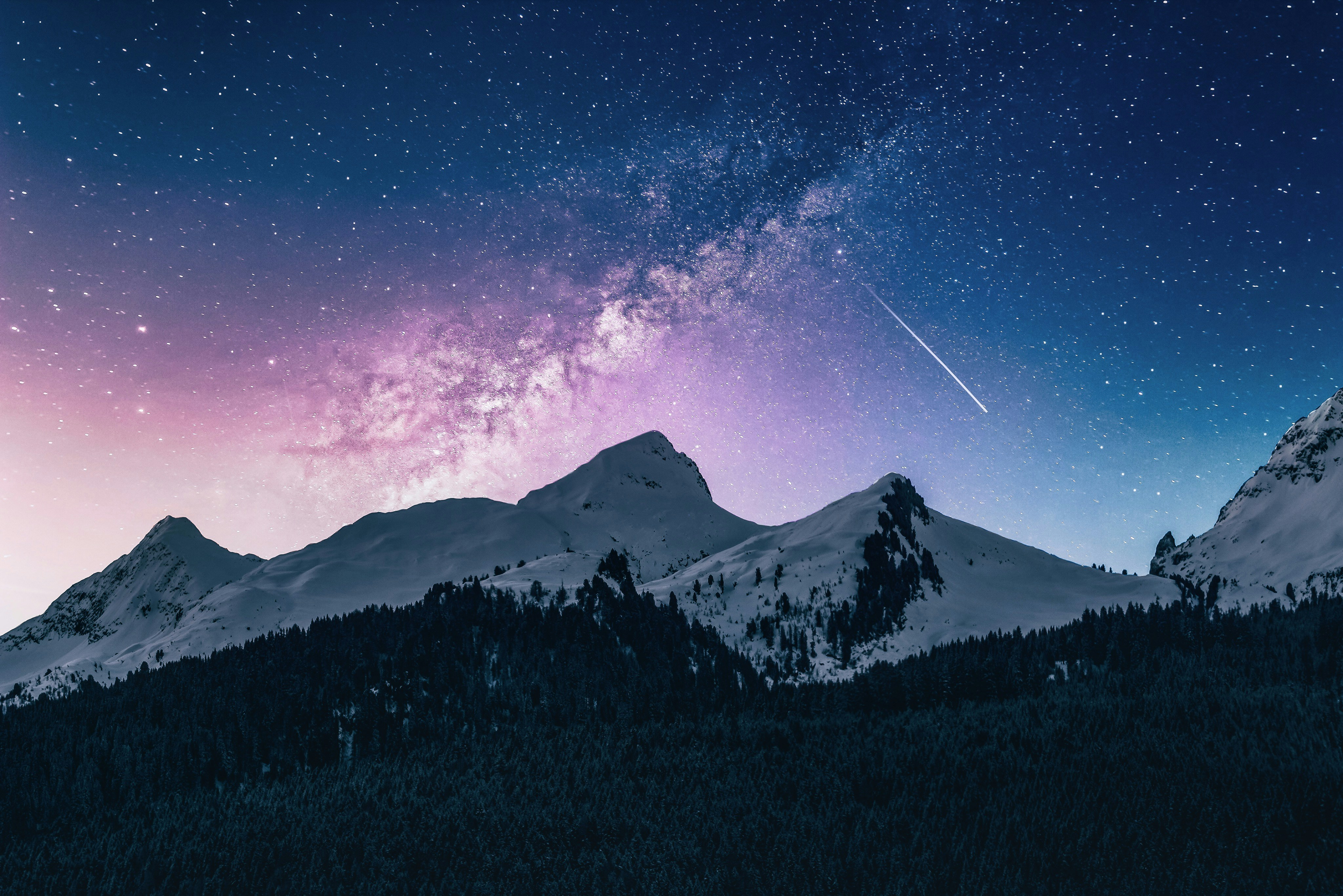
Budgeting for a trip to the Canadian Rockies really comes down to how you balance your priorities—whether you’re happy with hostel bunks and picnic lunches, or you’re ready to splurge on a luxury lodge and gourmet dinners. Personally, I focus my spending on unique experiences, then look for savings on flights using cheapfareguru.com and simple meals to stretch my budget.
| Budget | Mid-range | Luxury | |
|---|---|---|---|
| Accommodation | $35.00 | $110.00 | $420.00 |
| Food | $18.00 | $45.00 | $130.00 |
| Transport | $12.00 | $40.00 | $150.00 |
| Activities | $0.00 | $40.00 | $160.00 |
Budget travelers can expect dorm beds and self-catered meals, while mid-range covers comfortable hotels and casual restaurants. Luxury means private lodges, fine dining, and guided adventures. I’d recommend mixing free hikes with one memorable splurge, like a glacier tour, to get the most out of your trip.
Canadian Rockies Essential FAQs Answered
- When is the best time to visit the Canadian Rockies?
Most travelers prefer late June through early September for warm weather, open trails, and accessible roads in Banff and Jasper. If you want fewer crowds and lower prices, consider May or late September. Winter brings snow sports, but some scenic drives and hikes may be closed due to snow conditions.
- What’s the easiest way to get around Banff and Jasper?
Renting a car is the most flexible option for exploring the Canadian Rockies, especially if you want to visit both Banff and Jasper. Shuttle buses connect major towns and some attractions, but schedules can be limited. I usually recommend booking your rental early, especially in peak summer months.
- Do I need any permits or park passes for Banff travel?
Yes, all visitors to Banff, Jasper, and other Canadian Rockies national parks need a valid Parks Canada pass. You can buy one online or at park gates. Keep your pass visible in your vehicle at all times to avoid fines during your stay in the region.
- How should I pack for a Canadian Rockies trip?
Bring layers, including a waterproof jacket, since mountain weather changes quickly. Sturdy hiking shoes, sun protection, and a reusable water bottle are must-haves. If you want a detailed checklist, check out our complete Canadian Rockies packing list for every season and activity.
- What should I know about wildlife safety in Jasper and Banff?
Wildlife is common, so always keep a safe distance—never feed animals. Carry bear spray when hiking, make noise on trails, and store food securely. Park staff provide up-to-date advice on animal sightings; I’d check their alerts before heading out each day.
- Are there affordable food options in the Canadian Rockies?
Yes, you’ll find grocery stores and casual eateries in Banff and Jasper. Packing snacks and making simple meals can help you save money. Many hotels and hostels offer communal kitchens, so I’d plan to prepare at least a few meals yourself during your trip.
Wrapping Up Your Rockies Adventure
The Canadian Rockies offer something for every kind of traveler—whether you’re drawn to Banff’s turquoise lakes, Jasper’s wildlife, or the endless hiking trails and scenic drives in between. It’s a region that’s surprisingly accessible, with options for luxury escapes, family road trips, or solo backpacking. Personally, I’d go back just to try a multi-day trek I haven’t tackled yet.
If you’re ready to start planning, there’s no shortage of inspiration and practical advice out there. For next steps, check out our Ultimate Guide to Flying to Western Canada to help you map out your journey and find affordable flights through cheapfareguru.com.