

Planning Your Bali Adventure Essentials

Getting ready for your first Bali trip means sorting out a few key details before you even pack your bag. Start with your passport—make sure it’s valid for at least six months past your arrival date. Most travelers can get a Visa on Arrival (VOA) or use Indonesia’s e-VOA system, but requirements sometimes change, so I always double-check the official Indonesia immigration site a month out.
Travel insurance is another must. For Bali, I’d look for a plan that covers medical emergencies, trip delays, and lost baggage. It’s worth checking if your policy includes coverage for scooter accidents, since that’s a common way to get around the island.
Health-wise, consult your doctor or the CDC for up-to-date vaccination advice. Routine vaccines are typically recommended, and some travelers consider hepatitis or typhoid shots depending on their plans. I never skip this checklist item before any international trip, Bali included—it’s just not worth the risk.
When it comes to booking flights, flexibility helps. Set fare alerts, and try searching three to four months in advance. For more tips, check out our guide on How To Find Last-Minute Airfare Deals or browse cheapfareguru.com for current offers.
Best Time To Visit Bali

Bali’s climate is split into two main seasons: the dry season from April to October, and the wet (monsoon) season from November to March, as confirmed by Bali’s official tourism board. During the dry months, you’ll get blue skies and lower humidity—ideal for beaches and outdoor adventures. The wet season brings heavier rain, especially in December and January, but showers are often short and the island stays lush and green.
Flight and hotel prices are highest in July, August, and late December, when Bali is busiest with international tourists and local holidaymakers. The shoulder months—May, June, and September—offer a sweet spot: mostly dry weather, fewer crowds, and noticeably lower prices. In my experience, comparing airfares and hotel rates between rainy and dry seasons can mean paying about $50.00 less per night for similar accommodation.
Festivals and holidays like Nyepi (the Balinese Day of Silence) and Australian school breaks can fill up hotels quickly and drive up costs. If you’re flexible, I’d recommend checking a Seasonal Guide To Southeast Asia to see how Bali’s timing aligns with your trip plans.
Top Bali Neighborhoods To Explore

Bali’s neighborhoods each have their own personality, so where you stay can really shape your trip. Ubud is Bali’s cultural heart, full of art galleries, yoga studios, and lush rice terraces—great if you want a peaceful, creative vibe. Seminyak is all about stylish beach clubs, boutique shopping, and nightlife. Canggu attracts surfers and digital nomads with its laid-back cafes and consistent waves. Uluwatu is famous for dramatic cliffs, epic sunsets, and world-class surf breaks. Jimbaran, on the other hand, is more relaxed, with calm beaches and seafood dinners right on the sand.
Choosing where to base yourself depends on what you want to experience—and how much time you’re willing to spend getting around. Bali’s traffic can be slow, so even a short distance might take longer than expected. For example, getting from Ubud to Seminyak usually takes about 90 minutes by car. Grab and taxis are widely available, but in some areas, local transport is limited and you might end up walking more than you’d planned. I personally love Ubud for its creative energy and tranquil scenery, but if you’re after nightlife or surfing, Seminyak or Canggu might be a better fit.
If you want more details on picking the right spot, check out our full Where To Stay In Bali guide for deeper comparisons.
Must-See Temples And Rice Terraces
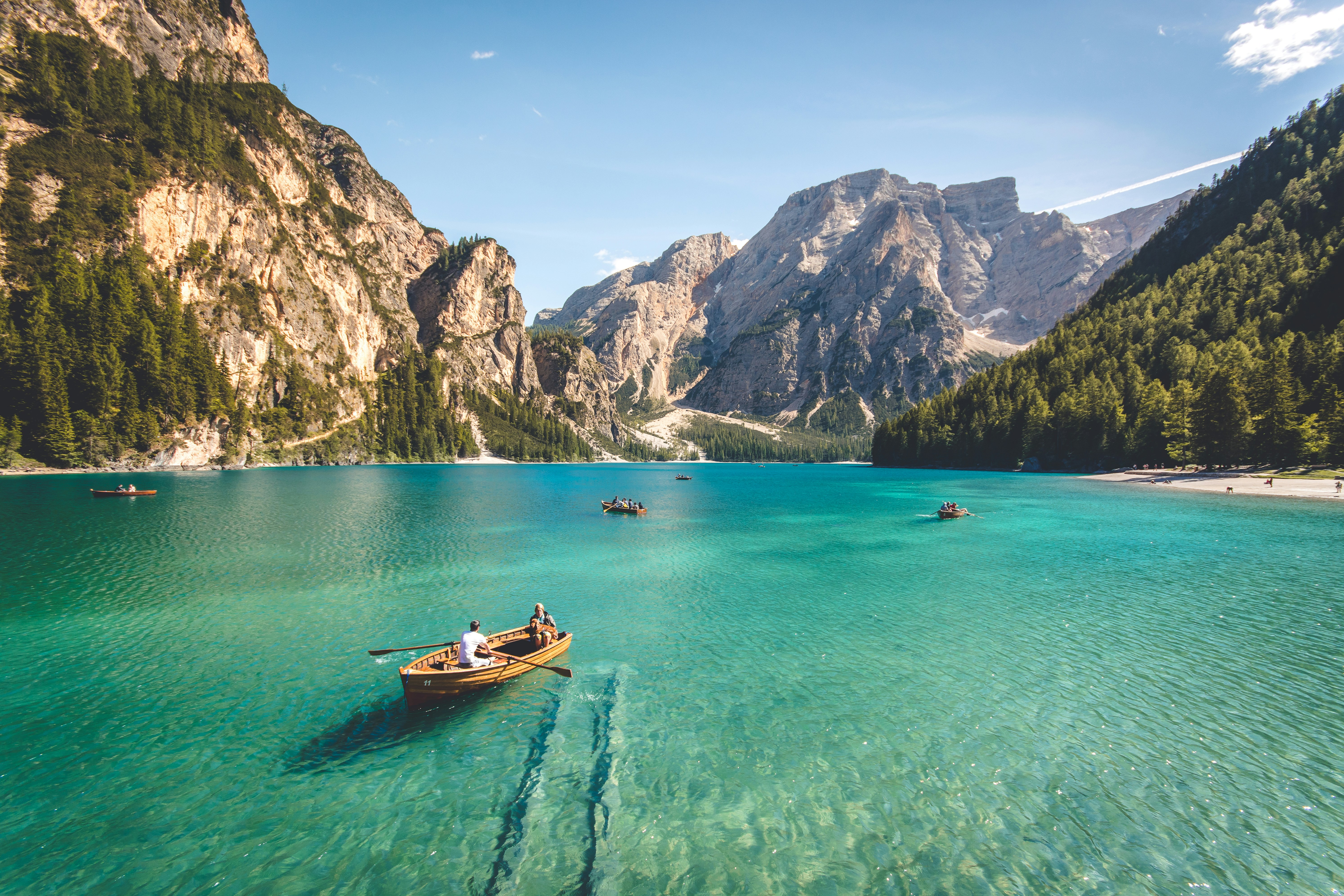
Bali’s temples and rice terraces are truly iconic, and for first-timers, a few sites stand out above the rest. Uluwatu Temple sits dramatically atop ocean cliffs in the island’s south, with sweeping views and a famous sunset Kecak dance. It’s easy to reach by car or scooter, but be prepared for some stairs. Tanah Lot, perched on a sea rock, is especially photogenic at low tide—no wonder it’s featured in Bali’s Most Instagrammable Spots. For a spiritual centerpiece, Besakih Temple on Mount Agung is Bali’s largest, and while it’s a bit farther inland, organized tours make it accessible.
Entrance fees for these temples are typically about $4.00 per person. Remember to wear a sarong and sash (usually available to borrow at the entrance), and dress modestly—shoulders and knees covered. I’ll never forget the feeling of calm wandering Uluwatu’s cliffside paths at sunrise, long before the crowds arrived.
For rice terraces, Tegalalang is the classic postcard view, just north of Ubud. Walk the paths early for cooler air and better photos. Jatiluwih, a UNESCO-listed site, offers wider, quieter landscapes and is best explored by scooter or with a driver. For updated temple hours and conservation details, check the official Bali Tourism Board site.
Bali’s Best Beaches And Water Activities

Bali’s coastline is dotted with beaches that suit just about every traveler’s style. Seminyak Beach is a favorite for families and first-timers, thanks to its gentle waves, wide sandy stretches, and plenty of food shacks and sunbed rentals. Nusa Dua stands out for its calm, clear waters—ideal for swimming and snorkeling—plus well-kept facilities and easy access to water sports like jet skiing or banana boat rides. If you’re after surf culture and dramatic scenery, Padang Padang is legendary for its consistent waves and relaxed vibe, though it can get crowded during peak surf season.
Most popular beaches offer basic amenities: restrooms, showers, beach chairs, and food stalls. Surf lessons and board rentals are easy to find right on the sand, especially at Seminyak and Padang Padang. For water activities, you can usually book on arrival at small kiosks or through your hotel. I still remember stumbling upon a quiet cove near Uluwatu after renting a motorbike—it was the highlight of my trip, with crystal-clear water and barely a soul in sight.
Beach Safety And Environmental Tips
Always check for lifeguards and watch for red flags indicating strong currents—these are common on the west coast. Be mindful of plastic pollution, especially after storms; local groups like ROLE Foundation offer up-to-date beach clean-up info and safety tips. For more on getting around, see our guide on How To Get Around Bali.
Where To Eat In Bali
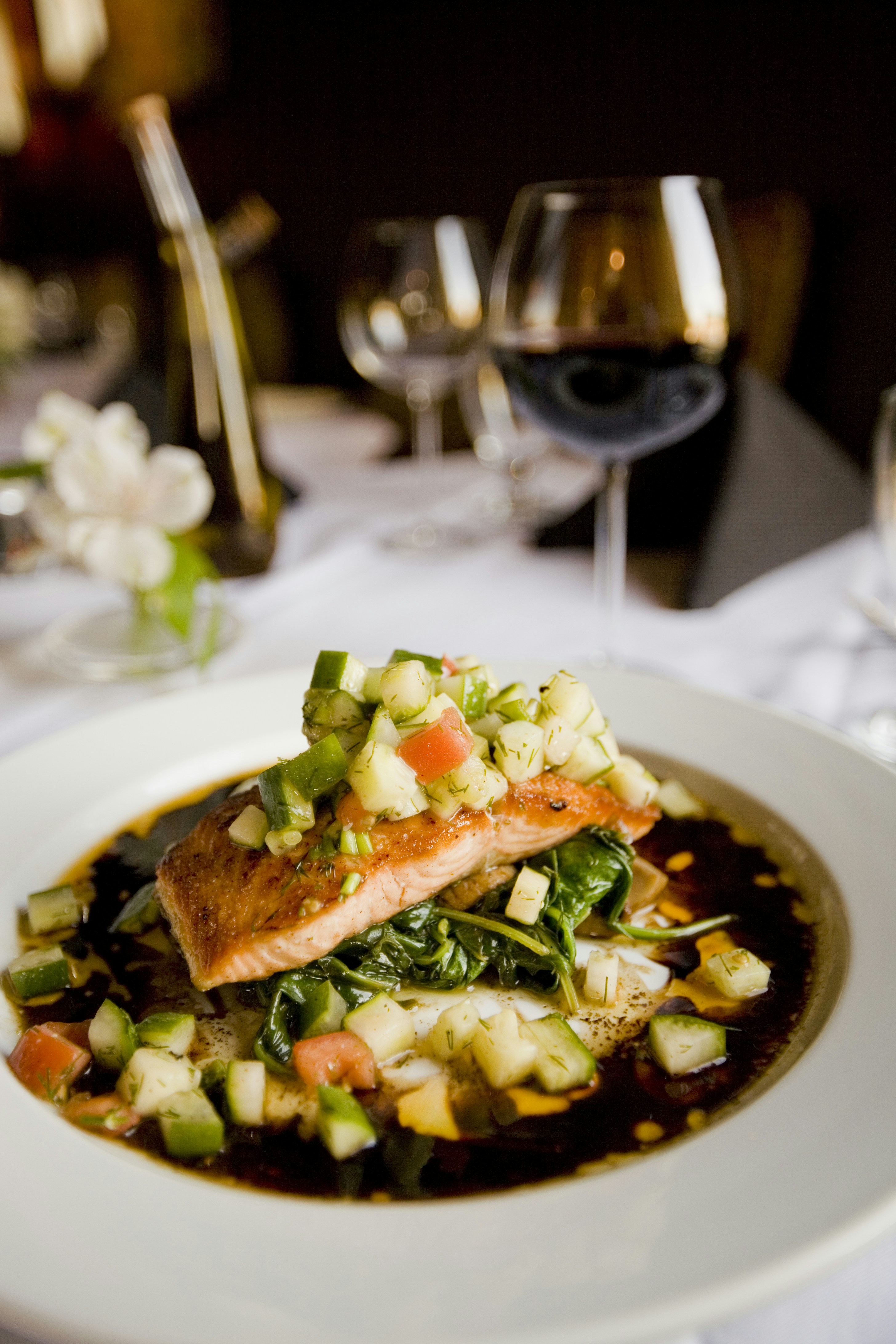
Bali’s food scene is incredibly diverse, whether you’re grabbing a quick bite from a street vendor, settling into a humble warung, or dining at a stylish café. For first-timers, sampling food at a local warung (family-run eatery) is a must. Here, you’ll find favorites like nasi campur (mixed rice with vegetables, tofu, and meat), babi guling (spit-roasted pork), and sate lilit (herbed minced fish skewers). I still remember my first plate of nasi campur in Ubud—simple, flavorful, and surprisingly affordable.
If you’re on a budget, eating at a warung typically costs about $2.00 for a filling meal. Mid-range restaurants, which often blend Indonesian and Western menus, usually charge around $8.00 for a main dish. High-end restaurants—especially in Seminyak or Uluwatu—can run about $25.00 per person for a memorable dinner. For street food fans, check out the night markets in Gianyar or Sanur, and don’t miss the lively food streets in central Denpasar. If you want more ideas, our post on Best Street Foods In Southeast Asia covers additional must-try bites.
Food safety is generally good at reputable warungs and restaurants, but I always stick to bottled water and avoid uncooked salads from street vendors. A little caution goes a long way in keeping your Bali trip enjoyable.
Getting Around Bali Easily

Getting around Bali is part of the adventure, but it pays to know your options. Motorbike rentals are everywhere, and you’ll see locals and visitors zipping along the roads. Expect to pay about $6.00 per day for a basic scooter, but make sure you have a valid international driving permit—police checks are common, and insurance may not cover you otherwise. If you’re new to scooters, I’d recommend reading the Beginner’s Guide To Renting Scooters In Asia before you commit.
Taxis and private drivers are a good call for groups or families. You can book at your hotel, through local stands, or via ride-hailing apps. A typical short trip in a metered taxi costs around $4.00, but always agree on the fare first if the driver won’t use the meter. For longer days out, chartering a driver is common—plan on about $40.00 for a full day, which is often more relaxing if you’re traveling with kids or lots of luggage.
Grab and Gojek (the local ride-sharing apps) make getting picked up easy, especially in southern Bali. You’ll need to download the app and verify your phone number. I usually lean on these apps for airport transfers or quick trips around town—they’re transparent about pricing and save you from haggling.
Bali’s public shuttle buses, like Kura-Kura Bus, connect main tourist areas, but schedules and stops can be limiting. For official transport rules, check the Bali Tourism Board or local government websites before you go.
Road safety is no joke in Bali. Traffic is left-hand, roads are narrow, and helmets are mandatory for motorbikes. If you’re unsure, stick to cars or drivers until you get your bearings.
Bali Travel Budget Breakdown

If you’re planning your first Bali trip, having a realistic daily budget makes a huge difference. Costs can swing dramatically depending on whether you’re staying in touristy areas like Seminyak or venturing into quieter towns. I learned pretty quickly that moving just a few miles away from the main beaches can cut my accommodation expenses in half, freeing up more for food and activities.
| Budget | Mid-range | Luxury | |
|---|---|---|---|
| Accommodation | $15.00 | $60.00 | $250.00 |
| Food | $8.00 | $25.00 | $70.00 |
| Transport | $4.00 | $12.00 | $40.00 |
| Activities | $7.00 | $30.00 | $90.00 |
Main price drivers in Bali are location, accommodation style, and how you get around. Local guesthouses in less touristy villages are far cheaper than beachfront resorts. Eating at warungs (local eateries) saves a lot compared to Western restaurants. Renting a scooter is the most budget-friendly way to explore, while private drivers and tours add up quickly. If you’re looking to stretch your dollar, I’d suggest booking guesthouses in towns just outside the main tourist centers—your money will go much further.
Pairing your daily budget planning with flight savings is smart—check out cheapfareguru.com or read our guide on How To Book Cheap International Flights for practical booking advice.
Essential Bali Travel FAQs Answered
- Do Bali first-timers need a visa to enter Indonesia?
Most travelers, including U.S. citizens, can get a Visa on Arrival at Bali’s airport for about $35.00, valid for 30 days. You’ll need a passport valid for at least six months and a return ticket. I always double-check the latest visa rules on Indonesia’s official immigration website before flying.
- What currency is used in Bali, and should I tip?
Bali uses the Indonesian Rupiah (IDR). Cash is widely accepted, but you’ll find ATMs in tourist areas. Tipping isn’t mandatory, but rounding up or leaving about $1.00 in restaurants or for drivers is appreciated. Carrying small bills makes tipping and purchases much easier throughout your trip.
- Is Bali’s tap water safe for first-time visitors?
Tap water in Bali isn’t safe to drink, even for brushing teeth. Always use bottled or filtered water, which is widely available for about $0.50 per bottle. I recommend sticking to cooked foods and avoiding ice in drinks unless you’re sure it’s made from purified water.
- How do I get from Bali’s airport to my hotel?
The easiest options are official airport taxis or ride-hailing apps like Grab. Prepaid taxi counters are located just outside arrivals, and fares to popular areas like Kuta or Seminyak are around $10.00. Confirm the price before you ride. For more transfer tips, see our Common Mistakes To Avoid In Bali article.
- What’s the best way to get mobile data and WiFi in Bali?
SIM cards with data are cheap and available at the airport or local shops—just bring your passport for registration. WiFi is common in hotels and cafes, but a local SIM ensures you stay connected anywhere. I found having a SIM card made navigating and booking rides much simpler.
- What cultural etiquette should Bali first-timers know?
Dress modestly when visiting temples—cover shoulders and knees, and use a sarong if required. Always remove shoes before entering homes or sacred sites. Public displays of affection are frowned upon. Showing respect for local customs goes a long way and helps you avoid awkward moments during your stay.
- Can I use credit cards and ATMs easily in Bali?
Credit cards are accepted at hotels and larger restaurants, but cash is preferred for markets, taxis, and small shops. ATMs are common in tourist zones, but always use machines attached to banks for added security. Let your bank know you’re traveling to avoid card issues abroad.
Wrapping Up Your Bali Experience
Bali’s blend of vibrant culture, lush landscapes, flavorful cuisine, and wallet-friendly travel makes it a fantastic destination for first-time visitors. I still remember how the terraced rice fields and local markets left a lasting impression on me. Whether you’re drawn to temples, beaches, or food stalls, Bali offers something special for every traveler.