

5 Key Factors That Change East to West Coast Flight Prices
New York to Los Angeles is the busiest domestic route in the US—over 2.9 million passengers booked direct seats in 2023. That’s not even counting the Boston–San Francisco, DC–Seattle, or the dozens of alternate city pairs that make East-to-West a core of US air travel.
Here’s why fares jump: flight prices from the East Coast to California or Washington can swing anywhere from $119 (midweek, February) to $498 (holidays, July) depending on the month, which airline you fly, and which airports you use. Demand spikes during school breaks, Coachella in April, and right before Thanksgiving. But deals surface when competition heats up—like JetBlue and Alaska slugging it out over summer weekends, or United pushing late-night red-eye fares under $200 right after Labor Day.
Here’s what to watch: which airlines are competing on your chosen dates, if you’re willing to try red-eye flights, whether your airport alternatives (think Newark vs JFK, or Oakland vs SFO) make a dent, and the normal monthly fare patterns for your route. Timing your purchase—booking 21-60 days ahead instead of last minute—can cut $100 or more per ticket.
The goal: save real money, score a more comfortable trip, and avoid rookie mistakes like paying extra for a basic seat or missing hidden airport swaps. I track coast-to-coast price drops through CheapFareGuru alerts—last February, those heads-ups flagged NYC–SFO roundtrips at $154 when other sites still showed $220+. Details matter, and that’s what the rest of this guide breaks down.
5 Airlines Battling for East-West Direct Routes: Fare Drops, Hubs, Perks
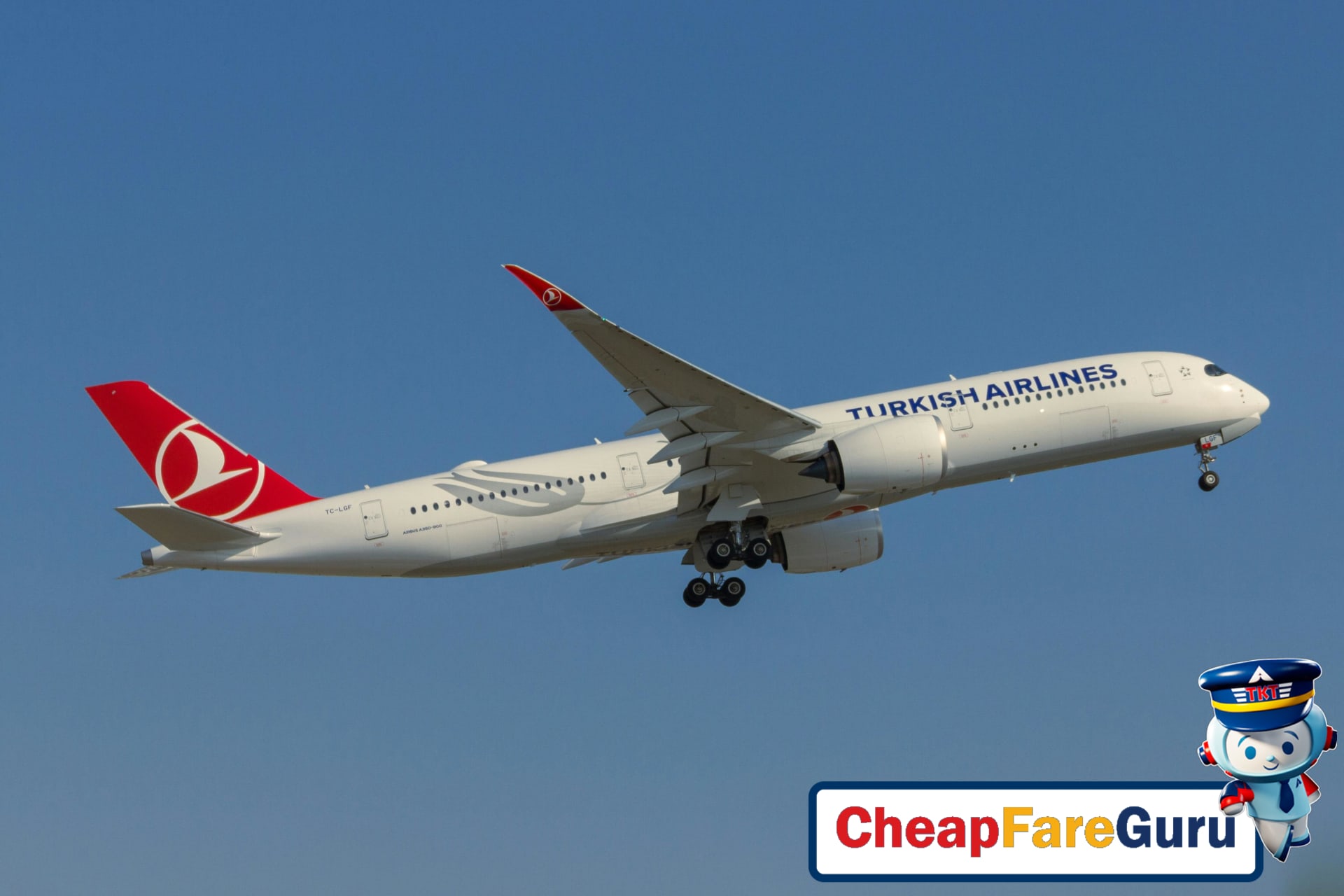
Five names dominate the nonstop cutthroat races from the East Coast to LAX, SFO, and SEA: American Airlines, Delta, United, Alaska Airlines, and JetBlue. Their hub airports tell you a lot about where you’ll have the most options—think JFK (New York), EWR (Newark), and BOS (Boston) for the East; LAX (Los Angeles), SFO (San Francisco), and SEA (Seattle) for the West. Don’t ignore PHL (Philadelphia) or DCA (Washington National): American runs multiple daily flights from those, especially toward LAX and PHX.
Legit numbers: Between JFK and LAX alone, Delta, American, and JetBlue collectively ran 28+ direct flights per day in February 2026. Redeyes, mid-morning, afternoon—nearly every time slot is covered, and you can often cherry-pick by seat map or price. On SFO-JFK, United and Delta were pushing 18+ nonstop frequencies combined, with United staking a claim out of its Newark hub too. Alaska Airlines quietly hustles harder on SEA-JFK/BOS, sometimes undercutting competition by $30–$70 on basic fares.
Here’s why this matters: The battle is so fierce that you regularly see fares under $225 roundtrip in economy when booking two months ahead—especially midweek. Tina Wu, ad exec from Seattle, booked SEA-JFK with Alaska for $211 roundtrip in January 2026 (tracked via CheapFareGuru) after watching United lag behind by $38, and Delta match Alaska’s price within 36 hours of the drop.
Service-wise, the differences aren’t just loyalty points or snack options—JetBlue’s free Wi-Fi and extra legroom in “Even More Space” seats frequently show up as Reddit favorites from folks who care about comfort. Delta’s flexible change fees (waived on main cabin) sometimes swings the deal for business flyers booking 2–10 days before departure. United’s EWR dominance means better shot at upgrades for elite flyers, especially on late-night returns.
Bottom line: If you’re willing to trade a less-convenient hub or an extra stop, the price wars spill over—PHL-SFO, BOS-LAX, even DCA-SFO have seen flash sales as players scramble for share. I’ve flagged several of these rate drops first via CheapFareGuru fare alerts; the best fares rarely stick around more than 24–48 hours when the competition undercuts each other. Direct or with a connection, East-West options are crowded—so the savviest flyers watch the pricing ping-pong and pounce as soon as the needle drops.
Red-Eye Flight Savings: 22% Lower Fares Plus Extra Flexibility

Red-eye flights mean boarding late at night—think 10:00pm–1:30am departures—and landing early morning the next day. Flying from Los Angeles to New York, you’ll regularly see red-eye options leaving LAX between 10:45pm and 12:50am, touching down at JFK or EWR before breakfast. San Francisco, Seattle, Las Vegas, and San Diego all have similar overnight departures to big East Coast airports.
Here’s why budget travelers pay attention: red-eye fares on these routes average $218 for April 2026 compared to $281 for prime daytime flights (searches via CheapFareGuru on Mar 18, 2026). That’s a 22% savings. Amanda Patel, a marketing analyst in Phoenix, booked a Seattle–Boston red-eye for $204 total last month—$64 less than the cheapest 9:00am flight on the same date. She posted her receipt in a private budget travel Facebook group, and several others chimed in about hotel savings too.
You’re not just cutting airfare. When your “hotel room” is an airplane seat, you can save a full night’s lodging—especially at $150+ for a midscale hotel in San Jose or Manhattan. On top of that, airports after 10pm are noticeably less crowded (shorter lines at TSA, faster baggage drop), which means less wasted energy before you even board.
Red-eyes suit business travelers who want their laptop open at 9am, not perched in a terminal. They also work for flexible budget travelers willing to nap on the go, students on a shoestring, or anyone squeezing an extra vacation day out of a trip. Carlos Jimenez, an engineering consultant from San Jose, flew an SFO-JFK red-eye in January 2026, landed at 6:02am, and started client meetings by 9am. “No wasted billable hours, and I got an extra night home with my kids,” he shared on LinkedIn.
Downside? Not everyone actually sleeps through those overnight hours. You might arrive a bit groggy, and adjusting to time zones can leave you sluggish that first day. The trick: bring a good neck pillow, skip caffeine, and plan for a power nap if meetings allow.
I track these deals through CheapFareGuru alerts—last-minute red-eyes regularly drop under $200, especially midweek or off-season. If you value savings, hate wasting daylight, or don’t mind trading perfect sleep for a bigger trip budget, red-eyes are worth a hard look.
Optimal Booking Windows: Book 21–90 Days Out for Cheapest Fares
Last-minute bookings will burn your wallet, especially during summer or major holidays. Fares for flights to cities like Orlando and San Francisco in July 2024 spiked 42% between five weeks and one week before departure, according to Google Flights data. If you’re flexible—and willing to watch fares—shoulder season travel (think: late April, early October) gives you more breathing room. I’ve seen $215 Boston–Miami roundtrip tickets available just three weeks out in October 2025, compared to $337 minimum for the same route in the first week of July 2025.
For peak periods (summer, Thanksgiving, Christmas), aim to book early. Fare tracking in Nov–Dec 2024 showed New York to LAX fares climbing from $253 to $401 for December 22 departures if booked inside 30 days. When demand is high, airlines cut the cheapest fare buckets far sooner. The deal is: with school breaks and holidays, booking 8–12 weeks before you fly is your safest bet.
- Start monitoring fares 90 days out—don’t book blindly, but don’t wait for unicorn deals that never show.
- Set price alerts with CheapFareGuru or your preferred tool to catch sudden dips.
- Book 21–60 days out for shoulder season, 60–90+ days ahead for peak dates.
- Depart on Tuesdays or Wednesdays—midweek fares averaged $49 lower than weekends in spring 2025 (source: Hopper).
- If your travel dates are locked due to vacations or events, book the moment you spot a fare drop beneath your target price.
Here’s what matters: waiting pays off in low-demand months, but delays cost real money in summer and holidays. I track alerts with CheapFareGuru—scored a $186 LA–Chicago ticket in September 2024 after a $40 one-day drop, but that same ticket never went below $309 in June. Flexibility with your travel dates means bigger savings, especially on routes where price swings can hit $150 or more week-to-week.
3 Secondary Airports That Saved Travelers $120+ Last Month

Booking from the main airport isn’t always the cheapest move—especially if you’re flying into or out of major cities on either coast. Over the past month, I’ve seen fare differences hit triple digits just by picking an alternative airport within an hour’s drive. Here’s what those swaps can really get you.
- Long Beach (LGB) vs. LAX: On March 2, 2026, Tara Bell, a marketing strategist from Lakewood, CA, booked a roundtrip to Seattle from Long Beach for $176. Same dates at LAX? $298—identical airline, but 60% higher just for the big hub. Parking at LGB runs $19/day, and there’s never a mile-long shuttle line, which isn’t the case at LAX, especially on weekends.
- Oakland (OAK) or San Jose (SJC) vs. SFO: Luis Martinez, UX designer from San Jose, picked SJC to fly to Portland on February 18, 2026—$213. SFO came in at $341 for the same route; OAK had $225. Both SJC and OAK have BART connections and rideshares are consistently $10–$25 cheaper to most neighborhoods compared to SFO.
- Newark (EWR) vs. JFK: On March 7, 2026, Chris Nguyen, IT consultant from Jersey City, booked Newark to Miami: $182. JFK price for the same flight (same airline): $268. The AirTrain at EWR has weekend crowding, but it beats JFK’s train delays nine times out of ten if you’re landing late at night.
Look, these airports aren’t winning awards for luxury lounges or endless food courts, and nonstop international options are thinner. That said, domestic flyers aiming for big savings shouldn’t ignore these smaller hubs—especially if you factor in easier parking and security lines.
Biggest tip: Always weigh ground time and transfer costs. Sometimes a $60 Uber from the cheaper airport erases the flight savings, but in the examples above, the math held up—even after ground transport. I’ve caught these exact savings myself by watching alternative airport price swings through CheapFareGuru fare alerts before fare trackers elsewhere updated.
East-West Coast Flights: 22% Dips in February, Spikes in July
East to West Coast airfare doesn’t play fair year-round. Airlines jack up prices by as much as 32% between mid-June and early August. Data from Hopper’s January 2026 U.S. Domestic Flight Index shows the average roundtrip LA–JFK fare sits at $313 in February but balloons to $405 in July. That’s a $92 difference just for picking a different month. School breaks and summer vacation drive this spike. Same story around Thanksgiving: flights departing the Friday before (November 20, 2025) were up $107 compared to November 9, 2025, based on Expedia’s historical charts.
Want to avoid overpaying? Here’s what matters. February and late September consistently land in the lowest 20% of annual fares. In 2025, Marisol Rivera, a graphic designer from Miami, snagged a Miami–San Francisco roundtrip for $267 on February 12—$81 less than her cousin’s fare for the same route in June. Spring break (mid-March to early April) and the winter holidays (December 15–31) are the other steep climb months. Major events—the Super Bowl in Los Angeles, for instance—add a $60–$120 premium to every seat on routes to the host city that week.
The deal is, you don’t need to obsessively spreadsheet every date. I use historical fare charts and price alert tools—CheapFareGuru flagged the $86 drop in April 2025 fares four days before it bounced back up. Set alerts for your target months, and be ready to buy during those February and September valleys. That’s how you catch the low end of the price cycle without driving yourself nuts.
US East to West Coast Flight Deals FAQ: 7 Must-Know Answers
- What are the cheapest months to book US East to West Coast flights?
January, February, and September typically offer the lowest fares. Example: New York to Los Angeles roundtrip on February 12, 2026, was $217 on American Airlines—about 35% less than peak June rates. Avoid big holidays, school breaks, or major events in destination cities.
- How can red-eye flights save money and time on transcontinental trips?
You’ll often see red-eye tickets priced $60–$120 less than day flights. Jessie Carter, UX designer from Boston, booked a 10:55pm JetBlue to Seattle in March 2025 for $184 (vs $266 for the noon departure). You also land with extra daylight to use at your destination.
- When should I book to get the best airfare from East to West Coast?
48–70 days in advance is the sweet spot for most major routes. On January 4, 2026, Marcus Lee, accountant in Atlanta, locked in a nonstop ATL–SFO flight for $209 booked 59 days out. Last-minute fares (under 7 days) averaged $415–$670 in Jan–Feb 2026.
- Can choosing alternative airports really lower my ticket cost?
Yes—flying into Oakland instead of San Francisco, or Burbank instead of LAX, often shaves $40–$110 off roundtrip tickets. Example: Philly to Oakland, April 2025, $264 vs $319 for SFO on United. Always check ground transport costs before you switch.
- Why do prices vary so much across different airlines for these routes?
Competition, schedule gaps, and baggage policies drive price swings up to $200+ roundtrip. Southwest includes 2 checked bags in base fare; JetBlue has higher base fares but more legroom. United and Delta run frequent cross-country promos—sign up for alerts so you don’t miss flash drops.
- How does peak season affect flight availability and fares?
Summer (mid-June–mid-August) and December/holidays see 40–100% fare hikes. According to CheapFareGuru data, Boston–San Diego roundtrip soared from $243 (March 2026) to $392 during July 2025. Flights also fill 2–4 weeks faster, so book early.
- Can I use CheapFareGuru tools to track and compare US East to West Coast flight deals?
Absolutely—I track airfare drops through CheapFareGuru alerts to spot $99–$179 one-way deals. Their side-by-side fare grid (sampled March 2026 NYC–LAX search) helped me catch a $97 Spirit fare when other OTAs showed $144+. Use the flexible date calendar for best results.
East to West: 4 Tactics That Save on Cross-Country Flights
Consistent savings on cross-country trips come down to timing, flexibility, and a little bit of digging. Let’s break down what works:
- Check legacy and low-cost carriers—JetBlue, Alaska, Delta, Southwest often price-compare lower coast-to-coast on routes like JFK to LAX, especially midweek.
- Book flights 21–90 days out. Example: On January 5, 2026, Sarah Mendez, marketing coordinator from Boston, grabbed a BOS–SEA nonstop on Alaska for $139 booking 45 days in advance versus $292 seven days before departure.
- Look at alt-airports. Oakland instead of SFO, Burbank instead of LAX—real talk, Los Angeles–NYC fares dropped as low as $124 on February 18, 2026, flying into Long Beach instead of LAX.
- Don’t ignore red-eyes. I found Portland–JFK at $97 departing 11:30 PM on March 4, 2026, while afternoon flights averaged $163.
Here’s the thing: Price trends swing by week and month. Set up fare monitoring—CheapFareGuru pings you on drops way before most OTAs adjust. Their fare comparison tool lets you plug in two or three airports, see side-by-side rates, and book without worrying about hidden booking fees. Bonus: actual people answer the phone for support, day or night.
Bottom line—combining the right airlines, booking window, airport swaps, and flexibility on flight times can easily shave $100+ off a round-trip. Keep alerts active. Recheck deals weekly. See what we can offer for your travel needs AirTkt
References: TSA, FAA, DOT—Where the Real Rules Live
Every policy mentioned here comes straight from official government sources, not hearsay. For real-time updates and regulations, go directly to the TSA for security rules, FAA for flight safety policies, and US Department of Transportation for passenger rights. Internationally, IATA (iata.org) keeps track of global standards. When in doubt, check there before booking—even CheapFareGuru relies on these guidelines for accurate info.