
Manila Essentials For First-Timers

Manila can feel overwhelming on the map, but in reality, it’s a vibrant mix of old and new, with Spanish-era churches, bustling markets, and glittering malls all sharing space. The city’s neighborhoods have distinct personalities—Intramuros brings colonial history, while Bonifacio Global City buzzes with modern energy. If you’re still hunting for a bargain flight, I’d start with this guide on cheapfareguru.com about how to find cheap flights to Manila before you plan your route.
Many first-timers expect chaos, gridlock, or even unfriendly streets, but my first visit quickly shattered those myths. Yes, Manila’s traffic is legendary, but the city’s warmth and friendliness stand out far more. Locals are generally welcoming, and basic safety precautions—like keeping valuables secure—go a long way. English is widely spoken, but learning a few Tagalog greetings (“Salamat” for thank you, “Magandang araw” for good day) earns smiles. Dress is casual, but modesty is appreciated in churches and traditional areas.
Manila is an ideal first stop in the Philippines, not just for its airport connections but for its blend of cultural layers and lively street life. Before you visit, I recommend checking the official Philippine Department of Tourism website for any travel advisories or updated etiquette tips.
Exploring Intramuros and Old Manila

Intramuros, known as the “Walled City,” is Manila’s most storied district, built by the Spanish in the late 1500s to defend their Philippine capital. Stepping through its massive stone gates, I felt transported—those cobbled streets and weathered ramparts echo centuries of colonial history, resilience, and transformation.
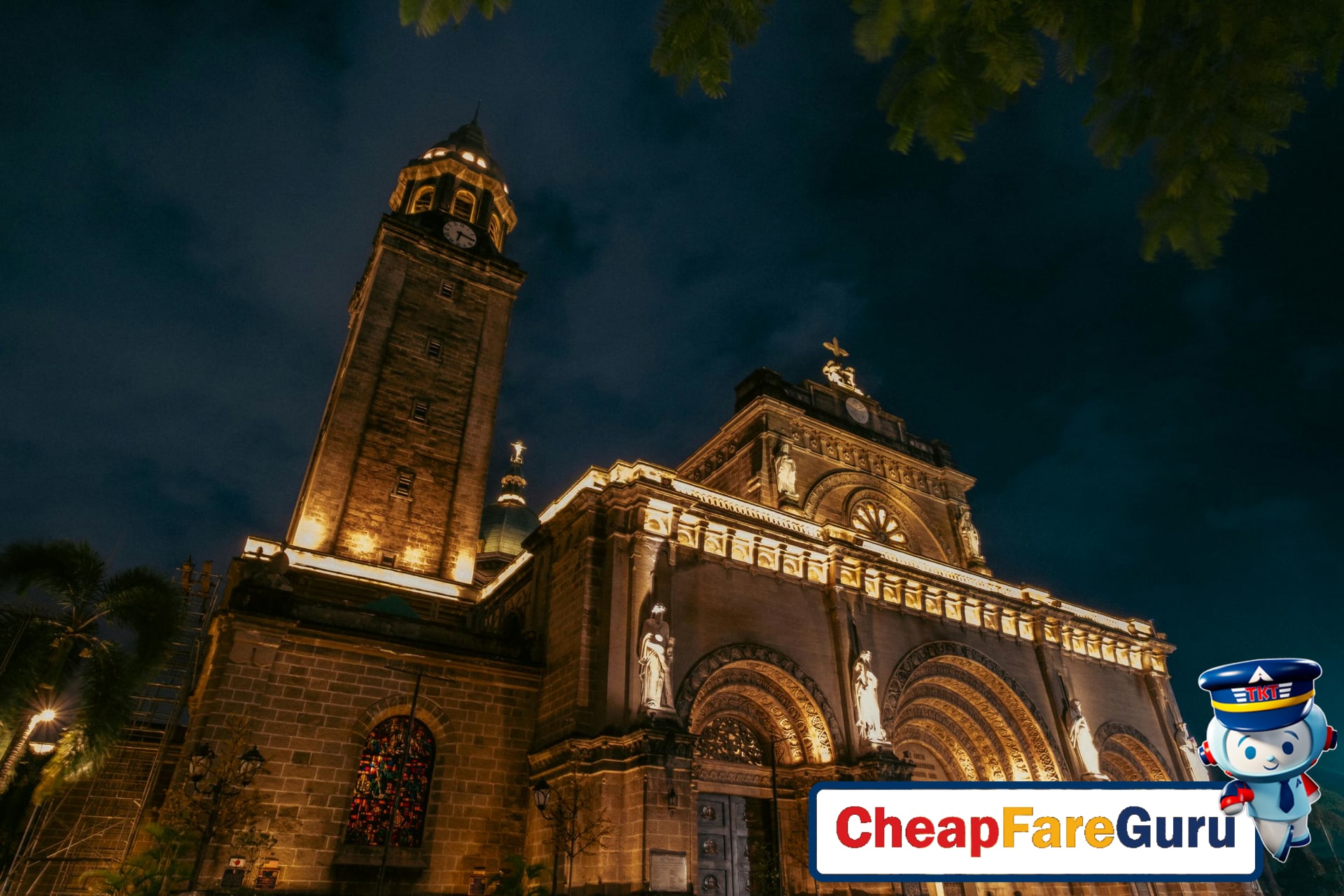
Don’t miss the trio of iconic landmarks: Fort Santiago, with its solemn dungeons and leafy courtyards; San Agustin Church, a UNESCO World Heritage site with ornate baroque interiors; and the grand Manila Cathedral, still a spiritual hub today. Each site tells a different chapter of Manila’s past, and I found wandering between them both humbling and fascinating.
Intramuros is best explored on foot, though pedicabs are handy if you want to save your energy or escape the midday heat. I usually recommend arriving just after opening hours, when the air is cooler and the crowds are thinner. If you enter churches, dress modestly—shoulders and knees covered—and keep voices low out of respect for worshippers.
For a deeper dive, check out our guide to unmissable historical tours in the Philippines. You’ll also find an official Intramuros map and tour info here.
Modern Energy and Experiences in BGC

If you want to see a different side of Manila than the historic streets of Intramuros, Bonifacio Global City (BGC) is where the city’s modern pulse beats. This area draws young locals and travelers with its clean streets, open-air plazas, and a skyline dotted with glassy towers. It’s easy to see why BGC feels like a breath of fresh air compared to Manila’s older neighborhoods.
BGC is packed with must-see highlights: vibrant street art murals, high-end malls like Uptown and SM Aura, and a food scene ranging from food trucks to trendy bistros. I found the layout surprisingly walkable—much more straightforward than other parts of Manila, which made exploring less stressful. Wide sidewalks, bike lanes, and green spaces like Track 30th Park make it easy to linger outdoors.
Getting around BGC is simple. Most visitors rely on Grab (the local ride-hailing app), but walking and e-scooters are also popular. For budget-friendly eats, check out the Market! Market! food court or look for local cafés tucked down side streets. If you’re searching for a place to stay, I’d compare options in BGC with those in our best affordable places to stay in Manila guide.
BGC’s energy is upbeat and the area feels noticeably safe for first-timers, especially in the evenings. For current events or festivals, I recommend checking the official BGC website before your visit.
Best Manila Street Food Experiences
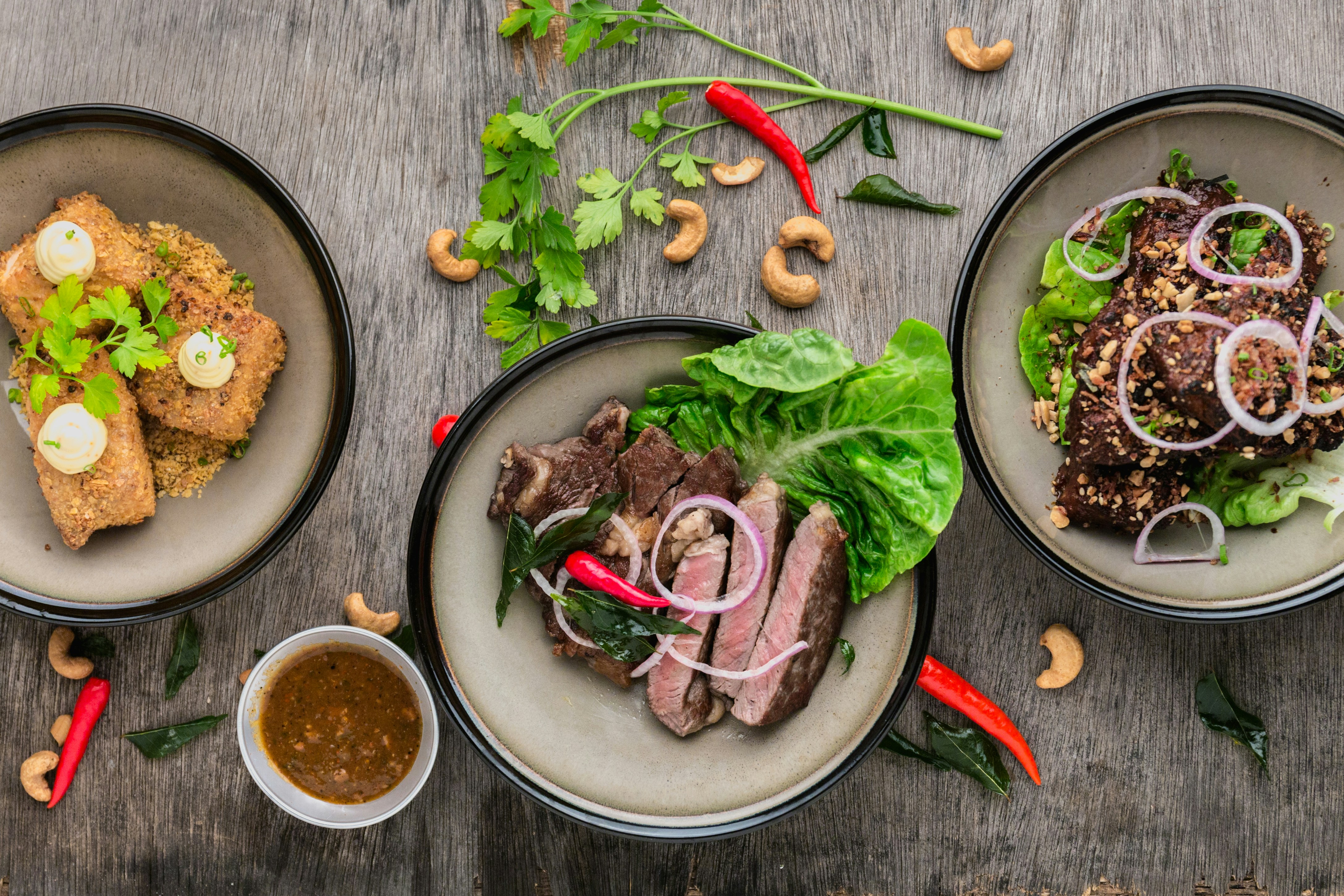
Manila’s street food scene is a bold mix of flavors, textures, and pure local energy. If you’re new to it, start with staples like kwek-kwek (battered quail eggs, about $0.50 per stick), isaw (grilled chicken or pork intestines, about $0.40 per skewer), and the famous balut (fertilized duck egg, around $1.00 each). For something sweet, try taho (silken tofu with syrup and sago pearls, about $0.60 per cup) or the refreshing halo-halo (shaved ice dessert, typically $1.50 per serving).
The safest way to dive in is at busy markets like Quiapo or Legazpi Sunday Market, where turnover is high and food is freshly cooked. I still remember my first bite of kwek-kwek at a bustling Manila night market—the crunch and tangy sauce caught me off guard in the best way. Since then, I always check for stalls with a steady line of locals before ordering.
For more tips on affordable eating across the region, check out our guide to eating on a budget in Southeast Asia. If you want more detail on Manila street food, the blog Pepper.ph has a helpful local guide.
Manila Transport Tips for Newcomers
Arriving in Manila can feel overwhelming, especially after a long flight. From Ninoy Aquino International Airport, you’ll find several ways to reach the city center. Metered taxis are available outside arrivals, but I’d recommend using the Grab app for a more predictable fare and less haggling. Buses are also an option, though they can be crowded at peak times. For more on airport arrivals, check out our guide on navigating airports in the Philippines.
Once you’re in the city, Jeepneys and UV Express vans are the classic local ride. To board a Jeepney, flag one down, hop in the back, and pass your fare (about $0.25) forward. Don’t expect anyone to have change for large bills—this tripped me up on my first ride, and I had to scramble for coins while everyone waited. UV Express vans work similarly but follow set routes and fill up before leaving.
The LRT and MRT trains are a faster way to dodge Manila’s notorious traffic. You can buy single-journey tickets at the station, or load a Beep card with about $2.00 for multiple rides. Mobile wallets are accepted at some stations, but lines get long during rush hour. Always plan extra time, as traffic and queues can be unpredictable.
For updated Manila transit routes and fares, visit the official Manila airport and transit website.
Where To Stay in Manila

Manila’s neighborhoods each offer a different experience for first-timers. Intramuros and Ermita put you close to Spanish-era history, museums, and Rizal Park, but streets can get crowded and nightlife is limited. Makati is Manila’s cosmopolitan heart, packed with shopping, dining, and hotels for every budget. I personally lean toward Makati for a return visit—the walkability, safety, and variety of food options make it easy to settle in, even if you’re new to the city.
BGC (Bonifacio Global City) is the city’s modern, upscale district, with wide sidewalks and international hotels, but it’s pricier and feels less “local.” Quezon City offers a more authentic Filipino vibe, budget stays, and lively local food, though it’s farther from tourist sights and can be noisy at night.
Wherever you book, check reviews for mentions of security staff, well-lit entrances, and proximity to main roads or malls. I usually recommend browsing the official Philippines hotel guide for a sense of star ratings and amenities. For more details on finding value stays, see our advice on how to search for the best hotel deals in Manila.
Manila Travel Budget Breakdown Guide
Manila is one of those cities where your daily expenses can swing quite a bit depending on your travel style. I’ve learned firsthand that even small costs—like bottled water or extra Grab rides—add up quickly if you’re not tracking your spending. Here’s what to expect for each budget tier:
- Budget: Hostels or basic guesthouses, street food, public transport, and free or low-cost sights.
- Mid-range: Comfortable hotels, restaurant meals, mix of taxis and rideshare, plus a few ticketed attractions.
- Luxury: Upscale hotels, dining out, private cars or hotel transfers, and guided tours or premium experiences.
| Accommodation | Food | Transport | Activities | |
|---|---|---|---|---|
| Budget | $18.00 | $10.00 | $5.00 | $6.00 |
| Mid-range | $55.00 | $25.00 | $15.00 | $18.00 |
| Luxury | $140.00 | $60.00 | $40.00 | $50.00 |
Tips To Stretch Your Budget
- Book accommodation early for better deals, especially during festivals or holidays.
- Eat at local carinderias for authentic meals at a fraction of restaurant prices.
- Use public transport like the LRT or jeepneys; they’re much cheaper than taxis.
- Look for free walking tours or visit museums on discounted days.
For up-to-date Manila prices, I like to double-check on Numbeo before finalizing my budget. And when searching for airfare, using cheapfareguru.com or reading up on tips for booking the cheapest flights to Asia can really help keep your total trip costs in check.
First-Timer Manila Travel FAQs
- Is Manila safe for first-time travelers?
Manila is generally safe for tourists, especially in major districts like Makati and Bonifacio Global City, but petty theft can occur in crowded areas. I usually recommend keeping valuables secure and using registered taxis or ride-hailing apps. Check the U.S. State Department’s latest travel advisories before you go for up-to-date safety information.
- What should a Manila first-timer avoid?
As a Manila first-timer, avoid carrying large amounts of cash and don’t flash expensive items in public. Be cautious in unfamiliar neighborhoods after dark, and steer clear of unregistered taxis. Tap water isn’t safe to drink—stick to bottled water. I once heard tap water was fine, but that’s a common myth.
- What are must-see experiences for first time in Manila?
Don’t miss Intramuros for its colonial history, Rizal Park for a relaxing stroll, and the bustling markets of Quiapo. I’d also suggest trying a jeepney ride for a true local experience. For more practical prep, check out this complete Manila packing list before you go.
- Are there cultural etiquette tips for Manila visitors?
Yes, it’s polite to greet with a smile and a gentle handshake. Address elders with “po” and “opo” as a sign of respect. Avoid public displays of anger or confrontation. Dress modestly, especially when visiting churches or public offices. Always ask before taking photos of people, particularly in markets or religious sites.
- How should I handle money in Manila?
Cash is still widely used, so bring Philippine pesos and small bills for markets or taxis. ATMs are available in malls and business districts, but not always in remote areas. Credit cards are accepted in larger establishments. Tipping isn’t mandatory, but rounding up your bill or tipping about $1.00 is appreciated.
Conclusion: Make The Most Of Manila
Manila is a lively introduction to the Philippines, offering a blend of history, street food, and friendly energy that’s hard to match. Whether you’re wandering Intramuros or sampling halo-halo in a local market, there’s always something new to discover. Personally, I wish I’d known how much fun it is to just get lost in the city’s neighborhoods. Ready for more ideas? Check out our Philippines travel inspiration articles for your next adventure.