
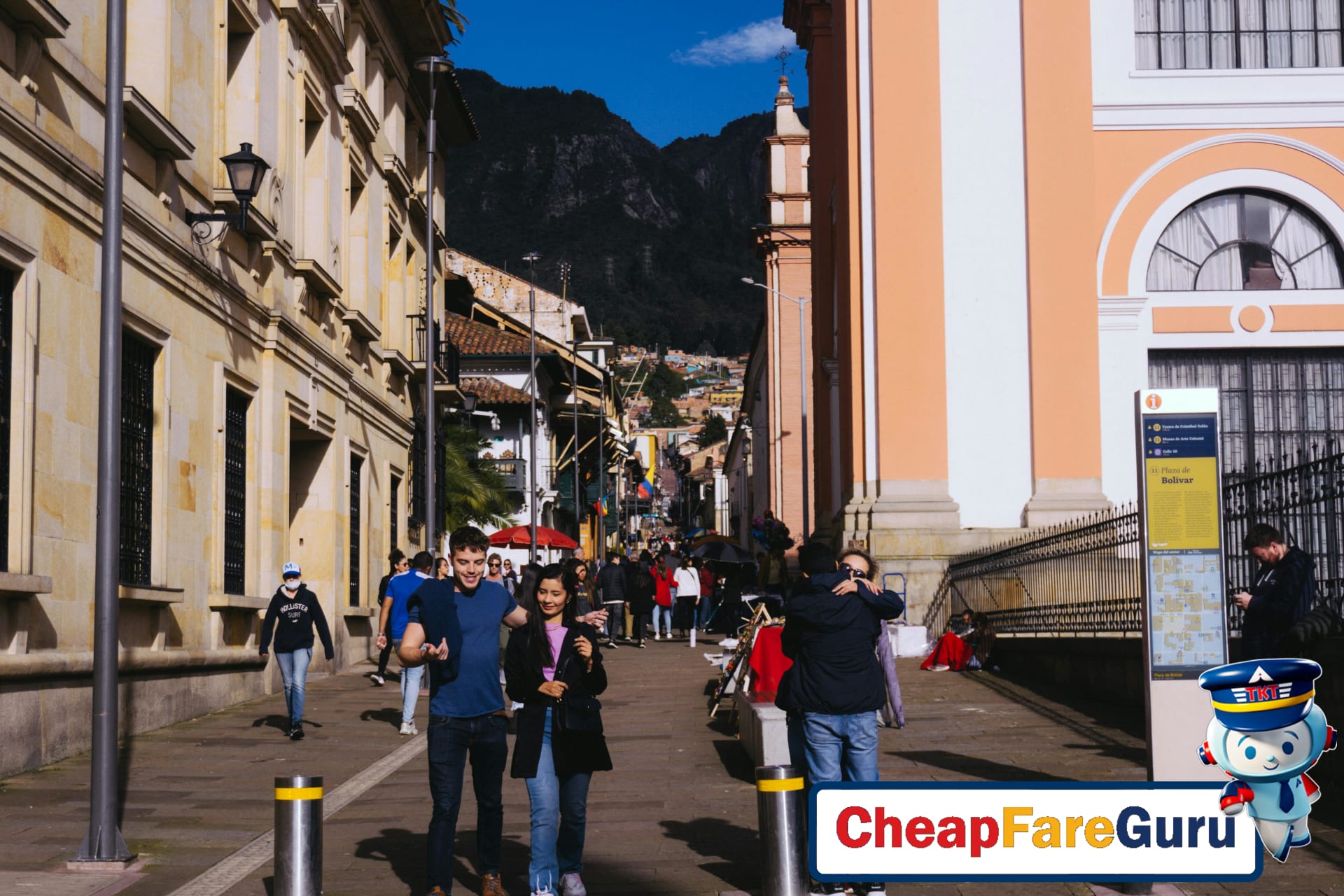
Core Etiquette in Latin America

Understanding etiquette is more than a travel nicety in Latin America—it’s essential for building genuine connections and avoiding awkward moments. The region is vast and culturally diverse, but a few etiquette basics will help you navigate social situations with confidence and respect. I found that once I learned how locals greet each other, I felt much more at ease joining conversations and making new friends.
Greeting Customs and First Impressions
Greetings carry real weight in most Latin American countries. In informal settings, it’s common to exchange a single cheek kiss (usually right cheek) or a warm handshake. In business or more formal contexts, a firm handshake is standard, and you should wait for your host to signal whether a kiss or hug is appropriate. Titles and polite address (like “Señor” or “Señora”) are appreciated, especially when meeting someone for the first time. For more on polite phrases, check out our guide to Essential Spanish Phrases For Travelers.
Personal Space and Conversation
Personal space tends to be closer than what many North Americans are used to, especially during friendly chats. Interrupting is less common—people generally wait their turn, and attentive listening is valued. Direct eye contact is seen as a sign of sincerity. I usually recommend observing how locals interact before jumping in, which helps avoid coming off as too distant or overly familiar.
Dining Etiquette and Table Manners
Dining is a social affair. Wait for the host to indicate where you should sit and to start the meal—diving in early can be considered rude. Keep your hands visible (resting wrists on the table, not elbows), and don’t leave the table until invited. If you’re the guest, thanking your host at the end of the meal is always appreciated. According to the TripSavvy Latin American Dining Etiquette Guide, these small gestures show genuine respect for your hosts.
Ultimately, etiquette in Latin America is about more than memorizing rules—it’s about showing openness, curiosity, and willingness to engage with local customs. Being attentive and adaptable will earn you goodwill, even if you don’t get every detail right.
Tipping and Service Expectations Explained

Tipping customs can be one of the trickiest parts of travel, especially if you’re used to U.S. standards. In many Latin American countries, tipping is appreciated but not always expected at the same level as back home. For example, in restaurants, it’s typical to leave about $1.00 per person for casual meals, or around 10% of the bill for nicer sit-down service. However, sometimes a service charge (“propina incluida”) is already added to your bill. I’ve definitely had moments where I was confused by a restaurant bill, only to realize after asking that the tip was already included—so it pays to double-check before adding more.
Restaurant, Taxi, and Hotel Tips
For taxi rides, rounding up the fare or adding about $1.00 is polite, but not always expected—especially if you’re using ride-hailing apps, where tips can be left digitally. Hotel housekeeping staff will appreciate about $2.00 per night left in the room. When joining a guided tour, a tip of about $5.00 per person for a half-day experience is typical, especially if the guide goes above and beyond. In my experience, most travelers overestimate how much is expected, so it’s worth checking local norms before you go.
How Service Charges Are Shown
Service charges are usually marked at the bottom of your restaurant bill as “servicio” or “propina incluida.” If you see this, there’s no need to tip extra unless you received outstanding service. If you’re unsure, it’s fine to politely ask your server. This is a common question and staff are used to clarifying for visitors. For more on avoiding surprise expenses, you might want to check out our guide on Common Travel Fees To Watch Out For.
When Tipping Is Not Customary
Unlike in the U.S., tipping isn’t universally expected everywhere. Some small eateries, street food stands, and public transport drivers don’t expect tips at all. If you’re ever unsure, a quick check on a trusted travel forum or the U.S. Department of State’s country information pages can give you up-to-date advice on local customs. It’s always better to ask than to assume.
Dress Codes and Modesty Standards
Dress expectations in Latin America can surprise even seasoned travelers. In my own experience, I once arrived at a small town church in shorts and a sleeveless top—only to realize everyone else was covered up. I felt out of place and quickly learned to keep a scarf handy for moments like that.
Urban Versus Rural Attire Norms
In larger Latin American cities, you’ll notice a mix of modern and traditional styles. Jeans, t-shirts, and smart-casual outfits are common, but locals often dress a bit more formally than tourists expect—especially in nicer restaurants or shopping areas. In rural villages, modesty is more pronounced. Women tend to wear skirts or dresses that cover the knees, and men stick to long pants. Even when it’s hot, showing too much skin can come off as disrespectful, so I’d recommend erring on the side of caution.
Visiting Churches and Sacred Sites
Places of worship and traditional neighborhoods call for extra attention to dress. Shoulders, midriffs, and knees should be covered for both men and women. Many churches in Mexico, Peru, and Brazil have posted guidelines at the entrance, like those found on the official Mexico City tourism board site. If you’re unsure, look at what locals are wearing or ask ahead. I usually recommend checking this before you book any guided tours that include religious stops.
Festivals, Events, and What to Avoid
Festivals and local events are a highlight of Latin American travel, but they’re also moments when modesty matters most. Avoid flashy, revealing, or beachwear-style clothing unless you’re actually on the sand. Overtourists often get it wrong by wearing tank tops, short shorts, or athletic gear that stands out in a crowd. Respectful attire helps you blend in and shows appreciation for local customs.
For more detailed packing strategies, check out our Packing List for Central and South America, which covers region-specific essentials and tips for adapting to different climates and settings.
Respecting Local Traditions and Beliefs

Every country has its own tapestry of traditions, many of which are deeply rooted in Indigenous customs, religious practices, and community celebrations. For example, in Thailand, it’s respectful to remove your shoes before entering a temple or someone’s home. In Mexico, Day of the Dead festivities blend solemn remembrance with vibrant public gatherings, but certain rituals are reserved for families. In Morocco, Ramadan transforms daily routines, and eating or drinking in public during daylight hours is discouraged out of respect for those fasting.
There are ceremonies where outsider participation is welcomed—some villages in Peru invite travelers to join in traditional weaving demonstrations or local festivals. However, not all rituals are open to guests. For instance, many Indigenous Australian ceremonies are strictly private, and some Japanese Shinto rites are for community members only. When I was invited to a religious ceremony in Bali, I chose to respectfully decline because I didn’t understand the meaning behind the ritual and didn’t want to risk offending anyone.
If you’re ever unsure about a cultural practice, observation is your best guide. Watch how locals behave, and don’t hesitate to ask a host or guide for advice before joining in. UNESCO offers helpful guidance on respectful cultural engagement, emphasizing the value of asking permission and being mindful of your impact. You can find more practical tips in our post on How To Be a Responsible Tourist.
Photography is another area where sensitivity is crucial. Taking photos or videos at ceremonies, family gatherings, or sacred sites can feel intrusive, and in some cultures, it’s considered disrespectful or even taboo. Always ask before snapping pictures, especially during private or spiritual moments. This small gesture goes a long way in showing respect for local beliefs and building positive connections.
Urban And Rural Etiquette Contrasts

Traveling between a bustling city and a tranquil rural village in Latin America, you’ll notice some subtle—and not so subtle—differences in etiquette. One area that often surprises visitors is punctuality. In major cities, being on time for appointments or tours is usually expected, and locals may see lateness as disrespectful. In rural areas, though, schedules are often more relaxed, and “on time” can mean arriving a little later than planned. I usually recommend double-checking with your host or guide about what’s considered polite timing in each place.
Conversational style is another big contrast. City dwellers tend to be a bit more direct and may skip small talk, especially during busy work hours. In smaller towns, people often take their time with greetings and enjoy chatting about family, weather, or local events before getting to the point. If you’re used to fast-paced urban exchanges, it can feel like conversations in rural areas move at a gentler pace—and that’s part of the charm.
Approaching or photographing local people also calls for sensitivity. In cities, snapping street photos is fairly common, but in rural communities, it’s best to ask permission first. Some villagers may feel uncomfortable or see photography as intrusive. I’ve found that a friendly hello and a respectful request go a long way, whether you’re in a city plaza or a remote hamlet. If you’re not sure, err on the side of caution and focus your lens elsewhere.
Hospitality can look different, too. A couple traveling for a holiday might notice that city hosts are efficient but reserved, while rural hosts may seem shy at first but warm up over time, often inviting visitors to join a meal or local gathering once trust is built. If you’re interested in more regional etiquette details, check out our Cultural Do’s and Don’ts in Latin America guide. For further reading, this research article on rural-urban etiquette differences offers useful insights for travelers.
Based on my own travels, I recommend starting with a smile and a simple greeting, and letting locals set the pace for deeper conversation—especially in rural settings where people may be more reserved at first.
Latin America Travel Budget Table

Planning your daily budget for Latin America is about more than just counting pennies—it’s also about respecting local customs. Whether you’re tipping fairly at a family-run café or choosing a local guide for your jungle hike, etiquette choices can impact your spending. Here’s a breakdown of typical daily costs for three travel styles, keeping in mind the little extras that come with traveling thoughtfully.
| Accommodation | Food | Transport | Activities | |
|---|---|---|---|---|
| Budget | $25.00 | $12.00 | $6.00 | $10.00 |
| Mid-range | $60.00 | $25.00 | $15.00 | $30.00 |
| Luxury | $180.00 | $55.00 | $40.00 | $90.00 |
How Etiquette Affects Your Budget
Daily costs can shift depending on how you approach local etiquette. For example, tipping about $2.00 per bag for porters, or choosing to eat at locally owned restaurants, helps support the community and is often expected. I’ve found that keeping a running tally of my expenses—especially in group settings—has saved me from awkward moments when splitting the bill or figuring out shared tips on day tours.
Budget travelers often choose hostels or guesthouses, eat at markets, use public buses, and join free or low-cost walking tours. Mid-range travelers might opt for boutique hotels, sit-down restaurants, taxis, and guided excursions. Luxury travelers can expect higher hotel rates, gourmet dining, private transfers, and exclusive experiences—all with a higher expectation for generous tipping and polished attire.
For more ways to stretch your travel dollars, check out our guide on How To Find Cheap Flights To Latin America for practical booking strategies.
Latin America Etiquette FAQs Answered
- When should I greet with a kiss or handshake?
In most of Latin America, a single cheek kiss is common when greeting women, even if you’ve just met. Men usually shake hands, though close friends might hug. I was surprised by how quickly people switch from formal to informal greetings, so watch the group and follow their lead.
- How can I avoid offending locals through language or gestures?
Politeness matters. Always use “por favor” and “gracias.” Avoid raising your voice or using the “OK” hand sign, which can be rude in some countries. I learned to keep my hands visible and avoid pointing, as that’s sometimes considered disrespectful in Latin America.
- What clothing is disrespectful in religious settings?
When visiting churches or religious sites, wear long pants or skirts and cover your shoulders. Shorts and tank tops are often frowned upon. If you’re planning your wardrobe, you might find our Latin America packing checklist useful for more tips on respectful attire and essentials.
- What should I know about tipping hotel staff and drivers?
Tipping is appreciated but not always expected. For hotel porters, tip about $2.00 per bag. For drivers, around $3.00 for a short ride is polite. Always tip in local currency if possible, and hand it directly rather than leaving it on a table or counter.
- Is it safe to decline food or drink as a guest?
It’s polite to accept at least a small portion if you’re offered food or drink in someone’s home. Refusing outright can seem rude. If you have dietary restrictions, a gentle explanation is usually respected, but always thank your host warmly for their hospitality.
- Are there taboo conversation topics for visitors?
Avoid discussing politics, religion, or sensitive local issues unless your host brings them up. These topics can be divisive or uncomfortable. Instead, ask about local traditions, food, or travel tips—most people are happy to share their culture and recommendations with visitors.
If you’re looking for more practical advice before your trip, I’d recommend checking a packing checklist for Latin America to help you prepare for different etiquette situations and local customs.
Navigating Etiquette for a Smoother Trip

Traveling through Latin America becomes much more rewarding when you make etiquette a priority. In my experience, even small gestures—like greeting shopkeepers, using polite phrases, or observing local customs—opened doors to genuine connections and warmer welcomes. Respectful travel isn’t just about avoiding awkward moments; it’s about enhancing your journey and leaving a positive impression wherever you go.
When you pay attention to cultural cues and adapt your behavior, you’ll find that locals are often more willing to share recommendations, stories, and even a bit of their daily life. That sense of connection is one of the best parts of travel. If you’re planning your next adventure, using a resource like cheapfareguru.com can help you focus on these meaningful experiences instead of stressing over logistics.