
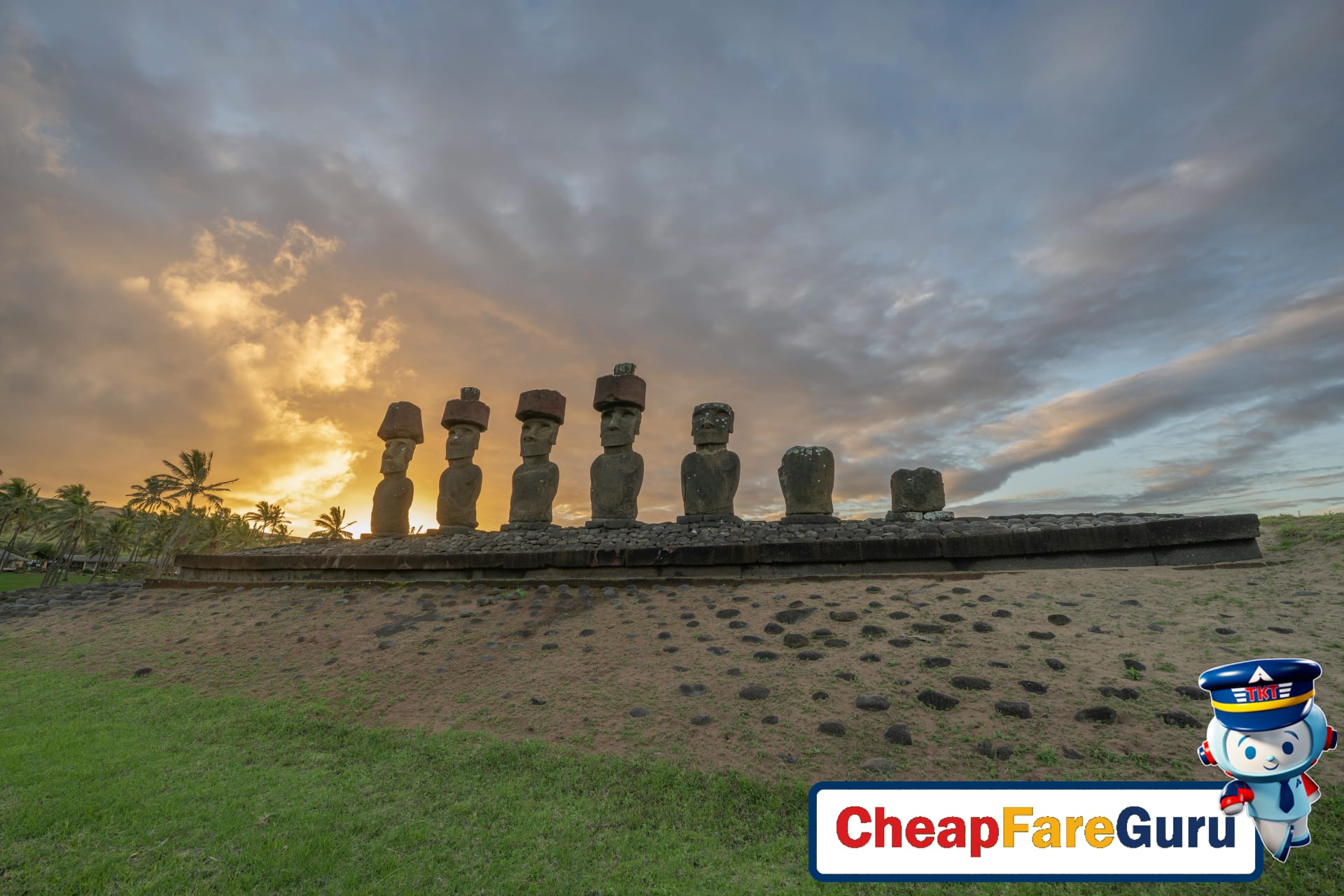
Why Visit Easter Island Now

Located over 2,000 miles off the coast of Chile, Easter Island—known as Rapa Nui to its Polynesian inhabitants—offers a travel experience unlike anywhere else on earth. The island’s iconic Moai statues, carved centuries ago, stand watch along windswept hills and rugged shorelines, drawing travelers who crave adventure, mystery, and a sense of isolation far from the usual tourist trail.
What makes Easter Island so unique isn’t just the Moai themselves, but the spirit of the Rapa Nui culture that endures through language, dance, and local traditions. This is a place where you truly feel the remoteness: as soon as I arrived, I felt the island’s otherworldly isolation and the deep silence that hangs over its ancient sites. For anyone with a bucket-list mindset, standing among the Moai is an experience that’s hard to match.
In recent years, access to Easter Island has evolved. Flights are more limited than before, and local authorities—working with Chile’s tourism officials—have ramped up conservation efforts to protect both the Moai and the island’s fragile ecosystem. Post-pandemic travel trends have also shifted, with a renewed focus on sustainable tourism and responsible visitor limits. Before you go, I recommend reviewing the latest conservation guidelines and entry requirements on Chile’s official tourism website.
Traveling to Easter Island now means embracing ethical travel: respecting local customs, supporting conservation, and making your journey count. If you’re considering this destination, you’ll want to plan ahead—especially since flights can fill up quickly. For help timing your trip, check out our guide on the Best Time to Find Cheap Flights to South America.
Moai Statues: History and Mysteries

The Moai statues of Easter Island—known locally as Rapa Nui—are among the world’s most iconic archaeological wonders. Built by the Rapa Nui people between roughly 1100 and 1600 CE, these monolithic figures were carved from volcanic tuff and stand as silent sentinels across the island. Each Moai represents an ancestral figure, believed to embody the spirit and mana (spiritual power) of a revered leader or ancestor.
For years, myths swirled around how the Moai were moved from the quarries to their final resting places. Some early theories imagined supernatural help or even alien involvement. However, archaeological research—such as studies referenced by the Smithsonian National Museum of Natural History—suggests the Rapa Nui used a combination of ropes, wooden sledges, and ingenious engineering to “walk” the statues upright across the landscape. The statues’ placement on stone platforms called ahu, facing inland, highlights their function as guardians watching over the island’s communities.
Modern excavations have revealed that many Moai actually have full bodies, often buried up to their shoulders by centuries of soil and sediment. These discoveries have dispelled some of the more sensational legends and underscored the sophistication of Rapa Nui’s ancient society. While the island’s ecological history is complex, the craftsmanship and organization required to create and transport the Moai remain a testament to human ingenuity.
For the Rapa Nui, the Moai are deeply spiritual. They serve as a link between the living and the ancestors, a reminder of heritage, and a symbol of resilience. Standing in front of my first Moai statue, I couldn’t help but reflect on the incredible achievements of ancient civilizations and the mysteries that still linger in their shadows.
If you’re fascinated by ancient wonders, you might also enjoy our guide to Top Archaeological Sites in the World for more inspiration on where history comes alive.
For more on the latest archaeological findings about the Moai, check out reputable sources like the Smithsonian National Museum of Natural History.
Top Moai Sites to Explore
Easter Island’s famed Moai statues are scattered across dramatic landscapes, each site revealing a different chapter of Rapa Nui’s story. The most significant Moai platforms, known locally as “ahu,” are not just archaeological wonders—they’re living links to the island’s heritage. If you want to make the most of your visit, it pays to know which sites stand out and how to plan your route for both impact and ease.

Ahu Tongariki Highlights
Ahu Tongariki is the largest and most iconic Moai platform, featuring fifteen restored statues with the Pacific Ocean as a stunning backdrop. The site is open daily, but sunrise is especially magical—the statues are silhouetted against the early light, and you’ll find fewer tour groups. I’ve stood here at dawn and found it unforgettable, with the morning breeze and distant waves amplifying the sense of awe.
Rano Raraku Quarry
This volcanic crater is where nearly all Moai were carved. Dozens of unfinished statues remain partially buried along the slopes, making it feel like a time capsule. Rano Raraku is managed as part of Rapa Nui National Park, so you’ll need a park ticket for entry. For current requirements and any seasonal changes, check the official Rapa Nui National Park website before you go.
Ahu Akivi’s Unique Setting
Ahu Akivi is set inland and features seven Moai facing the ocean, unlike most others. The site is quieter than the coastal platforms, and the statues here are thought to represent explorers who first arrived on Rapa Nui. I usually recommend visiting in the late afternoon when the light is soft and the crowds thin out.
Anakena Beach and Moai
Anakena is the island’s main sandy beach, lined with palm trees and a small ahu featuring restored Moai. It’s a favorite for its relaxed vibe—after exploring, you can swim or picnic nearby. Facilities are basic, but there are a few snack stands. I’d treat Anakena as a mid-morning or early afternoon stop, especially if you want to enjoy both culture and a swim.
Most sites are open year-round, but opening hours can shift due to weather or maintenance. Always respect barriers and avoid touching the statues or climbing on ahu platforms. For a full list of protected sites and up-to-date visitor info, consult the Rapa Nui National Park website.
If you’re interested in more UNESCO sites across the region, you might also enjoy our guide to South American UNESCO World Heritage Sites.
Planning Your Easter Island Trip

Getting to Easter Island is simpler than it sounds, but it does require some planning. Nearly all flights depart from Santiago, Chile, with LATAM Airlines operating the main route to Mataveri International Airport. Flights are limited—usually just a few per week—so I always recommend booking as far ahead as possible, especially if you want to avoid long layovers or high last-minute fares. If you’re hoping for a deal, check flexible dates and set fare alerts. I missed out on a lower fare once by waiting too long, so now I always sign up for alerts before booking.
For U.S. travelers, a tourist visa isn’t required for stays under 90 days, but you’ll need a valid passport and a return ticket. Upon arrival, you must purchase the Rapa Nui National Park entry pass—this is required for visiting the archaeological sites and is available at the airport or online through the official Chilean government portal. Customs is straightforward, but Chile enforces strict biosecurity rules, so avoid bringing fresh fruits, seeds, or animal products.
Best Time and Duration
The island’s subtropical climate means you can visit year-round, but April through June tends to be quieter and less expensive than peak summer. If you want to catch the Tapati Rapa Nui festival, plan for early February, but expect larger crowds. For most travelers, four to five days is ideal—enough to explore the iconic moai, volcanic craters, and beaches without feeling rushed.
Packing Essentials and Arrival Tips
Weather can shift quickly, so pack layers, a light rain jacket, sturdy walking shoes, and plenty of sunscreen. Mosquito repellent is a must, and don’t forget a reusable water bottle—tap water is generally potable, but check with your accommodation. I once regretted not bringing a wide-brim hat; the sun is intense, even on cloudy days. On arrival, have your entry pass and documents ready to speed up the process.
If you’re looking for more ways to save, check out our guide on how to find last-minute flight deals for extra booking strategies.
Getting Around Easter Island Safely

Exploring Easter Island means thinking carefully about how you’ll get around—distances are bigger than most travelers expect, and the sights are spread out. Rental cars are the most flexible option, with compact cars and small SUVs available from agencies in Hanga Roa. Expect to pay about $70.00 per day for a basic car, and it’s smart to check insurance details carefully since many roads are unpaved and potholes are common. Scooters are a fun alternative for solo travelers or couples, with rentals starting around $35.00 per day, but you’ll need a valid motorcycle license and should be comfortable on bumpy roads.
If you’re feeling adventurous, cycling is a rewarding way to see the island’s dramatic coastline and volcanic landscapes. Just keep in mind, the terrain is hilly and winds can be strong—so I’d only recommend biking if you’re reasonably fit. Hiking is another option for reaching sites like Rano Kau and Orongo, but bring plenty of water and sun protection since shade is scarce. In my experience, renting a car was the best way to cover the island at my own pace, especially when I wanted to catch sunrise or sunset at the Moai without relying on a group schedule.
Taxis are available in Hanga Roa and can be useful for short trips or if you’re not comfortable driving. A typical ride within town costs about $5.00. Some hotels arrange shuttles to major sites, and group tours are a good fit if you prefer a guide’s insight and don’t want to worry about navigation. If you’re considering a tour, check reviews and ask about group sizes—smaller groups often give you more time at each stop.
Roads outside Hanga Roa are narrow, often unpaved, and sometimes muddy after rain. Drive slowly, watch for livestock, and always yield to pedestrians and cyclists. Navigation is straightforward—there are few main roads—but it’s easy to miss turn-offs to archaeological sites, so bring an offline map or GPS. Local etiquette is friendly, but don’t expect much signage or lighting after dark. For current safety tips, the Rapa Nui tourism website offers helpful guidelines for visitors.
If you want more practical prep, check out our transportation safety checklist for Easter Island. It covers packing essentials, emergency contacts, and tips for handling minor breakdowns or delays.
Where to Stay and Eat

When it comes to finding a place to stay on Easter Island, you’ll have a mix of cozy guesthouses, boutique hotels, and even a few spots for camping. Most visitors base themselves in Hanga Roa, the island’s only real town, which puts you within walking distance of shops, restaurants, and the coastline. If you’re after a quieter vibe, you’ll find countryside cabanas and a couple of beachside lodges just outside town.
Accommodation Types and Prices
Budget travelers can look for simple guesthouses or hostels, where a private room typically costs around $45.00 per night. Mid-range boutique hotels and cabanas usually run about $120.00 per night, offering more comfort and a local touch. If you’re splurging, expect to pay about $350.00 per night for a luxury hotel with ocean views and extra amenities. I found my best-value stay at a family-run guesthouse just off the main street—clean, friendly, and a short walk to everything.
Dining and Food Tips
Easter Island’s food scene is small but memorable. Hanga Roa has most of the island’s restaurants, ranging from casual seafood grills to upscale spots with sunset views. Local markets and bakeries are perfect for picking up empanadas or fresh fruit for a picnic. Don’t miss trying tuna ceviche or po’e (a sweet banana bread). My favorite meal was a grilled fish plate at a tiny harbor-side café—simple, fresh, and full of flavor.
Reservations, Hours, and Cash
Many restaurants close for a few hours between lunch and dinner, so plan your meals early or be ready for a late dinner. It’s wise to book ahead for popular places, especially during high season. While some spots accept cards, cash is still king in many family-run eateries and markets. ATMs are available in Hanga Roa, but I usually recommend carrying enough Chilean pesos for daily expenses.
For more ideas on affordable dining, check out our guide to the Best Budget Eats in Chile, or browse updated traveler reviews on TripAdvisor and Lonely Planet for the latest lodging and restaurant picks.
Essential Easter Island Travel Budget

| Budget | Mid-range | Luxury | |
|---|---|---|---|
| Accommodation | $40.00 | $120.00 | $350.00 |
| Food | $15.00 | $40.00 | $100.00 |
| Transport | $10.00 | $35.00 | $90.00 |
| Activities | $25.00 | $60.00 | $150.00 |
Staying on Easter Island can be affordable if you stick with hostels or simple guesthouses—expect to pay about $40.00 per night for basic accommodation, while luxury hotels can reach $350.00 or more. For meals, you’ll save a lot by shopping at local markets and cooking your own food, but mid-range restaurants are typically around $40.00 per day. Transport options range from renting a bike for about $10.00 per day to hiring a car or joining guided tours, which can push daily costs up to $90.00 for the luxury tier.
Activities are where you might want to splurge. The Rapa Nui National Park pass is required for most archeological sites, and guided tours can add value with local insight. I found that spending a bit more on a knowledgeable guide made the history and culture of the island come alive, so I’d recommend saving on food and transport if it means you can invest in a quality tour.
If you’re looking for more ways to stretch your travel budget in Chile, check out our guide to affordable South America itineraries on cheapfareguru.com.
Responsible Tourism and Local Culture

Visiting Easter Island is a privilege, and travelers have a real responsibility to help protect its unique heritage and culture. I learned firsthand that even small actions—like sticking to marked trails—make a difference. During my visit, a local guide quietly reminded our group not to step over the rope barriers near the Moai platforms. That moment really stuck with me and shaped how I approach heritage sites everywhere.
When exploring the island, always respect signage and physical boundaries. The Moai are not only ancient sculptures but sacred to the Rapa Nui people. Never climb on the ahu (platforms), touch the statues, or cross roped-off areas. For photography, make sure you’re standing on designated paths and avoid intrusive selfies or drone use near the Moai. If you want to photograph locals, always ask for permission first—many Rapa Nui value their privacy and cultural traditions.
Supporting the local economy is another key part of responsible tourism. I recommend shopping at artisan markets for handmade crafts, eating at family-run restaurants, and hiring local guides. This helps preserve Rapa Nui culture and ensures your travel dollars directly benefit the community. If you’re interested in learning more about responsible travel in remote places, I’d suggest reading this guide on How to Travel Responsibly in Remote Destinations.
Participating in local events or festivals? Dress modestly, arrive on time, and observe before joining in. Take time to learn a few basic Rapa Nui greetings and always approach interactions with curiosity and respect. For more on heritage site etiquette, the UNESCO World Heritage guidance offers practical tips for preserving sites like Rapa Nui National Park.
Easter Island Moai Travel FAQ
- Do I need a visa to visit Easter Island?
Most travelers visiting Easter Island enter through Chile, so you’ll need to meet Chile’s entry requirements. U.S. citizens typically don’t need a visa for short stays, but you’ll need a valid passport and a return or onward ticket. I always double-check official embassy sources before booking flights.
- What’s the best way to see the Moai statues?
The Moai statues are spread across Easter Island, with many clustered at sites like Rano Raraku and Ahu Tongariki. Renting a car or joining a guided tour is the easiest way to visit multiple sites in a day. I found a guided tour helped me understand the history behind each location.
- Are there entry fees or permits for Moai sites?
Yes, you’ll need to purchase a Rapa Nui National Park ticket to access most Moai sites. This ticket is valid for several days and can be bought at the airport or in Hanga Roa. Keep your ticket handy, as rangers may check it at different archaeological sites.
- Is Easter Island safe for solo travelers?
Easter Island is generally considered safe for solo travelers. The local community is friendly, and crime rates are low, but it’s wise to take standard precautions like keeping valuables secure. I felt comfortable walking around Hanga Roa alone, even in the evening, but always stayed aware of my surroundings.
- What should I know about local customs or etiquette?
Respect for the Moai statues and archaeological sites is essential—never climb or touch the statues. Greet locals politely, and remember that Rapa Nui culture values hospitality. Dress modestly when visiting villages or community events, and always ask before taking photos of people or private property.
- How can I find cheap flights to Easter Island?
Flights to Easter Island depart from Santiago, Chile. To save money, I recommend searching for deals on cheapfareguru.com and booking several months in advance if possible. Flexible travel dates and midweek departures can help you find lower fares.
- When is the best time to visit the Moai statues?
The Moai statues can be visited year-round, but April to June and October to December offer mild weather and fewer tourists. Early morning or late afternoon visits provide softer light for photography and a quieter experience at popular sites like Ahu Tongariki and Rano Raraku.
Making the Most of Your Visit
Easter Island’s enigmatic Moai and windswept landscapes create a sense of wonder that’s hard to match anywhere else. The island’s remote location and rich Polynesian heritage invite travelers to look beyond the surface and approach each site with curiosity and respect. I left Easter Island with a deeper appreciation for its culture and the mysteries that still linger there.
If you feel inspired to experience this unique destination for yourself, take your time researching and planning. When you’re ready to explore flight options, resources like cheapfareguru.com can help you get started—without rushing the adventure.