
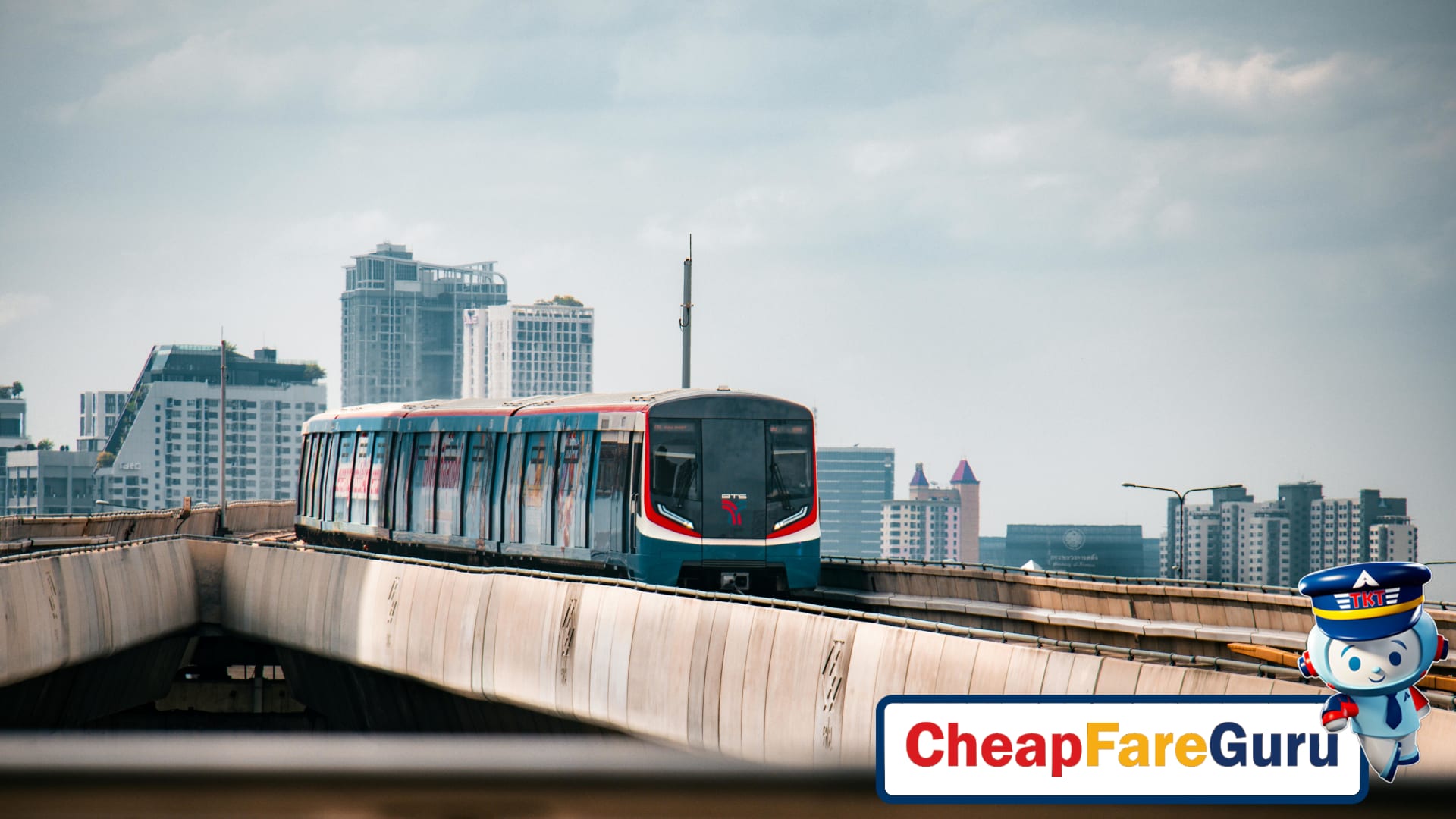
How To Use The BTS Skytrain

The BTS Skytrain is one of the easiest and most efficient ways to get around Bangkok, especially if you want to avoid the city’s notorious traffic. There are two main lines: the Sukhumvit Line, which runs north-south and connects popular neighborhoods like Siam, Asok, and Mo Chit; and the Silom Line, which travels east-west and is handy for reaching Silom, Sathorn, and the riverside. Major tourist stops include Siam Paragon, Chatuchak Weekend Market (Mo Chit station), and the riverside at Saphan Taksin.
Buying Tickets and Rabbit Cards
To ride, you can purchase single journey tokens from the ticket machines found at every station. These machines accept coins and small bills, and you’ll need to select your destination on the map above the machine. A typical single journey fare is about $1.00. For frequent rides, I recommend getting a Rabbit Card—a reloadable smart card that saves time and lets you tap in and out quickly. You can buy and top up a Rabbit Card at any ticket office in BTS stations, usually with a starting top-up of about $5.00.
Peak Hours and Travel Etiquette
BTS trains get packed during rush hours (roughly 7–9 a.m. and 5–7 p.m.), so plan sightseeing accordingly. When using escalators, stand on the right and let others pass on the left. Queue up behind the platform markers, and never eat or drink in stations or on trains. I remember my first few rides—figuring out the ticket machines and learning to stand in line was a quick lesson in local routine.
When BTS Is Most Useful
The Skytrain is ideal for reaching shopping areas, markets, and hotels along Sukhumvit and Silom. For places beyond BTS coverage, like the Old City or Chinatown, you’ll need to switch to a taxi, tuk-tuk, or boat. If you’re exploring different neighborhoods, check out our guide to Bangkok neighborhoods for first-time visitors for more ideas.
For the latest BTS map and timetable updates, I’d always check the official BTS Bangkok website before heading out.
Navigating Bangkok’s MRT Subway Lines

The Bangkok MRT (Metropolitan Rapid Transit) is a fast, air-conditioned subway network that’s a real asset for travelers aiming to skip street traffic. The MRT is made up of two main lines: the Blue Line, which loops through central Bangkok and connects key spots like Hua Lamphong (for Chinatown), Chatuchak Park (for Chatuchak Market), and Sukhumvit (for nightlife and shopping); and the Purple Line, which mostly serves northern suburbs but is less relevant for most visitors. I found that the Blue Line is the one you’ll use for nearly all major tourist destinations.
Buying MRT Tickets Easily
Ticket machines are straightforward—just tap the screen, select your station, and pay. Most machines accept coins and small bills, but many now support contactless payment with local cards or mobile wallets. I usually recommend having some Thai baht in coins ready, as not every machine will take cards. Fares start at about $0.80 per ride and increase by distance. If you’re planning multiple trips, consider a stored-value card (like the MRT card), which saves time at busy stations. For current fare details and any route changes, it’s best to check the official MRT website before you go.
Transferring Between MRT and BTS
Transferring between the MRT and the elevated BTS Skytrain is smooth at key interchange stations. The two main spots are Sukhumvit (MRT) connecting to Asok (BTS), and Chatuchak Park (MRT) connecting to Mo Chit (BTS). I’ve done this transfer at Sukhumvit/Asok several times—what stood out was how clearly marked the signs were and the short walking distance between platforms. Just remember, you’ll need to buy a new ticket or tap a different card when switching systems, as the BTS and MRT use separate payment networks.
Rules and Best Routes for MRT
There are a few rules to keep in mind: no eating or drinking is allowed on the MRT, and priority seats are reserved for monks, elderly passengers, pregnant women, and those with disabilities. The MRT is especially handy for reaching places like Chatuchak Market (get off at Chatuchak Park) and Chinatown (exit at Wat Mangkon). Compared to the BTS, the MRT is usually less crowded at peak times and covers more of the Old Town and Chinatown areas, while the BTS is best for shopping districts and riverside hotels. I’d compare both options before choosing, depending on where you’re headed.
If you want more advice on using Bangkok’s public transit to visit temples, check out our related guide on visiting Bangkok’s top temples by public transit.
How To Ride Chao Phraya River Boats

Bangkok’s Chao Phraya river boats are an affordable, scenic way to reach top attractions while getting a real feel for the city. The boats run along the river’s main artery, with several color-coded lines—most tourists rely on the Orange Flag line, which stops at major piers all day. There’s also the Blue Flag (tourist boat), which is a bit pricier but offers English commentary and stops at key tourist sites.
You’ll find the most useful piers at Sathorn (Central Pier)—right next to Saphan Taksin BTS station—and Tha Chang for the Grand Palace. To catch a boat, just look for the colored flags flying from the piers and match them to the line you want. Fare collection is straightforward: pay in cash, either at a ticket booth on the dock or directly to a uniformed attendant on board. It’s usually about $0.50 for the Orange Flag, so keep some small bills handy.
Major sightseeing stops like the Grand Palace, Wat Arun, and Chinatown are easily reached by river. In my experience, the moment you glide past Wat Arun’s spires or see the Grand Palace’s golden rooftops shining riverside, you realize just how much of Bangkok’s character is best seen from the water. If you want more details on these must-see sights, check out our guide to Bangkok’s must-see temples and palaces.
Boarding And Riding Etiquette
When boarding, let passengers off before stepping on. Grab a seat quickly if you can—locals move fast, and standing is common during busy hours. Hold onto railings, especially as boats can rock with the wake. Keep bags close and avoid blocking aisles. Don’t lean out for photos; the river can be choppy and safety comes first. The ride is lively but not intimidating if you stay alert.
For up-to-date timetables and line details, visit the Chao Phraya Express Boat official site.
Bangkok Tuk-Tuks And Local Buses Guide

Bangkok’s tuk-tuks and local buses are classic ways to get around the city, especially when you want to experience everyday life or need a ride after the BTS and MRT stop running. Tuk-tuks are three-wheeled motorized taxis that offer short, open-air rides—great for quick hops, but not always the cheapest option. Unlike taxis, tuk-tuks don’t use meters, so you’ll need to negotiate your fare before you hop in. I learned the hard way on my first ride: always confirm the price up front, or you might end up paying far more than expected.
As a rule of thumb, a short tuk-tuk ride within central Bangkok should cost about $3.00, but drivers often quote higher prices to tourists. If the fare sounds steep, politely decline and try another tuk-tuk. Watch out for drivers who suggest “special” city tours or stops at gem shops—these detours are a common scam and can waste your time. If you want to avoid any awkwardness, stick to clear, direct destinations and don’t be afraid to walk away if the price isn’t right.
Bangkok’s local buses are a budget traveler’s friend, with fares starting around $0.30 for non-air-conditioned rides and about $0.50 for air-conditioned buses. Buses display their route numbers in large digits on the front and side, but the network can be confusing for first-timers. I recommend using a digital route planner like Moovit’s Bangkok bus guide to map your trip. Pay your fare in cash to the conductor after boarding—having small bills or coins helps. Air-con buses are more comfortable in the heat, but both types can get stuck in traffic, especially during rush hour.
Choose tuk-tuks for short, late-night rides or when you want a bit of local flavor. Buses are better for longer daytime journeys on a budget, but be prepared for slow progress if traffic is heavy. One common mistake is assuming tuk-tuks are always faster—they’re not if the roads are gridlocked. For a safer experience, check out our Essential Bangkok safety tips for first-timers before your trip.
Ride-Hailing Apps And Airport Transfers

Bangkok’s airport transfer scene is a mix of old-school taxis, efficient rail links, and increasingly popular ride-hailing apps. Grab and Bolt are the two main ride-hailing options here. Grab is the most established, with a slick app and a wide driver network, but fares can be higher during peak times. Bolt is often cheaper, but I’ve found it’s less reliable late at night or in some suburban areas. Both apps let you pay by card, which is handy if you’re not carrying much Thai cash.
Ride-hailing apps work best if you’re arriving late, traveling with luggage, or staying somewhere outside the direct rail link. For example, if you land at Suvarnabhumi after midnight, finding a Bolt or Grab can be much less stressful than negotiating with taxi drivers. Expect an app ride from the airport to central Bangkok hotels to cost about $10.00, though this varies with traffic and demand. In my experience, I compared the Airport Rail Link with Grab late one evening and chose Grab for door-to-door convenience after a long flight, even though the train would have been a few dollars cheaper.
Airport Rail Link Basics
The Airport Rail Link is a fast, direct train connecting Suvarnabhumi Airport to downtown stations like Phaya Thai. You can buy tickets at machines or counters in the basement level of the airport—no need to prebook. A one-way ticket to the city center is about $1.50. This is a great option if your hotel is near a station and you’re traveling light.
Taxi Queues And Avoiding Scams
If you prefer a taxi, follow the official taxi queue signs at Suvarnabhumi or Don Mueang. Queue machines issue a slip with your lane number. Insist on the meter being used, and be wary of drivers who suggest a flat fare instead. Some may try to add unofficial surcharges, so double-check before getting in.
For more tips on navigating airport downtime, check out our advice on how to survive a Bangkok airport layover.
How To Choose Bangkok Transport Modes

Bangkok’s transport puzzle can feel overwhelming, but a bit of planning makes getting around much easier. Each mode—BTS Skytrain, MRT subway, river boats, tuk-tuks, public buses, and ride-hailing—has strengths and drawbacks depending on your priorities. Let’s break down how to choose what’s best for your trip, whether you’re solo, with family, or traveling in a group.
BTS, MRT, Or River Boats?
If you value speed and air-conditioning, the BTS Skytrain and MRT subway are the backbone for most visitors. They’re reliable, avoid traffic, and cost about $1.50 per ride. For major sights along the Chao Phraya River, river boats are scenic, cost about $1.00, and connect you to temples and markets. I usually start my sightseeing days by taking the BTS to a river pier, then hopping on a boat—this combo saves time and energy.
Tuk-Tuks, Buses, Or Ride-Hailing?
Tuk-tuks are fun for short hops or late-night rides, but fares can be unpredictable and there’s little comfort for families. Buses are the cheapest (about $0.50), but routes are tricky for newcomers and traffic is unpredictable. Ride-hailing apps like Grab are a good fit for groups or when you want direct door-to-door service, typically costing around $5.00 across the city.
Which Transport For Your Situation?
- Airport to city: Airport Rail Link (fast, about $2.00), or Grab for door-to-door convenience if you have lots of luggage.
- Sightseeing: BTS/MRT plus river boats for quick access to temples, markets, and malls.
- Nightlife: Tuk-tuks or Grab—public transit closes early.
- Exploring neighborhoods: BTS/MRT for Sukhumvit/Silom, buses or Grab for places off the rail grid.
Best Options By Traveler Type
- Solo traveler: BTS/MRT for speed and safety.
- Family: BTS/MRT for predictability; Grab for less walking and easier logistics.
- Group: Grab or river boat for cost-sharing and easy coordination.
On my last trip, I weighed cost and comfort since I was traveling with friends. We took the BTS from our hotel to Saphan Taksin, then switched to a river boat for Wat Arun and the Grand Palace. It was faster than a taxi and kept us cool in the Bangkok heat. If you want more ideas for planning, check out our Bangkok itinerary: Top 3-Day City Highlights resource.
Bangkok Transport Budget Table Guide

Getting a realistic sense of daily costs in Bangkok can make or break your travel budget. I’ve learned the hard way that comparing prices across both accommodation and transport options pays off, especially when you want to avoid overspending on short stays or splurges. Below, you’ll find a quick-reference table with representative daily values for three spending styles—budget, mid-range, and luxury—across the four main categories you’ll need to plan for. These values reflect recent fare checks and current averages as of early 2026, but always double-check for the latest rates before booking.
| Budget | Mid-range | Luxury | |
|---|---|---|---|
| Accommodation | $18.00 | $55.00 | $160.00 |
| Food | $8.00 | $20.00 | $45.00 |
| Transport | $3.00 | $10.00 | $28.00 |
| Activities | $7.00 | $22.00 | $65.00 |
For those planning to travel beyond Thailand, I’d also recommend checking out our cheapfareguru.com tips on budget airlines from Bangkok—these can make a big difference for wider Southeast Asia trips without blowing your daily spend.
Bangkok Transport FAQ: Your Questions Answered
- What’s the best BTS Skytrain app for tourists in Bangkok?
For navigating the BTS Skytrain, the official “BTS SkyTrain” app is reliable and updated, offering route planning, fare details, and live train times. I usually recommend downloading it before your trip so you can check maps offline and avoid confusion at busy stations.
- Do Chao Phraya River boats operate at night?
Most Chao Phraya Express boats finish service by early evening, but some tourist boats and dinner cruises continue later. If you’re planning to return by river after dark, check schedules in advance or use a taxi or Grab if boats are unavailable.
- Are there luggage restrictions on Bangkok public transit?
Bangkok’s BTS and MRT allow luggage, but large suitcases can be awkward during rush hours. Bags should fit through ticket gates, and oversized items may be refused during busy times. In my experience, a medium suitcase is manageable, but I’d avoid traveling with bulky bags during peak periods.
- Is Bangkok public transport family-friendly?
Most BTS, MRT, and river boats are family-friendly, with clear signage and air conditioning. Elevators and priority seating are available, though strollers may need to be folded on buses or boats. Planning routes ahead helps families avoid unnecessary transfers or long walks between lines.
- Do I need a visa to use Bangkok public transport?
There’s no separate visa requirement for using Bangkok’s public transport. You’ll just need a valid tourist visa for Thailand itself, as required for your nationality. Transit staff will not check visas, and you can buy tickets at stations with cash or contactless payment cards.
- How can I avoid getting lost on Bangkok transit?
Stick to official apps or Google Maps for real-time directions, and always double-check station names since some sound similar. Signs are in Thai and English, but I found it helpful to screenshot my route before heading out, especially if my phone signal was spotty underground.
Final Thoughts On Getting Around Bangkok
Bangkok’s public transit is impressively varied, from the speedy BTS Skytrain to the lively river ferries and ever-present tuk-tuks. Planning ahead, especially by mapping out your routes and grabbing a transit card early, can save you time and confusion—Bangkok’s scale can be overwhelming if you’re caught off guard. Personally, I always recommend using the Chao Phraya Express Boat to skip traffic and see a different side of the city.
Embracing the city’s organized transit makes it much easier to explore neighborhoods, markets, and temples you might otherwise miss. If you’re inspired to see more of Thailand, now’s a great time to browse cheapfareguru.com or check out our guide to seasonal flight deals to Thailand for your next adventure.