
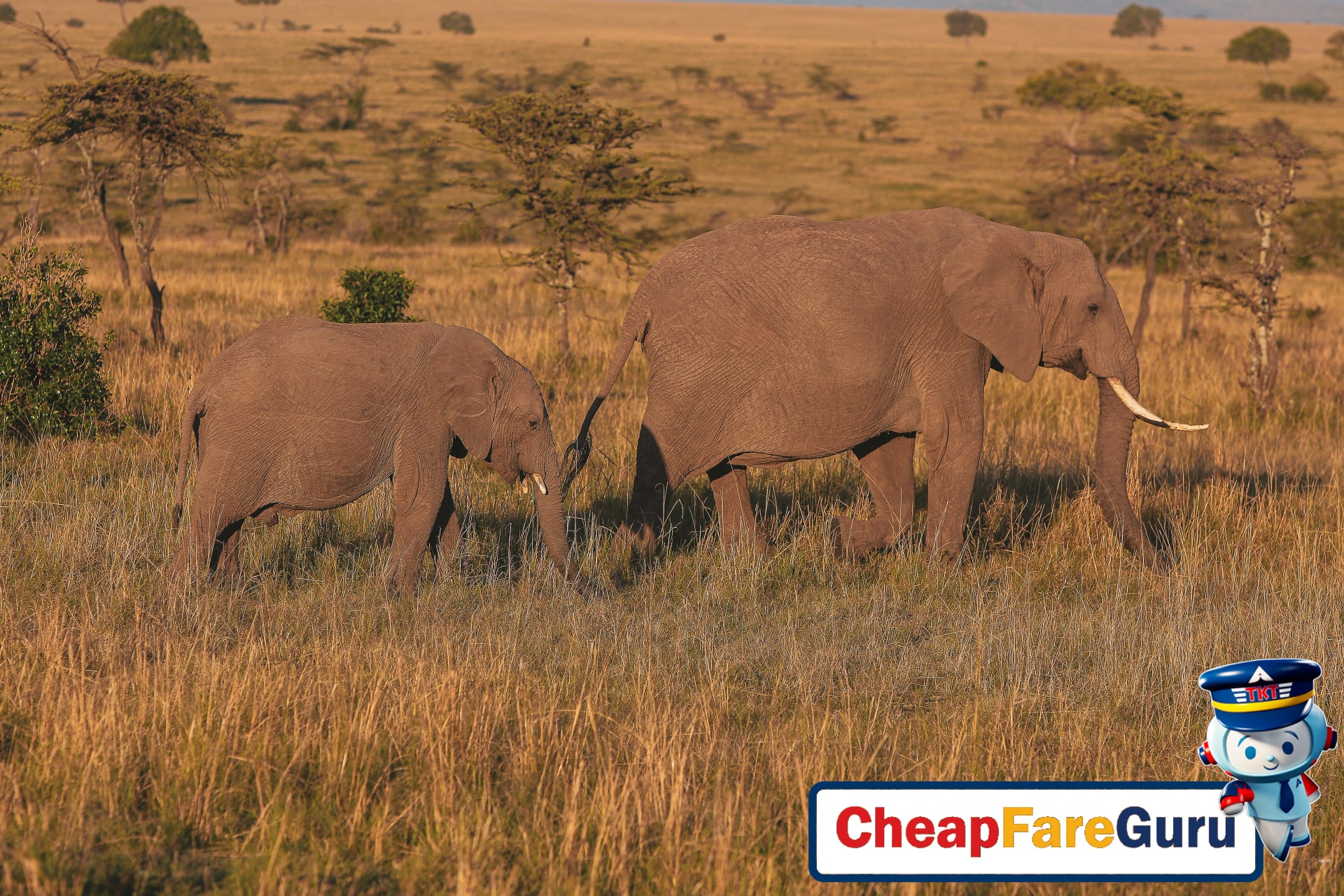
Why Dry Season Safaris Stand Out
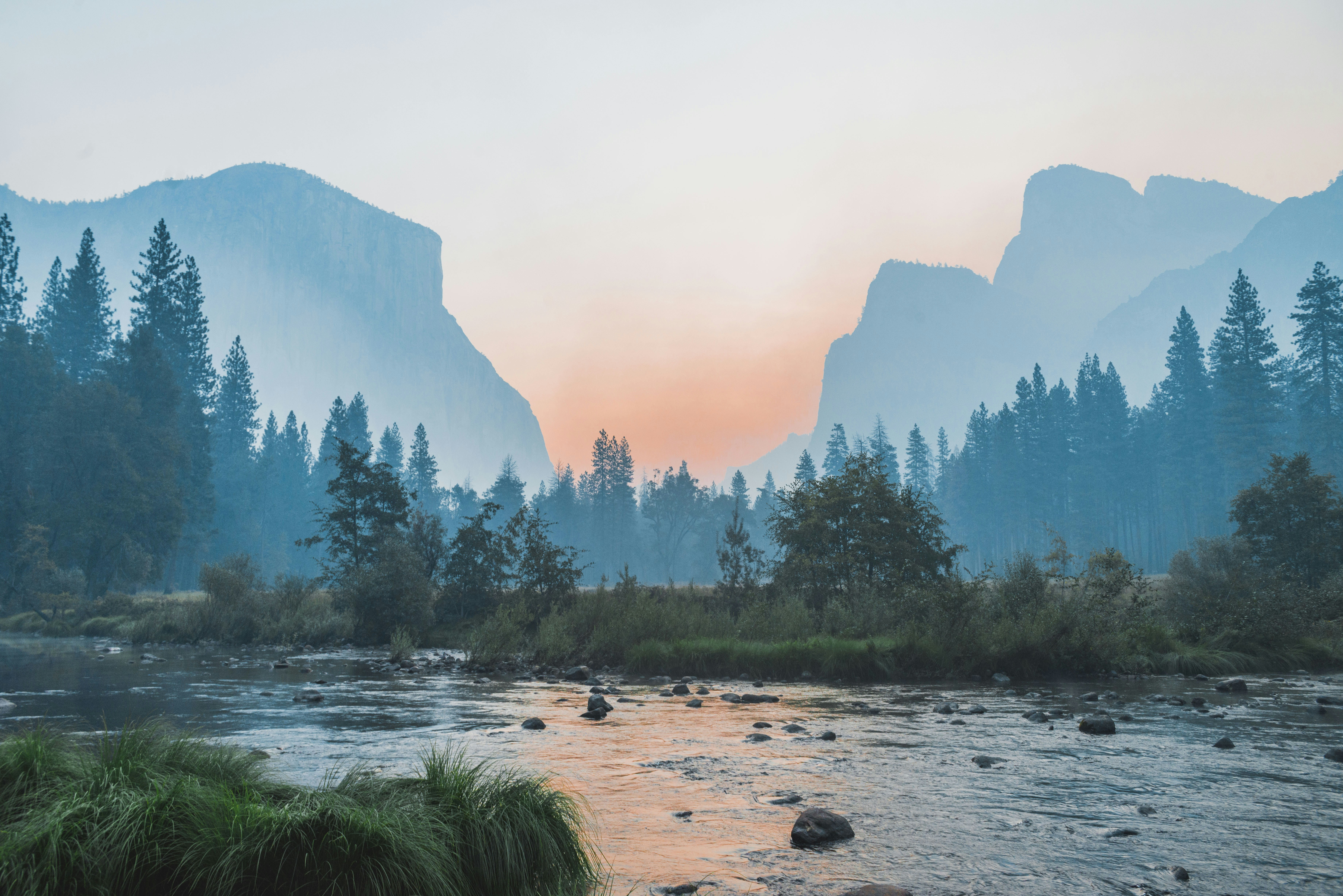
If you want the best wildlife encounters in Africa, the dry season is widely considered the prime time for a safari. Typically spanning from June to October in many regions, the dry season brings clear skies, cooler mornings, and—most importantly—makes wildlife viewing much easier. Water sources shrink, so animals like elephants, lions, and buffalo gather at rivers and watering holes. On my first dry season safari, I was amazed by how easy it was to spot elephants gathering at watering holes, often just a few yards from the vehicle.
The scarcity of water doesn’t just concentrate wildlife—it also thins out the tall grasses and dense foliage, giving you unobstructed views. This is a huge advantage when you’re hoping to see the Big Five. Predators and prey are both on the move, and guides can track fresh footprints in the dust. According to the African Wildlife Foundation, many animals migrate or shift their territories during this time, making their movements more predictable for guides and travelers alike.
Weather during the dry season is generally comfortable, with less humidity and fewer mosquitoes. That said, regional differences do exist, so I usually recommend checking local rainfall averages before booking. For a deeper dive into how the dry and wet seasons compare, you might want to read this guide on the key differences between Africa’s wet and dry seasons for travelers.
Top Countries for Dry Season Safaris
If you’re planning a safari during Africa’s dry season, a handful of countries consistently stand out for wildlife viewing and overall experience. I found Tanzania’s Serengeti particularly rewarding in July—herds of wildebeest and zebra stretched as far as I could see, with predators never far behind. Here’s a quick rundown of top safari destinations and what makes each unique:
- Kenya – The Masai Mara is famous for the Great Migration from July to October. Expect dramatic river crossings and big cat sightings. Kenya requires an e-visa for many visitors, so check Magical Kenya for details.
- Tanzania – The Serengeti and Ngorongoro Conservation Area offer classic savannah landscapes and dense wildlife. Dry season (June–October) means easier animal spotting. Visa-on-arrival is available for many, but confirm your eligibility at the Tanzania National Parks site.
- South Africa – Kruger National Park is accessible and diverse, with paved roads and a range of accommodation. South Africa’s entry policy is straightforward for many Western passport holders, but vaccination rules can change.
- Botswana – The Okavango Delta transforms in the dry season as animals flock to the water. Botswana is known for low-impact, high-quality safaris. Entry requirements are generally simple, but always double-check with the Botswana Tourism Board.
- Namibia – Etosha National Park’s salt pans make wildlife viewing easy as animals gather at waterholes. Namibia’s visa policy is relaxed for many travelers, but consult the Namibia Tourism Board for updates.
Each country’s safari experience is shaped by its landscapes—Kenya and Tanzania for vast plains, Botswana for watery channels, Namibia for stark deserts, and South Africa for its infrastructure and variety. Entry requirements, visa policies, and health regulations (like yellow fever vaccination) can vary and sometimes change quickly, so I’d compare both the wildlife highlights and practical travel rules before booking. For more on planning and saving across the continent, check out our guide to budget travel in Africa.
Top National Parks and Game Reserves

If you’re dreaming of seeing Africa’s legendary wildlife, certain parks and reserves stand out for Big Five sightings. The Serengeti in Tanzania is famous for its vast plains and the annual wildebeest migration, drawing predators and travelers alike. Peak wildlife viewing here is typically from June through October, when the dry season brings animals to the rivers and open grasslands.
Just across the border, Kenya’s Maasai Mara offers a similar spectacle and is especially renowned for lion prides and cheetah encounters. I saw my first wild rhino in Kruger and it was unforgettable—South Africa’s Kruger National Park is massive and accessible, with excellent self-drive opportunities and a high chance of spotting elephants, leopards, and rhinos. The dry winter months (June to September) are best for concentrated wildlife viewing in Kruger, as water sources shrink and animals gather near them.
Chobe National Park in Botswana is a top pick for elephant herds, especially along the Chobe River during the dry season from May to October. Namibia’s Etosha National Park stands out for its salt pan landscapes and waterhole game viewing, which peaks from June through September. These major parks are publicly accessible, but you’ll also find private reserves—like Sabi Sand adjacent to Kruger—offering guided drives and fewer crowds, though they often require higher fees and advance booking.
Before you go, check each park’s official website for up-to-date permit requirements and visitor guidelines. For more on what to pack, safety basics, and how to time your safari, I’d recommend reading our guide on preparing for African safaris.
Best Months For Big Five Sightings
Timing your safari for the Big Five—lion, leopard, elephant, buffalo, and rhino—can make or break your wildlife experience. I planned my trip in August and was rewarded with close-up lion sightings daily, thanks to understanding the region’s dry season. The best months for Big Five viewing vary between Northern and Southern Africa, so let’s break it down for easier planning.
Northern Africa’s Dry Season
In East African hotspots like Kenya’s Maasai Mara and Tanzania’s Serengeti, the dry season runs from June through October. Wildlife is easier to spot as animals gather at water sources and the bush thins out. July and August are especially popular, coinciding with the Great Migration’s river crossings—a spectacle that also draws predators. For those who want to maximize their chances, I’d recommend aiming for late July or early August, when herds and hunters converge.
Southern Africa’s Peak Safari Months
Southern Africa, including South Africa’s Kruger National Park and Botswana’s Okavango Delta, has its dry season from May through September. June, July, and August are prime months for Big Five sightings, as animals are drawn to remaining waterholes. September can also be excellent, with fewer crowds and concentrated wildlife. Calving season for many antelope species falls in November and December, attracting predators and offering dramatic scenes, though the bush is thicker then.
Sample Itinerary Ideas
- Classic Big Five Focus: Visit Kruger in July for cool mornings, clear game drives, and high animal activity.
- Migration Marvel: Plan a Serengeti or Maasai Mara safari in August for river crossings and predator action.
- Family Adventure: Travel in September for pleasant weather and good visibility, but slightly fewer tourists.
If you want to stretch your safari budget, I usually recommend using a cheapfareguru.com flexible date search and reading our flexible date airfare search guide to find deals that align with these wildlife windows.
For up-to-date wildlife calendars and migration schedules, check reputable sources like the Kenya Wildlife Service or leading safari operators’ seasonal guides, as these offer reliable month-by-month breakdowns.
How to Book Your Dry Season Safari
Booking a dry season safari is a bit of a balancing act between timing, tour choices, and getting the best value for your flights. Here’s how I approach it: start by researching reputable safari operators. Look for companies with strong reviews on trusted platforms like SafariBookings or TripAdvisor. Decide if you want a group tour (which can be more affordable and social) or an independent, custom safari, which offers more flexibility but usually costs more.
Compare Tour Types and Operators
Group safaris are typically easier on the wallet and offer fixed itineraries, while independent tours let you customize your route, lodges, and pace. I’d compare both options before choosing—sometimes the savings on group tours are worth the trade-off, especially if you’re traveling solo or with a small group.
Book Flights Early for Savings
Flights are where you can save (or lose) the most. Use fare comparison tools and set alerts for your target dates. I saved over $200 on airfare by booking early with cheapfareguru.com. Flexible dates can make a huge difference, so check a few days before and after your ideal departure. Booking at least three months before the peak safari season usually gives you the best shot at lower fares.
Payment, Cancellation, and Insurance
Before you pay, review all fine print—especially for cancellation and refund policies. Safari deposits are often nonrefundable, and airline tickets can have strict change fees. Travel insurance is worth considering for peace of mind. If you want a full breakdown of what to watch for, see our guide to the fine print on safari and airfare bookings.
Packing and Preparation Checklist

Heading out on a dry season safari in Africa calls for careful packing—especially if you want to stay comfortable, protected, and organized. On my last safari, I underestimated how much dust I’d encounter—my scarf was a lifesaver. Here’s a practical checklist to help you prepare for the conditions you’ll face:
Clothing and Footwear Essentials
- Neutral-colored, lightweight shirts (long-sleeved for sun and bug protection)
- Convertible pants or shorts in beige, khaki, or olive
- Sturdy closed-toe walking shoes or boots
- Wide-brimmed hat for sun protection
- Lightweight scarf or buff (crucial for dust and sun)
- Light fleece or jacket for cool mornings and evenings
Gear and Electronics Protection
- Camera with dust-proof bag or dry sack
- Extra memory cards and batteries
- Zip-lock bags or pouches for electronics and chargers
- Travel adapter (check plug types for your destination)
- Small flashlight or headlamp
Documents and Health Items
- Passport and printed travel documents (keep a digital backup)
- Travel insurance details
- Vaccination records—review the latest recommendations from the CDC
- Prescription medications and copies of prescriptions
- Basic first-aid kit (bandages, antiseptic, pain relievers)
- Sunscreen and insect repellent
- Reusable water bottle
If you want to dig deeper into what gear makes safari travel easier, I’d suggest checking out this guide to must-have travel gear for African safaris for more detailed recommendations.
Staying Safe and Responsible

Traveling through Africa’s wild spaces is thrilling, but it comes with serious responsibilities. Health-wise, I always recommend checking for required vaccinations before your trip and packing basic medical supplies, including insect repellent and sunscreen. When it comes to wildlife, I quickly learned that listening to guides kept both me and the wildlife safe throughout my journey. Never approach animals on foot unless your guide says it’s allowed—distance is crucial for everyone’s well-being.
Transport safety is another key point. Whether you’re in a safari jeep or a boat, always wear your seatbelt or life jacket when provided. Guides are trained for emergencies, so follow their cues, especially during animal sightings or unexpected stops. I’d compare both group and private tours to see which feels safer for your comfort level.
Responsible travel goes beyond personal safety. Sustainable tourism means respecting local communities, minimizing waste, and choosing lodges or operators that prioritize conservation. Stick to marked paths to avoid damaging fragile ecosystems, and never feed or touch wild animals. For more on ethical encounters, check out our feature on responsible wildlife tourism. I also recommend reviewing guidelines from organizations like WWF for up-to-date best practices.
Africa Safari Dry Season Budget Table
Budgeting in advance for every category helped me avoid surprise expenses on safari. During the dry season, prices can spike, so knowing what to expect in each tier is essential. Below is a sample budget table based on published rates from reputable safari operators and aggregators, giving you a realistic starting point for your planning.
If you want a deeper dive into how these costs break down—like which activities are worth the splurge or how to trim transport costs—I recommend checking out a budget-focused travel planning resource such as the cheapfareguru.com blog for more detailed advice.
| Accommodation | Food | Transport | Activities | |
|---|---|---|---|---|
| Budget | $50.00 | $20.00 | $35.00 | $25.00 |
| Mid-range | $120.00 | $35.00 | $70.00 | $60.00 |
| Luxury | $350.00 | $70.00 | $200.00 | $150.00 |
These values represent typical per-person, per-day costs for a dry season safari in Africa. Remember, actual prices may vary by destination and operator, so always confirm specifics before booking.
Dry Season Safari FAQ Guide
- What are the best months for dry season safaris?
The best months for dry season safaris in much of East and Southern Africa are typically June through October. During these months, wildlife tends to gather around water sources, making animals easier to spot. I usually recommend checking the specific region’s climate before booking, as patterns can shift slightly by country.
- How do I choose the right safari park?
Start by listing what wildlife you hope to see and your travel dates. Some parks, like Tanzania’s Serengeti or South Africa’s Kruger, are famous for Big Five sightings during the dry season. I’d also compare park entry fees, accessibility, and available accommodations before making a decision. A planning guide for African safaris can help.
- When should I book flights for a dry season safari?
It’s best to book flights several months in advance for dry season safaris, as demand is high and prices can climb quickly. In my experience, using flexible date search tools on sites like cheapfareguru.com can help you spot better deals if your schedule allows some wiggle room.
- Are there special health or visa requirements?
Many safari destinations require a valid passport, a visa, and sometimes proof of yellow fever vaccination. Some countries may also recommend malaria prophylaxis. Requirements can change, so I always check official government or park websites for the latest entry and health information before traveling.
- Why is the dry season better for safaris?
During the dry season, grass is lower and water sources shrink, so animals gather in more predictable spots. This increases your chances of seeing wildlife, including predators. Roads are also less muddy, making travel between camps smoother. Photographers often prefer the clear skies and golden light this time of year brings.
- What are my chances of seeing the Big Five?
While no sighting is guaranteed, your odds of seeing the Big Five—lion, leopard, elephant, buffalo, and rhino—are higher in the dry season. Parks like Maasai Mara or Kruger are known for frequent sightings. Guides often communicate by radio to help guests spot elusive animals during game drives.
Planning Your Dream Dry Season Safari
Traveling during the dry season gives you a real advantage when it comes to spotting wildlife—especially Africa’s legendary Big Five. Water sources shrink, animals gather in open areas, and you’ll have a better shot at those once-in-a-lifetime sightings. If you’re ready to start planning, use reliable fare search tools and compare routes early. Personally, planning my safari in the dry season led to some of my best wildlife memories.