
Planning Your Austin Trip Basics

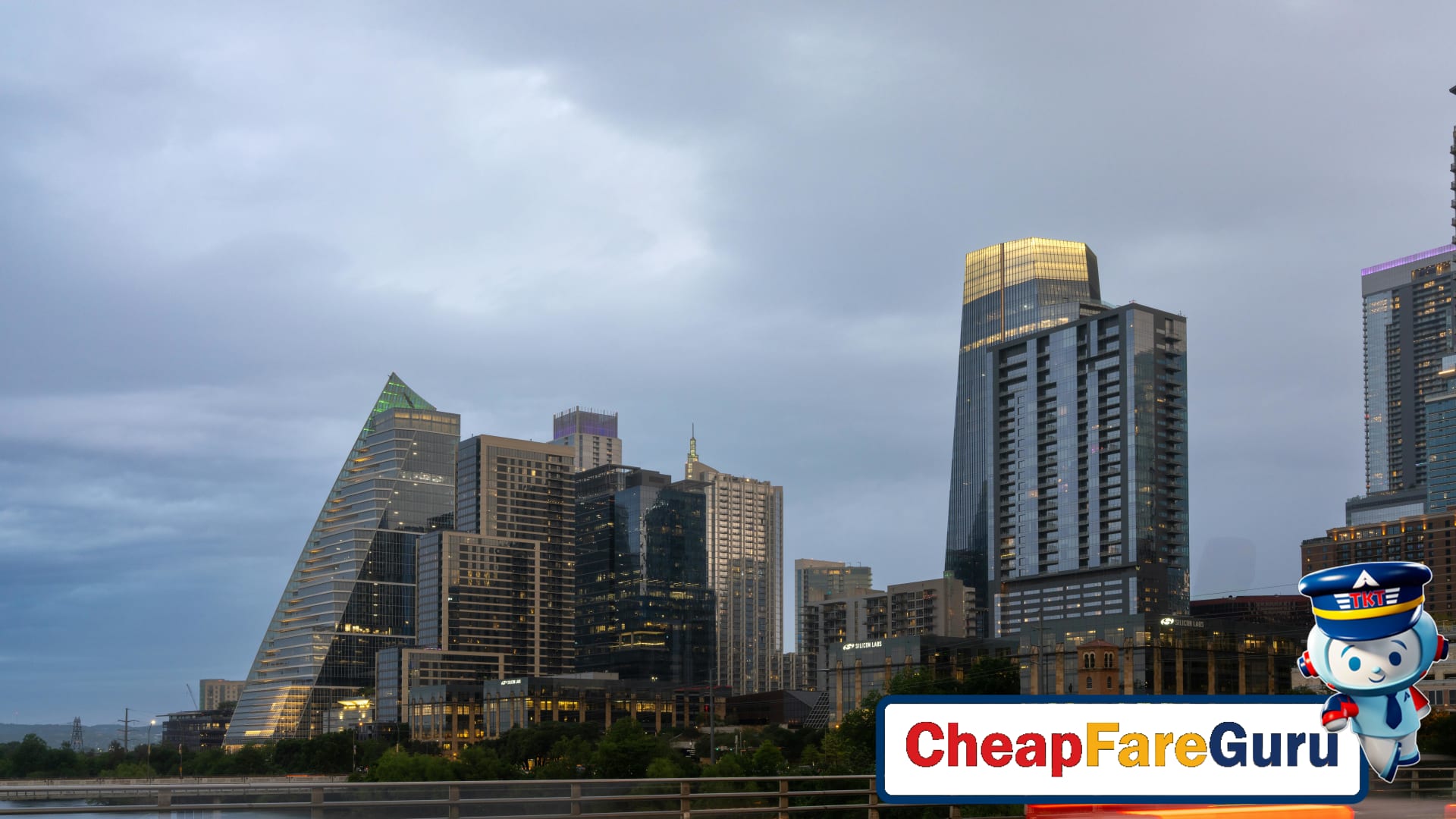
Austin’s energy is hard to match—think live music echoing from every corner, inventive food trucks, and a creative spirit that runs deep. From the murals in South Congress to the honky-tonks on Red River, every neighborhood offers its own slice of local flavor. Whether you’re into barbecue, indie rock, or quirky art, Austin manages to keep things both weird and welcoming.
How Long Should You Stay?
Your ideal trip length depends on your travel style and interests. A weekend in Austin is great for a quick taste of downtown, a few live shows, and maybe a paddle on Lady Bird Lake. If you can spare four days, you’ll have time to explore neighborhoods like East Austin and South Lamar, plus squeeze in some Hill Country day trips. A full week lets you dive deep into the city’s festivals, museums, and food scene without rushing.
Key Factors for Trip Planning
Timing is everything in Austin. Major festivals like South by Southwest (SXSW) in March and Austin City Limits (ACL) in October can transform the city—hotels fill up and crowds surge. I always double-check my dates if I don’t want to get caught up in festival traffic, or, on the flip side, to make sure I don’t miss out on the action. The weather is generally mild from fall through spring, but summers can be sweltering. Consider which neighborhoods match your vibe: Downtown for nightlife, South Congress for shopping, or East Austin for a creative edge.
If you’re eyeing a festival or special event, I’d recommend browsing the official Austin events calendar—it’s the most reliable way to avoid (or embrace) the city’s busiest weeks. For more inspiration, check out our guide to the Best Destinations for Spring Festivals in the U.S..
Affordable Ways To Get To Austin

If you’re planning a budget trip to Austin, you’ve got several affordable options for getting there—whether by air, bus, train, or car. I’ve personally compared flight and bus prices for my own Austin visits, and the right choice can depend a lot on your timing and flexibility.
Cheapest Flight Booking Strategies
Austin-Bergstrom International Airport (AUS) is served by most major airlines, and you can often find the lowest fares by booking early and flying midweek—Tuesdays and Wednesdays tend to be less expensive. I usually start my search on cheapfareguru.com to compare fares across airlines. Using flexible-date search tools or setting up airfare alerts can help you snag deals as soon as they appear. For more tips, check out our guide on How Flexible Dates Can Save You Money on Airfare. For airport transit details, visit the Austin-Bergstrom International Airport’s official transit info page.
Budget Bus and Train Options
Bus travel is a solid choice for budget-minded travelers. Megabus and Greyhound both offer direct routes into downtown Austin, with fares sometimes as low as about $25.00 if you book in advance. Amtrak’s Texas Eagle line arrives at Austin’s central station, and while train tickets are typically around $35.00, the ride is more scenic but slower than the bus. Buses usually have more frequent departures and can be cheaper, but trains offer more space to stretch out.
Driving From Texas Cities
If you’re coming from Dallas, Houston, or San Antonio, driving can be cost-effective, especially if you split fuel costs with friends. Expect to pay around $30.00 for gas from Dallas or Houston. Parking in Austin’s core can run about $15.00 per day, so factor that into your plans. Carpooling helps keep costs down, but always check for available parking before you go.
Best Budget Accommodation In Austin

When it comes to stretching your travel dollars in Austin, hostels and budget hotels are the go-to options, but each has its own vibe and trade-offs. Hostels, like the Firehouse Hostel or Drifter Jack’s, offer a social atmosphere and shared spaces for about $35.00 per night. You’ll meet other travelers in common lounges and kitchens, and some boutique hostels even host live music or art nights. The downside? You’ll likely share a room and bathroom, so privacy is limited.
Budget hotels and motels—think Red Roof Inn or Motel 6—typically cost around $70.00 per night for a private room and bath. They’re great if you want your own space, but you’ll miss out on the hostel camaraderie. In my last Austin trip, I stayed at a quirky hostel in East Austin. I loved the communal breakfasts and local tips from fellow guests, but I did wish for a bit more quiet at night.
Unique stays are also popping up in Austin. You can find tiny homes, vintage trailers, or even campgrounds with basic cabins for about $50.00 per night. Airbnb and platforms like Hipcamp list these offbeat options, and they’re especially fun if you want something different from the usual chain hotel.
If you’re looking to save even more, consider booking outside the downtown core. East Austin and neighborhoods further out offer much lower nightly rates, and you’ll still be a quick rideshare away from the action. For current deals and special events, I usually check Visit Austin’s official lodging listings before booking. And if you’re into hostels, check out our Top U.S. Cities for Hostel Travelers post for more inspiration.
Getting Around Austin On A Budget

Exploring Austin doesn’t have to drain your wallet—especially if you take advantage of the city’s affordable transit options. Capital Metro (CapMetro) runs the city’s buses and trains, covering most tourist spots and neighborhoods. A day pass for unlimited rides typically costs about $2.50, which is one of the lowest-cost ways to get around. I usually recommend checking CapMetro’s fares and schedules before you arrive, since routes and frequencies can shift with events and festivals.
If you’re a fan of two wheels, Austin’s bike and scooter sharing scene is easy to use and surprisingly budget-friendly. Providers like MetroBike, Lime, and Bird offer rentals you can unlock via app—expect to pay around $1.00 to start and about $0.25 per minute after that. Downtown, South Congress, and the University of Texas area are especially bike- and scooter-friendly, with dedicated lanes and wide sidewalks. If you’re interested in how Austin compares to other cities, I’d also check out our guide to U.S. Cities With The Best Bike-Sharing Systems.
For those who like to walk, districts like Downtown, East Austin, and South Congress are compact enough to explore on foot. I found walking from the Capitol through the Warehouse District to be a great way to soak in the city’s vibe without spending a dime.
Late at night, when public transit slows down, rideshare apps like Uber and Lyft or a local taxi are practical alternatives. While these aren’t the cheapest options, they’re reliable if you’re out after midnight or heading somewhere less central.
Cheap Eats And Best BBQ Spots

Austin’s food scene is a dream for budget travelers, especially if you love smoky barbecue, breakfast tacos, and inventive food trucks. I’ll never forget the morning I waited over an hour at Franklin Barbecue—by the time I got my brisket, the line stretched halfway down the block, and the pitmasters were already warning about selling out. If you want a legendary BBQ plate (about $25.00 for a generous serving of brisket, sausage, and sides), get there early—most famous spots like Franklin or La Barbecue run out by mid-afternoon.
For a quicker and even more affordable meal, Austin’s taco joints never disappoint. Torchy’s Tacos and Veracruz All Natural both serve up breakfast tacos for about $4.00 each, packed with eggs, cheese, and your choice of fillings. Veracruz’s migas taco is a local favorite, and you’ll often find their food trucks parked near downtown or at farmers’ markets.
Food trucks are everywhere in Austin, serving everything from banh mi to vegan BBQ. Try the trucks at South Congress or East Sixth for a lively, casual meal—most dishes run about $10.00. If you’re curious about other cities with great street food, check out our guide to the Best Food Truck Cities In The U.S. for more ideas.
Looking to save even more? Many local spots offer happy hour or weekday lunch specials. I usually check Eater Austin’s up-to-date cheap eats lists for the latest deals and new casual openings.
Must-See Attractions In Austin

Austin’s top attractions don’t have to drain your wallet. Some of the city’s best experiences are free or cost just a few dollars, especially if you plan your timing right. I always recommend starting at the Texas State Capitol—it’s one of my favorite budget-friendly stops. The building itself is stunning, and guided tours are completely free. Go on a weekday morning for a quieter visit and a more relaxed pace.
Just south of downtown, Barton Springs Pool is a local classic. For about $5.00, you can cool off in the natural spring-fed pool, especially refreshing during Austin’s hot summer afternoons. If you’d rather stay dry, Zilker Park surrounds the pool and is perfect for picnicking, frisbee, and people-watching—no entry fee required. The park also hosts festivals and outdoor concerts, many of which are free to attend.
Art lovers should check out the Blanton Museum of Art on the University of Texas campus. Admission is about $12.00, but free on Thursdays. If you’re a student or visiting with kids, discounts are available, so I’d check the museum’s website before you go for the latest deals and hours. For current hours and admission info on any attraction, the official Austin tourism site is the most reliable source.
One of Austin’s quirkiest—and completely free—spectacles is the nightly bat flight at the Congress Avenue Bridge. From March to October, crowds gather at sunset to watch over a million bats stream out from under the bridge. Arrive at least 30 minutes early to claim a good spot along the bridge or the riverbank.
Affordable Live Music Options
Austin’s music scene is legendary, and you don’t need a big budget to enjoy it. Many bars along Sixth Street and Red River offer free live shows, especially on weeknights. Coffee shops and food truck parks often host local musicians with no cover charge—just grab a drink or a snack. In my experience, catching a free set at a local venue is one of the best ways to soak up the city’s creative energy.
If you want more ideas for wallet-friendly adventures, check out our guide to the Best Free Things To Do In U.S. Cities for inspiration beyond Austin.
Austin Nightlife For Less Money

Austin’s nightlife is legendary, but you don’t have to spend a fortune to soak it in. Start with 6th Street, where you’ll find plenty of bars offering no cover and cheap drinks—places like The Jackalope are known for their lively atmosphere and $4.00 draft beers. If you want live music, the Mohawk and the Continental Club are local favorites that often feature shows with a cover charge of about $10.00 or less, especially for up-and-coming acts.
One of my favorite budget nights in Austin was catching an open mic at The Hole in the Wall, where the cover was just $5.00 and happy hour specials brought well drinks down to about $3.00. Open mic nights are scattered throughout the city, and they’re a great way to hear local talent for very little money—check out Do512’s free music and nightlife listings to see what’s happening during your visit.
If you’re hoping to stretch your dollars even further, look for weeknight events. Many venues drop their cover charges or offer drink specials on slower nights; for example, you might find $2.00 Lone Stars or discounted cocktails if you swing by early in the evening. Planning your night around these deals can leave you with more cash for late-night food or a rideshare home.
For more inspiration on stretching your nightlife budget, check out our guide to Cheap Ways To Experience U.S. Nightlife.
How To See Austin On A Low Budget

Stretching your travel dollars in Austin is easier than you might think. Start with a DIY self-guided walk downtown—South Congress Avenue is packed with iconic murals, while East 6th Street offers a rotating gallery of street art. I’ve spent an afternoon tracing the “Greetings from Austin” mural to the colorful walls around HOPE Outdoor Gallery, and it didn’t cost a dime.
Public art is everywhere, so don’t miss the installations along Lady Bird Lake or the quirky sculptures in the Second Street District. If you want a more structured experience, check out our Guide To Free Walking Tours in U.S. Cities for tips on planning your own route or joining a free group tour.
Free Museums And Discount Days
Many of Austin’s museums offer free admission days—Blanton Museum of Art and the Bullock Texas State History Museum are two popular picks. I usually recommend checking their websites for current schedules, since these free days can change seasonally. Student and senior discounts are also common, so bring your ID if you qualify.
Concerts, Festivals, And City Events
Live music is Austin’s heartbeat, and you don’t have to pay for it. Free outdoor concerts are held at Zilker Park and the Long Center terrace, especially in spring and summer. City-hosted festivals, parades, and movie nights pop up year-round. For up-to-date listings, I always visit the Austin Visitor Center’s event calendar before planning my trip.
Austin Travel Budget Table Breakdown

When I visited Austin, I found that planning my budget ahead of time helped me avoid overspending and enjoy the city’s vibrant music scene and delicious eats. Here’s a clear breakdown of typical daily expenses for three different travel styles, so you can see what fits your own plans best:
| Budget | Mid-range | Luxury | |
|---|---|---|---|
| Accommodation | $45.00 | $120.00 | $280.00 |
| Food | $18.00 | $45.00 | $100.00 |
| Transport | $8.00 | $25.00 | $60.00 |
| Activities | $12.00 | $35.00 | $85.00 |
Based on my own experience, I’d recommend budgeting around $80.00 a day if you want to keep things affordable but still enjoy some local flavor and attractions.
Austin Travel Guide FAQ Answers
- What’s the cheapest way to get from the airport to downtown Austin?
The most budget-friendly option is typically the Capital Metro Airport Flyer bus, which costs about $1.25 for a one-way ride into downtown. If you want more details on airport connections across the country, check out our Guide To Airport Transfers In The U.S. for further tips.
- How much should I budget daily for food in Austin?
Budget travelers can expect to spend around $25.00 per day on food in Austin if they stick to casual eateries, food trucks, and local taco shops. If you plan for at least one sit-down meal or want to try barbecue, you might want to set aside about $40.00 for the day.
- What are the best free things to do in Austin?
There are plenty of free activities, like hiking the Barton Creek Greenbelt, exploring Zilker Park, or catching the Congress Avenue Bridge bat flight at sunset. Personally, I always enjoy strolling through South Congress to see the murals and quirky shops without spending a dime.
- When is the best time to visit Austin for budget travelers?
Visiting Austin in the late fall or early spring usually means lower hotel prices and fewer crowds. Summer can be hot, but deals are easier to find. I’d avoid major festival weeks if you’re watching your wallet, since prices for accommodation and flights often spike during those times.
- Do affordable hotels in Austin include breakfast?
Many budget hotels and motels in Austin offer complimentary breakfast, but it’s not universal. I’d always check the hotel’s amenities list before booking. Even if breakfast isn’t included, there are plenty of nearby cafes and bakeries with affordable options for starting your day.
- Where can I find Austin live music on a budget?
Look for free or low-cost shows at venues along Sixth Street, bars on Red River, or outdoor concerts at places like Zilker Park. Many coffee shops and breweries also host local musicians without a cover charge, so you can enjoy Austin’s live music scene without overspending.
Enjoy Your Austin Adventure!
Austin is one of those cities that welcomes everyone—whether you’re into live music, food trucks, or just exploring neighborhoods on foot. With the budget tips above, planning a trip here doesn’t have to be expensive or overwhelming. I always find something new to love each time I visit, and I hope this guide helps you map out your own Austin adventure.