
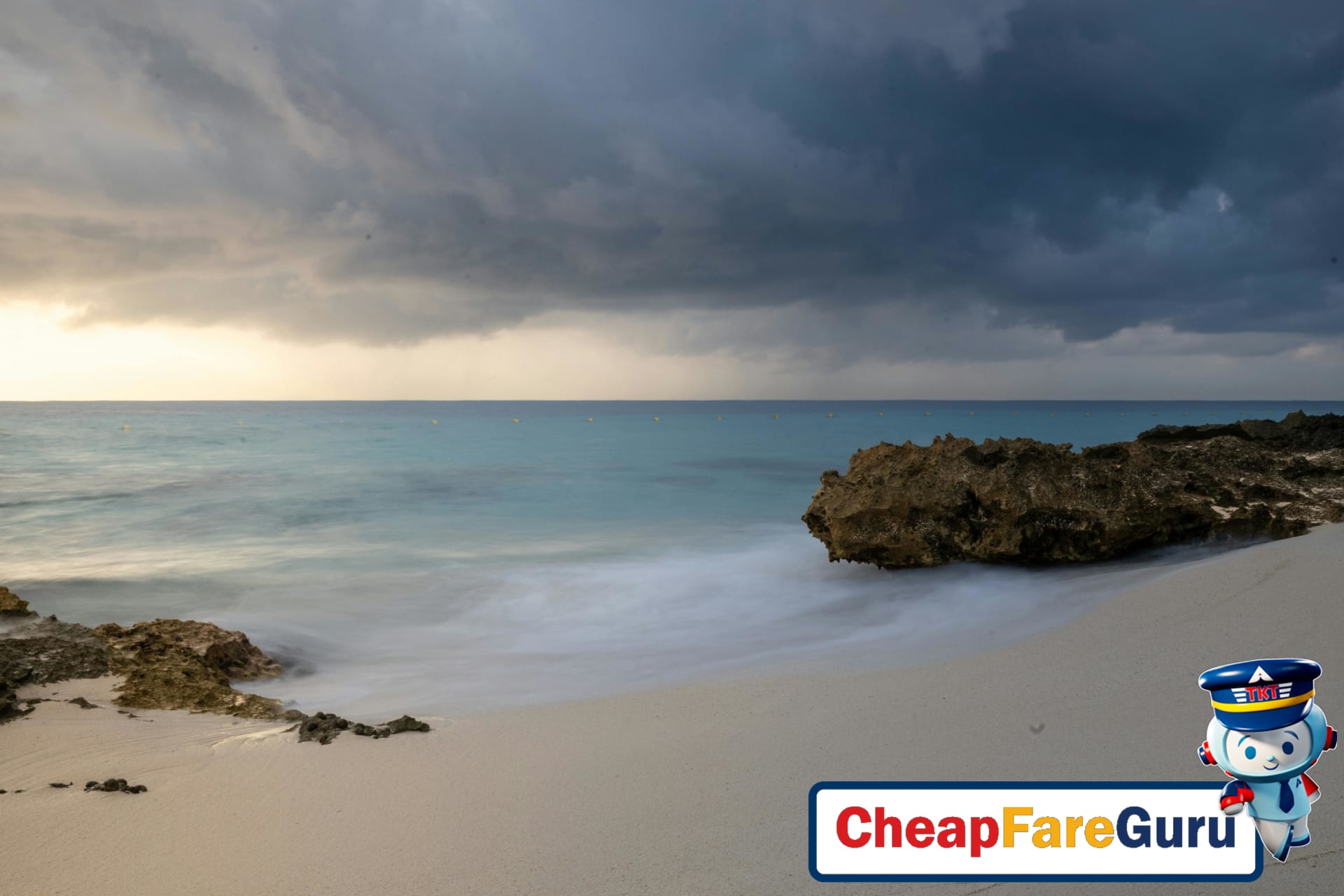
Understanding Caribbean Hurricane Season Risks

The official Caribbean hurricane season runs from June 1 through November 30, according to the National Oceanic and Atmospheric Administration (NOAA). The months of August, September, and October are typically the most active, with the highest chance of tropical storms and hurricanes forming in the region. That said, it’s important to understand that not all Caribbean destinations face the same level of risk during these months.
Regions With Higher Risk
The so-called “hurricane belt” includes islands such as Puerto Rico, the Bahamas, and the eastern Caribbean (like St. Lucia and Dominica). These areas see more frequent storm activity, especially in peak season. However, islands outside or on the edge of the hurricane belt—such as Aruba, Bonaire, and Curaçao—are much less likely to be directly affected by hurricanes. I’ve noticed many travelers assume every island is equally at risk, but in reality, the odds vary widely depending on your destination.
Myths Versus Reality
One common myth is that traveling to the Caribbean during hurricane season is almost guaranteed to result in a storm disruption. In practice, most trips go off without a hitch. Storms are relatively rare compared to the number of weeks in the season, and resorts, airlines, and local authorities are well-prepared with contingency plans. Of course, it’s smart to keep an eye on forecasts and consider flexible booking or how travel insurance can save your vacation if you’re traveling during these months.
Best Caribbean Destinations To Visit

If you’re considering a Caribbean escape during hurricane season, picking the right destination makes all the difference. The southern Caribbean—especially Aruba, Bonaire, Curacao, and Trinidad and Tobago—stands out for its lower storm risk. These islands sit well south of the region’s main hurricane belt, making them a safer bet when the rest of the Caribbean is watching the weather forecast.
Why The Southern Caribbean?
Most hurricanes form in the Atlantic and curve northwest, missing the southernmost islands entirely. Aruba, Bonaire, and Curacao (the “ABC Islands”) rarely experience direct hits, and Trinidad and Tobago’s proximity to South America keeps it out of most storm paths. I dug into weather history and risk maps before booking my trip, and these southern spots consistently showed up as the safest options.
By contrast, the Eastern Caribbean (like the Virgin Islands or St. Lucia) and Western Caribbean (including Jamaica and the Cayman Islands) face a higher chance of storms from June through November. If you’re set on a beach vacation in these areas, you’ll want to stay flexible and keep an eye on forecasts, but the southern islands offer more peace of mind.
Top Picks And Why Go Now
- Aruba: Known for sunny skies, steady trade winds, and a lively food scene. Its dry climate means you’ll enjoy beach days even when other islands are rainy.
- Bonaire: A diver’s paradise with healthy reefs and calm waters. The island’s laid-back vibe makes it easy to unwind without crowds.
- Curacao: Colorful Dutch architecture, vibrant street art, and excellent snorkeling. September and October bring fewer tourists and good hotel rates.
- Trinidad and Tobago: Lush rainforests, unique wildlife, and authentic local culture. If you’re after adventure and nature, this is a strong pick.
Choosing your destination comes down to your risk tolerance and what you want from your trip. If you’re most concerned about storms, I’d stick with the southern islands. For those willing to take a little more risk for a favorite festival or activity, just be sure to check cancellation policies and travel insurance options. For more on timing your trip, see our guide to shoulder season travel benefits.
For a visual reference, check the official NOAA Caribbean hurricane risk map before you book.
Finding The Best Hurricane Season Deals
Hurricane season in the Caribbean and parts of the southern U.S. means fewer crowds—and often, the lowest prices you’ll see all year on flights and hotels. If you’re willing to take a calculated risk, you can score some of the best travel deals anywhere between June and November. I’ve personally tracked flight prices during this season and managed to book a nonstop ticket to San Juan for about half of what I’d pay during the winter peak.
Where And When To Look
Most Caribbean islands, Florida, and parts of the Gulf Coast see their biggest discounts from late summer into early fall. For example, a roundtrip flight from New York to Nassau might drop to about $180.00 during hurricane season, compared to around $350.00 in December. Hotels follow a similar pattern: a beachfront room that’s typically around $220.00 per night in January might go for about $90.00 in September. These are the windows when flexible travelers can really stretch their budgets.
How To Find The Deepest Discounts
Start by searching for flights and hotels with flexible dates. Most booking engines, including cheapfareguru.com, let you compare prices across several days or even weeks. I usually recommend using fare calendar views to spot dips in pricing. Setting up fare alerts is another powerful strategy—these will notify you as soon as prices drop or a flash sale pops up. For step-by-step guidance, check out our tips on using fare alerts effectively to make sure you never miss a sudden deal.
Watch Out For Hidden Costs
Discounted rates can be tempting, but always double-check for extra fees. Some hotels add resort charges or hurricane insurance, and airlines may offer basic fares that don’t include checked luggage. I’d compare the total cost—including taxes and any add-ons—before booking, so you’re not caught off guard at checkout. It’s also wise to review cancellation and change policies, just in case a storm affects your plans.
Booking Flights And Accommodations Wisely

Booking travel these days means planning for the unexpected, especially if you’re eyeing destinations during unpredictable weather seasons. I learned the hard way once—locking in a nonrefundable flight just before a hurricane warning was issued for my route. Ever since, I always check for flexible fare rules and cancellation policies before I pay.
Direct Booking vs. Online Agencies
Booking directly with airlines or hotels often gives you more flexibility when plans change. Many major airlines now offer “no change fee” policies on standard economy fares, but third-party online travel agencies (OTAs) sometimes have stricter or slower refund processes. I’d compare both options before choosing, but if flexibility is a top priority, booking direct usually wins—especially if you might need to adjust your trip last minute.
What To Check In Policies
Before you book, carefully review cancellation and change policies. Look for words like “refundable,” “free cancellation,” or “no change fee.” Some airlines offer credits instead of cash refunds, so check how long credits last and if there are restrictions. For accommodations, many hotels now offer free cancellation up to a certain date, but some discounted rates are nonrefundable. Always confirm the fine print—especially for flights during hurricane season or peak travel times.
Weather Waivers And Policy Triggers
When severe weather or emergencies hit, airlines may issue “weather waivers” allowing free rebooking or cancellation. These waivers kick in only under specific conditions—usually when storms are forecasted to directly impact your flight. You’ll need to act quickly: waivers are time-limited and may not cover every route or fare type. In my experience, having a flexible ticket makes it much easier to take advantage of these policies.
Understanding Trip Insurance Coverage
Trip insurance can cover gaps where airline or hotel policies fall short—like nonrefundable fares or unexpected medical emergencies. Not all policies are equal, though. Standard insurance covers things like illness, injury, or severe weather, but “Cancel For Any Reason” (CFAR) upgrades offer even broader protection. For real-world examples, I recommend checking policy details on sites like Allianz or Squaremouth. If you want a deeper dive, see our guide on What Is Cancel For Any Reason Insurance? for more details.
How To Prepare Before Departure

Getting ready for a Caribbean trip during hurricane season takes a bit more planning than usual. I always make a checklist for weather-uncertain trips, and I’d never leave home without a folder containing my travel insurance documents, emergency contacts, and copies of my bookings. Organizing these essentials in advance gives me peace of mind if plans need to change quickly.
Packing Essentials For Storm Season
Start with the basics: waterproof bags for electronics, extra prescription meds, a printed copy of your passport, and a small flashlight. Don’t forget to include your travel insurance paperwork and a list of local emergency numbers. If you want a full rundown of what to bring, I’d recommend checking out this Caribbean packing list for more detailed suggestions.
Track Weather With Reliable Apps
Staying informed is key when storms are possible. I like to use NOAA Weather Radar Live and The Weather Channel app for up-to-date alerts. Set location-based notifications for your destination so you’ll know right away if a storm is forming. Many travelers also use Windy or AccuWeather for detailed forecasting and storm tracking.
Stay In Touch With Airlines And Hotels
If forecasts start looking uncertain a few days before departure, reach out to your airline and hotel. Most carriers will update you on possible delays or rebooking options if a hurricane is likely. Hotels in the Caribbean are used to these scenarios and can often advise on their storm policies or evacuation plans. I usually call or email both my hotel and airline 48 hours before leaving if a storm is on the radar.
Staying Safe During Your Trip

Weather can shift quickly in the Caribbean, and it pays to be prepared. I always save key emergency contacts in my phone before heading out—hotel front desk, local embassy, airline, and at least one local emergency number. It’s a small step, but it makes a big difference if you ever need help fast.
Build a Flexible Daily Plan
When severe weather is a possibility, keep your itinerary loose. I recommend prioritizing outdoor activities early in your trip and leaving indoor attractions for days when the weather looks questionable. Check local weather apps each morning, and don’t be afraid to adjust plans if you see storm warnings. Flexibility is your friend here.
Key Contacts and Resources
Have these details handy at all times:
- Your hotel’s direct phone number and address
- Nearest U.S. embassy or consulate contact
- Your airline’s customer service number
- Local emergency services (like 911 or equivalent)
- Trusted weather and alert apps for the region
If you’re traveling internationally, I’d also bookmark the U.S. State Department’s travel warnings page for up-to-date alerts. For a deeper dive, check out our post on Emergency Preparedness For International Travel.
If a Hurricane Warning Hits
If a hurricane warning is issued during your stay, don’t wait—get information from your hotel staff immediately. They’ll explain the property’s shelter procedures and direct you to safe areas if needed. Follow all local instructions and keep your passport, travel documents, and a small emergency kit close by. Airlines may change schedules rapidly, so stay in touch with your carrier for updates.
Caribbean Hurricane Season Travel Budget

Traveling to the Caribbean during hurricane season can mean significant savings if you plan smartly. I’ve noticed my own expenses drop noticeably compared to high season, especially on accommodation and activities. Here’s a practical breakdown of what a one-week trip might cost across three budget tiers. These are typical expenses for a solo traveler, but you can adjust if you’re traveling with others.
| Budget | Mid-range | Luxury | |
|---|---|---|---|
| Accommodation | $210.00 | $560.00 | $1,750.00 |
| Food | $90.00 | $210.00 | $560.00 |
| Transport | $70.00 | $175.00 | $420.00 |
| Activities | $60.00 | $210.00 | $490.00 |
For budget travelers, hostels or guesthouses can be found for around $30.00 per night, and you’ll save even more by eating at local spots. Mid-range travelers might opt for comfortable hotels and a mix of casual and sit-down meals. Luxury travelers can expect higher prices for resorts, private transfers, and guided tours, but even these costs are often lower during hurricane season.
One thing I always recommend is taking advantage of seasonal discounts, but check carefully—some deals don’t apply to every cost category, especially food or certain tours. If you’re interested in stretching your food budget further, I’d suggest reading our guide on Caribbean Food And Drink On A Budget for more tips.
Caribbean Hurricane Season FAQs
- When is the peak of Caribbean hurricane season?
The peak of Caribbean hurricane season typically falls between August and October, with the most storm activity often occurring in September. If you’re planning a trip during this time, I recommend checking the National Hurricane Center’s website for up-to-date forecasts before and during your travels.
- What are the safest Caribbean islands during hurricane season?
Islands in the southern Caribbean, such as Aruba, Bonaire, and Curaçao, are generally less affected by hurricanes. While no island is completely immune, these destinations tend to sit south of the main hurricane belt. I usually suggest these if you want to minimize weather-related disruptions.
- Can I get a refund if a hurricane disrupts my trip?
Refunds depend on your airline, hotel, and booking terms. Airlines often issue travel waivers or credits if flights are canceled due to hurricanes, but full refunds aren’t always guaranteed. I’d recommend reviewing cancellation policies in advance and considering travel insurance that covers weather-related interruptions.
- How do airlines handle flights during hurricanes?
Airlines may delay, reroute, or cancel flights when a hurricane threatens the Caribbean. They typically issue travel advisories and flexible rebooking options. In my experience, monitoring airline alerts and signing up for notifications is the best way to stay informed about possible schedule changes.
- What should I pack for hurricane season travel?
Packing a compact rain jacket, waterproof bag, and a portable phone charger is wise when visiting the Caribbean during hurricane season. I also bring copies of important documents and a small first aid kit, just in case weather causes unexpected delays or changes to my plans.
- Are last-minute deals worth it during hurricane season?
Last-minute deals are common during hurricane season because demand is lower, but there’s an increased risk of weather disruptions. If you’re flexible and comfortable adjusting plans, you can save money. I’d compare fares on cheapfareguru.com and check cancellation terms before booking.
- How can I check hurricane updates while traveling?
For real-time hurricane updates, I use the National Hurricane Center’s website and reliable weather apps on my phone. Many hotels and resorts also provide local alerts. Staying informed this way helps you make quick decisions and adjust your itinerary if a storm is approaching your area.
Smart, Safe, And Savvy Caribbean Travel
To wrap up, remember these essentials for hurricane season in the Caribbean: always check weather forecasts before you book, choose flexible reservations, and consider travel insurance for extra peace of mind. Stay updated on local advisories, pack with unexpected delays in mind, and have backup plans for excursions or flights. If you want to stretch your budget, browsing current discounts on cheapfareguru.com is a good way to spot last-minute deals or flexible fare options.
Staying adaptable and informed will help you avoid common pitfalls and get the most out of your trip. I always keep my plans a little loose during hurricane season, just in case I need to adjust on the fly.