

Essential Social Norms In Mexico

Understanding social norms in Mexico can make your trip smoother and help you connect with locals. Greetings are especially important—Mexicans typically greet with a light handshake, and among friends or acquaintances, a single cheek kiss is common. When I first arrived in Mexico, I instinctively went for a handshake, but quickly noticed locals leaning in for a cheek kiss, which taught me to adapt and show respect in return.
How To Greet Locals
Expect a warm, personal greeting. For men, a handshake is standard, while women may exchange a cheek kiss with each other or with men they know. Always greet with a smile and make eye contact. Skipping greetings or rushing into conversation can come off as rude, so take a moment to acknowledge everyone present.
Personal Space And Respect
Personal space is a bit closer than what many U.S. travelers are used to. It’s normal for people to stand or sit closer during conversations. Interrupting or speaking too loudly can be seen as disrespectful. Address people formally—using “Señor” or “Señora”—until invited to use first names. I’d compare this to meeting someone’s family for the first time; err on the side of politeness.
Common Mistakes To Avoid
Some travelers unintentionally offend by skipping greetings, being overly direct, or not showing patience in social settings. Mexicans value courtesy and indirect communication, so take your time and avoid bluntness. For more on what to expect as a first-time visitor, check out our guide to your first trip to Mexico.
For a deeper dive into etiquette and cultural tips, the Visit Mexico tourism site offers helpful advice on local customs.
Dining Etiquette And Table Manners
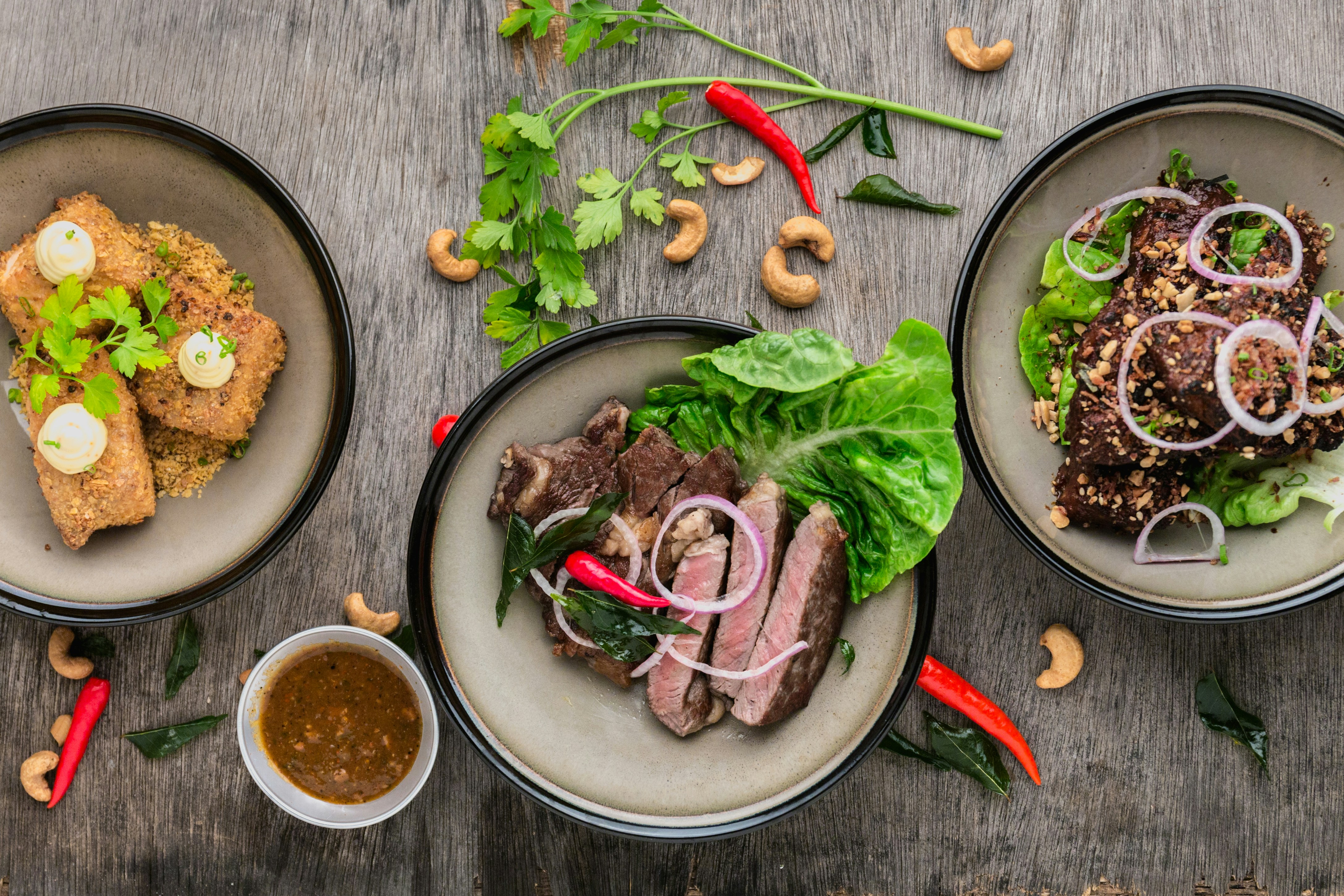
Dining in Mexico is as much about social connection as it is about food. Arriving on time is appreciated, but there’s often a short grace period before everyone is seated. One thing that stood out to me during my first meal with Mexican friends was the importance of waiting for the host’s cue before starting to eat or drink—unlike back home, where we might dig in as soon as plates hit the table. In Mexico, it’s polite to wait until the host says, “Buen provecho,” or signals that everyone can begin. Jumping ahead is considered disrespectful.
Utensils are typically used for most dishes, but don’t be surprised if you see people eating tacos or certain antojitos with their hands. Always keep your hands visible (resting wrists on the edge of the table, not in your lap), and use your napkin frequently—Mexican hosts value neatness at the table. Avoid resting elbows on the table during the meal and never blow your nose at the table, as these are seen as impolite.
Tipping is customary in Mexican restaurants. According to the official Mexican tourism board, leaving about 10% to 15% of the bill is standard, with a minimum of around $1.00 per person for smaller meals. Leaving coins or skipping the tip altogether is considered rude, so I always recommend rounding up and leaving cash directly for your server. For more tips on eating out affordably, see our guide on How To Dine Out On A Budget In Mexico.
Dress Codes And Appearance Tips

Mexican dress codes tend to lean a bit more formal than what you might expect in the U.S. or Canada, especially in cities and for special occasions. For everyday wear, locals often opt for neat, put-together outfits—think jeans, blouses, and closed-toe shoes—rather than gym shorts or flip-flops. I found that packing a few smart-casual pieces made it easier to blend in, especially when heading out for dinner in Mexico City or visiting museums.
For business meetings or upscale restaurants, collared shirts and slacks are common for men, while women usually wear dresses, skirts, or tailored pants. If you’re attending a festival or cultural event, you’ll notice locals dressing up with pride—embroidered tops, colorful dresses, and even traditional garments. When visiting religious sites, modesty is key: shoulders and knees should be covered, and hats are best left off inside churches. I was surprised by how out of place shorts felt in some settings, so I’d suggest erring on the side of caution.
For more ideas on what to bring, check out our What To Wear In Latin America guide. If you want a local perspective, Mexico-based fashion blogger Fashionista Style Blog regularly shares tips on blending comfort with local style.
Visiting Homes And Local Customs
Being invited into a Mexican home is a sign of genuine hospitality. In my experience, arriving on time and bringing a small gift—like fresh pastries—was warmly appreciated when I visited friends in Mexico. Punctuality is valued, but being a few minutes late is usually acceptable. Gifts such as flowers, chocolates, or local treats are thoughtful gestures; avoid marigolds or red flowers, as these can carry unintended meanings.
When you enter, it’s polite to greet everyone with a handshake or a kiss on the cheek, depending on the setting. Always wait to be shown where to sit and observe whether shoes are removed—some homes prefer it, while others don’t mind. Accept food and drink graciously, even if you’re not hungry; declining can be seen as impolite. If you need to refuse, do so gently and with thanks.
Mexican hosts often take pride in making guests feel welcome, and reciprocating with genuine gratitude or a return invitation is appreciated. For more tips on making local connections, check out our article on How To Make Local Connections When Traveling. For further reading, you might also explore local etiquette advice at Mexperience.
Religious And Festival Etiquette Essentials
Mexico’s churches, shrines, and vibrant festivals are at the heart of local life, and visiting them can be a highlight of any trip. In my experience, stepping inside a centuries-old church during a major festival felt both humbling and energizing, but it’s easy to stand out if you don’t know the basic etiquette.
When you visit religious sites, dress modestly—think covered shoulders and knees for both men and women. Many locals wear their Sunday best, especially for Mass or processions. Keep your voice low, silence your phone, and avoid loud conversations. Even outside formal services, these are sacred spaces for many people.
Photography is a sensitive subject. Some churches allow photos, but others prohibit them entirely, especially during services or private prayer. I usually recommend checking for posted signs or asking a staff member before pulling out your camera. During festivals, always ask permission before photographing people or rituals, as some may be deeply personal or reserved for participants. You’ll find more on the country’s biggest events in our Top Festivals In Mexico You Should Experience feature.
If you’re invited to join a procession or participate in a ritual, observe first—watch how locals behave, and follow their lead. It’s best to avoid eating, drinking, or wearing hats inside churches. For official guidelines on visiting cathedrals, check resources like the Archdiocese of Mexico website or local festival pages for specific advice.
Body Language And Communication Rules
Understanding body language and communication etiquette in Mexico can help you avoid awkward moments and show respect to locals. Direct eye contact is generally positive, but staring can feel aggressive. Personal space is usually closer than in the U.S., especially in social settings—friendly touches like a handshake or a pat on the back are common but always let the other person initiate.
Gestures can be tricky. For example, what’s a friendly “come here” wave in the U.S. might appear rude in Mexico if you use your palm up. Instead, beckon with your palm down. Avoid pointing with your finger—use your whole hand instead. Addressing elders or authority figures with “Señor” or “Señora” is polite, and interrupting someone is generally frowned upon. Conversations tend to be warm but not overly loud; raising your voice or being too direct can come across as disrespectful.
I once caught myself raising my voice to clarify a point in a busy market, only to realize I’d made the vendor uncomfortable—tone and volume matter far more than I expected. For a deeper dive on avoiding misunderstandings, I’d recommend checking out our How To Avoid Common Travel Misunderstandings guide. For more on gestures and etiquette, the Mexican government’s tourism portal provides helpful tips (Visit Mexico).
Public Transport Etiquette In Mexico
Getting around Mexico by bus, metro, or taxi is affordable and practical, but a little local etiquette goes a long way. When you board a city bus or a colectivo, it’s polite to greet the driver and fellow passengers with a quick “buenos días” or “buenas tardes.” I’ve found that this small gesture always gets a friendly nod and sets a positive tone for the ride.
On buses and metro trains, wait your turn in line, and always let passengers exit before stepping on. Priority seats are reserved for the elderly, people with disabilities, and pregnant women—if you’re sitting there and someone in need boards, offer your seat right away. For fares, have small bills or coins ready; drivers and turnstile staff usually appreciate exact change. In taxis, a brief greeting is customary, and it’s best to confirm the fare before the ride starts.
Common missteps include blocking doors, speaking loudly, or ignoring personal space. I had to adjust my habit of using headphones at full volume—keeping sound low is expected. For more details on navigating the city, check out our guide to Getting Around Mexico City On A Budget. You can also review etiquette advice from the Mexico City Metro Authority for official tips.
Bogotá Travel Budget Breakdown
Planning your daily expenses in Mexico can make a big difference in how much you enjoy your trip. I once overspent on a fancy restaurant when I could have had a more authentic—and affordable—meal at a local spot recommended by residents. Choosing etiquette-friendly eateries and sticking to public transport can really help you keep costs in check.
| Budget | Mid-range | Luxury | |
|---|---|---|---|
| Accommodation | $25.00 | $80.00 | $220.00 |
| Food | $10.00 | $30.00 | $75.00 |
| Transport | $3.00 | $15.00 | $50.00 |
| Activities | $8.00 | $25.00 | $60.00 |
Picking the right restaurant or transport option isn’t just about etiquette—it can shift your daily costs by a wide margin. For more tips on keeping your travel affordable, check out our Affordable Trip Planning For Mexico guide. You can also compare these numbers against the latest advice from Budget Your Trip for Mexico.
Mexico Etiquette Travel FAQ Guide
- Is tipping expected in Mexico, and how much should I give?
Tipping is part of daily life in Mexico. In restaurants, it’s customary to tip about 10%–15% of the bill. For hotel staff, I usually give about $1.00 per bag to bellhops and $2.00 per day to housekeeping. Taxis typically do not expect a tip, but rounding up is appreciated.
- What are some basic etiquette rules for greeting people in Mexico?
Mexicans often greet with a handshake or a light cheek kiss among friends. A friendly “buenos días” goes a long way. I found people really appreciate when visitors make an effort with greetings, even if your Spanish isn’t perfect. It’s a small gesture that shows respect and openness.
- Are there any etiquette mistakes travelers often make in Mexico?
One common mistake is being too informal or skipping basic greetings. It’s also easy to forget to say “por favor” and “gracias.” If you want to avoid the most frequent etiquette slip-ups, I’d suggest reading our internal etiquette mistakes guide before your trip.
- How should I handle dining etiquette in Mexican restaurants?
Wait to be seated and don’t start eating until everyone is served. If you’re unsure about the menu, don’t hesitate to ask politely. I learned that it’s polite to keep your hands visible on the table, but not your elbows. Being patient with service is also appreciated.
- What should I know about visiting someone’s home in Mexico?
Bringing a small gift, like sweets or flowers, is thoughtful. Always greet everyone, not just the host. I noticed that removing your shoes isn’t expected unless requested. Complimenting the meal or home is considered polite and helps break the ice with your hosts.
- What’s the best way to handle language barriers politely?
If you don’t speak Spanish, start with a friendly greeting and ask if English is okay. Most people appreciate the effort. I always try to learn a few basic Spanish phrases—it’s improved my travel experiences and made interactions much smoother throughout Mexico.
- How can I politely decline food or drink without offending?
If you need to decline, do so with a smile and a gentle “no, gracias.” Mexicans are very hospitable, so politeness matters. If you’re offered something you can’t eat, briefly explain, but always express gratitude for the offer. This approach is usually well received.
Key Takeaways For Mexico Etiquette
Respectful travel in Mexico goes beyond basic manners—it’s about tuning in to local customs, from greetings to dining habits and even small gestures. In my experience, understanding these nuances has made every visit more meaningful and opened doors to genuine connections. If you keep an open mind and observe how locals interact, you’ll enrich your journey far beyond the usual tourist path.