
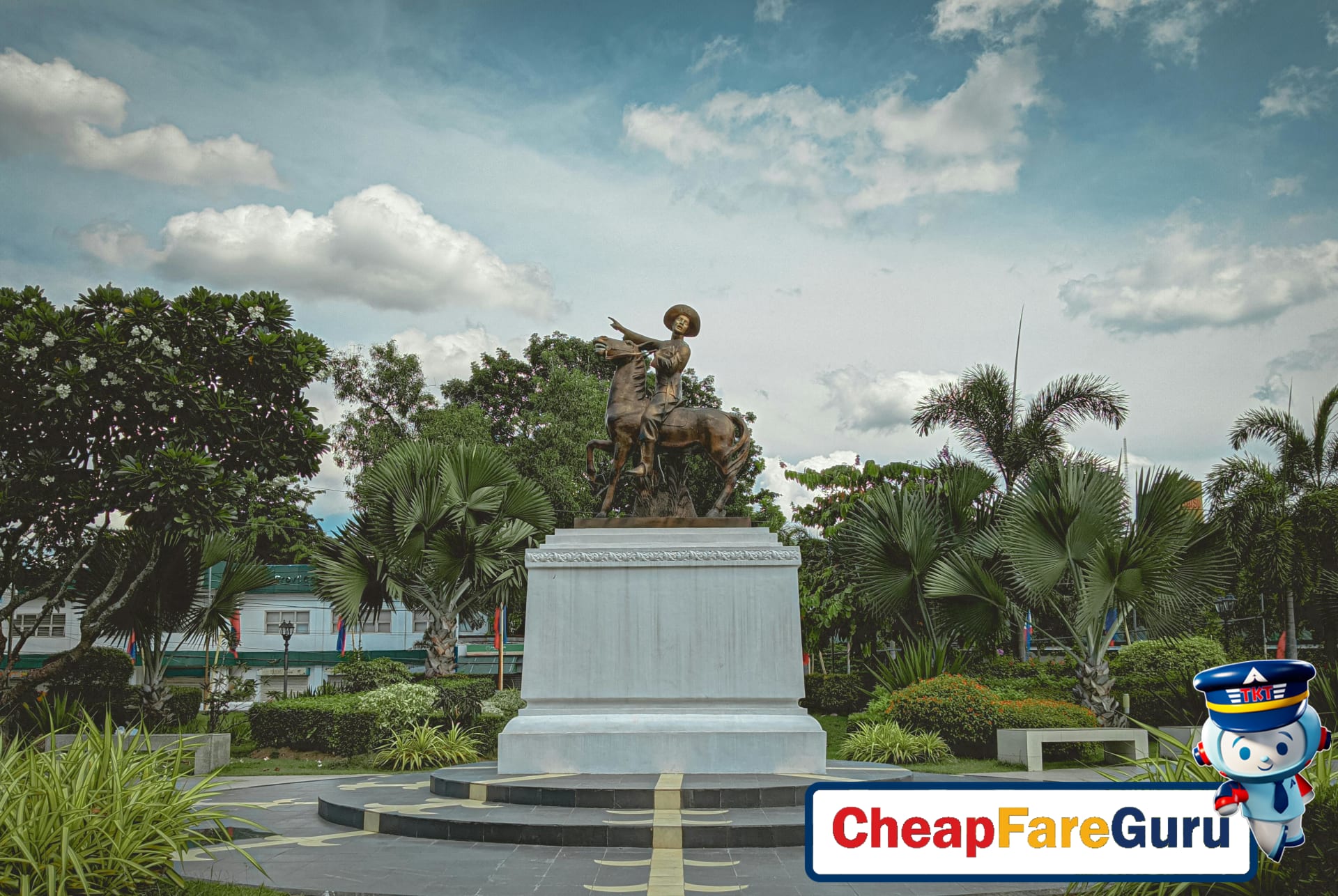
Understanding Araw ng Kagitingan Meaning

Araw ng Kagitingan, or Day of Valor, is a deeply significant public holiday in the Philippines, observed every April 9. It commemorates the bravery and sacrifice of Filipino and American soldiers during World War II, especially those who endured the harrowing Bataan Death March after the fall of Bataan in 1942. This day stands as a powerful reminder of resistance, unity, and the heavy cost of freedom.
For Filipinos, Araw ng Kagitingan is more than just a historical marker—it’s a day to honor the spirit of courage in the face of overwhelming odds. While researching travel plans, I found myself moved by the stories behind this holiday, which made visiting related sites feel even more meaningful. If you’re interested in history, it’s an opportunity to connect with the country’s past and understand its enduring national pride.
Travelers visiting the Philippines in April will notice ceremonies at memorials and landmarks, with a nationwide moment of silence held at 9:00 am. If you want to align your trip with cultural events, you might find this guide on the best times to visit the Philippines helpful. For a deeper dive into the day’s history, the Official Gazette of the Republic of the Philippines provides a thorough background.
Visiting Mount Samat National Shrine

Mount Samat National Shrine, or Dambana ng Kagitingan, stands as a powerful tribute to the bravery of Filipino and American soldiers during World War II. The shrine’s towering memorial cross, visible for miles, dominates the summit and left me genuinely awed by its sheer scale the first time I visited. The site’s peaceful setting and historical significance make it a must-see for anyone traveling through Bataan.
Besides the cross, the shrine features a museum with well-curated artifacts, photographs, and personal stories from the Battle of Bataan. I found the museum exhibits especially moving—they provide a tangible sense of the sacrifices made here. After exploring inside, don’t miss the panoramic views from the base of the cross; on a clear day, you’ll get sweeping vistas over Bataan’s lush countryside.
To get to Mount Samat, most travelers take a bus or private car from Manila to Balanga, then a short drive or tricycle up the mountain. If you’re planning your route, I’d recommend checking a reliable Philippines travel safety and transport guide for the latest local advice. The shrine typically charges an entrance fee of about $1.00 per person, but it’s best to confirm the latest details and opening hours on the official Mount Samat tourism website before you go.
Discovering Corregidor Island’s Wartime Past
Corregidor Island sits at the entrance of Manila Bay, making it a critical stronghold during World War II. Its strategic location meant it was fiercely defended and heavily bombarded, leaving behind powerful reminders of the conflict. Today, the island stands as a moving memorial to the sacrifices made during the war, and it’s one of the most significant historical sites near Manila.
Key Sites and Memorials
Most tours start at the Malinta Tunnel, an underground complex that once sheltered soldiers and civilians. Walking through its dim corridors, I felt the weight of history—echoes of past struggles linger in the cool air. Other highlights include the battery ruins, with their battered artillery, and the Corregidor Lighthouse, which offers sweeping bay views and a sense of hope amid the ruins.
How To Visit Corregidor
Getting to Corregidor is straightforward: ferries depart from Manila’s Esplanade Seaside Terminal, with most travelers booking guided day tours. I recommend checking the latest ferry schedules and tour options through the official Corregidor Island tourism site for up-to-date details. Tours typically include round-trip transport, lunch, and guided stops at the major sites.
If you’re interested in more historical day trips, you might also want to explore our guide to Philippines historical tours for further ideas.
Touring Bataan’s WWII Battlefields

Bataan’s WWII battlefields offer a moving journey through history. You’ll find key sites like Mount Samat National Shrine (Dambana ng Kagitingan), Balanga’s Surrender Site Marker, and the haunting roadside Death March markers stretching from Mariveles to San Fernando. Each marker tells a story of the courage and hardship faced by Filipino and American soldiers during 1942.
If you’re planning a self-guided trip, I recommend starting in Mariveles, following the route northward. Stop at the Kilometer Zero marker, pause at the Layac Junction, and make time for the Mount Samat shrine for panoramic views and exhibits. I found myself pausing quietly at a Death March marker near Limay, struck by the weight of history in such a simple concrete post.
For transport, regional buses from Manila reach Balanga in a few hours, and you can hire a local driver or rent a car for flexibility. Guided battlefield tours are available through local operators, but many travelers prefer the freedom of a self-paced itinerary. For navigation, the Bataan tourism board offers a downloadable WWII trail map—this is a handy resource to keep on your phone. If you’re new to Luzon, consider checking a regional bus travel guide for detailed route info.
Top WWII Memorials And Museums In Luzon

Luzon is home to several moving sites that bring the history of World War II and the Day of Valor to life. The Bataan World War II Museum in Balanga is a must for anyone wanting a deeper understanding of the Bataan Death March. Here, I found the personal artifacts and survivor stories especially powerful—they made the events feel real in a way textbooks never could. For more on local museums, you can also check out our Philippines museum guide.
Another significant stop is the Capas National Shrine in Tarlac, a memorial dedicated to the Filipino and American soldiers who suffered during the Death March. The grounds are peaceful, and the towering obelisk serves as a stark reminder of the sacrifices made. The Mount Samat National Shrine, or Dambana ng Kagitingan, offers panoramic views and a museum with wartime relics. Both Capas and Mount Samat are best visited during daylight hours, and I’d recommend setting aside at least an hour for each.
Many of these sites charge a modest entrance fee—typically around $1.00—and are usually open from mid-morning to late afternoon. Dress respectfully, and keep voices low as a sign of respect. If you’re planning to visit more than one memorial in a day, start early and map your route since travel between sites can take longer than expected due to traffic or rural roads. For current hours, closures, and any special events, it’s smart to check the official museum websites before heading out.
Araw ng Kagitingan Travel Budget Table
When planning a trip to the Philippines for Araw ng Kagitingan, your costs can shift quite a bit based on where you stay and how you get to WWII sites like Corregidor Island or Bataan. Accommodation and guided tours are usually the main cost drivers, but I found my trip budget changed most once I factored in ferry tickets and organized excursions. If you want to dig deeper into saving strategies, check out our guide on cheapfareguru.com for ways to save on Philippines travel. Also, always verify the latest exchange rates before you book anything, since the U.S. dollar value can affect your final spend.
| Budget | Mid-range | Luxury | |
|---|---|---|---|
| Accommodation | $25.00 | $80.00 | $180.00 |
| Food | $12.00 | $30.00 | $65.00 |
| Transport | $20.00 | $45.00 | $100.00 |
| Activities | $15.00 | $45.00 | $110.00 |
Seasonality can also affect accommodation and ferry prices, especially around national holidays. Tours to Corregidor or Bataan’s memorials may require pre-booking, so it’s wise to lock in your spot early.
What To Expect On Araw ng Kagitingan

If you’re planning to visit the Philippines on April 9 for Araw ng Kagitingan (Day of Valor), it’s important to know that many key sites—especially those tied to World War II history—either close early or have restricted access due to official ceremonies. Memorials like Mount Samat National Shrine often host national events, so expect heightened security and visitor cut-offs before midday. I learned the hard way that showing up late on a public holiday can mean missing out entirely, so plan to arrive early if you want to witness the commemorations.
Crowds can be large, especially at major memorials and in cities like Bataan. It’s common for roads near ceremony sites to be closed or rerouted, and public transport can get packed. Booking transport and accommodations in advance is a smart move. If you’re attending a ceremony, dress modestly and avoid loud conversations or phone use during moments of silence—local etiquette puts a premium on respect and quiet reflection.
For more detailed advice on navigating Philippine holidays, check out my post on traveling during festivals and public holidays.
Essential FAQs For Day of Valor Travel
- What is Araw ng Kagitingan and why visit on this day?
Araw ng Kagitingan, or Day of Valor, commemorates the bravery of Filipino and American soldiers during World War II, especially those who defended Bataan and Corregidor. Visiting on this day means experiencing national ceremonies, military tributes, and a strong sense of local pride at key WWII sites. Expect larger crowds and special events.
- Which WWII sites are most significant for Day of Valor?
The most significant WWII sites for Day of Valor include Mount Samat National Shrine (Dambana ng Kagitingan), Corregidor Island, and the Bataan Death March markers. These locations host memorial ceremonies and educational exhibits. I usually recommend Mount Samat for first-time visitors because it’s the centerpiece of official commemorations.
- How accessible are these memorial sites for travelers with mobility needs?
Accessibility varies. Mount Samat has steep steps and uneven paths, but some areas are reachable by vehicle. Corregidor tours may involve walking and boat transfers. If you have mobility concerns, it’s smart to contact tour providers in advance to ask about ramps, shuttles, or available assistance at each site.
- Are there entrance fees or extra costs at Day of Valor sites?
Most major WWII memorials charge a modest entrance fee—about $2.00 at Mount Samat. Corregidor tours typically include transportation and guides for around $40.00. Bring cash, as card payments aren’t always accepted. Also, budget for snacks, water, and optional donations at memorial events or museums.
- What etiquette should I follow at Day of Valor ceremonies?
Dress modestly and avoid loud conversations during ceremonies. Stand quietly during moments of silence and national anthems. Photography is usually allowed, but be respectful—don’t interrupt official proceedings or block veterans and families. In my experience, locals appreciate visitors who participate with genuine interest and courtesy.
- How can I prepare for crowds or logistics on Araw ng Kagitingan?
Arrive early, especially at Mount Samat or Corregidor, as traffic and parking fill up quickly. Bring sun protection, water, and snacks. Public transport may be limited on holidays, so consider booking a group tour or arranging private transport. For more planning advice, check out our main Philippines travel tips article.
Thoughtful Planning For Day Of Valor
Visiting WWII sites during Araw ng Kagitingan isn’t just about seeing monuments—it’s a chance to honor the sacrifices of those who shaped history. Taking time to plan your journey means you can experience these places with the respect and reflection they deserve. In my experience, a little research ahead of time helps you connect much more deeply with each site’s story.
If you’re looking for practical tips or inspiration for your itinerary, check out our travel advice section to help you make the most of your visit. Exploring these places thoughtfully can be both moving and memorable—and it’s worth taking that extra step to plan well.