
Best Timeframes For Booking Europe Flights

Summer is the busiest—and priciest—season for flights to Europe, with airfare demand peaking between mid-June and late August. According to a recent airfare study by Hopper, ticket prices for Europe can jump by more than 20% during the summer surge, especially if you wait until the last minute to book. In my experience, I once waited until May to book a July trip and ended up paying significantly more than friends who booked months earlier.
If you want to catch the lowest fares, the sweet spot is usually three to six months before departure. Booking in this window gives you the best shot at snagging deals before prices spike closer to travel dates. I usually recommend aiming for February through April if you’re targeting a July or August departure.
Watch out for peak travel dates: early July departures and mid-August returns are notorious for steep prices. Many Europeans also vacation in August, so flights home can be especially expensive. If you have flexibility, flying in late June or early September can help you avoid the worst of the crowds and high fares.
Special events—like the Olympics, major music festivals, or citywide celebrations—can also drive up prices and reduce seat availability. It’s a good idea to check for big events in your destination city before locking in your travel dates. Waiting for last-minute deals is risky for summer Europe routes; seats often sell out and prices rarely drop. If you’re set on a spontaneous trip, check out our guide on how to find last-minute flight deals for strategies, but be prepared for limited options during peak season.
Choosing Destinations Strategically This Summer
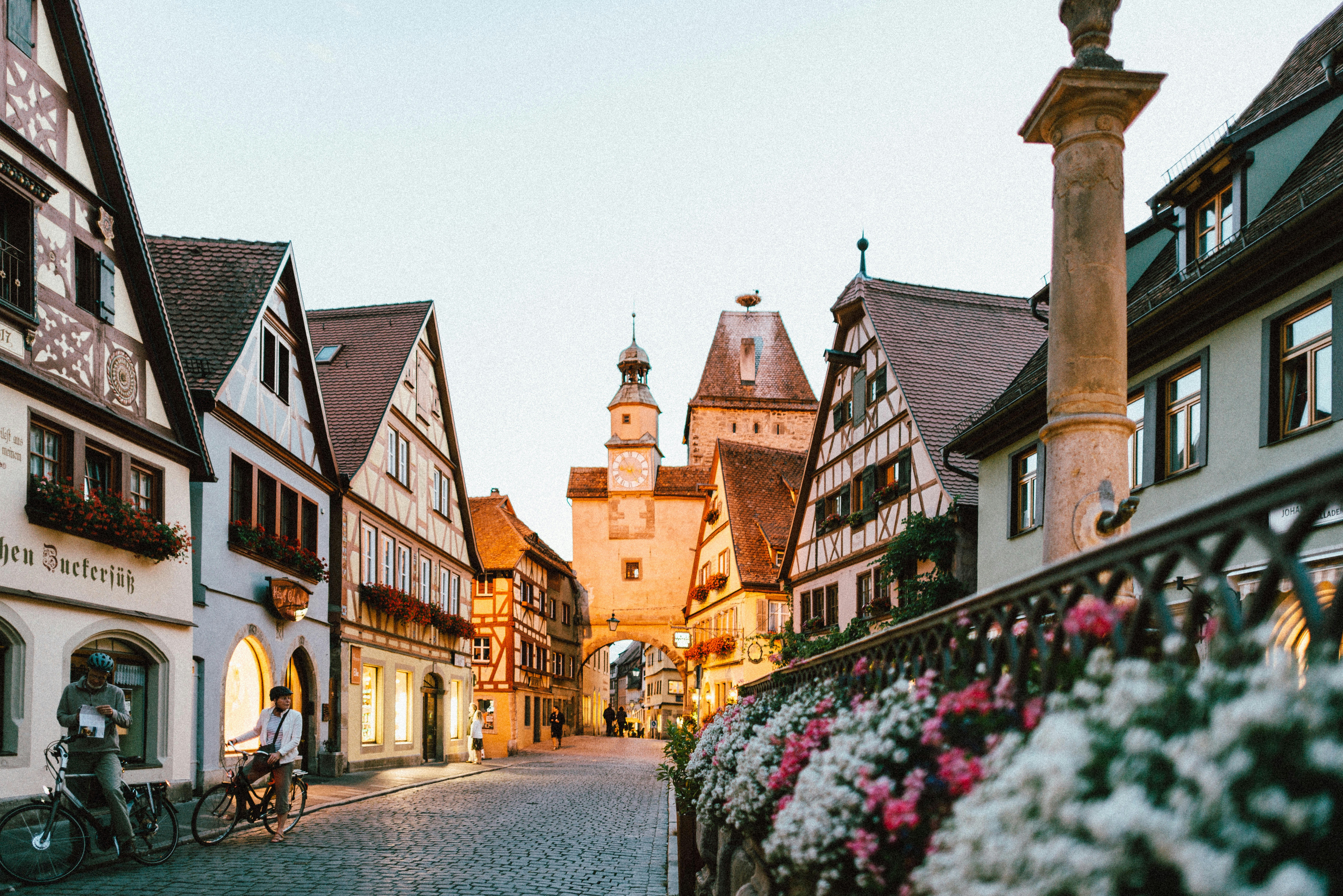
When planning a summer trip to Europe, it’s tempting to zero in on the big names—London, Paris, and Rome. These cities are icons for a reason, but they’re also some of the most expensive and crowded choices, especially in peak season. Hotel rates and daily costs can be significantly higher in these hubs, and popular attractions often come with long lines and premium pricing. According to the European Travel Commission, these major cities see the sharpest visitor spikes each summer, which can also make for a more hectic experience.
If you’re looking to balance your budget and avoid the crowds, it’s worth considering alternative destinations. Portugal’s Porto or Lisbon, cities in Eastern Europe like Budapest or Kraków, and Balkan gems such as Ljubljana or Tirana, all offer rich culture and vibrant food scenes—often at a fraction of the cost. I’ve found that a week in Budapest can cost much less than a similar stay in Paris, and the overall pace feels more relaxed and authentic.
Another strategic move is to look beyond the big-city airports. Flights into regional hubs or secondary airports—think Porto instead of Lisbon, or Bologna instead of Rome—can be much cheaper, especially with low-cost carriers. Sometimes, the savings on airfare alone make it worth pivoting your itinerary. I’d compare both options before choosing, particularly if you’re open to a less conventional route.
If you want more inspiration for wallet-friendly destinations, check out our article on affordable alternative European destinations for ideas that go beyond the usual tourist trail.
Best Tools for Summer Flight Deals

Finding the lowest fares to Europe in summer isn’t just about luck—it’s about using the right tools. Price alert systems like those on Google Flights or Skyscanner let you track specific routes and get notified when prices drop. I always start by setting up alerts on these platforms for my preferred destinations and dates, then check them daily to spot sudden dips.
Fare comparison sites are essential for getting a real sense of what’s out there. I usually run the same search on several platforms—Google Flights for broad overviews, Skyscanner for flexible dates, and cheapfareguru.com for deal-focused results. This cross-checking helps me spot if one site is missing a promo or if taxes and fees are different.
Flexible Date and Multi-City Tools
Using flexible date calendars is one of my favorite tricks. Most comparison engines let you view fares across an entire month, making it easy to see if flying out just a day earlier could save you a lot. Multi-city search features are also handy if you plan to visit more than one destination—sometimes, booking a multi-stop ticket is cheaper than separate one-ways.
Watch Out for Hidden Fees
One thing I’ve learned: always check the fine print on third-party booking sites. Some platforms show a low upfront fare but tack on extra service fees or baggage costs at checkout. I recommend comparing the final price—including all taxes and fees—before you commit. For a deeper dive, see our guide on how to use fare alerts for cheaper travel.
Booking Accommodation for Peak Season

Finding a place to stay in Europe’s summer rush can be a real challenge, but booking early often unlocks the best rates and widest selection. I’ve learned the hard way that waiting too long can mean either overpaying or scrambling for last-minute options far from the city center. Most reputable sites like Booking.com and Hostelworld make it easy to compare hotels, hostels, and guesthouses, and I usually recommend checking these platforms first for early-bird deals.
When reserving, you’ll usually face a choice between flexible (cancellable) and prepaid (nonrefundable) rates. Flexible bookings tend to cost a bit more, but the peace of mind is worth it—especially if your plans might change. Prepaid rates can save you money, but you’re locked in, so always double-check the fine print for hidden fees or strict cancellation policies before you commit.
If hotels are booked up or prices are sky-high, consider alternatives like hostels, guesthouses, vacation rentals, or even university dorms (many open their rooms to travelers in summer). These options not only stretch your budget but often deliver a more local experience. For more ideas on how to save, I’d suggest checking out this resource on saving money on European hotels.
Peak-Season Transport and Rail Tips

Traveling around Europe during summer means dealing with big crowds and fast-rising prices, especially for trains and buses. I’ve learned that the key to moving efficiently is booking high-speed train tickets as early as possible—sometimes even three months out. Last-minute fares can be double what you’d pay with advance planning, particularly on popular routes like Paris–Amsterdam or Rome–Florence.
Book Trains and Buses Early
For trains, start with official country sites or the Eurail platform. Many routes open for booking 60–90 days ahead, and the best fares disappear quickly in summer. Intercity buses like FlixBus or BlaBlaCar Bus can be a budget-friendly backup, but they also fill up fast during school holidays. I usually compare both train and bus options before committing, especially if my plans are flexible.
Discount Cards and Regional Passes
National rail discount cards (like France’s Carte Avantage) or city/regional passes can offer real savings if you’re making multiple trips in one country. For multi-country journeys, check out our Guide to Europe’s best rail passes to see if a global or select pass fits your route. Always read the fine print—some passes require seat reservations, which can sell out in peak season.
When Flights or Cars Make Sense
Regional flights—bookable on sites like Eurowings—can save you time on longer jumps, such as Madrid to Berlin, where the train ride would eat up a full day. Car rentals are best for rural areas or regions with infrequent public transport. I’d compare total travel time and cost before choosing, since summer road traffic and parking can be tricky in tourist hotspots.
Expect Delays and Crowds
Even with careful planning, summer brings packed platforms, busy highways, and some delays—especially on weekends and holidays. Arrive early for departures, and have digital or printed tickets ready. I always keep a backup route in mind in case connections don’t work out as planned.
How To Build a Realistic Itinerary

It’s tempting to squeeze as many cities as possible into your summer Europe trip, but I’ve learned over the years that less really is more—especially when the weather is hot and crowds are thick. Instead of racing from one must-see to the next, I now focus on just two or three regions, giving myself time to actually enjoy each place and avoid travel burnout.
Trip Length and City Choices
For a one-week trip, I’d recommend picking a single country or two neighboring cities—think Paris and Amsterdam or Florence and Rome. For two weeks, you can comfortably see about three regions, such as southern France, northern Italy, and western Switzerland. Trying to visit five or six cities will only leave you exhausted and stuck in transit.
Smart Use of Travel Tools
Use travel time calculators like Rome2Rio to check realistic train, bus, or flight durations. I usually build in extra buffer time for delays and spontaneous stops. Apps like Google Maps or DB Navigator are also handy for checking connections and walking distances between attractions.
Sample Itinerary Skeletons
- One week: Arrive in Paris (3 nights), train to Lyon (2 nights), finish in Geneva (2 nights).
- Two weeks: Start in Barcelona (4 nights), train to Provence (4 nights), continue to Florence (4 nights), wrap up in Rome (2 nights).
Adjust for Interests and Events
Leave some open days for spontaneous discoveries—summer festivals, a local market, or a last-minute day trip. If you’re interested in unique stopovers, check out our guide on making the most of stopovers in Europe for more ideas. I find that these unplanned moments often become the highlights of my trips.
Saving on Food and Attractions

Summer in Europe can stretch your travel budget, especially when it comes to meals and sightseeing. One of my favorite ways to save is by picking up lunch at a bustling street food market—like the time I grabbed a fresh baguette and cheese in Paris for a picnic by the Seine. City sightseeing cards, such as the London Pass or Paris Museum Pass, can also be a smart move if you plan to visit several attractions. These passes typically cover entry to dozens of museums and landmarks for one upfront cost, often including skip-the-line privileges, which is a real bonus during peak season. However, I’d compare the cost of a pass against your actual sightseeing plans, as single tickets may be cheaper if you only want to see a few highlights.
Don’t overlook free or discounted admission days—many major museums and galleries set aside specific times when entry costs nothing. I usually recommend checking official city tourism sites for these details, since they change seasonally. For more inspiration, you can also check out our guide to top free things to do in Europe’s major cities.
For meals, local markets and small cafés are your friend. You’ll often find filling options for about $7.00, and picking up picnic supplies from a supermarket lets you eat well for less. In popular destinations, restaurants book up fast in summer, so making a reservation can help you avoid overpriced tourist traps and long waits.
Sample Daily Europe Travel Costs

Estimating your daily travel budget for Europe in summer can help you avoid surprises and make smarter choices when booking. Below is a sample table showing typical daily costs per person in U.S. dollars, divided by budget, mid-range, and luxury travel tiers. These values reflect what I’ve used in my own trip planning—having a clear table like this makes it much easier to prioritize spending and avoid overspending on the road.
| Budget | Mid-range | Luxury | |
|---|---|---|---|
| Accommodation | $40.00 | $110.00 | $300.00 |
| Food | $20.00 | $50.00 | $120.00 |
| Transport | $15.00 | $35.00 | $80.00 |
| Activities | $15.00 | $40.00 | $100.00 |
Keep in mind, these are ballpark figures for a typical Western or Central European city in peak summer. Your actual costs can shift depending on country, city, and your travel style. I recommend using this table as a starting point, then adjusting for your own itinerary and priorities.
Summer Europe Booking FAQs Answered
- When should I book flights for summer Europe travel?
For summer Europe travel, booking flights about two to three months in advance is usually wise. Prices can rise quickly as summer approaches, so locking in your tickets early can help you avoid higher fares. I always recommend setting price alerts to track deals as soon as your dates are set.
- Which European destinations are most affordable in summer?
Eastern European cities like Budapest, Krakow, and Bucharest often offer better value during summer compared to Western capitals. These destinations typically have lower accommodation and food costs, and flights can be more budget-friendly. Consider smaller cities or less touristy regions for even more savings on your summer Europe travel.
- How can I find accommodation during peak summer season?
Book accommodation as early as possible, especially in popular cities. If hotels are filling up, look at hostels, guesthouses, or short-term rentals for more options. Flexible dates or staying just outside city centers can help you find better rates. I’d compare several booking sites before making a final decision.
- What’s the best way to save on train travel in Europe?
Booking train tickets well in advance can save you money, especially for high-speed routes. Consider rail passes if you’ll travel between several countries, but compare the total cost to individual tickets. Local trains are often cheaper, so check both options before buying. Always double-check cancellation policies before you book.
- How do I handle crowds during summer Europe travel?
To avoid the biggest crowds, visit major sights early in the morning or late in the afternoon. Try exploring less-visited neighborhoods or secondary attractions. Pre-booking tickets for museums and landmarks can save you time in line. For packing tips, check out our Europe packing guide for summer before you go.
- How should I budget for a summer trip to Europe?
Start with your biggest expenses: flights, accommodation, and transport. Build in daily costs for food, activities, and local transit. I suggest adding a buffer for unexpected expenses. You can find flight deals on cheapfareguru.com to help stretch your budget further during peak summer travel.
Final Tips for Summer Travel Success
Before you wrap up your summer Europe travel plans, remember the two strategies that make the biggest difference: book early when you can and double-check all your details before hitting purchase. I always find that anticipating summer adventures is half the fun, especially when I know I’ve covered the basics.
Peak season means things can change quickly, so staying flexible—whether with your dates or your destination—often leads to better deals and less stress. Starting your search with reliable tools and a clear plan sets the right tone for a memorable trip. If you’re looking for more inspiration or want to fine-tune your itinerary, our destination planning guides are a helpful next step.