
What Is Día de Muertos?
Día de Muertos, or Day of the Dead, is a vibrant Mexican holiday that honors the memory of loved ones who have passed away. Its roots stretch back to indigenous Aztec traditions, where rituals celebrated the cyclical nature of life and death long before Spanish colonization. Over centuries, these native beliefs blended with Catholic influences to form the modern holiday observed on November 1st and 2nd.
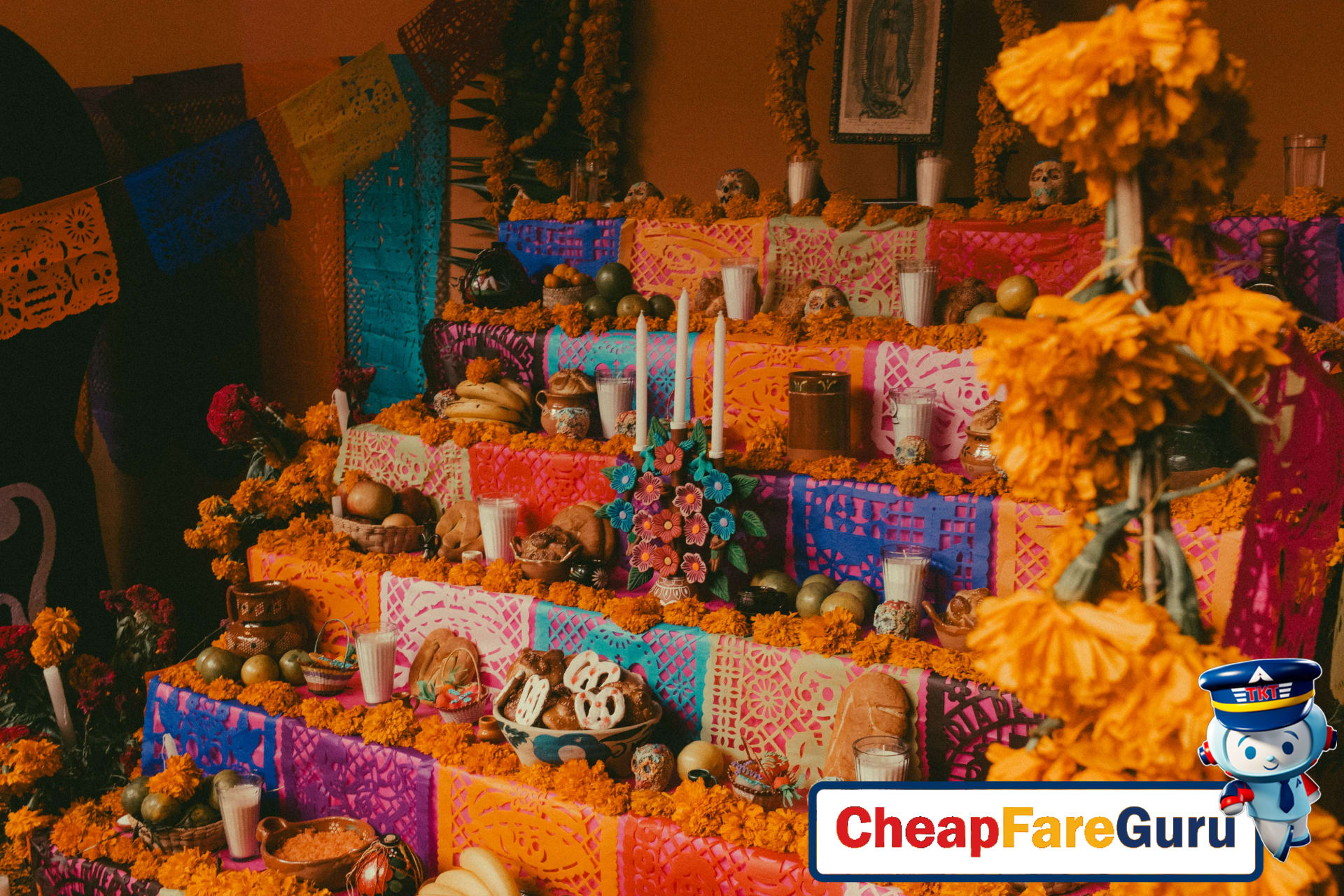
Unlike Halloween, which often focuses on spooky costumes and fright, Día de Muertos is about joyful remembrance. Families create ofrendas—beautiful home altars decorated with photos, candles, marigolds (known as cempasúchil), sugar skulls (calaveras), and favorite foods of the departed. These offerings are meant to welcome spirits back for a brief visit. Colorful papel picado banners flutter in the breeze, adding a festive touch to homes and cemeteries.
When I first learned about the meaning behind Día de Muertos, it completely changed how I viewed the holiday. Instead of seeing it as a morbid event, I came to appreciate its deep sense of connection, celebration, and respect for ancestors. The tradition is so meaningful that UNESCO recognized it as an Intangible Cultural Heritage of Humanity—learn more from Mexico’s Ministry of Culture.
If you’re interested in joining local celebrations, understanding the core symbols and their significance can help you engage more respectfully. For practical language tips, check out our guide on Essential Spanish Phrases for Travelers.
Best Cities for Día de Muertos

If you’re planning a trip to experience Día de los Muertos, a few cities truly stand out for their vibrant traditions and unique celebrations. I’ve always been drawn to Oaxaca—its mix of elaborate parades, glowing cemetery vigils, and intricate sand tapestries makes it my personal favorite for the holiday. No matter where you go, you’ll find each city puts its own spin on the festivities, but some destinations are especially memorable.
Oaxaca’s Unforgettable Traditions
Oaxaca is famous for its lively parades, called comparsas, that fill the streets with music, dancers, and costumed revelers. The city’s sand tapestries, or tapetes de arena, are works of art created right on the sidewalks. At night, locals and visitors gather in cemeteries, lighting candles and sharing stories with loved ones. For event dates and more details, I recommend checking the official Oaxaca tourism site before you go.
Mexico City’s Grand Processions
Mexico City hosts the Mega Procession, an enormous parade featuring giant skeleton puppets and hundreds of performers. The National Museum of Popular Culture offers special exhibits and workshops during the holiday. If you’re flying in, Mexico City’s international airport makes access easy, but I’d compare flight prices on cheapfareguru.com for the best deals.
Pátzcuaro’s Lakefront Rituals
Pátzcuaro is known for its mesmerizing candlelit ceremonies, especially on the lake’s islands. On Janitzio, locals travel by boat to decorate graves, sing, and hold all-night vigils. It’s a quieter but deeply moving experience. Flights to Morelia, the nearest airport, are usually the best bet, followed by a bus or car ride to Pátzcuaro.
Lesser-Known Destinations Worth Visiting
Mixquic, on the edge of Mexico City, transforms into a sea of marigolds and candles, with families gathering in the cemetery for traditional rituals. Janitzio Island, mentioned above, is legendary for its nighttime processions and is a great choice if you want a more intimate celebration. Both spots fill up quickly, so plan ahead.
For more advice on finding affordable airfare, check out our guide on saving money on flights to Mexico—I usually recommend booking early, especially for these popular holiday destinations.
Essential Día de Muertos Traditions

During Día de Muertos, you’ll notice vibrant altars—called ofrendas—set up everywhere from homes and shops to cemeteries. These altars are decorated with marigolds, candles, photos, and favorite foods of loved ones who have passed. I was surprised by how welcoming families can be when visitors respectfully observe or even help place an offering, but I always make sure to ask before joining in.
Public Parades And Vigils
Many towns host lively parades with giant skeleton puppets, music, and dancers in painted skull masks. After dark, cemeteries often fill with families holding candlelit vigils, sharing stories, and sometimes even picnicking among the graves. If you visit, remember these are deeply personal gatherings—observing quietly and following the lead of locals is the best way to show respect.
Food, Drink, And Street Treats
No visit is complete without tasting pan de muerto, a sweet, orange-scented bread baked especially for the holiday. You’ll also find traditional atole (a warm, spiced drink) and plenty of street vendors selling sugar skulls and tamales. If you’re curious about local specialties beyond the holiday, I’d check out our guide to Mexico’s Best Street Foods for more ideas.
How To Participate Respectfully
As a guest, your curiosity is welcome, but always ask before taking photos of people or private altars. When invited to join an activity—like placing a candle or sharing a meal—accept graciously and follow the host’s example. Small gestures, like bringing flowers or a simple offering, are appreciated if you’re invited to a vigil or home altar.
Planning Your Festive Trip to Mexico

If you want to experience Día de los Muertos at its most vibrant, plan to arrive in Mexico between October 28 and November 2. These dates capture the heart of the festivities, from grand parades to intimate cemetery vigils. I learned the hard way that arriving too late means missing the build-up, so I always recommend flying in a day or two before events begin—especially if you’re heading to cities like Mexico City, Oaxaca, or Pátzcuaro, where celebrations are especially lively.
Booking Flights and Saving Money
Día de los Muertos is a peak travel period, so flight prices can climb quickly as the dates approach. From what I’ve seen, fares start rising as early as late summer. I usually set up fare alerts several months ahead using tools like cheapfareguru.com and keep an eye on flexible date options. For more strategies, check out our guide on Best Times to Book Flights for Holidays.
Getting Around During Festival Days
Local transport can get crowded, especially in festival hotspots. In big cities, metro and bus services often run late, but expect packed vehicles and occasional route changes. For intercity travel, book your bus tickets in advance through companies like ADO. I always double-check schedules, since festival traffic can mean delays or modified routes.
Packing List for Festival-Goers
- Comfortable walking shoes (expect lots of standing and parades)
- Light layers for cool evenings
- Rain jacket or compact umbrella (late October can bring showers)
- Small daypack for water, snacks, and souvenirs
- Face paint or floral headbands (if you want to join in the dress-up)
- A portable phone charger for photos and navigation
Día de Muertos Cultural Etiquette Guide

Participating in Día de Muertos is a privilege, and showing respect is key to a meaningful experience. When visiting cemeteries or attending parades, dress modestly—think subdued colors and comfortable shoes. Avoid flashy costumes unless you’re at a designated parade. I once saw a visitor turn heads for the wrong reasons by wearing a Halloween-style mask at a cemetery, which really highlighted how out-of-place that can feel.
When interacting with locals during rituals, observe first before joining in. If you’re invited to place flowers or light a candle, accept graciously, but don’t assume you can participate in every activity. Gifts like marigolds or candles are appreciated, especially if you offer them with a simple “gracias.” Always ask before taking photos of people or altars—privacy is valued, and some families prefer to keep these moments intimate.
Common mistakes include treating the celebration like a party or being overly intrusive with cameras. Remember, this is a time of remembrance for families. If you’re unsure about a gesture or custom, it’s better to watch quietly and follow the lead of locals. For a broader sense of respectful behavior, I’d recommend reading up on Polite Customs in Latin America before your trip.
Budget Guide for Day of the Dead Travel

Traveling to Mexico for Día de los Muertos can be surprisingly affordable if you know where to trim costs. I’ve found that staying in guesthouses, eating at local markets, and using public transport make a huge difference—especially during festival season when prices can spike. Here’s a realistic daily cost breakdown for three different travel styles, based on 2024 data for popular Mexican destinations:
| Budget | Mid-range | Luxury | |
|---|---|---|---|
| Accommodation | $25.00 | $80.00 | $220.00 |
| Food | $12.00 | $35.00 | $90.00 |
| Transport | $6.00 | $20.00 | $60.00 |
| Activities | $10.00 | $30.00 | $70.00 |
If you’re watching your wallet, there’s lots of value to be found. Budget travelers can keep daily expenses around $53.00 by choosing shared rooms, street food, and free or low-cost cultural events. I always suggest booking flights early and checking out cheapfareguru.com for their guide on finding cheap flights to Mexico—this can be a game changer for your total budget.
For mid-range travelers, private rooms and a few sit-down meals offer comfort without going overboard. Luxury travelers can expect higher costs for premium hotels, private drivers, and exclusive tours, especially during the festival. No matter your style, planning ahead helps you avoid inflated last-minute prices.
Packing List for Día de Muertos

Getting your packing list right for Día de Muertos in Mexico means balancing comfort, respect, and practicality. The weather in late October and early November can swing from warm days to cool evenings, especially in central regions like Mexico City or Oaxaca. I never travel for Día de los Muertos without a lightweight scarf—it’s perfect for layering when temperatures drop at night or for a touch of respectful coverage when visiting cemeteries or family altars.
Essential Clothing and Footwear
Pack breathable shirts, a warm sweater or jacket, and comfortable pants or skirts. Sturdy, broken-in walking shoes are a must for festival parades and exploring markets. I’d also include a rain jacket or compact umbrella, as showers are possible. For women, a shawl or pashmina is handy for both warmth and modesty.
Cultural and Respectful Dress
While the festival is colorful, locals often dress modestly when visiting cemeteries or attending religious ceremonies. Avoid flashy costumes unless you’re joining a parade. Opt for neat, respectful attire—think covered shoulders and longer skirts or pants. Traditional embroidered blouses or shirts are always appreciated and make for wonderful souvenirs, too.
Packing for Altars and Souvenirs
If you plan to participate in building an ofrenda (altar), bring small, meaningful items from home—photos, favorite snacks of a loved one, or a compact candle. Leave room in your luggage for souvenirs like sugar skulls, papel picado, and local crafts. I always pack a foldable tote for these finds.
Tech, Money, and Safety Items
Bring a universal charger, portable power bank, and a printed copy of your itinerary. Cash is preferred at markets and small vendors, so carry small bills in an anti-theft crossbody bag. A copy of your passport and emergency contact numbers is wise. For more packing safety details, I recommend checking the U.S. Embassy Mexico’s travel overview.
Luggage Tips for Festival Hopping
Opt for a medium-sized rolling suitcase or a sturdy backpack if you’ll be traveling between cities. Keep valuables close and pack a small daypack for essentials during festival outings. For more on practical packing, see our guide on Travel Gear Essentials for Latin America.
Frequently Asked Día de Muertos Questions
- What is Día de los Muertos and why is it celebrated?
Día de los Muertos, or Day of the Dead, is a Mexican holiday honoring deceased loved ones. Families create colorful altars, offer favorite foods, and gather at cemeteries to remember those who have passed. The celebration blends Indigenous traditions with Catholic influences, focusing on joyful remembrance rather than mourning. I often get questions about its unique mix of reverence and festivity.
- Where are the best places to celebrate Day of the Dead in Mexico?
Some of the most memorable celebrations take place in Mexico City, Oaxaca, and Pátzcuaro. Mexico City hosts large parades, while Oaxaca is known for elaborate sand tapestries and local rituals. Pátzcuaro’s lakeside cemeteries are especially atmospheric. For more festival inspiration, check out our FAQ on Top Festivals in Mexico.
- Do I need to buy tickets for parades or cemetery events?
Most public parades and cemetery gatherings during Día de los Muertos are free and open to everyone. However, some museums, guided tours, or special performances may require tickets. It’s a good idea to check official event pages or the VisitMexico Day of the Dead FAQ for details if you want to attend something specific.
- How do I respectfully participate in local rituals as a visitor?
Be observant and follow locals’ lead, especially in cemeteries and during altar visits. Ask before taking photos of people or altars, and avoid loud or disruptive behavior. Bringing a small offering, like flowers, shows respect. In my experience, a little cultural sensitivity goes a long way to being welcomed at these events.
- What should I wear to Día de los Muertos events?
Comfortable shoes and weather-appropriate clothing are best, since you’ll likely be walking and standing for hours. Many locals wear traditional attire or paint their faces as calaveras, but visitors aren’t expected to dress up. If you do, keep it tasteful and avoid costumes that could be seen as disrespectful.
- When are the main dates for Day of the Dead celebrations in Mexico?
Main festivities occur on November 1 and 2. November 1 is typically dedicated to children who have passed, while November 2 focuses on adults. Some places start preparations or hold events in late October, but the heart of the celebration is those two days. Plan your visit accordingly to catch the highlights.
- Is Day of the Dead safe for tourists to attend?
Most Day of the Dead events in major cities and towns are well-attended and generally safe for tourists. Like any crowded festival, keep an eye on your belongings and stick to well-lit areas at night. Local authorities usually provide extra security during major festivities to ensure everyone enjoys the experience.
Making Your Día de Muertos Trip Memorable
Experiencing Día de los Muertos in Mexico offers travelers a rare window into vibrant traditions, heartfelt remembrance, and community spirit. The most rewarding moments often come from engaging with local customs—whether that’s watching candlelit altars flicker at dusk or joining respectful celebrations in the town square. Supporting local artisans and small businesses also helps ensure your visit benefits the community hosting you.
To get the most out of the festival, I’d recommend planning early—accommodations and events fill up quickly, and a little preparation goes a long way toward a richer, more relaxed trip. If you’re curious about affordable options, cheapfareguru.com can help you explore flight deals and plan your journey around the holiday season.
Personally, I hope my next Día de Muertos trip brings even deeper connections and new discoveries. Traveling with openness and respect always leads to the most memorable experiences.