
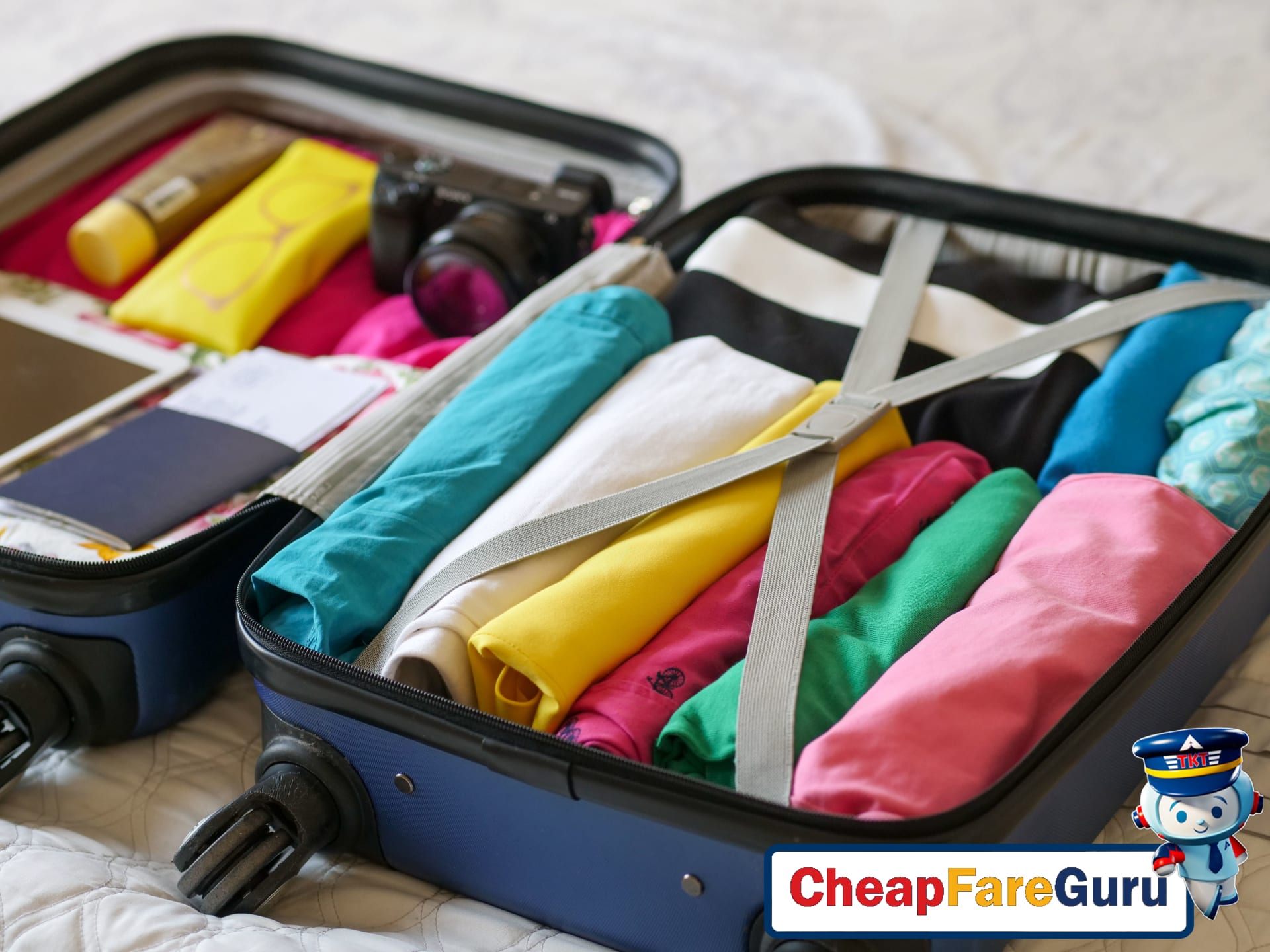
Why Packing Cubes Matter For Every Traveler

Every traveler knows the frustration of digging through a messy suitcase, trying to find that one shirt or pair of socks. Overpacking, wrinkled clothes, and last-minute repacking at airport security are common headaches, whether you’re a frequent flyer or heading out on your first big trip. That’s where packing cubes can make a real difference.
Packing cubes are simple zippered fabric containers that help keep your bag organized. By grouping clothes and accessories by type or activity, you can instantly see what you have and avoid rummaging through your luggage. In my experience, packing cubes have cut my unpacking time in half — I just pull out the cube I need and everything’s in order.
One of the biggest advantages of packing cubes is how they save space. By compressing clothes, cubes help you fit more into your suitcase without the chaos of loose items. This can mean the difference between traveling with a carry-on or paying for a checked bag. According to travel expert Rick Steves, packing cubes not only maximize space but also make it easier to keep your items neat and accessible throughout your journey.
Packing cubes also streamline airport security and hotel stays. If you’re asked to open your bag at security, you can quickly lift out a cube instead of exposing your entire wardrobe. At your destination, cubes make it easy to unpack or live out of your suitcase without everything getting mixed up. This efficiency can help you avoid unnecessary baggage fees — for more practical tips, check out our article on How to Avoid Airline Baggage Fees.
For budget-conscious travelers who value organization, packing cubes are a small investment that pays off in saved time, less stress, and fewer surprises at the airport. They’re one of those travel tools that I now consider essential for every trip.
How To Use Packing Cubes Effectively

Packing cubes can turn a chaotic suitcase into a streamlined travel kit, but only if you use them right. I learned the hard way that tossing everything in randomly just wastes space. Here’s how to get the most out of your cubes, step by step, so you can pack smarter for any trip.
Choose Cube Sizes Wisely
Start by picking a mix of small, medium, and large cubes. I realized rolling shirts in small cubes worked best for me, while larger cubes are great for bulkier items like sweaters or jeans. For a weekend carry-on, two small and one medium cube usually cover the essentials, but if you’re checking a bag, add a large cube for extra layers or shoes.
Sort By Category, Not Just Size
Assign each cube a category: tops, bottoms, underwear, or even tech gear. Shoes should go in a dedicated, wipeable cube or shoe bag to keep dirt off your clothes. Use a slim cube for toiletries—just make sure your liquids meet TSA’s official carry-on rules. This way, you’ll know exactly where everything is when you arrive.
Folding vs. Rolling: What Works Best
Inside packing cubes, rolling tends to save more space and keeps clothes less wrinkled. I usually roll t-shirts and workout clothes, but fold dress shirts or structured pants to avoid hard creases. Try both methods to see what fits your packing style and suitcase best.
Layout Strategies For Any Bag
For carry-on bags, stack cubes vertically so you can pull one out without disturbing the rest. In checked luggage, lay cubes flat and fill gaps with smaller items like socks or chargers. If you’re going carry-on only, check out our detailed What to Pack in Carry-On Only guide for more ideas.
Comparing The Best Packing Cube Brands

Packing cubes can make a huge difference in how organized your suitcase feels, but not all brands are created equal. I’ve spent a lot of time comparing premium and budget sets, and I’ve found the cheaper options sometimes lack sturdy zippers or reinforced seams—details that matter when you’re packing for a long trip. Here’s a side-by-side look at some of the most popular packing cube brands to help you choose what fits your travel style and budget.
Eagle Creek Packing Cubes
Eagle Creek is well-known for durability and thoughtful design. Their cubes use high-quality, lightweight ripstop fabric and strong YKK zippers. Most sets include a mix of sizes and have mesh tops for ventilation and easy identification. They’re a favorite among frequent travelers who want gear that lasts. You can check out their full line on the Eagle Creek website.
Amazon Basics Packing Cubes
For travelers on a budget, Amazon Basics offers solid value. The materials aren’t as rugged as premium brands, but the cubes are lightweight and functional, with mesh panels and basic zipper pulls. They’re a good starter set if you want to try packing cubes without spending a lot—just be aware that the zippers may not hold up to heavy use.
Tripped Travel Gear Cubes
Tripped Travel Gear stands out for its minimalist design and compression features. These cubes are made with durable polyester and feature double zippers to help you compress clothes and save space. The clear labeling and variety of sizes make them a great mid-range choice for travelers who want a balance of quality and price. See details on their Amazon listing.
eBags Packing Cubes
eBags has long been a favorite for their wide color selection and sturdy construction. Their cubes use high-denier nylon, reliable zippers, and mesh tops. They’re a bit heavier than some brands but offer excellent longevity. If you travel often and want cubes that will survive years of trips, eBags is a solid investment.
Which Brand Fits Your Budget?
- Budget: Amazon Basics—good for infrequent travelers or light packers.
- Mid-range: Tripped Travel Gear—compression and durability without premium pricing.
- Luxury: Eagle Creek or eBags—built for frequent flyers who want gear that lasts.
What To Look For In Packing Cubes
- Sturdy zippers (preferably YKK or similar quality)
- Reinforced seams and durable fabric
- Mesh tops for visibility and ventilation
- Variety of sizes to fit your packing style
If you’re looking to round out your travel kit, I’d also recommend checking our Best Budget Travel Accessories guide for other affordable gear ideas.
Packing Cubes For Different Types Of Trips

Packing cubes aren’t just for the ultra-organized—they’re a real asset for nearly every kind of traveler. Whether I’m heading out solo for a quick weekend or packing up the whole family for a week-long adventure, my approach to using cubes changes with the trip. For short weekend trips, I use one or two cubes total and keep things minimal. But when traveling with kids or planning a longer stay, I rely on a more strategic setup.
Family Travel Packing Strategies
For families, packing cubes can be a lifesaver. I’ve found that assigning a different color cube to each family member makes it easy to keep everyone’s clothes and accessories separate. Smaller cubes work well for kids’ clothes, while larger ones can hold bulkier adult items. This method also helps at your destination—no more digging around for a missing sock or favorite t-shirt. If you’re looking for more ideas, check out our Family Packing List Essentials guide for a detailed checklist.
Solo and One-Bag Travel
When I travel alone, especially with just a carry-on, I downsize my cube setup. One medium cube for clothes and a smaller one for underwear and electronics usually does the trick. Rolling clothes inside the cubes saves extra space, and I can easily pull out just what I need at security or during layovers.
Packing Cubes For Business Trips
Business travelers can use cubes to keep workwear crisp and separate from casual clothes. I like to dedicate one cube to shirts and trousers, another to workout gear, and a slim cube for chargers and cords. This way, it’s easy to unpack quickly and keep everything neat in a hotel room or briefcase.
Long-Term and Backpacker Cube Use
For long-term trips or backpacking, packing cubes help you stay organized through frequent moves. I’d recommend using cubes to group items by category—one for tops, one for bottoms, another for toiletries. Compression cubes can be helpful if you need to fit more into a single backpack or suitcase.
- Color-coding cubes for each traveler or category
- Using small cubes for kids’ socks and underwear
- Keeping electronics and chargers in a dedicated mini-cube
Packing Cubes Versus Compression Bags

If you’re deciding between packing cubes and compression bags, it helps to know what each one does best. Packing cubes are all about keeping your suitcase organized. They’re great for grouping clothes by type or outfit, making it easy to find what you need without digging through your bag. Compression bags, on the other hand, focus on saving space by squeezing air out of bulky items—think jackets, sweaters, or even extra bedding.
Key Differences and Best Uses
Packing cubes generally win for organization and keeping things neat. In my experience, cubes are ideal for trips where you want to avoid wrinkling clothes—like business travel or city breaks—since they let you fold or roll garments with minimal pressure. Compression bags are unbeatable when you need to fit large, puffy items into a small space, but they can leave clothes more wrinkled and aren’t the best for delicate fabrics or anything that needs to hold its shape.
If you’re packing fragile items, cubes add a layer of protection and help prevent shifting. Compression bags, by their very nature, press everything tightly together, so I avoid using them for anything that could be crushed or damaged. For efficiency, compression bags make sense for outerwear or spare linens, while cubes shine for everyday clothes and keeping your bag tidy throughout your trip.
Combining Both for Maximum Efficiency
Many travelers use both tools together: cubes for organizing shirts, pants, and undergarments, and one compression bag for a bulky jacket or sweater. I usually recommend this hybrid approach for international trips, especially if you’re trying to avoid checked bag fees or want to pack light. For more strategies on minimizing your luggage, check out our tips on Packing Light for International Flights.
For a real-world demonstration, travel blogger Ali Garland has a helpful video comparing these tools side by side, showing exactly how much space you can save and how each affects your clothes. Seeing them in action can help you decide what will work best for your own packing style.
Travel Budget Impact Of Packing Cubes

Packing cubes might seem like a small upgrade, but they can make a real difference for budget travelers trying to avoid extra airline fees. By compressing your clothes and organizing your essentials, these cubes let you fit more into a smaller suitcase or backpack. That can be the difference between traveling with just a carry-on or getting hit with a checked bag fee.
One of the biggest ways packing cubes help your wallet is by reducing the temptation to overpack. When you see everything neatly organized and contained, it’s easier to stick to what you actually need. Airlines are strict about both size and weight limits, and exceeding either can mean paying around $35.00 or more for a checked bag—sometimes even higher, depending on the airline and route. For up-to-date baggage fees and rules, I usually check resources like United’s baggage policy page before packing.
On my last budget trip, packing cubes helped keep my backpack within carry-on size, and I avoided paying an extra checked bag fee at the airport. That single decision saved me about $40.00, which easily covered the cost of a decent set of packing cubes (typically around $25.00 for a basic set). If you travel a few times a year, those savings add up quickly.
For solo travelers, the math is simple: if packing cubes help you fit everything into a carry-on, you can skip checked baggage entirely. For families or groups, cubes make it easier to share larger suitcases and avoid paying for multiple checked bags. It’s a strategy that fits right in with the cheapfareguru.com approach—every dollar you don’t spend on unnecessary fees is a dollar you can put toward your next flight or experience.
Packing Cubes Impact Travel Budgets

Efficient packing with cubes doesn’t just keep your bag tidy—it can save real money across your whole trip. By fitting more into a carry-on, you might avoid checked bag fees, and that extra cash can go toward food, activities, or a better room. I budget about $25.00 for good cubes and it’s paid off in airline savings more than once. Here’s a sample budget table showing how packing cubes can influence spending for three different travel styles:
| Budget | Mid-range | Luxury | |
|---|---|---|---|
| Accommodation | $40.00 | $110.00 | $260.00 |
| Food | $18.00 | $45.00 | $120.00 |
| Transport | $12.00 | $28.00 | $70.00 |
| Activities | $10.00 | $35.00 | $90.00 |
Notice how transport costs are lower for budget travelers—often because packing cubes help you avoid checked luggage, making public transit or basic flights easier and cheaper. If you want more detailed breakdowns, check out our Sample Travel Budget Guides for different destinations and trip lengths.
Most-Asked Packing Cube Questions, Answered
- Are packing cubes really worth it for travel?
Packing cubes are a practical way to keep your suitcase organized and make it easier to find clothes quickly. They work especially well for travelers who want to maximize carry-on space or keep outfits separated. If you value organization, packing cubes are a simple addition that can make packing and unpacking less stressful.
- Which types of packing cubes work best?
Most packing cubes are made from lightweight nylon or polyester fabrics, which are both durable and easy to clean. Mesh panels help with ventilation and visibility. I’d recommend starting with a set of three sizes—small, medium, and large—so you can experiment and see which fits your travel style best.
- Do packing cubes save space in your suitcase?
Packing cubes can help compress clothing, but the real savings come from keeping items tightly grouped and preventing wasted space. Rolling clothes inside cubes often fits more than folding. For more tips on efficient packing, check out our guide to the Best Travel Gear for Beginners.
- How do you clean packing cubes after a trip?
Most packing cubes can be machine washed on a gentle cycle with mild detergent. Personally, I always air dry my packing cubes after laundering them to prevent any shrinkage or damage. Always check the care label before washing, since some cubes with mesh or zippers may need extra care.
- Are packing cubes a good fit for all types of trips?
Packing cubes work well for most trips, including weekend getaways, business travel, and long vacations. They’re especially handy for multi-destination journeys where you’ll be repacking frequently. However, for ultra-light backpacking, some travelers prefer stuff sacks or compression bags for maximum space savings.
- Where can I find reliable packing cube reviews?
For honest feedback, I usually recommend checking third-party product reviews on sites like Amazon or reading travel forums such as Reddit’s r/onebag. These sources offer real-world pros and cons, so you can compare brands, materials, and features before buying a set of packing cubes.
Packing Cubes: My Go-To Packing Upgrade
Packing cubes have become my secret weapon for keeping luggage organized and making the most of every inch of space. They’re simple, but the difference they make is real: less digging, less wrinkling, and a much smoother unpacking process. Plus, when you can fit more in your carry-on, you might even avoid those checked bag fees.
If you’ve never tried packing cubes, I’d honestly recommend giving them a shot—especially if you’re looking to save money or just want a less stressful packing routine. Honestly, I wouldn’t pack for a trip without them anymore.