
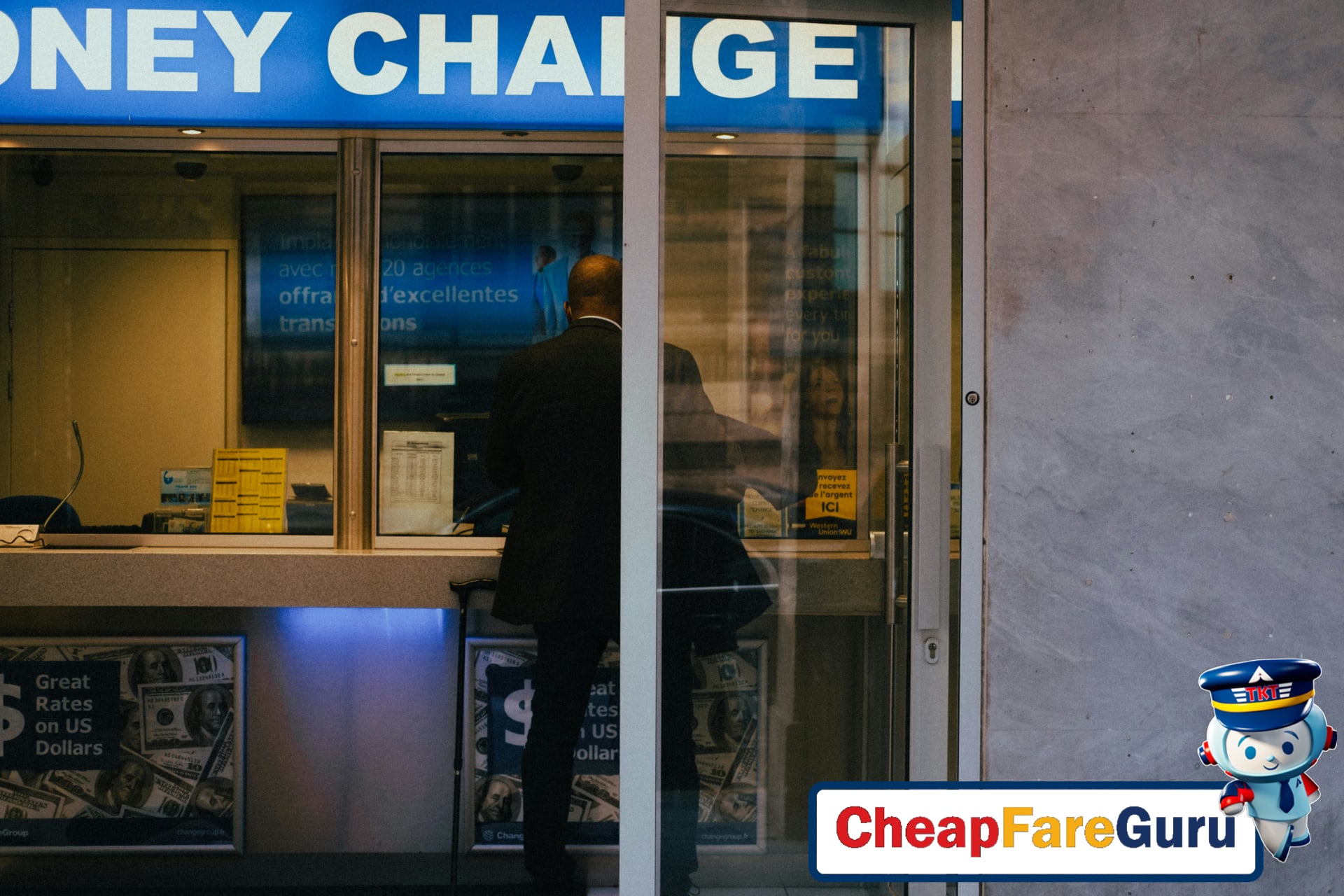
Understanding Foreign Exchange Basics

Exchanging money abroad can be confusing if you’re not clear on the basics. The main terms you’ll see are the foreign exchange rate (the value of one currency against another), the spread (the difference between the rate at which money changers buy and sell), and commission or conversion fees (extra charges for the transaction). The mid-market rate—sometimes called the “real” exchange rate—is the midpoint between global buy and sell rates, but most banks, airport kiosks, and exchange counters set their own buy and sell prices, often adding a markup or fee.
I still remember my first time exchanging dollars at a busy airport and realizing I’d lost more than I expected because I hadn’t checked the spread or commission. Understanding these basics can help you avoid similar surprises. For a live look at current rates, I usually check a reputable source like XE or OANDA before making any exchange. And if you’re using cards, be sure to review our guide on understanding international fees on debit or credit cards for more ways to save.
Where To Exchange Foreign Currency

When you need local cash on your trip, you’ll find plenty of options—banks, airport kiosks, hotel desks, ATMs, and specialized currency exchange bureaus. Each has its pros and cons, and the smartest choice often depends on your priorities: convenience, cost, or accessibility.
Banks usually offer solid exchange rates and lower fees, but their hours can be limited and you may need to wait in line. Airport exchange counters are open when you land, but in my experience, they have the least favorable rates and tack on extra fees. I rarely use them unless I have no other option. Hotels are convenient, but their rates are often less competitive than banks or ATMs.
ATMs are my go-to method for exchanging currency, especially in major cities. They typically provide rates close to the official interbank rate, though you should watch out for both your home bank’s fees and the local ATM charges. If you need a larger sum, specialized exchange bureaus in city centers can be a good bet, but always check their posted rates and ask about commissions before handing over your cash.
Online currency services are gaining popularity, but you’ll usually need to plan ahead for delivery or pickup. For more practical travel money tips, check out our guide to best travel money tips for international trips.
Avoiding Hidden Exchange Fees Abroad

Hidden exchange fees can quietly eat into your travel budget if you’re not careful. Here’s what to watch for: conversion fees (often around 3% of the transaction), double conversions (where your money is changed twice at unfavorable rates), and sneaky commissions tacked on by airport kiosks or currency exchange counters. ATMs and card payments abroad can also present traps—especially through something called dynamic currency conversion.
Dynamic currency conversion (DCC) happens when a foreign merchant or ATM offers to charge your card in your home currency instead of the local one. It sounds convenient, but the catch is the exchange rate is usually far worse than what your bank would provide. I learned this the hard way after accepting a “charge in USD” option at an overseas hotel—only to discover later that I’d paid about $15.00 more than if I’d chosen the local currency.
ATMs can also lure you with “guaranteed rates” or “currency conversion offers” on the screen. Typically, these rates include hidden markups or commissions. If you’re unsure, I’d recommend reading our detailed guide on avoiding international ATM and credit card surcharges for more examples and practical steps.
How To Get The Best Exchange Rate
Getting a fair exchange rate can make a real difference in your travel budget. I always check a live currency app—usually XE or Revolut—before accepting any quoted rate at a kiosk or bank. This habit helps me spot when a rate is padded with hidden fees or commissions. Before you exchange, compare the actual mid-market rate (the real rate you’ll see on XE.com or the Revolut app) with what’s being offered, so you know exactly how much you’re losing to markups.
Multi-currency travel cards are another smart tool. These cards let you load funds in advance and often use the real exchange rate (with minimal or no fees) at the time of purchase. I’d compare rates on your usual credit card and a travel card before using either, since some banks still add foreign transaction fees.
Only exchange what you’ll realistically spend. It’s tempting to convert a large sum “just in case,” but you might get stuck with leftover currency that’s expensive to change back. I recommend exchanging smaller amounts as you go, especially if you’re moving between countries with different currencies.
Timing matters, too. Exchange offices in tourist hotspots tend to offer worse rates, especially during peak arrival times. If you can, wait until you’re away from airports or crowded train stations, and check the rate at a local bank or with your travel card instead.
For more app suggestions, check our post on top mobile apps for travelers—these tools can save you real money on the road.
How To Use Credit Cards Abroad

Credit cards can be a smart way to pay while traveling internationally—if you know how to avoid hidden fees. Most banks convert your purchases at the current exchange rate, but standard cards often tack on a foreign transaction fee (typically about 3%). In my experience, a no-foreign-fee travel card is my go-to for overseas trips, since it’s helped me dodge those extra charges trip after trip.
Travel-focused credit cards, like those recommended in our guide to the best credit cards for international travel, usually skip the foreign transaction fees entirely. Standard cards, on the other hand, almost always add a percentage on top of every purchase. It’s worth checking your card’s terms before you leave home.
Credit cards often beat cash for security (you can dispute fraudulent charges) and for larger purchases or hotels. But in markets or small shops, cash may still be king, so it’s smart to carry some local currency just in case. If a merchant offers to charge you in your home currency, decline and stick with the local currency—choosing your home currency usually means a worse exchange rate and extra fees.
For an in-depth breakdown of travel card options and tips, check out resources like NerdWallet’s international travel card guide.
Budget Table For Foreign Exchange

| Budget (Airport Kiosk) |
Mid-range (City Bank) |
Luxury (No-Fee ATM Card) |
|
|---|---|---|---|
| Exchange Rate Used | About $1.10 per 1 unit | About $1.07 per 1 unit | About $1.05 per 1 unit |
| Access Fee/Commission | $25.00 | $10.00 | $0.00 |
| Total Received | $430.00 | $465.00 | $476.00 |
| Extra Hidden Fee | $15.00 | $5.00 | $2.00 |
Looking at this table, the difference between exchanging $500.00 at an airport kiosk and using a no-fee ATM card can be about $46.00 lost to fees and poor rates. I was honestly surprised by how quickly these little charges add up, especially for budget travelers who want every dollar to count. Even a “luxury” option like a premium no-fee ATM card leaves a small bite out of your funds, but it’s much less painful than airport rates.
FAQ: Currency Exchange Travel Questions
- Is it better to exchange money at home or at my destination?
Exchanging a small amount at home is convenient for immediate expenses, but I usually wait until I arrive for better rates. Local banks or reputable ATMs abroad often offer more favorable exchange rates than what you’ll find at home or at tourist locations.
- How do I avoid hidden currency exchange fees?
Always ask for the full breakdown of fees before exchanging money, including commission and service charges. Avoid dynamic currency conversion by declining offers to charge your card in U.S. dollars. Using a debit card designed for travel can also minimize extra fees—see our post on choosing travel-friendly debit cards for more details.
- Are airport currency exchange booths ever a good idea?
Airport currency exchange booths are convenient but typically have higher fees and less favorable rates. I’d only use them for small amounts in an emergency. It’s usually better to wait and use an ATM or bank in the city, especially if you want to stretch your travel budget.
- Will hotels give me good exchange rates?
Hotels rarely offer competitive exchange rates. Their rates are often less favorable than local banks or ATMs, and they may charge extra service fees. If you need cash, it’s smarter to use a reputable ATM or visit a nearby bank branch instead of relying on hotel front desks.
- Is it safe to use ATMs for currency exchange abroad?
Using ATMs is generally safe if you stick to machines located inside banks or well-lit areas. From my own travels, I always check for card skimmers and cover my PIN. Notify your bank before you leave and monitor your account for any suspicious transactions after using an ATM abroad.
- Does my bank card charge extra for foreign currency?
Many banks charge foreign transaction fees, which are typically around 3% per purchase. Some travel-focused cards waive these fees, so check with your bank or card issuer before your trip. If you travel often, consider a card that’s specifically designed for international use to save money.
- What documents do I need to exchange currency overseas?
Most currency exchange counters require a valid passport for identification. Some may also ask for proof of travel, such as a boarding pass. It’s always a good idea to have your passport handy and check local requirements online before heading to an exchange location abroad.
Wrapping Up: Smarter Currency Exchange

Staying savvy with currency exchange can make a real difference in your travel budget. The most actionable steps I’d highlight are planning ahead, comparing rates, and steering clear of unnecessary ATM or conversion fees. I always set aside a few minutes before each trip to check for hidden charges and review my bank’s overseas policies—it saves me both money and stress down the line.
Planning early, using reliable apps, and keeping an eye out for less obvious costs will help you stretch your travel funds further. Next time you’re booking flights, consider using tools like cheapfareguru.com to save even more, and don’t forget to keep these currency tips handy for your next adventure.