
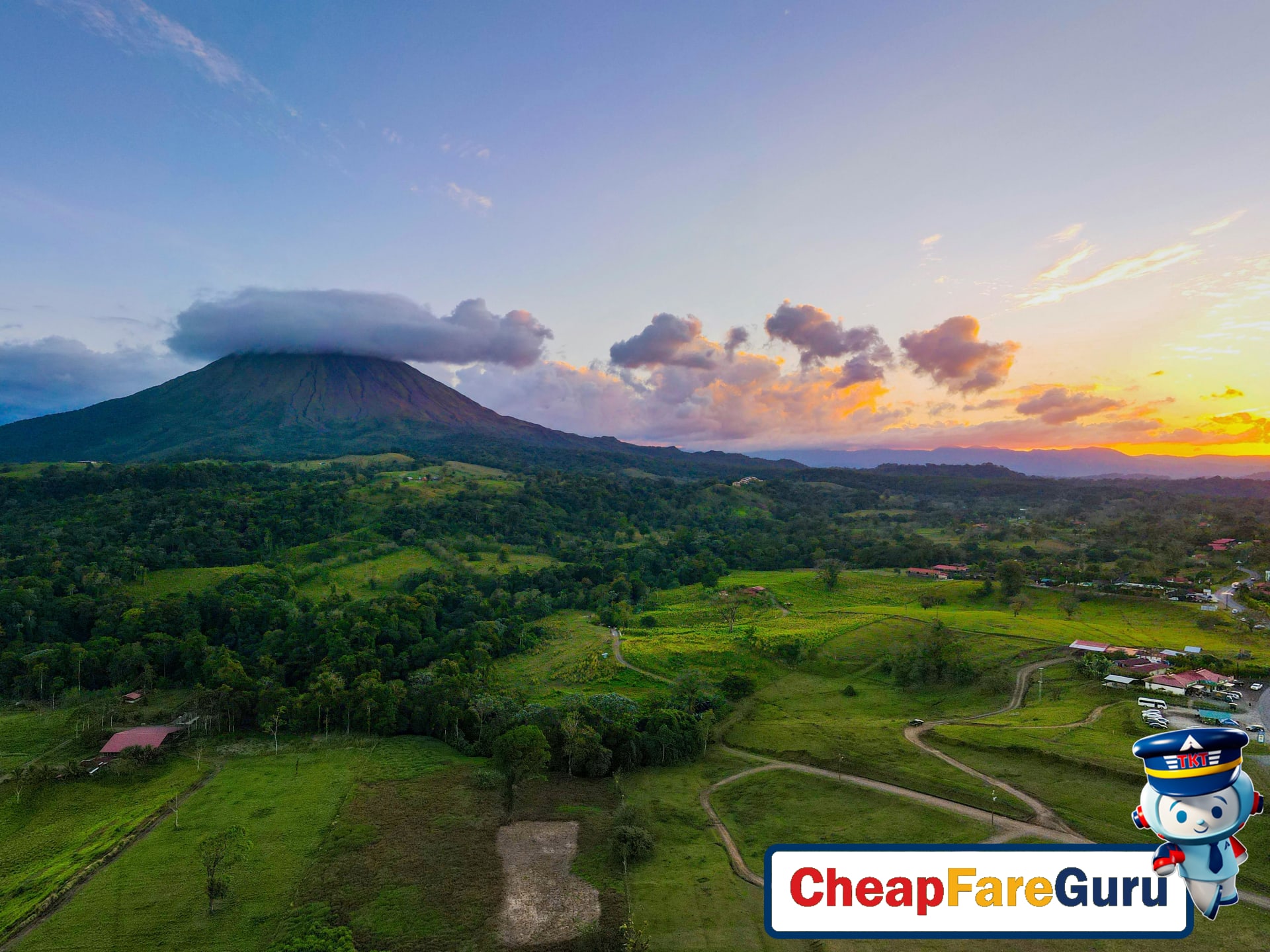
Costa Rica’s Diverse Regions Explained
Costa Rica may look small on the map, but its regions pack in a surprising amount of variety. The country is divided by dramatic mountains, lush rainforests, and two very different coastlines. Distinct microclimates mean you can find everything from misty highlands to sunny beaches, often within a few hours’ drive. The official Costa Rica Tourism Board website is a great place to see maps and get a sense of these regions before you start planning.
The Central Valley, home to the capital San José, is the cultural heart of Costa Rica and offers mild weather year-round. If you want museums, local food, and easy access to volcanoes, this is a convenient starting point. The Pacific Coast is famous for its golden beaches, surf towns, and wildlife-rich national parks like Manuel Antonio. It’s ideal for sun-seekers and those wanting classic resort comforts.
On the Caribbean Coast, you’ll find a laid-back vibe, Afro-Caribbean culture, and lush jungle meeting the sea. It’s a unique spot for wildlife lovers and anyone drawn to quieter, less developed beaches. The Northern Highlands are all about adventure—think cloud forests, zip lining, and the iconic Arenal Volcano. This area is perfect if you want to mix nature with adrenaline activities.
Finally, the Southern Zone is less traveled but offers pristine rainforests, eco-lodges, and some of Costa Rica’s best wildlife watching in places like the Osa Peninsula. Getting around between regions can take longer than you’d expect due to winding roads and changing weather, so I’d suggest choosing one or two areas to focus on for your first trip. Personally, I was drawn to the Northern Highlands for their mix of hot springs and rainforest hikes, but every region has its own charm.
If you’re still deciding when to go, I recommend checking out a guide on the Best Time To Visit Costa Rica to match your plans with the local climate.
Top Rainforest Adventures To Try

Costa Rica’s rainforests are legendary for adventure, and each region offers its own signature thrills. Monteverde’s misty cloud forests, the remote wilds of the Osa Peninsula, and Tortuguero’s lush waterways all promise something unique. If you’re not sure where to start, I’d use these areas as my top picks for classic rainforest experiences.
Zip-Lining In Monteverde
Monteverde is famous for its exhilarating zip-line courses, some of which soar above the clouds and offer sweeping views of the forest canopy. You’ll find multiple operators here, and the longest cables can stretch for what feels like forever. I still remember the adrenaline rush of stepping off that first platform—definitely a must for thrill-seekers.
Guided Hikes In Osa Peninsula
The Osa Peninsula, home to Corcovado National Park, is ideal for guided rainforest hikes. Expert guides can help you spot rare wildlife and explain the secrets of the ecosystem. Trails can be muddy and challenging, so I recommend wearing sturdy boots and light, moisture-wicking clothes for comfort and safety.
Canopy Tours In Arenal
Canopy tours near Arenal Volcano combine hanging bridges, observation towers, and even tram rides. These tours let you walk among the treetops and see birds and monkeys at eye level. Booking with a certified guide ensures you don’t miss the best wildlife sightings or violate any local regulations.
Wildlife Spotting In Tortuguero
Tortuguero National Park is best known for its canals and abundant wildlife. Guided boat tours are the top way to spot sloths, toucans, and even nesting sea turtles (in season). Early morning is prime time for wildlife activity, so I usually suggest starting at sunrise if you want the best photos.
For more practical adventure tips, check out our Costa Rica Adventure Activities Guide. And before you go, review the official SINAC park rules to stay updated on visitor guidelines.
Costa Rica’s Iconic Wildlife Encounters
Costa Rica is a true hotspot for biodiversity, packing nearly 5% of the world’s species into a country smaller than West Virginia. Whether you’re scanning the canopy for monkeys or hoping to glimpse a colorful toucan, the country’s parks and reserves deliver unforgettable wildlife moments. I’ll never forget the thrill of spotting my first wild sloth, lazily hanging from a branch in the Monteverde Cloud Forest—an image that’s stuck with me ever since.

Where To Spot Signature Species
- Sloths: Look for both two- and three-toed sloths in Manuel Antonio National Park, Cahuita, and the Osa Peninsula. Early mornings are best, as they tend to nap through the heat of the day.
- Monkeys: Capuchin, howler, and squirrel monkeys are common in Corcovado National Park and Tortuguero. Listen for their calls echoing through the forest.
- Toucans: The iconic keel-billed toucan is often seen in Arenal Volcano National Park and the Caribbean lowlands. Scan the treetops for flashes of yellow and green.
- Sea Turtles: Visit Tortuguero between July and October for nesting green turtles, or Ostional on the Nicoya Peninsula to witness mass olive ridley arrivals.
If you want more detailed park-by-park guidance, check out our Costa Rica National Parks Guide.
Responsible Wildlife Watching Tips
Always keep a respectful distance from animals—Costa Rica’s Ministry of Environment recommends at least 15 feet for most species. Guided tours can help you spot wildlife without disturbing their routines, and I usually suggest turning off your camera’s flash to avoid startling them. Never feed wild animals, as it disrupts their natural diet and behavior. For more eco-guidance, consult the Costa Rican Ministry of Environment.
Top Beach Destinations In Costa Rica

Costa Rica’s beaches are as diverse as its rainforests. Whether you’re chasing waves, looking for family-friendly shores, or craving a laid-back escape, there’s a stretch of sand for you. Here’s a quick guide to the country’s most popular beach spots—and how they each deliver a unique vibe.
Tamarindo: Surf And Social Scene
Tamarindo on the Pacific side is a classic for good reason. It’s lively, with plenty of surf schools, bars, and restaurants. This is a great place for beginners to catch their first wave, but you’ll also find mellow swimming areas. In my experience, Tamarindo stands out for its walkable town center and sunset views that just don’t get old.
Manuel Antonio: Wildlife And Family Fun
Manuel Antonio combines gorgeous beaches with easy access to the namesake national park, making it a favorite for families. You can swim in calm waters, spot monkeys in the trees, and enjoy a wide range of amenities. It’s easy to reach from San José, so it’s ideal if you’re short on time.
Santa Teresa: Laid-Back Surf Town
Santa Teresa is a magnet for surfers and digital nomads. The vibe is relaxed, with yoga studios, healthy cafés, and some of the best waves on the Nicoya Peninsula. The beach is wide and wild—great for surfing, but swimming can be rough, especially during big swells.
Nosara: Remote Wellness Escape
Nosara is a bit harder to get to, but that’s part of the charm. It’s known for its wellness retreats and uncrowded beaches. You’ll find consistent surf breaks, tranquil sunsets, and a quieter pace. If you want a peaceful getaway, this is a solid pick.
Puerto Viejo: Caribbean Cool
On the Caribbean side, Puerto Viejo offers something different—reggae rhythms, Afro-Caribbean flavors, and a more bohemian crowd. The beaches here range from black-sand stretches to calm swimming spots. It’s a fun place to explore by bike, and the local surf scene is always buzzing. For up-to-date surf conditions, check out Surfline Costa Rica.
For those looking for a resort experience, I’d compare your options in our Top Costa Rica Beach Resorts guide before booking.
Best Time And Crowd Avoidance
The dry season (December through April) is generally the best time for Costa Rica’s beaches, but it also brings the most visitors. If you want fewer crowds and lower prices, consider May or November—just be prepared for a bit of rain.
Sample Itineraries For Every Traveler

It’s easy to feel overwhelmed by all the options in Costa Rica, so I always sketch out a route before booking anything. Whether you’re seeking budget adventures, a family-friendly escape, or a two-week thrill ride, these sample itineraries cover the highlights and help you avoid backtracking. I often combine beach and volcano stops when planning, which saves both time and money.
7-Day Budget Adventure
- Day 1: Arrive in San José, bus to La Fortuna (overnight)
- Day 2: Arenal Volcano hike, free hot springs
- Day 3: Shuttle to Monteverde, evening cloud forest walk
- Day 4: Monteverde hanging bridges, cheap local eats
- Day 5: Bus to Tamarindo, sunset at the beach
- Day 6: Surf lesson or relax, budget hostel stay
- Day 7: Return to San José for departure
10-Day Family Escape
- Day 1–2: Land in San José, quick visit to Children’s Museum
- Day 3–4: Tortuguero National Park—boat tour, wildlife spotting, overnight in a lodge
- Day 5–6: Transfer to Arenal/La Fortuna, family-friendly waterfall hike, chocolate tour
- Day 7–8: Monteverde cloud forest, butterfly garden, canopy walkways
- Day 9–10: Manuel Antonio National Park—easy rainforest trails, safe beach swimming, return to San José
Family logistics are smoother if you pre-book shuttles and choose accommodations with breakfast included. If you’re traveling with kids, I’d suggest skipping long bus rides and opting for private transfers where possible.
14-Day Adventure Journey
- Day 1–2: Arrive in San José, head to Turrialba for whitewater rafting
- Day 3–4: Explore Orosi Valley—coffee tour, mountain biking
- Day 5–6: Transfer to Puerto Viejo, Caribbean beaches, Cahuita National Park snorkeling
- Day 7–8: Drive to Arenal, volcano hike, waterfall rappelling
- Day 9–10: Monteverde—zip-lining, night wildlife tour
- Day 11–12: Nicoya Peninsula—Santa Teresa for surfing and yoga
- Day 13–14: Manuel Antonio—kayaking, national park visit, back to San José
This route covers both coasts and several microclimates, so be ready for quick weather changes. I’ve found it’s worth spending an extra night in Monteverde if you want to fit in both zip-lining and a cloud forest hike.
Adapting These Routes
If you want more flexibility, you can swap out certain stops or add extra nights in your favorite places. For example, solo travelers might skip Tortuguero and spend those days exploring more of the Nicoya Peninsula. If you’re planning your own route, I recommend using a Google Map to visualize distances and travel times. And for packing help, check out our Costa Rica Packing Guide if you want a detailed checklist for these itineraries.
Practical Tips For Booking Flights

Finding cheap flights to Costa Rica is all about timing and flexibility. I’ve had the best luck searching fares at least a month ahead and using fare alerts to catch sudden price drops. Try searching for flights with flexible dates—sometimes leaving just a day earlier or later can mean a savings of over $50.00. Tools like Google Flights or cheapfareguru.com make it easy to compare options and spot deals quickly.
Choosing Between SJO And LIR
Most travelers fly into either Juan Santamaría International Airport (SJO) near San José or Daniel Oduber Quirós International Airport (LIR) in Liberia. SJO is Costa Rica’s busiest airport and offers more international flights, which usually means better fares and more schedule flexibility. LIR, on the other hand, is ideal if you’re headed straight to the Pacific beaches or Guanacaste resorts, but may cost a bit more and have fewer direct flights. I’d compare both options before choosing, especially if your plans are flexible. For the latest arrival procedures, check the SJO official site or LIR official site.
Avoiding Hidden Airline Fees
Budget airlines often lure you in with low base fares, but it’s easy to get caught off guard by extra charges. Double-check baggage rules before you book—some airlines only include a small personal item, and adding a checked bag can cost about $30.00 each way. I usually recommend bringing a carry-on that meets the airline’s size requirements to sidestep these fees, and always review seat selection and onboard meal options to avoid unnecessary add-ons.
If you want more strategies for finding the lowest fares, check out our tips in How To Save On International Airfare.
For travelers who prefer booking with real-time help, cheapfareguru.com also offers phone support to help you lock in deals and clarify baggage policies.
Getting Around Costa Rica Easily

Exploring Costa Rica is part of the adventure, but choosing the right way to get around can make or break your trip. I’ve learned firsthand that what works in one region—say, a rental car in Guanacaste—might be a headache elsewhere. Here’s a breakdown of your main options, with honest pros, cons, and practical booking tips.
Rental Cars: Flexibility and Freedom
Renting a car is ideal if you want to reach remote beaches, national parks, or travel on your own schedule. Book online before arrival, and always double-check the full insurance coverage—many U.S. credit cards don’t cover Costa Rica’s mandatory liability policies. Expect to pay about $60.00 per day for a compact with insurance. Drivers need a valid license and must be at least 21 years old. Road conditions vary; check Costa Rica’s Ministerio de Obras Públicas y Transportes for current road status before setting out, especially in rainy season.
Shared Shuttles: Easy and Convenient
Shared tourist shuttles are a stress-free way to travel between popular destinations like San José, La Fortuna, and Manuel Antonio. You’ll pay around $55.00 per person for a major route, with door-to-door pickup included. They’re more comfortable than public buses and save the hassle of driving, but schedules are fixed and seats fill up fast during high season. I’d compare both shuttles and rental cars if your route is straightforward.
Local Buses: Budget-Friendly Choice
Public buses are the cheapest way to get around—think about $7.00 for a cross-country ride. They’re reliable between major towns, but expect longer travel times, basic comfort, and sometimes crowded conditions. Tickets are best bought at the station on the day of travel, and it helps to know some Spanish. For more details, check out our Latin America bus travel guide if you’re planning to rely on buses for most of your trip.
Domestic Flights: Fast but Pricey
Local airlines like Sansa offer quick flights between major hubs such as San José, Liberia, Quepos, and Tamarindo. Flights are best for saving time on long or mountainous routes, but prices start at about $120.00 one-way. Luggage limits are strict, so pack light. Book directly with the airline for the best options and up-to-date schedules.
Costa Rica Travel Budget Breakdown

Budgeting for Costa Rica can feel unpredictable, especially once you factor in daily expenses for food, activities, and getting around. While you’ll find backpacker hostels and roadside sodas (local diners) on one end, Costa Rica’s eco-lodges and guided tours can push costs much higher. In my experience, the biggest surprise was how quickly food and transport add up if you’re not careful about where you spend. Here’s a sample breakdown to help you plan realistically.
| Accommodation | Food | Transport | Activities | |
|---|---|---|---|---|
| Budget | $18.00 | $8.00 | $5.00 | $12.00 |
| Mid-range | $65.00 | $22.00 | $18.00 | $35.00 |
| Luxury | $210.00 | $60.00 | $70.00 | $90.00 |
As you can see, costs in Costa Rica can vary widely depending on your travel style. Hostels and public buses keep your daily budget low, while boutique hotels and private tours raise it quickly. I usually recommend travelers check the current exchange rates at the Central Bank of Costa Rica before they go, since the value of the colón can shift and impact your overall spending. If you want more actionable ways to stretch your dollar, check out our Costa Rica Money Saving Tips guide for practical advice on everything from local meals to discount activities.
Costa Rica Traveler FAQs Answered
- When is the best time for Costa Rica wildlife?
The best time to spot wildlife in Costa Rica is during the dry season, which typically runs from December through April. Many animals, including monkeys and sloths, are more active and visible in national parks. Early morning hikes often give you the best chance for memorable wildlife encounters.
- Can you drink the water in Costa Rica?
Tap water is generally safe to drink in most parts of Costa Rica, especially in major cities and tourist areas. However, I usually stick to bottled water when traveling to remote regions or small villages, just to be cautious. Bringing a reusable water bottle with a filter is a smart backup.
- What are common Costa Rica travel mistakes?
One common mistake is underestimating travel times between destinations—Costa Rica’s roads can be winding and slow. I learned to always add extra time to my itinerary. Another is not carrying enough cash for small purchases, as some rural spots don’t accept cards. Plan ahead to avoid these hassles.
- Do I need vaccines for Costa Rica travel?
Routine vaccines are recommended, and the CDC suggests considering hepatitis A and typhoid for most travelers. If you’re planning to visit remote areas, check the CDC’s Costa Rica page for up-to-date guidance. It’s best to consult your doctor before your trip to discuss your specific health needs.
- Is Costa Rica safe for tourists?
Costa Rica is considered safe for most visitors, but petty theft can happen in busy tourist spots. Always keep your valuables secure and avoid leaving belongings unattended. For more detailed advice, check out our Costa Rica Safety Tips guide before your trip for practical travel precautions and updates.
- What’s the best way to get around Costa Rica?
Most travelers use a mix of shuttle buses, private transfers, and rental cars. Public buses are affordable but can be slow. If you want flexibility, renting a car is helpful, especially for exploring national parks. Just remember that some roads require four-wheel drive, especially during the rainy season.
Making The Most Of Costa Rica
Costa Rica really stands out for its blend of lush rainforests, vibrant wildlife, and friendly culture—plus the practical ease of getting around and finding experiences for every budget. The sample itineraries and tips we’ve covered can help you focus on what matters most, whether that’s adventure, relaxation, or a bit of both.
Smart planning pays off, but some of my favorite travel moments have come from leaving room for the unexpected. If you use the practical advice above and stay open to spontaneous detours, Costa Rica will reward you with memories you hadn’t even planned for. I’d encourage anyone considering this destination to dive in—there’s always something new to discover.