
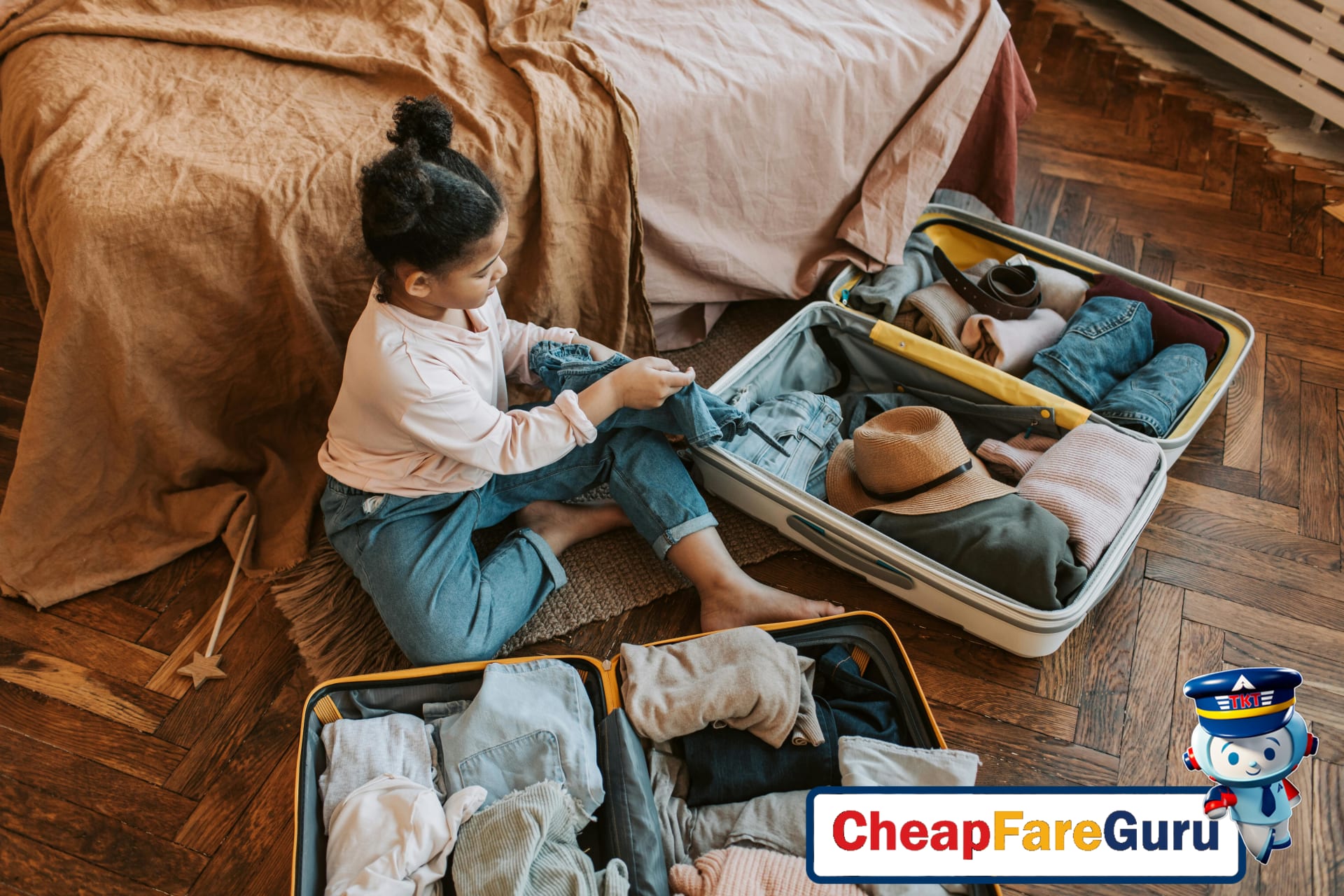
Family Travel Packing Challenges
Packing for a family trip presents a set of unique challenges that go beyond stuffing your own suitcase. When traveling with kids, parents must juggle multiple needs—all while dealing with limited luggage space and the constant balancing act between essentials and convenience. From diapers and snacks to toys and extra clothes, the list can seem endless. Add to that the stress of ensuring everything fits within airline baggage restrictions, and the packing process can quickly become overwhelming.
Managing the varied needs of different-aged kids requires careful thought. Younger children might need bulky items like strollers or car seats, while older kids may want handheld electronics or comfort blankets. Each family member has different preferences and requirements that demand customized packing solutions. Without an organized approach, packing can mean forgetting important items or bringing too much, leading to heavy, cumbersome bags that are hard to carry and costly to check.
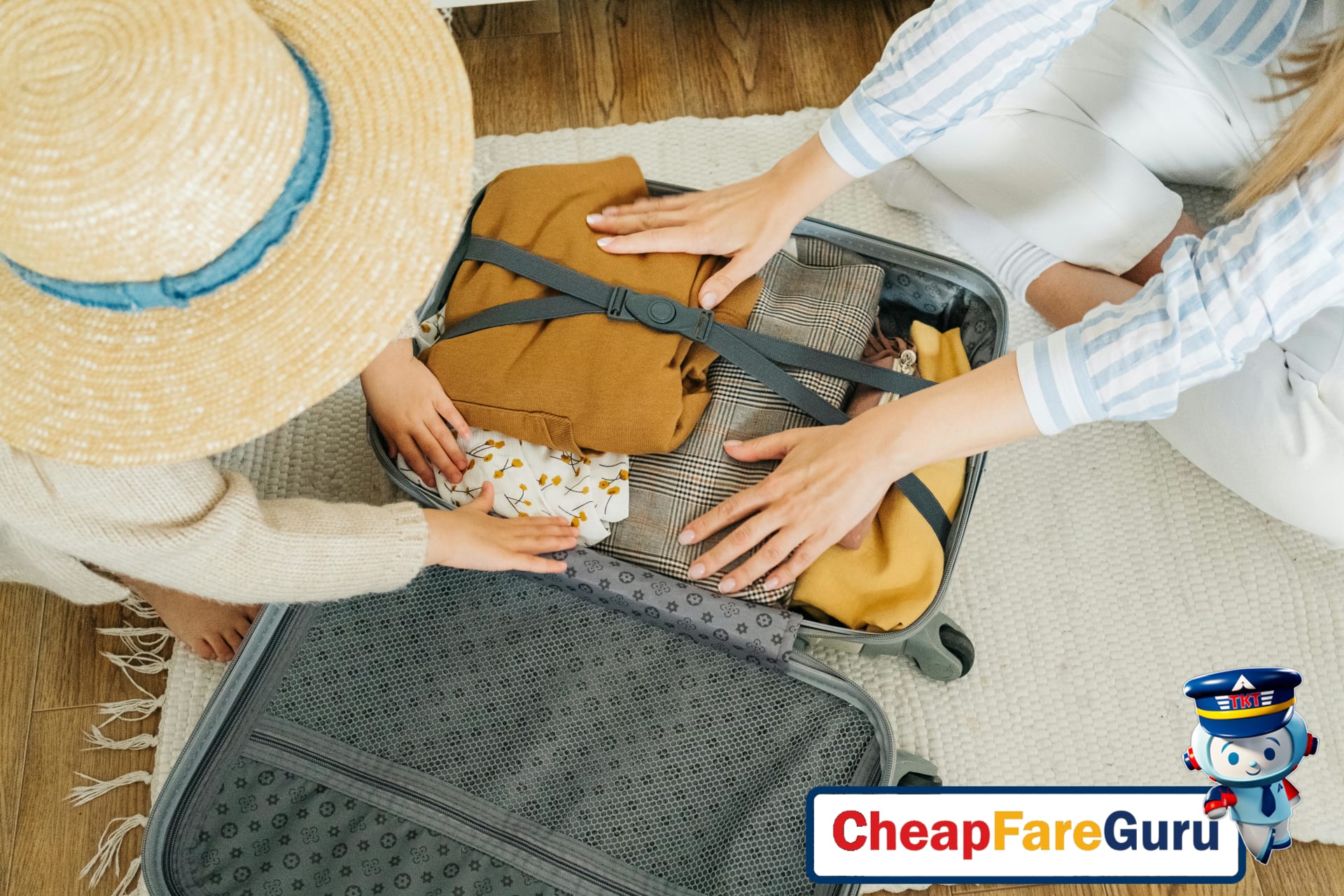
That’s why having a tailored packing guide is essential for families who want to travel smoothly and stress-free. A clearly structured checklist clarifies what must come along, what can be left behind, and how to organize everything efficiently. This avoids last-minute scrambles and forgotten items. Effective packing strategies help streamline the process, freeing up more time and energy to enjoy the trip itself.
In this article, CheapFareGuru covers critical topics to conquer family travel packing challenges:
- Comprehensive item checklists tailored for kids of various ages
- Smart packing techniques that maximize luggage space without sacrificing essentials
- Understanding TSA rules to prevent hassles at security checkpoints
- Avoiding common packing pitfalls that can ruin the travel experience
By addressing these areas, families can approach packing with confidence, knowing their needs are met efficiently. Organizing your luggage doesn’t have to be a dreaded chore—equipped with the right knowledge and tools from CheapFareGuru, family travel packing becomes manageable and even enjoyable.
Kids Packing Essentials Checklist
Packing for kids requires thoughtful preparation to ensure comfort, health, and entertainment throughout the trip. Organizing items by category helps streamline packing and prevents last-minute scrambles. Below is a comprehensive checklist with quantities tailored to different trip lengths and ages, plus brand suggestions ranging from budget-friendly to premium. Versatile items are highlighted to maximize luggage space and convenience.
Clothing Essentials
- Basics per day: 1-2 shirts, 1 pair of pants or shorts, and 1 set of underwear. For infants and toddlers, add 2-3 extra onesies or rompers.
- Outerwear: 1 lightweight jacket or hoodie, and for colder climates, 1 insulated jacket. Consider multi-use layers like fleece-lined zip-ups.
- Sleepwear: 2 sets of pajamas, adaptable for warmer or cooler temperatures.
- Footwear: 1 pair of comfortable shoes for walking, 1 pair of sandals or water shoes, and slippers for indoors.
Brand options: CheapFareGuru recommends affordable brands such as Carter’s or Old Navy for everyday wear, while Hanna Andersson offers durable, organic fabrics for premium choices. For versatile outerwear, Patagonia’s jackets are reliable for all age groups.
Toiletries and Personal Care
- Basic kit: child-friendly toothbrush, toothpaste with fluoride, gentle shampoo and body wash, baby wipes, and a hairbrush or comb.
- Health care items: diaper rash cream or ointment, sunscreen SPF 30 or higher, lip balm, and hand sanitizer. Include a small first-aid kit with adhesive bandages, antiseptic cream, and age-appropriate fever reducers.
Quantity tips: For trips up to a week, pack travel-sized toiletries and replenish as needed. For longer trips, plan for two full sets or buy locally to reduce baggage weight.
Recommended brands: Budget-friendly options like Johnson’s Baby provide dependable essentials, while brands like Mustela and California Baby offer hypoallergenic, natural formulations at premium price points.
Entertainment and Comfort Items
- Electronics: tablet or portable media player with child-safe headphones, loaded with favorite shows or apps.
- Toys and books: 2-3 compact toys or comfort items, and 1-2 books or coloring pads. Opt for multi-use toys such as puzzle blocks or magnetic drawing boards to save space.
- Travel comfort: neck pillow, blanket, and a reusable water bottle sized for kids.
Versatile picks: A multipurpose tablet case that doubles as a stand saves room, and rechargeable devices reduce charger clutter. For younger children, consider soft books and plush toys that pack easily.
For budget-conscious families, Amazon Fire Kids Edition tablets offer great value, while premium-grade LeapFrog products combine learning with entertainment.
Health and Safety Items
- Identification: child ID wristbands or cards with parent contact details.
- Safety gear: insect repellent wipes, travel-size hand sanitizer, and a small flashlight or nightlight for unfamiliar accommodations.
- Medications: any prescribed medications clearly labeled, plus allergy relief options and motion sickness remedies suitable for children.
Pack smart: Always carry these items in your carry-on for easy access. Choose items like multi-use insect repellent that suits skin sensitivity.
Space-Saving Packing Hacks for Families
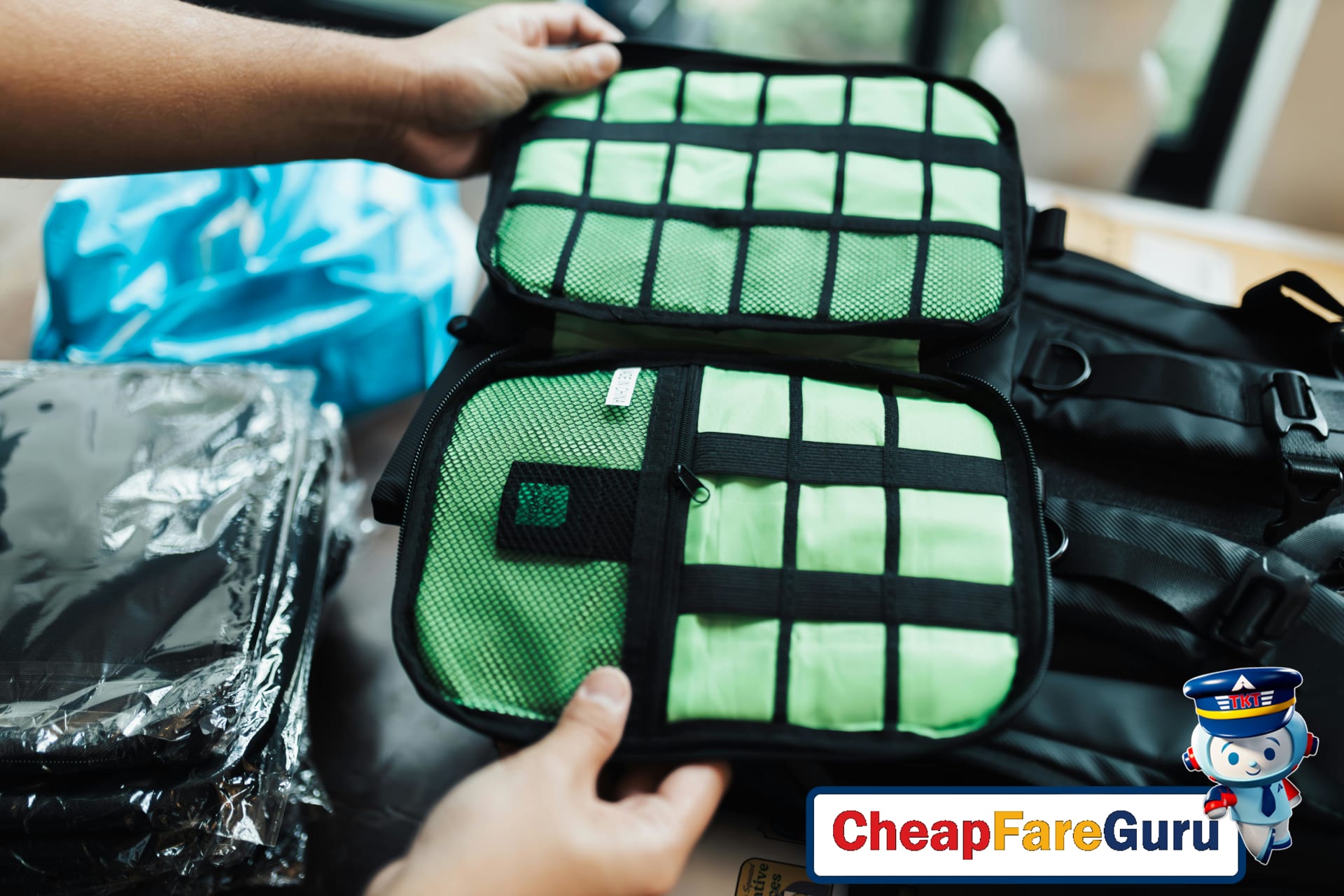
Packing for a family trip can quickly consume all your available luggage space, especially when juggling kids’ essentials. To maximize capacity and keep belongings organized, consider using packing cubes—these lightweight, zippered compartments separate each family member’s clothes and gear. Separating items by type or person helps you avoid rummaging through the entire suitcase, making unpacking at your destination smoother.
Compression packing cubes take organization a step further by squeezing down bulky clothes, freeing up valuable space. These cubes work best with soft items like t-shirts, pajamas, and lightweight sweaters, reducing the volume by flattening fabric layers and air pockets.
Instead of folding, roll your clothes tightly. Rolling minimizes wrinkles and condenses clothing better than traditional folding, especially for kids’ small outfits. Layering small belongings inside shoes or hats uses nooks that usually remain empty. For instance, socks, underwear, or even small toys can nest inside footwear, preserving more suitcase room for larger items.
Consolidate toiletries with travel-sized reusable containers. Fill them just enough for your trip’s duration to avoid carrying heavy bottles. Bringing multipurpose products—like a shampoo-conditioner combo or sunscreen with moisturizer—also cuts down on the bulk. This strategy lightens your load and reduces potential spills or leaks inside the luggage.
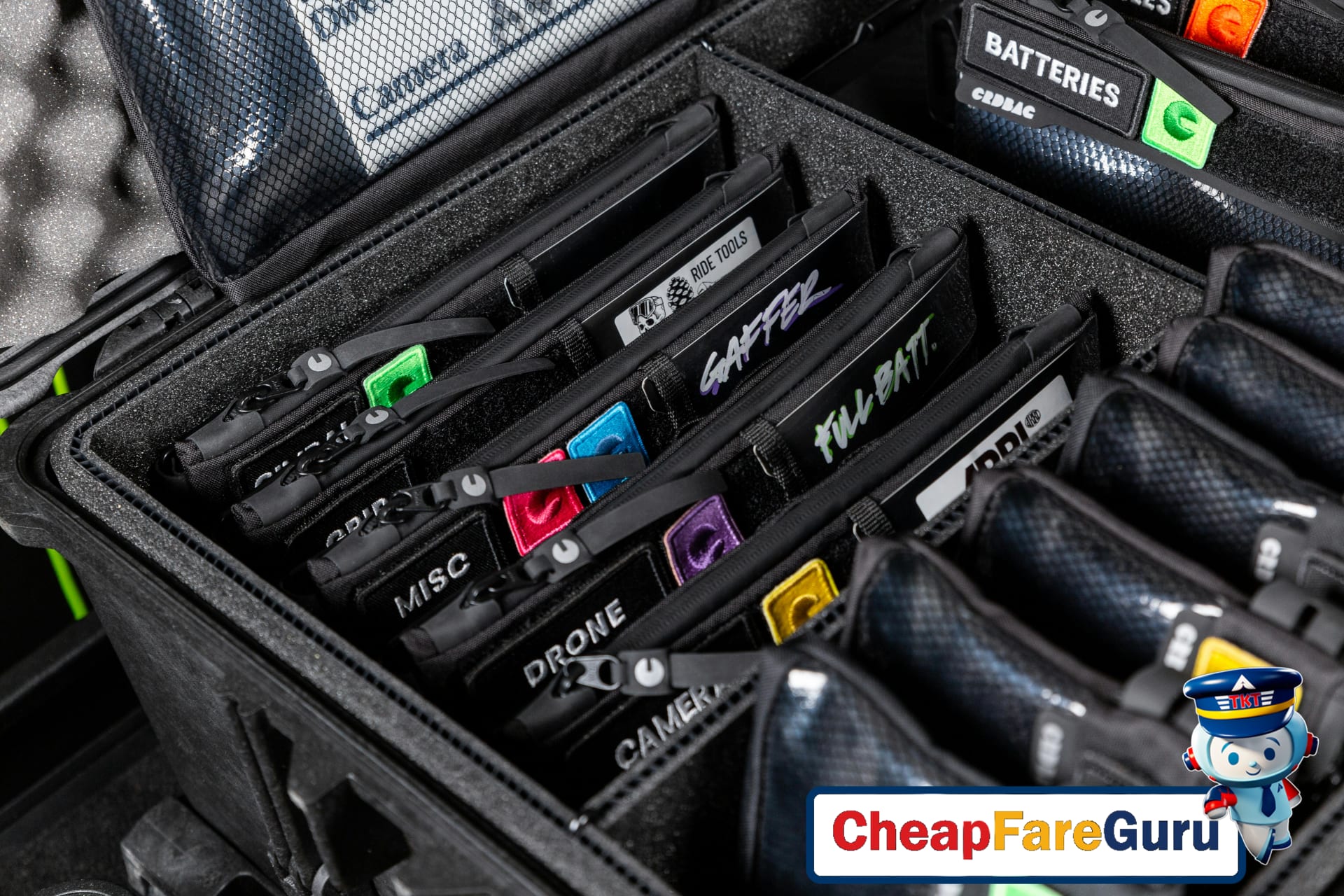
Choosing the right luggage is equally important. Opt for lightweight yet durable suitcases or backpacks with smooth-rolling wheels and sturdy handles. This balance helps you carry more without added strain or risking damage to your bag’s contents. Additional accessories like collapsible bags for day trips or laundry can further streamline your packing system.
Finally, packing smart means thinking ahead and packing less by selecting versatile clothing layers and limiting “just in case” items. Utilizing these space-saving hacks will not only maximize your luggage capacity but also make traveling with your family a more organized and stress-free experience.
TSA Rules for Children’s Travel Items
Traveling with kids requires extra planning, especially when passing through TSA security. Understanding the TSA guidelines for children’s travel items helps to avoid delays and streamlines the airport experience. Whether it’s liquids, medications, baby food, or toys, there are specific rules to keep in mind for smooth security clearance.
Liquids, Medications, Baby Formula, and Food
The TSA allows parents and guardians to bring essential liquids for children in quantities larger than the usual 3.4 ounces (100 milliliters) limit. This includes baby formula, breast milk, juice, and necessary medications. These items must be declared separately at the screening checkpoint for inspection, but they are exempt from the standard liquid restrictions.
Medications for kids—whether liquid or solid—are permitted in reasonable quantities. TSA recommends labeling these clearly and keeping them accessible for inspection. Always bring a prescription or doctor’s note if available, to avoid misunderstandings.
Carry-On and Checked Luggage Allowances for Kids
Children’s luggage follows the same TSA rules as adults. Carry-ons must meet size requirements, usually around 22 x 14 x 9 inches, but many airlines offer additional flexibility for families. Checked bags containing children’s clothes, strollers, or car seats must adhere to airline weight and size policies.
For ease, keep essential kid items in the carry-on—especially anything needed during the flight such as snacks, toys, or a change of clothes. Checked luggage should be used for bulkier items like extra clothing or bulky gear that won’t be needed until after landing.
Tips for Kid-Friendly TSA-Approved Packing Lists
- Label Everything Clearly: Use tags or permanent markers to label bags and containers with your child’s name and contact info.
- Organize Liquids and Food Separately: Place baby formula, medications, and snacks in a clear, easily accessible bag for quick screening.
- Pack Familiar Toys and Comfort Items: Choose TSA-approved items without batteries or sharp edges to avoid additional screening.
- Prepare Documentation: Keep any necessary prescriptions or notes from your pediatrician handy for carry-on medications.
- Use Clear Containers: Transparent bottles or snack bags speed up TSA checks and reduce misunderstandings.
Avoiding Screening Delays for Families
One common misconception is that children and their items automatically bypass screening—this is not true. Families often experience delays because of unprepared liquids, unlabeled medications, or unfamiliar toys that trigger extra scrutiny. To prevent this, inform TSA officers ahead of time about baby formula or medications, and pack efficiently.
Removing bulky jackets, minimizing loose items in pockets, and keeping kids calm and cooperative also contribute to a faster and less stressful security process. Planning ahead by reviewing CheapFareGuru’s travel tips can save valuable time and help families sail through airport security with confidence.
Luggage Weight Distribution Strategies
Balancing luggage weight effectively is crucial when traveling with kids. Distributing heavy items evenly between bags and within packing compartments eases the burden on young travelers and helps parents avoid unnecessary strain. Unevenly packed bags can lead to discomfort and even increase the risk of injury during transit. By spreading the load, kids can carry or manage their luggage more comfortably and safely.
One practical approach is dividing shared items—such as toiletries, snacks, or chargers—among family members’ bags instead of placing them all in one suitcase. This not only decreases individual bag weight but also reduces the chances of a single bag exceeding airline weight limits, which can result in extra fees. For example, if there are two children, packing half the shared items in each backpack or suitcase can make a noticeable difference.
Choosing the right luggage type also plays a key role in weight management. For kids, ergonomically designed backpacks with padded shoulder straps and breathable back panels minimize shoulder and back strain. Rolling suitcases with adjustable handles and sturdy wheels reduce the need for lifting heavy loads, making it easier for children to maneuver their belongings independently. Encourage children to pack heavier items closer to the frame or wheels of their bags to maintain balance and prevent tipping.
Proper weight distribution directly influences travel convenience and costs. Airlines often charge extra for overweight bags, so dividing weight cleverly between multiple bags is an effective way to stay under limits. Additionally, well-packed baggage is easier to transport through airports, reducing delays and the risk of damaging contents. For parents managing multiple kids’ suitcases, a balanced load means less struggle hauling or carrying, improving the entire travel experience.
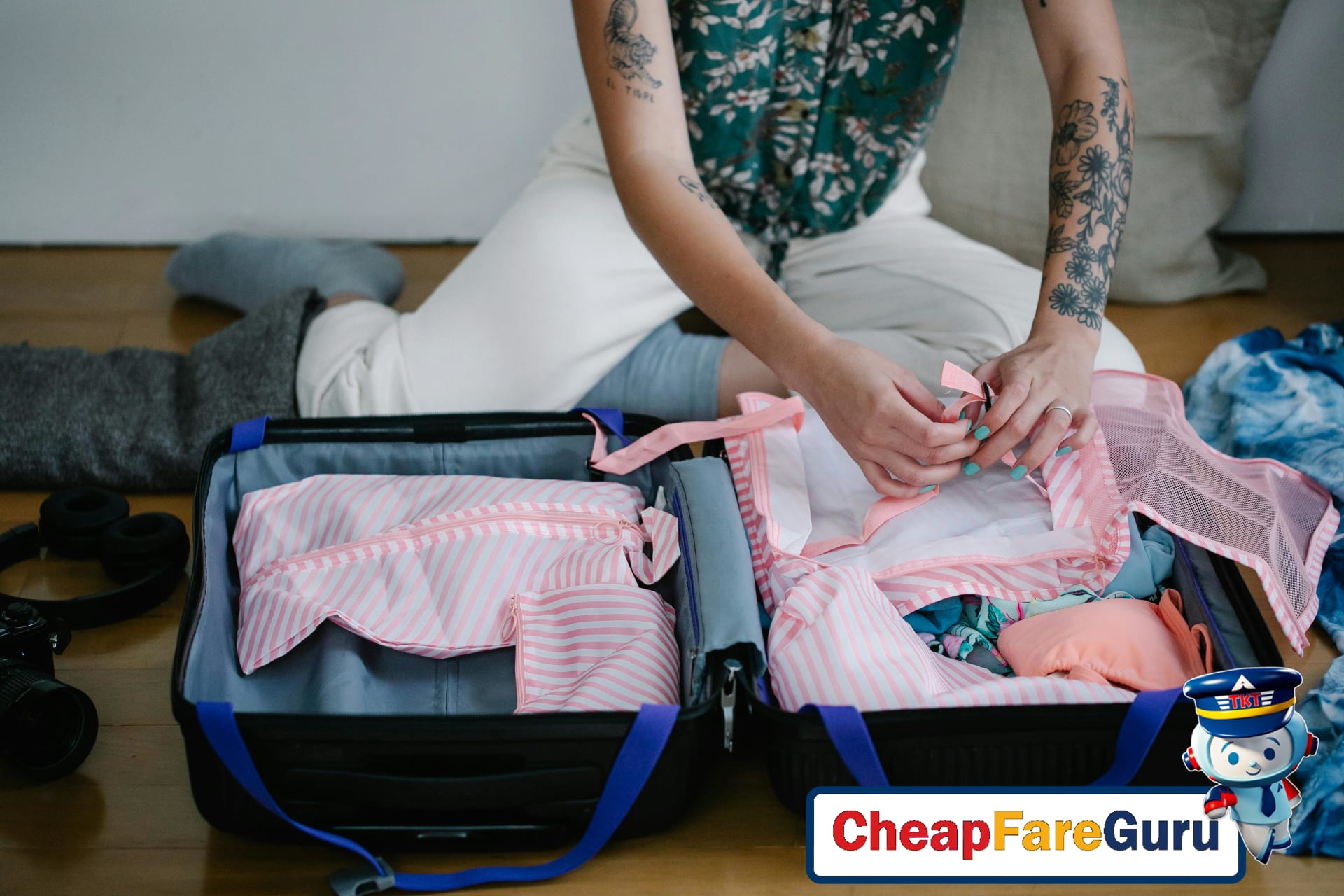
By applying these weight distribution strategies, families can travel smarter and lighter. At CheapFareGuru, we believe informed packing alongside savvy booking can make all the difference for stress-free and affordable journeys.
Avoid Common Family Packing Mistakes
Packing for a family trip can quickly become overwhelming, but avoiding typical errors can streamline your travel experience. One of the most frequent mistakes parents make is overpacking their kids’ bags. While it’s tempting to prepare for all possibilities, lugging heavy, unnecessary items not only creates hassle but can also lead to extra baggage fees and slower travel days.
Ignoring weather forecasts is another common oversight. Weather can change rapidly, especially when traveling between different climates or seasons. Pack versatile clothing options and layerable pieces to handle unexpected temperature shifts without overpacking bulky jackets or fragile outfits.
Essential documents and comfort items often get left behind in the chaos of preparation. Things like passports, health insurance cards, and favorite toys or blankets provide comfort and security for kids during travel. Set aside a dedicated family travel folder or pouch where all important papers and small comforts stay organized and easily accessible.
Last-minute packing adds unnecessary stress and increases the chances of forgetting key items. Create a packing timeline to break down tasks across several days before departure—this reduces frantic rushing and helps parents review their lists thoroughly. Labeling each child’s suitcase and bags can also prevent mix-ups, especially when juggling multiple family members.
Unsafe packing practices should never be overlooked. Sharp objects like scissors or exacto knives can pose serious risks if packed incorrectly or left accessible to children. Always double-check bags for prohibited or dangerous items before heading to the airport. Additionally, avoid stuffing small parts or choking hazards where they might be easily lost or ingested.
One vital but often overlooked practice is contingency packing. Include a small emergency kit featuring basic first aid supplies, extra snacks, spare clothing, and chargers. These items can be lifesavers during travel delays or unexpected situations. Preparing for emergencies not only ensures safety but also keeps your family comfortable and calm.
To minimize stress, develop a checklist review routine. Revisit your packing list multiple times and tick off completed items systematically. This approach helps catch forgotten essentials early and reduces packing anxiety on travel day. Parents who plan ahead and stay organized enjoy a smoother, more enjoyable journey for the whole family.
Packing Guide FAQ for Families
Packing for kids can be challenging, but getting answers to common questions helps ease the process. Here are key tips to streamline your family trip packing.
Can I Bring Liquids and Medicines for My Child?
Yes. The TSA allows parents to carry reasonable amounts of liquids, gels, and medicines for children. This includes baby formula, breast milk, and medication in liquid or pill form. Be prepared to declare these items at the security checkpoint and separate them for inspection. Label medicines clearly and bring prescriptions if possible to avoid delays.
What Are Must-Have Items for Toddlers and School-Age Kids?
Essential packing items vary by age but generally include:
- Comfortable clothing layered for changing weather
- Favorite snacks and refillable water bottles
- Basic first-aid kit with child-specific supplies
- Entertainment like books, tablets, or small toys
- Travel-size hygiene products suited for kids
- For toddlers, bring a lightweight stroller and portable blanket
These essentials ensure comfort and convenience throughout your journey.
When Should I Start Packing to Avoid Last-Minute Rush?
Start packing at least 3–5 days before departure. This gives you enough time to gather all necessities without stress. Lay items out to check for missing pieces, and allow extra time for laundry or shopping last-minute essentials. Preparing early also lets you adjust based on weather forecasts or itinerary changes.
Why Is Weight Distribution Important in Kids’ Luggage?
Proper weight distribution prevents kids from straining themselves when carrying bags, reducing the risk of injuries. Use lightweight bags and pack heavier items at the bottom. Balance the load evenly between sides to aid stability, especially if your child is wheeling their own luggage. This approach makes travel more comfortable and safer for little travelers.
How Can I Save Space Without Sacrificing Essentials?
Try these space-saving tips:
- Roll clothes instead of folding to maximize suitcase capacity
- Use packing cubes to organize and compress clothing efficiently
- Opt for multi-use items like jackets with removable liners
- Limit duplicates by planning outfit rotations
- Choose travel-size toiletries and refillable containers
These tactics free up room while keeping all necessities within reach.
What Are Budget-Friendly Kids’ Travel Gear Brands?
Parents looking to save should consider brands known for affordability and durability such as Skip Hop, Osprey, and JanSport. These offer practical backpacks, luggage, and travel accessories at reasonable prices. Shopping seasonal sales at major retailers or browsing CheapFareGuru can yield especially good deals on essential kids’ gear.
Can I Pack Snacks and Toys in Carry-On Bags for Children?
Absolutely! Snacks, small toys, and comfort items are encouraged in carry-on for kids. Pack non-liquid snacks like granola bars, crackers, and dried fruit to comply with TSA rules. Favorite toys and books help keep kids entertained on the plane and during layovers. Keeping these items accessible minimizes fuss during travel.
Final Packing Tips for Stress-Free Family Trips
Successful family trips depend heavily on smart packing strategies, and that starts with detailed checklists tailored to your specific needs. Keeping TSA compliance at the forefront ensures a smooth security process, while focusing on space efficiency helps maximize your luggage capacity without overpacking. When traveling with kids, packing smart means including essentials but avoiding unnecessary bulk, so everyone stays comfortable and stress-free.
Planning ahead is crucial. Organize your packing by categories such as clothing, toiletries, electronics, and snacks, then arrange items by weight to maintain balance in your bags. This method not only makes unpacking easier but also helps you avoid overweight baggage fees by distributing heavier items evenly.
By incorporating these curated packing strategies, your family will enjoy more comfort and less hassle throughout your journey. Thoughtful preparation reduces the usual last-minute chaos and allows everyone to focus on the excitement of travel, not the stress of forgotten items or overcrowded bags.
Don’t forget, great travel deals can also ease the overall stress of family trips. Visit CheapFareGuru to explore affordable flights, hotels, and vacation packages tailored to your family’s budget. With real-time fare searches and discounted options, you can confidently secure the best rates for memorable getaways without overspending.