
Overcome Language Barriers While Traveling
Traveling abroad is thrilling, but not knowing the local language often leads to frustrating challenges that can quickly sour the experience. Whether you’re navigating public transportation, ordering meals, checking into hotels, or striking up conversations with locals, language barriers cause frequent misunderstandings. A simple bus stop announcement might slip by uncomprehended, or you may receive a meal that’s nothing like what you expected. These daily communication hurdles affect more than convenience—they can disrupt your itinerary and impact your overall comfort.
For example, misreading a bus schedule due to language confusion may cause you to miss a crucial connection. Difficulty explaining dietary restrictions or food preferences can leave you hungry or unwell. When booking or staying at accommodations, unclear communication could lead to room mix-ups or missed amenities. Socially, language barriers hinder opportunities to connect with locals, depriving you of richer cultural insights. These practical frustrations accumulate, turning what should be an exciting adventure into a stressful ordeal.
Recognizing these common difficulties is the first step toward a smoother journey. Effective communication plays a vital role in travel enjoyment and safety, empowering you to explore confidently. Luckily, breaking down language barriers does not require fluency. With a few simple strategies and tools—ranging from helpful apps to universal gestures—any traveler can overcome these obstacles.
This article will provide easy, actionable tips designed specifically for budget-conscious and practical travelers like you. By applying these techniques, you’ll enhance your ability to interact, reducing misunderstandings and elevating your travel comfort. Whether you’re planning a short city trip or an extended international vacation, mastering communication hacks ensures a better experience, opening doors to new adventures and less stress.
At CheapFareGuru, we understand that travel isn’t only about scoring affordable flights and hotels—it’s about making every moment count. That’s why alongside helping you book smart, we equip you with essential travel skills, starting with overcoming language barriers effectively.
Learn Key Phrases for Essential Communication
Mastering a few key phrases in the local language can transform your travel experience, helping you connect smoothly with locals and navigate everyday situations confidently. Simple expressions like greetings, polite words, and essential questions open doors to friendlier interactions at airports, restaurants, and hotels, making your trip more enjoyable and less stressful.
Start by learning basic greetings such as “Hello,” “Goodbye,” and “Thank you.” These words set a positive tone right from the start. Phrases like “Excuse me,” and “Could you help me?” are invaluable when you need assistance or directions. Being able to say “Where is the bathroom?” or “How much does this cost?” can save time and avoid confusion in markets or eateries.
Here are some concrete examples of useful phrases travelers should memorize:
- Greetings: “Hello” – Hola (Spanish), Bonjour (French), Nǐ hǎo (Chinese)
- Thank you: Gracias, Merci, Xièxiè
- Help: Ayuda, Aidez-moi, Bāngzhù
- Excuse me/pardon me: Perdón, Excusez-moi, Duìbuqǐ
- Numbers: One (Uno, Un, Yī), Two (Dos, Deux, Èr), Three (Tres, Trois, Sān)
- Polite expressions: Please – Por favor, S’il vous plaît, Qǐng
Remembering these phrases is easier with pronunciation tips and repetition techniques. Try mimicking native speakers through language apps or videos to capture the correct intonation. Associating new words with images or real-life scenarios helps retention. For example, practice ordering your favorite food in the local language before your trip to build confidence in restaurant settings.
To ensure you’re learning the most up-to-date and relevant expressions, consult recent phrase lists from trusted sources. Official tourism websites frequently offer phrasebooks tailored to travelers. Reliable language learning apps also provide audio examples, keeping you current with slang or regional variations. Checking these resources before your journey prepares you for smoother communication.
Equipping yourself with essential key phrases adds a personal touch to your travels and helps overcome language barriers effortlessly. It’s a small investment that yields great comfort, making destinations feel more welcoming and accessible. For more travel tips and unbeatable flight deals, trust CheapFareGuru to make your journey affordable and hassle-free.
Use Translation Apps to Bridge Language Gaps
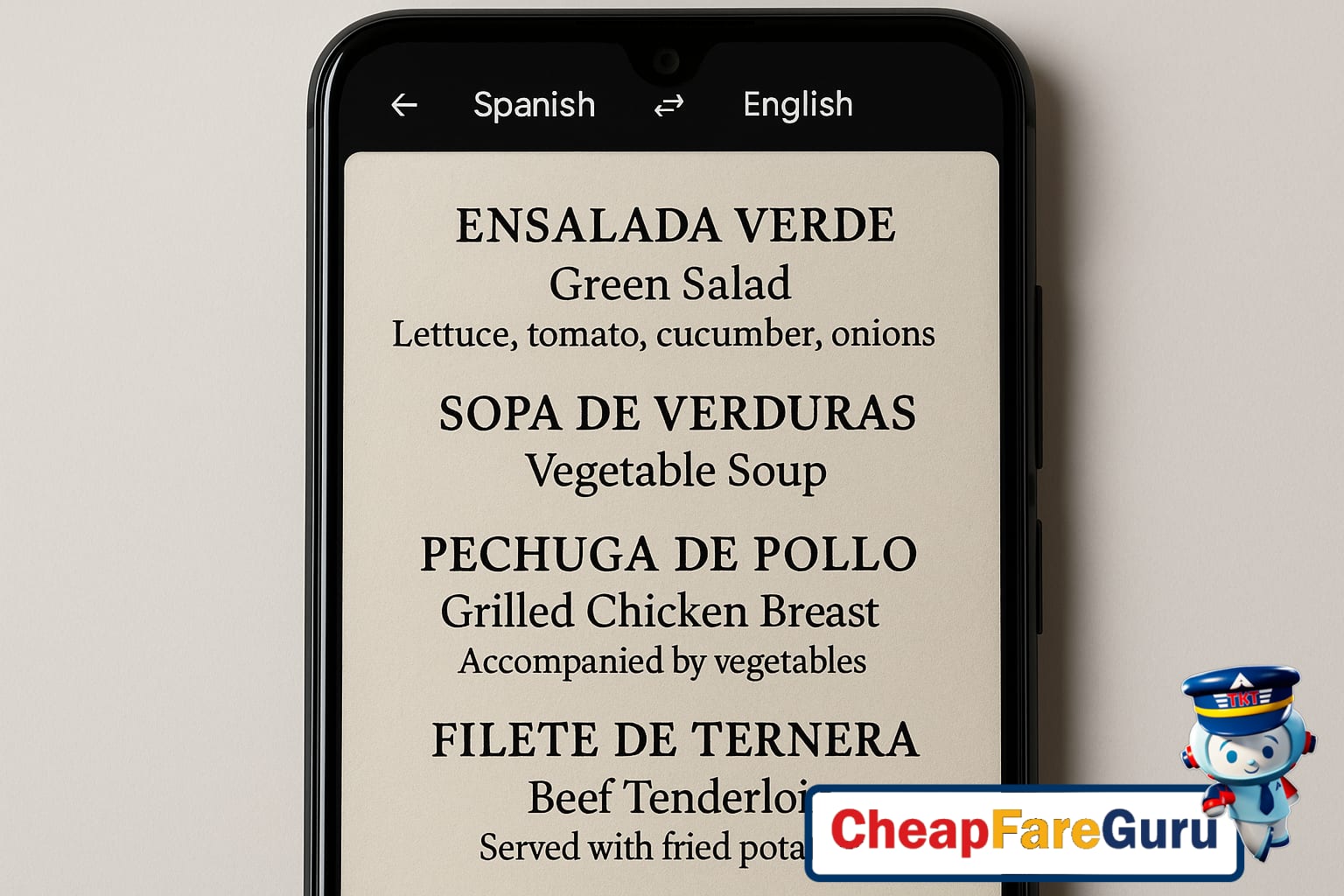
Traveling to a country with unfamiliar languages can create communication challenges, but modern translation apps are powerful tools that help bridge those gaps. Among these, Google Translate stands out for its user-friendly interface and robust camera translation features. By simply pointing your phone’s camera at menus, signs, or handwritten notes, the app instantly converts foreign text into your language, making it easier to navigate new environments without needing to type or speak words manually.
Before your journey, it’s essential to prepare your apps to maximize their usefulness. Most translation apps, including Google Translate, allow you to download language packs for offline use. This is crucial when traveling in areas with limited or expensive internet access. Enabling offline mode means you can rely on instant translations even without a data connection, ensuring continuous support throughout your trip.
To efficiently use these apps, try multitasking: have your translation app open while ordering at restaurants or shopping, and use the camera feature to quickly scan and translate lengthy text. Learning a few basic phrases combined with app assistance can reduce misunderstandings and smooth your experience. Additionally, some apps offer voice input and conversation modes to translate spoken dialogue in real time, which is particularly handy in face-to-face interactions.
Translation apps are continually improving thanks to frequent updates. It’s a good idea to verify that your app is updated to the latest version before traveling. Check official app stores or trusted travel platforms for release notes on new features and bug fixes. Staying current helps you benefit from enhanced accuracy and expanded language support.
While no app can replace fluent language skills, translation tools provide a practical and affordable layer of assistance, empowering budget-conscious travelers to explore confidently. By setting up translation apps like those available through CheapFareGuru, you can manage language barriers smoothly and focus on enjoying your journey.
Carry Local Language Information Cards
When traveling abroad, language barriers can quickly create confusion, especially when navigating transport or emergencies. One of the most practical ways to stay prepared is by carrying local language information cards. These cards should include essential details like your hotel’s name, address, and contact number written in the local script. Having this information readily available makes it easier to communicate with taxi drivers, ask for directions, or seek urgent help without the risk of mispronunciation or misunderstanding.
Even if you only know a few words of the local language, showing a clear written card often bridges the communication gap more effectively than struggling to speak. For example, presenting your hotel’s name and address on a card helps taxi drivers quickly identify your destination, preventing unwanted detours and saving you both time and money. In emergencies, showing locals or medical staff this information can be crucial if you can’t explain your situation verbally.
While physical cards are easy to carry, they can also get lost or damaged during your trip. To avoid this, prepare digital copies stored on your smartphone or cloud storage apps you can access anytime. Taking photos or scanning the cards keeps vital info at your fingertips, even if you misplace the printed version.
Here’s a quick checklist for your local language information cards:
- Hotel name, address, and phone number
- Emergency contacts, including local police and hospital numbers
- Important phrases relevant to your trip’s needs (e.g., “help,” “I’m lost,” “I need a doctor”)
Creating these cards should be a top step in your travel prep. Many online translation tools and local tourism websites can provide accurate translations or printable templates. Additionally, CheapFareGuru offers travel tips and resources that can guide you in prepping smart travel documents and staying safe abroad.

Use Nonverbal Methods to Communicate
When traveling abroad, language barriers can turn even simple tasks—like ordering food or asking for directions—into challenges. That’s where nonverbal communication shines. Gestures, charades, and facial expressions often serve as universal tools to bridge the gap when words fail, helping you connect and convey your needs effectively.
For instance, when ordering food, mimicking eating motions or pointing to a menu item can clearly indicate your choice. If you need directions, drawing imaginary maps in the air or using your fingers to count turns springs naturally. In emergency situations, gestures like raising your hand to signal “stop” or pointing urgently can quickly draw attention and help you get assistance.
Charades, or acting out your requests without speaking, also work well. Pretending to sip a drink when asking for water or mimicking sleeping to ask about accommodations can be both practical and entertaining. These creative techniques often break the ice and build rapport with locals who appreciate your effort to communicate without relying on language fluency.
For example, the “thumbs-up” sign is positive in many Western countries but can be culturally sensitive or insulting in parts of the Middle East and Asia. Similarly, beckoning someone with your index finger is norm in the US but considered disrespectful in some Asian cultures. It’s always worth researching common gestures before you travel or observing locals carefully before mimicking body language.
Another cultural nuance involves facial expressions. While a smile is generally seen as friendly worldwide, the context and intensity can differ. Excessive eye contact can be interpreted as confidence in some countries and as aggression in others. Adjusting your nonverbal cues to suit the setting shows respect and prevents misunderstandings.
Ultimately, using nonverbal communication creatively enhances your travel experience. It not only helps you get what you need but also fosters a genuine connection with people around you. When words fail, a simple gesture or playful charade can turn strangers into friends, making your journey smoother and more memorable.
Find Help from English-Speaking Locals
When traveling abroad, connecting with locals who speak English can make your experience far smoother and more enjoyable. Identifying the right people to approach for help requires a bit of observation and cultural awareness. Typically, younger generations, hospitality staff, and shop employees are your best bet for finding English speakers who can assist with directions, recommendations, or other travel necessities.
Younger people—especially students and professionals—have often studied English in school or learned it through media and are usually happy to practice with visitors. Hospitality staff at hotels, hostels, and restaurants are trained to communicate with international guests, making them reliable sources of information. Likewise, employees in tourist shops, cafes, or transport hubs often know basic English to assist customers, so don’t hesitate to ask.
Approach locals politely and respectfully to create a positive interaction. Simple phrases like “Excuse me, do you speak English?” or “Could you please help me?” work well. You can also use “I’m looking for…” followed by your question, such as directions or recommendations. These phrases signal your respect for their time and willingness to engage, encouraging locals to offer assistance.
Beyond practical help, these conversations offer a great opportunity to practice basic language skills and immerse yourself in the local culture. Trying a few words or phrases in the native language can break the ice and foster a friendly exchange. Locals often appreciate the effort and may share insider tips or stories that enrich your travel experience.
Remember, respectful communication and patience go a long way. Using English-speaking locals as guides not only solves immediate travel questions but also connects you with the community, turning challenges into memorable moments. For additional travel tips and ways to save on your next trip, visit CheapFareGuru.
Stay Patient and Open to the Experience
Travel often comes with unexpected twists—language mix-ups, unfamiliar customs, or simple misunderstandings. Rather than letting these moments frustrate you, embracing patience and humor can transform awkward situations into cherished memories. For example, a traveler trying to order a meal in a foreign language might end up with a dish completely different from what they expected—but that surprise often becomes the highlight of the trip.
Lighthearted stories like mixing up words or gestures, accidentally hopping on the wrong bus, or misreading signs are common among travelers. These moments, though minor setbacks, offer lessons in flexibility and cultural appreciation. Instead of stress, they invite curiosity and laughter, reminding us that mistakes are part of the adventure, not its failure.
By accepting that miscommunications will happen, you ease tension and foster an open-minded approach. Practicing patience allows you to connect more deeply with locals, appreciate cultural differences, and discover authentic experiences that an overly rigid itinerary might miss. A calm mindset reduces anxiety, helping you stay present and enjoy the journey as it unfolds.
Approaching travel with kindness and a sense of humor can turn a moment of confusion into a story worth sharing. Whether it’s struggling to ask for directions or understanding local customs, these experiences enrich your travel stories and personal growth. Every misstep is an opportunity to learn, adapt, and embrace the richness of new environments.
Ultimately, staying patient and open during travel nurtures a positive mindset that keeps stress at bay. This outlook not only enhances your enjoyment but also fosters respect and understanding between cultures. Remember, travel is as much about the journey as the destination, and how you experience the little bumps can define your entire trip’s spirit.
Language Barrier FAQs Every Traveler Should Know
What are the most important phrases to learn before traveling abroad?
Focus on basic greetings, asking for directions, ordering food, and emergency terms like “help” or “doctor.” These phrases ease communication and show respect for local culture, making your trip smoother despite language barriers.
How do translation apps like Google Translate work for travelers?
Translation apps use AI to convert spoken or written words into your preferred language instantly. They’re handy for overcoming language barriers by providing quick translations, though accuracy varies, so double-check important information.
When should I rely on written language cards during my trip?
Use written cards when technology fails or battery dies. Cards with key phrases or questions are practical in noisy environments and can help communicate complex needs clearly despite language barriers.
Why is patience important when facing language difficulties?
Patience fosters understanding and reduces frustration on both sides. Language barriers can slow conversations, so staying calm helps you navigate misunderstandings and build goodwill with locals for a positive travel experience.
Can I communicate effectively without speaking the local language?
Yes, through gestures, facial expressions, and body language. Combining these with simple words and translation apps often bridges gaps, proving that effective communication doesn’t always require language fluency.
How to find English-speaking locals in a foreign country?
Look for younger people, tour guides, hotel staff, and workers in tourist areas, as they’re more likely to speak English. Apps like Meetup or local expat groups can also connect you with English speakers quickly.
What’s the best way to prepare for language challenges before traveling?
Learn key phrases, download offline translation apps, and carry written language cards. Research common communication customs; preparation minimizes language barriers and boosts your confidence abroad.
Communicate Confidently Despite Language Barriers
Traveling to a destination where you don’t speak the language fluently can be intimidating, but by applying a few key strategies, you can navigate communication challenges with ease. Mastering essential phrases gives you a foundation to express basic needs and engage locals warmly. Pairing this with technology tools—like translation apps and offline dictionaries—bridges the gap instantly when words fail.
Nonverbal cues are powerful: gestures, facial expressions, and body language often speak louder than words, helping you convey intentions clearly. Don’t hesitate to seek help from locals or fellow travelers; a simple smile combined with a willingness to listen goes a long way in building connections. These approaches together build a confident, adaptable communication style that minimizes stress and maximizes your travel experience.
Remember, fluency is never a prerequisite for meaningful interaction. Your confidence and openness are the keys to unlocking new experiences. Embrace the learning process and allow yourself to make mistakes—most locals appreciate the effort more than perfect pronunciation.
As you prepare for your next adventure, equip yourself with these communication tactics to feel empowered abroad. Simultaneously, explore CheapFareGuru to find affordable travel options that suit your budget and preferences. Our platform supports you not only with unbeatable deals but also with 24/7 customer service that understands the nuances of your travel plans.
By combining smart communication strategies with reliable travel booking resources like CheapFareGuru, you put yourself in the best position to enjoy smooth, memorable journeys anywhere in the world. Confidence in how you connect enables you to focus on the joy of discovering new places and cultures—without letting language barriers hold you back.