
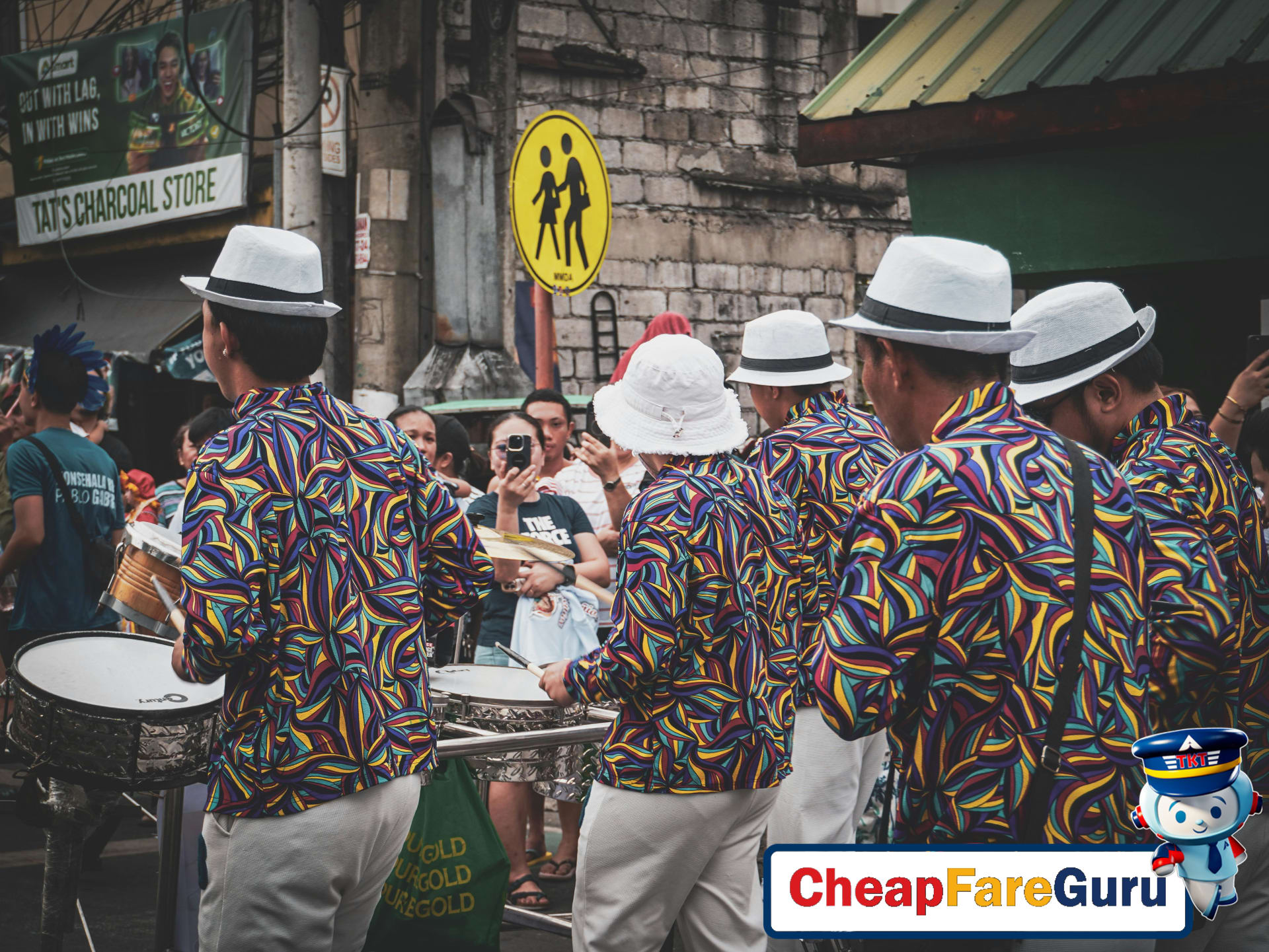
Why Philippine Independence Day Matters

Philippine Independence Day, known locally as Araw ng Kalayaan, is celebrated every June 12 to honor the country’s freedom from Spanish colonial rule. This date marks the historic moment in 1898 when Filipino leaders declared independence in Kawit, Cavite, raising the national flag for the first time. That act became a powerful symbol of unity and pride, and it’s still a source of inspiration for Filipinos across Luzon, Visayas, and Mindanao.
The significance of this holiday goes far beyond parades and fireworks. For many, June 12 is a time to reflect on the sacrifices made during the Philippine Revolution and to celebrate the enduring spirit of the Filipino people. I remember the first time I read about the bravery of the revolutionaries—it gave the holiday a much deeper meaning for me, especially seeing how families and entire communities come together to honor their shared heritage.
Filipinos at home and abroad mark the occasion with flag-raising ceremonies, cultural performances, and gatherings that reinforce a strong sense of identity. The day also encourages a look back at major historical events, reminding everyone of the resilience and unity that shaped the nation. If you’re interested in exploring more about regional history, I’d recommend checking out our post on the Best Historical Sites in Southeast Asia for travel inspiration.
For a concise overview of the Philippine Revolution and its impact, the National Historical Commission of the Philippines offers a reputable summary on their official education page.
Vibrant Independence Day Destinations Philippines

If you want to experience the Philippines’ Independence Day in full color, you’ll find no shortage of celebrations across the country. Manila, Cebu, Davao, and Vigan each offer something unique, whether you’re after grand parades or local traditions. Here’s where I’d head for the most memorable festivities—and why each city stands out.
Manila’s Historic Celebrations
Manila is the heart of Independence Day events, especially at Rizal Park. Expect a military parade, flag-raising ceremony, and cultural performances that draw big crowds. The evening usually ends with a fireworks display over the city. I usually recommend Rizal Park for first-timers, but be prepared for heavy foot traffic—major avenues fill up early. For a quieter view, the area near the National Museum offers a great vantage point.
Cebu’s Festive Street Parades
Cebu City comes alive with street parades, vibrant music, and lively cultural shows. Local dance troupes in traditional attire fill the streets, making it a photographer’s dream. Colon Street and Fuente Osmeña Circle are prime spots for parade-watching. If you’re planning a wider festival trip, check out our Best Festivals to Attend in the Philippines guide for more ideas.
Vigan and Davao’s Local Traditions
In Vigan, the cobblestone streets become a stage for folk dances and community processions, blending Spanish-era ambiance with Filipino pride. Davao’s Independence Day is marked by community events, local food fairs, and family-friendly activities in People’s Park. I’ve found Vigan’s blend of history and celebration especially atmospheric—perfect if you want something a bit more laid-back than Manila’s crowds.
For the latest schedules and route updates, I’d suggest checking the official Philippine tourism events calendar before your trip.
How Independence Day Is Celebrated

Philippine Independence Day, celebrated every June 12, is marked by a vibrant mix of official ceremonies, family gatherings, and lively public events both in the islands and abroad. The day usually starts with solemn flag-raising ceremonies at city halls, schools, and public plazas. Government officials, veterans, and students gather to honor the flag, sing the national anthem, and remember the country’s history of freedom.
Family Gatherings And Local Traditions
After the formalities, many Filipinos head out for family picnics, food fairs, or park outings. Public spaces fill up with stalls selling classic festival favorites like lechon, pancit, and halo-halo. I remember joining my relatives for a lakeside picnic one Independence Day, where we shared homemade dishes and watched children play traditional games. If you’re curious about what to try, check out our guide on Top Filipino Foods To Try During Festivals for some tasty ideas.
Concerts, Performances, And Modern Twists
Major cities host free concerts, street parties, and cultural performances in the evening. Street dancers, marching bands, and even drone light shows have become part of the celebration in recent years. I’ve found that catching a live concert in Manila’s open-air parks is a highlight—crowds sing along to patriotic songs and local artists bring a festive energy that’s hard to match.
Celebrations Abroad And Virtual Events
For Filipinos living overseas, community groups organize parades, potlucks, and flag-raising events in cities like Los Angeles, Dubai, and Toronto. In recent years, virtual gatherings and livestreamed concerts have allowed families and friends to celebrate together even from afar. These online events help keep traditions alive, no matter where you are in the world.
Best Ways To Save On Flights

If you’re aiming to score a cheap flight to the Philippines around June 12, timing really is everything. I’ve found that shifting my departure by just a day or two—especially avoiding weekends—can make a surprising difference in the price. For holiday travel like Independence Day or local festivals, fares tend to spike right around the event, so try to fly a few days before or after peak dates if possible.
Use Fare Alerts And Flexible Search
One of my favorite tricks is setting up price alerts on cheapfareguru.com. This tool notifies you when fares drop, which is especially helpful for popular routes to Manila or Cebu. I also recommend using the flexible dates feature to compare prices across a week—sometimes, a Tuesday or Wednesday flight is about $50.00 cheaper than a Friday one.
Book Early Or Go Last-Minute?
For June flights, booking about two months out usually lands a better deal. But, if you’re spontaneous (or missed the early window), last-minute fares sometimes pop up as airlines fill seats. I once snagged a great price for a festival by checking daily in the two weeks before departure—just keep your bags ready to go.
Compare Routes And Connections
Direct flights are convenient but often pricier. Connecting through a regional hub like Hong Kong or Seoul can drop the fare, though you’ll want to avoid unnecessarily long layovers. I’d compare both options on cheapfareguru.com before deciding. And don’t forget to check out our guide on How To Find Hidden Airline Fees Before You Book—it’s easy to overlook extra costs that eat into your savings.
Filipino Food Traditions On Independence Day

Filipino Independence Day celebrations are as much about food as they are about history. Across the country, you’ll find tables loaded with lechon (whole roasted pig), trays of pancit (stir-fried noodles), and colorful kakanin (rice cakes) made with coconut and local fruits. These dishes aren’t just delicious—they’re traditions that bring families and communities together, whether you’re at a street parade in Manila or a backyard party in Davao.
Lechon is the undisputed centerpiece at big gatherings, especially during festivals. Pancit, believed to symbolize long life, is a must-have at every celebration. Kakanin varieties like bibingka and puto are sweet treats found everywhere from churchyards to outdoor markets. I still remember the first time I tried fresh bibingka at a small plaza in Quezon City—the warm, smoky flavor was unforgettable and instantly made me appreciate the care that goes into Filipino festival food.
Street food culture comes alive on Independence Day, too. You’ll spot vendors selling skewered barbecue, kwek-kwek (battered quail eggs), and halo-halo (a shaved ice dessert with fruit and beans). Drinks like sago’t gulaman (sweet tapioca and jelly) are especially refreshing in the June heat. Each region puts its own spin on these classics—Ilocos empanada up north, spicy kinilaw in Mindanao, or Bicol’s coconut-rich laing.
If you want to taste the real thing, I’d suggest asking locals or vendors which dishes were cooked that morning—food turnover is fast during peak festivities, so you’re likely to get something fresh. For more on food adventures beyond the Philippines, check out this guide to Affordable Street Food Experiences In Southeast Asia.
Festivals And Traditions Beyond Manila
While Manila has its share of Independence Day parades and concerts, some of the most memorable cultural experiences happen far from the capital. For example, Bicol’s Pintados Festival features body-painting and warrior dances rooted in ancient local traditions, while Iloilo’s Dinagyang Festival dazzles with vibrant costumes and drumbeats that echo the region’s indigenous heritage. I was genuinely surprised by the T’nalak Festival in South Cotabato, where I watched local weavers demonstrate the intricate process of making T’nalak cloth—a tradition passed down through generations of the T’boli people.
If you’re interested in authentic crafts and regional art, many provinces host open-air exhibits and handicraft fairs in June. Look for barangay centers or municipal halls in places like Pampanga or Davao, where you might find live weaving, pottery, and even impromptu music performances from local ethnic groups. Art galleries in cities like Bacolod and Baguio often hold open houses or special exhibits, offering a closer look at contemporary Filipino artists alongside folk traditions.
Experiencing these regional celebrations is a reminder not to limit your cultural exploration to Manila. If you’re planning your trip and want more ideas, check out our guide to Underrated Places To Visit In The Philippines for suggestions that go beyond the usual tourist trail.
Where To Stay For Festivities

Booking a hotel for Philippine Independence Day festivities requires a little extra planning. In Manila, Cebu, and Davao, rooms near major parade routes and event plazas fill up quickly—sometimes weeks in advance. I learned the hard way after once staying right next to a parade route; the excitement was great, but the noise and crowds made it tough to relax or get a good night’s sleep. If you’re traveling with family or value quiet downtime, check the event maps and try to find accommodations a few blocks away from the main action.
Hostels and guesthouses are the go-to for budget travelers, especially in city centers. A hostel bunk in Manila typically costs around $15.00 per night, while a mid-range hotel room is about $60.00. For those who prefer more comfort or are traveling with kids, larger hotels and serviced apartments are widely available in all three cities, often with amenities like pools and on-site dining. In vacation-friendly areas just outside the city—think Tagaytay or Mactan Island—you’ll find resorts that offer a quieter setting but may require a short drive to reach the festivities.
Wherever you book, consider proximity not just to parades but also to public transport and late-night dining options. Safety is generally good in well-trafficked neighborhoods, but always check recent reviews for peace of mind. For more ideas, take a look at our companion guide, Asia’s Best Family Hotels For Festivals, which covers family-friendly stays across the region.
Philippine Independence Day Travel Budget
Planning a trip to the Philippines for Independence Day can be as budget-friendly or as comfortable as you want, but it helps to see the numbers laid out clearly. I’ve learned that setting a realistic budget ahead of a public holiday trip not only prevents overspending but also helps me prioritize experiences I care about most. Below, I’ve broken down typical daily costs for three travel styles—budget, mid-range, and luxury—across the main spending categories you’ll encounter.
| Accommodation | Food | Transport | Activities | |
|---|---|---|---|---|
| Budget | $25.00 | $10.00 | $8.00 | $12.00 |
| Mid-range | $60.00 | $25.00 | $18.00 | $25.00 |
| Luxury | $150.00 | $60.00 | $40.00 | $50.00 |
These values reflect typical daily spending for each style and can help you estimate your total trip costs. I’d recommend using this as a starting point and adjusting based on your own priorities—especially if you plan to splurge on special Independence Day events or tours.
FAQs About Philippine Independence Day
- What is Philippine Independence Day and why is it celebrated?
Philippine Independence Day, celebrated every June 12, marks the country’s declaration of independence from Spanish colonial rule in 1898. It’s a national holiday filled with patriotic displays, parades, and cultural performances. Travelers will notice the Philippines comes alive with flags, music, and public celebrations throughout cities and towns.
- When and where are the main celebrations?
The biggest Independence Day events take place on June 12, especially in Manila. The Rizal Park area often hosts the official flag-raising ceremony and military parade. You’ll also find festivities in many provincial capitals, but Manila typically draws the largest crowds and most elaborate displays each year.
- What are the best tips for saving money on flights to the Philippines for June 12?
Booking your flight well in advance is usually the best way to get lower fares for travel around Philippine Independence Day. I recommend searching flexible dates and comparing prices on sites like cheapfareguru.com to spot deals. Flying midweek instead of weekends can sometimes help you save more.
- Are there special foods to try during the holiday?
Yes, Filipino favorites like lechon (roast pig), pancit (noodles), and kakanin (rice cakes) are often served at gatherings. Many local restaurants and street vendors offer special menus or Independence Day-themed treats. Sampling these dishes is a delicious way to experience the festivities and local culture firsthand.
- How do I avoid crowds at Independence Day events?
Arriving early at major venues can help you find a good spot before the crowds build. If you prefer a quieter experience, consider attending smaller community celebrations outside Manila. I noticed that provincial towns often host parades with fewer people, making it easier to enjoy the festivities comfortably.
- Do hotels in Manila fill up during Independence Day?
Hotels in Manila can get busy around June 12, especially near Rizal Park and event sites. It’s wise to book your room several weeks in advance to secure your preferred location. If you’re flexible, staying a bit farther from downtown can sometimes offer better availability and lower rates.
- What safety tips should I know for large street events?
Keep your belongings secure and be mindful of pickpockets in crowded areas. It’s also a good idea to stay hydrated and wear comfortable shoes, as you may be on your feet for a while. Always follow local authorities’ guidance and pay attention to event signage for safe entry and exit points.
Experience Independence Day Traditions Firsthand
Philippine Independence Day is more than a holiday—it’s a vibrant celebration of freedom, unity, and the country’s diverse heritage. From lively parades in Manila to heartfelt community gatherings on smaller islands, each region adds its own flavor to the festivities. Whether you join a local street dance or sample a fresh plate of pancit, you’ll find the spirit of the Philippines shining through.
If you’re planning a trip, consider timing your visit to experience these celebrations in person. I’ll never forget how sharing a meal with locals during the festivities made me feel truly welcome and gave me a lasting connection to the islands’ vibrant culture.