
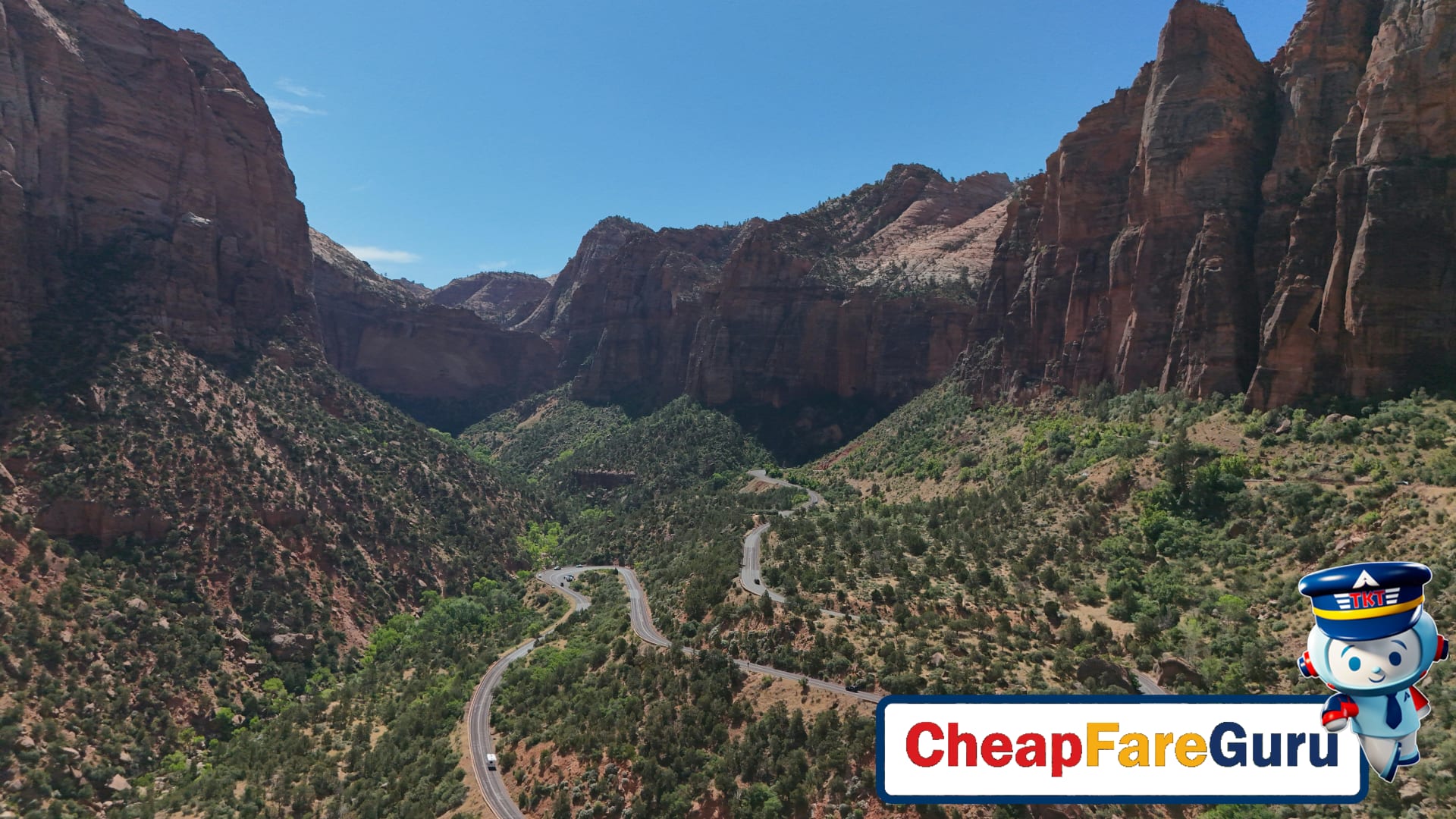
Planning Your Utah Mighty 5 Route
Utah’s Mighty 5 refers to the state’s five iconic national parks: Zion, Bryce Canyon, Capitol Reef, Arches, and Canyonlands. Each park offers distinct landscapes, from Zion’s towering red cliffs to the surreal arches near Moab. Driving a loop to see all five is one of the classic American road trips, and it’s absolutely doable with the right planning.
Most travelers start their journey from either Las Vegas or Salt Lake City, since both cities have major airports and plenty of rental car options. Las Vegas is closer to Zion, making it a natural starting point if you want to hit the parks west to east (Zion → Bryce Canyon → Capitol Reef → Arches → Canyonlands). Salt Lake City works well if you prefer to begin with Arches and Canyonlands and finish in Zion.
For a relaxed pace that lets you actually enjoy the scenery and do some hiking, I’d recommend at least 7–10 days for the full Mighty 5 circuit. When I mapped out my own route, I underestimated driving times between parks—Utah’s distances are bigger than they look on a map, so building in buffer days really helped me avoid feeling rushed.
Choosing Your Driving Direction
If you’re flying into Las Vegas, starting with Zion and heading east makes sense. If your flights are in and out of Salt Lake City, consider the reverse. Both directions offer stunning scenery, but check flight prices on cheapfareguru.com for the best deals. Also, be sure to check the official National Park Service Utah Mighty 5 itinerary for any road closures or detours before you finalize your route.
Practical Route Planning Steps
- Pin your starting and ending cities (Las Vegas or Salt Lake City).
- Map out each park stop, noting mileage between them.
- Identify towns with grocery stores or gas, as some stretches are remote.
- Book lodging inside or near parks well in advance, especially in peak seasons.
- Allow extra time for scenic detours, park shuttles, and unexpected weather.
Essential Packing For National Parks
Utah’s Mighty 5—Arches, Bryce Canyon, Canyonlands, Capitol Reef, and Zion—serve up some of the most dramatic and varied landscapes in the U.S., but the weather can swing wildly between parks and even within a single day. I learned firsthand that mornings can be chilly, afternoons scorching, and sudden storms aren’t rare, so packing with flexibility in mind is key.
Utah Hiking Gear Checklist
- Sturdy hiking boots (break them in before your trip)
- Moisture-wicking base layers and a warm fleece
- Wide-brimmed hat and sunglasses for sun protection
- High SPF sunscreen and lip balm
- Lightweight rain jacket
- Hydration system (I forgot my water bladder and regretted it on longer hikes)
- Refillable water bottles (at least 2 liters per person)
Car And Camp Organization
- Cooler for snacks and drinks
- Charging cables and power banks
- Headlamps or flashlights with spare batteries
- Spare tire kit and basic tools
- Daypack for hikes
Food, Snacks, And Camping Gear
- Non-perishable snacks (trail mix, jerky, granola bars)
- Easy camp meals if staying overnight
- Compact stove, utensils, and fuel
- Tent, sleeping bag, sleeping pad, and pillow
- First aid kit and insect repellent
If you want the most comprehensive list, I’d compare this with The Ultimate National Park Packing List or check the National Park Service’s official packing advice before you leave.
Must-See Scenic Stops In Each Park
If you’re planning a Mighty 5 road trip, having a route with the best scenic stops makes all the difference. Here’s a practical checklist of the top viewpoints, short hikes, and photo spots in each Utah national park—plus a suggested order that flows naturally from west to east. I’ll also share the scenic viewpoint that surprised me most along the way.

Zion National Park Highlights
- Angels Landing Viewpoint: Even if you don’t hike the whole trail, the first section to Scout Lookout offers jaw-dropping canyon views.
- Zion Canyon Scenic Drive: This shuttle road winds beneath towering cliffs and leads to iconic trailheads—keep your camera ready for the Court of the Patriarchs and Big Bend stops.
Bryce Canyon Must-Sees
- Sunrise Point: The hoodoo-filled amphitheater glows at dawn—one of the most memorable sights I’ve ever seen, with colors I didn’t expect in the high desert.
- Navajo Loop Trail: A short but steep hike that winds through Wall Street’s narrow slot and offers close-up hoodoo views.
Capitol Reef Park Gems
- Scenic Drive: This paved road runs through the heart of the Waterpocket Fold, revealing hidden canyons and dramatic rock layers.
- Hickman Bridge Trail: A relatively easy walk to a natural stone arch, with sweeping views of the Fremont River valley along the way.
Arches National Park Essentials
- Delicate Arch: The classic hike to Utah’s most famous arch is worth starting before sunrise for cooler temps and fewer crowds—I was surprised by how much more impressive the arch looked in person at dawn.
- Landscape Arch Loop: This easy trail in the Devil’s Garden area passes the world’s longest natural arch and several other unique formations.
Canyonlands Park Viewpoints
- Island in the Sky: The Grand View Point Overlook delivers panoramic vistas across canyons and buttes—don’t skip the short walk out to the viewpoint.
- Mesa Arch at Sunrise: Photographers flock here for a reason: the rising sun lights up the arch’s underside, framing the canyon below in brilliant orange and gold.
For more details on trail distances and difficulty, I’d check out the Best Hikes In Utah’s National Parks guide or consult National Park Service trail maps for up-to-date info before you go.
How To Book Park Stays

Booking a place to stay near a national park can be surprisingly tricky—trust me, I’ve been caught off guard by reservation windows closing months before my trip. For in-park lodges and historic inns, you’ll usually need to plan far ahead. Many open reservations up to a year in advance, and popular parks like Yellowstone or Yosemite fill up quickly. Always check the park’s official website or Recreation.gov for the latest details on booking windows and cancellation policies.
Campgrounds inside the park are a mix of reserved and first-come-first-served sites. If you’re aiming for a specific campground, especially during peak season, snagging a reservation as soon as the window opens is your best bet. Some campgrounds let you book six months out, while others open even earlier. For first-come-first-served spots, arriving early in the morning is essential—by late afternoon, most are gone.
If you miss out on in-park options or want more flexibility, consider motels or vacation rentals in nearby towns. Sites like Airbnb and small local lodges can be a lifesaver during high season. I once found a cozy cabin just outside Zion when every campground was full, and it ended up being a highlight of my trip. Just remember, some park entrances are quite a drive from the nearest town—always check distances before booking, and factor in extra drive time for sunrise hikes or early tours.
For last-minute stays, don’t give up hope. Cancellations do happen, especially a few days before arrival. Keep refreshing official booking sites, and call local hotels directly—sometimes they have rooms that aren’t listed online. If you want more tips on snagging affordable stays, check out our guide on How To Find Cheap National Park Hotels for more strategies.
Road Trip Travel Hacks And Pitfalls

Long road trips through the national parks—especially the Mighty 5 in Utah—require a bit of planning to avoid headaches. Keeping gas costs down is a top concern. I always use apps like GasBuddy to find the lowest prices in bigger towns before hitting remote stretches, and I’ve learned the hard way not to pass up a station near a major highway. Isolated stations inside or near parks often charge more, and sometimes they’re closed or out of fuel. If you want to avoid paying about $1.00 extra per gallon, top off your tank before leaving populated areas.
Navigation is another area where a little prep goes a long way. Cell coverage drops out fast in canyon country, so I always download offline maps from Google Maps or park-specific apps before departure. Many parks have their own downloadable trail and road maps, which can be a lifesaver if you’re rerouted due to roadwork or weather.
Park entrance systems are another potential pitfall. Some parks, like Arches and Zion, often use timed entry permits or lottery systems, especially in peak season. If you miss out on a permit, keep checking the NPS Timed Entry portal for last-minute releases or cancellations. I’ve managed to snag a spot this way more than once. Also, watch out for hidden travel fees—rental car companies may tack on surcharges for extra drivers, toll transponders, or even one-way drop-offs. If you’re booking a car, I recommend reading through Tips For Booking Cheap Rental Cars on cheapfareguru.com to avoid surprise charges. Don’t forget that many parks charge for parking or shuttle service, so budget for about $20.00 per vehicle at popular trailheads.
Utah Mighty 5 Travel Budget Table

Budgeting for a Utah Mighty 5 road trip can make the difference between a stress-free adventure and unexpected costs. Here’s a daily budget table for one person, split into Budget, Mid-range, and Luxury tiers. I underestimated how much I’d spend on food and snacks during my first trip—gas station stops and park concessions add up fast, so plan accordingly.
| Budget | Mid-range | Luxury | |
|---|---|---|---|
| Accommodation | $40.00 | $120.00 | $320.00 |
| Food | $18.00 | $45.00 | $95.00 |
| Transport | $30.00 | $55.00 | $155.00 |
| Activities | $12.00 | $28.00 | $70.00 |
Budget Tier Cost Drivers
Camping or dorm-style hostels keep accommodation low, but you’ll need your own gear and may pay extra for showers or laundry. Packing snacks and groceries helps keep food costs down. Sharing a rental car with friends can split daily transport costs, but consider gas and park entry fees. Most hikes are free, but guided tours or gear rentals add up.
Mid-range and Luxury Tips
Mid-range travelers usually book motels or chain hotels, eat at diners, and rent standard vehicles. Luxury travelers opt for upscale lodges, private guides, and premium SUV rentals. If you want more comfort, be ready for higher rates near park entrances and surcharges during peak seasons. For more budget planning strategies, check out our guide on How To Plan A Road Trip On A Budget.
Best Seasons For Utah Mighty 5

Timing your Utah Mighty 5 adventure can make or break the experience. Spring (April–May) and fall (late September–October) are widely considered the sweet spots: you’ll get mild temperatures, wildflowers or golden cottonwoods, and far fewer crowds than in summer. Summer brings the longest days but also the highest visitor numbers, scorching low-elevation heat, and limited shade. Winter offers solitude and dramatic snowy scenery, but expect some road closures—especially at Bryce Canyon and Capitol Reef, where higher elevation means colder temps and periodic snow. I visited in late May, which was gorgeous, but the crowds at Arches and Zion made me wish I’d aimed for late October instead.
Weather, Elevation, And Seasonal Closures
Weather in Utah’s parks varies a lot by elevation. Zion and Arches can hit triple digits in July, while Bryce Canyon sits 8,000 feet up and stays much cooler. Always check official NPS park alerts for seasonal closures—some scenic drives and trails shut down in winter for safety. Most park shuttles run March through late fall, and some campgrounds close in the colder months.
Shoulder Season Hacks And Crowd Myths
It’s a myth that summer is always the best time to visit. In fact, shoulder seasons (especially late April and October) offer more comfortable hiking weather, open roads, and easier lodging. You’ll also avoid the long shuttle lines and packed viewpoints that define peak summer. If you want more details on timing for other national parks, check out our guide to the Best Months To Visit U.S. National Parks.
- Myth: “You have to visit in summer for everything to be open.”
Fact: Most roads and trails are open in spring and fall, and many ranger programs run outside peak summer months. - Myth: “Winter is off-limits.”
Fact: Winter hiking and photography can be spectacular, but check NPS updates for closures and bring warm layers.
Utah Mighty 5 Road Trip FAQs
- How many days do you need for Utah Mighty 5?
Most travelers find that about seven days is a comfortable amount of time to experience the Utah Mighty 5 road trip. This allows for a full day in each national park and some buffer time for scenic drives or short hikes. I wondered this myself before planning my first visit.
- Are pets allowed in Utah’s national parks?
Pets are allowed in all five parks, but their access is limited. For example, dogs can be on paved roads and campgrounds but not most trails. Always check the official National Park Service pet policy for each park to avoid surprises and ensure your pet’s safety and comfort.
- How do you get park entry permits?
Entry permits for the Utah Mighty 5 road trip are usually purchased at park entrances or online through the official National Park Service website. Some parks, like Arches and Zion, may require timed entry reservations during peak season, so it’s smart to book those well in advance.
- What’s the best rental car for Utah Mighty 5?
For the Utah Mighty 5 road trip, a mid-size SUV is a great choice since you’ll encounter some rougher roads and want extra space for gear. Standard cars can work, but I’d compare both options before booking, especially if you’re traveling with family or camping equipment.
- Can you visit all five parks in one trip?
Yes, you can visit all five parks on a single Utah Mighty 5 road trip. The parks are spread out, but the route forms a logical loop. Plan your route carefully, and consider starting early each day to maximize your time at each location and avoid midday crowds.
- What’s the best season for a Utah Mighty 5 road trip?
Spring and fall are the most comfortable seasons for a Utah Mighty 5 road trip. Summer brings high temperatures and crowds, while winter can mean icy roads and limited access. I usually recommend checking seasonal weather trends before locking in your travel dates.
- Where can you find budget flights to Utah?
You’ll usually find the best airfare deals into Salt Lake City or Las Vegas, both of which are good starting points for the Utah Mighty 5 road trip. For discounted flight options, try searching flexible dates on cheapfareguru.com before booking your trip.
Final Utah Mighty 5 Road Trip Thoughts
Wrapping up a Utah Mighty 5 road trip, I’m always struck by how each park offers something truly unique—towering arches, dramatic canyons, and endless hiking possibilities. In my experience, planning ahead and being flexible with your travel dates made the journey both affordable and memorable. Take time to use the resources and tools above, and consider sites like cheapfareguru.com for flight deals if you’re flying in. Strategic booking and a bit of timing really can help you save without missing out on the magic of these parks.