
Exploring the Bahamas Islands Diversity

The Bahamas isn’t just one destination—it’s a vast archipelago of over 700 islands and cays, each offering its own flavor of paradise. While many travelers picture endless beaches, there’s a lot more to explore. The islands stretch over 500 miles, so understanding their geography really helps with planning your trip.
Nassau, the capital on New Providence, is the heart of Bahamian culture and activity, buzzing with colorful markets, colonial history, and lively nightlife. Right next door, Paradise Island delivers luxury resorts and iconic attractions, making it a favorite for first-timers. But if you’re after a slower pace, the Out Islands—like the Exumas, Abacos, and Eleuthera—offer a totally different vibe. These islands are dotted with small settlements, untouched nature, and some of the most secluded beaches you’ll ever find.
In my experience, no two islands feel the same. One day you might be wandering through a bustling straw market in Nassau, and the next, snorkeling in crystal-clear water off a deserted cay in the Exumas. It’s a common misconception that the Bahamas is only about beaches; there’s also blue holes, pine forests, and friendly local communities to discover.
If you’re curious about how to plan your own island-hopping adventure, I’d recommend reading How to Book Cheap Island-Hopping Flights for practical tips. For official maps and detailed island info, check the Bahamas Ministry of Tourism website.
Nassau’s Culture and City Life
Nassau pulses with the energy of the Bahamas, and you’ll feel it the moment you stroll through its lively streets. My first walk down Bay Street, with pastel storefronts and the sound of steel drums drifting from a nearby café, set the tone for how much this city celebrates its roots. Downtown Nassau is a hub for both locals and visitors, packed with colorful murals, open-air eateries, and local boutiques. If you wander toward Junkanoo Beach, you’ll catch a laid-back vibe with food shacks serving fresh conch salad and Bahamian rock lobster—two dishes I’d recommend to anyone eager to taste the island’s culinary spirit. For more food inspiration, check out our guide to Essential Bahamian Cuisine Experiences.
Cultural stops are everywhere. The Pirates Museum brings Nassau’s swashbuckling history to life with interactive exhibits, while the National Art Gallery of The Bahamas showcases vibrant local talent in a beautiful colonial mansion. The Straw Market is a must for handmade crafts, baskets, and souvenirs—just be ready to bargain. I usually go early in the morning, when the stalls are opening and the best finds haven’t been picked over yet.
The Best Beaches in the Bahamas
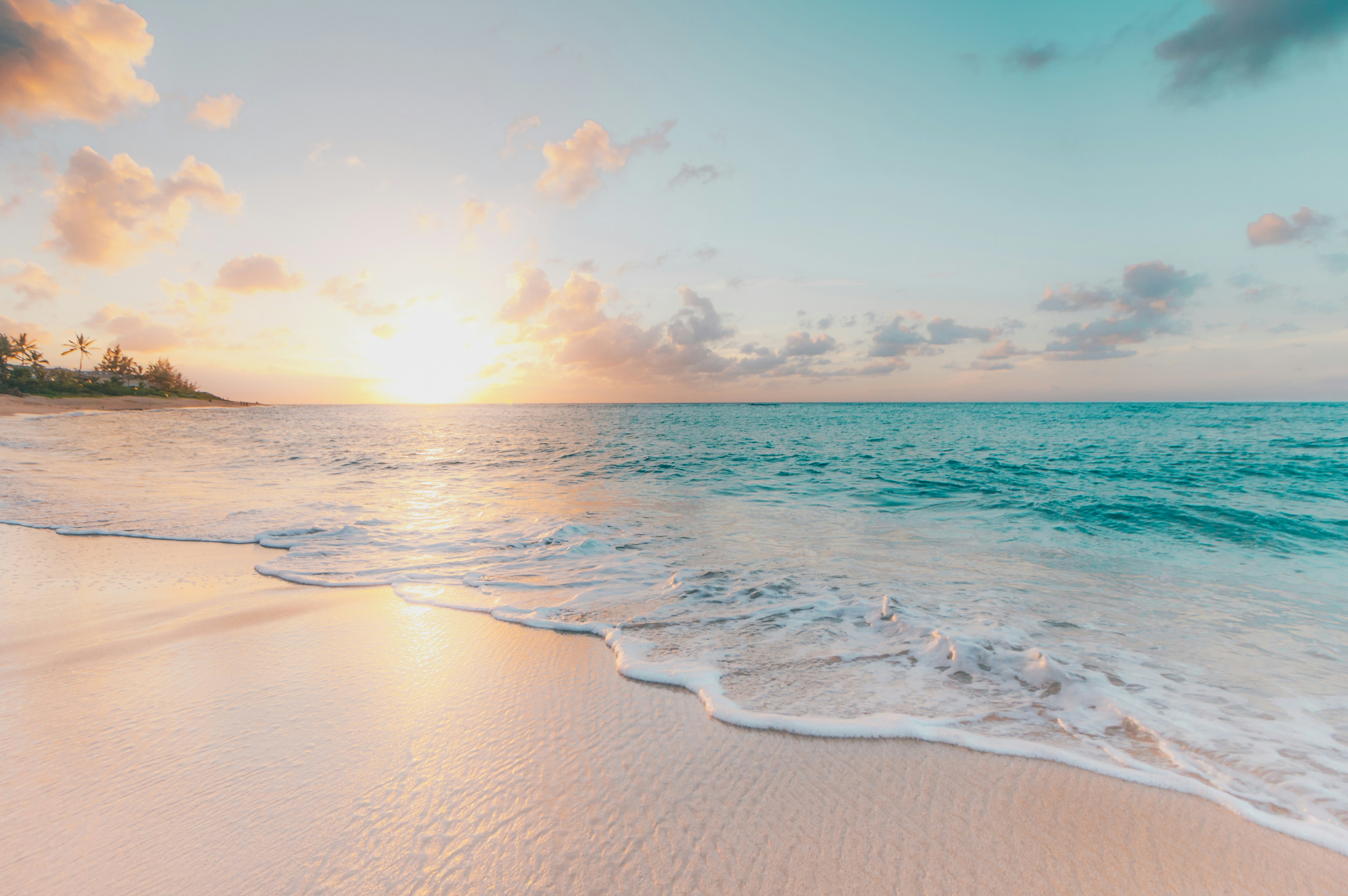
It’s hard to overstate just how stunning the beaches are in the Bahamas. If you’re starting in Nassau, you’ll have easy access to some convenient classics. Cable Beach is famous for its soft sand, calm turquoise water, and plenty of nearby resorts—great for swimming or simply lounging with a book. Saunders Beach is a bit more low-key, with a family-friendly vibe and gentle waves, while Cabbage Beach on Paradise Island offers a livelier scene and plenty of water sports options for those who want to try jet skiing or parasailing.
If you want something a little more off the beaten path, the Out Islands deliver. Pink Sands Beach on Harbour Island is exactly what it sounds like—a surreal stretch of pale pink sand, perfect for long walks and swimming in clear, shallow water. Treasure Cay on Abaco is often listed among the world’s prettiest beaches, and its calm, shallow waters make it ideal for families or beginner snorkelers. Gold Rock Beach on Grand Bahama is a personal favorite of mine; I spent an afternoon there swimming in the warm, crystal-clear water and barely saw another soul.
In general, Nassau and Paradise Island beaches are more developed, so you’ll find more amenities, crowds, and water sports vendors. Out Island beaches tend to be quieter, with fewer facilities but more untouched beauty and space to yourself. If you’re planning to snorkel, I’d recommend reading up on Snorkeling Safety Tips for Beginners before you go, especially if you’re new to the sport.
Must-See Natural Wonders Beyond Beaches
The Bahamas is famous for its beaches, but there’s a whole world of natural wonders waiting if you’re willing to explore a little further. I was most excited to see Dean’s Blue Hole in person—it’s the second deepest blue hole on earth, and standing at its edge, the drop into deep blue water is unforgettable. If you want to see something truly unique, here are four natural attractions to add to your itinerary:
Blue Holes of Andros
Andros Island is dotted with mysterious blue holes—circular underwater sinkholes that are both beautiful and a bit eerie. Many travelers wonder if they’re dangerous. The fact is, blue holes are safe for swimming if you stick to the edges and follow local guidance. Guided snorkeling tours are available, and I’d recommend booking one for first-timers.
Lucayan National Park
Located on Grand Bahama, Lucayan National Park is home to one of the longest underwater cave systems in the world, plus peaceful boardwalks through mangroves. The park is open daily, but I always suggest checking the official site for current hours before you go. Don’t miss Gold Rock Beach—it’s a short walk from the caves and rarely crowded.
Thunderball Grotto
Near Staniel Cay in the Exumas, Thunderball Grotto is a hidden cave system made famous by James Bond films. At low tide, you can swim or snorkel inside to see shafts of sunlight and colorful fish. Getting here requires a short boat ride, so ask local operators about the best times for visiting.
Dean’s Blue Hole
Located on Long Island, Dean’s Blue Hole plunges dramatically into the earth and is a favorite spot for freedivers. Even if you’re not diving, the view alone is worth the drive. The surrounding beach is quiet, and the water is usually calm for swimming or simply soaking up the scenery.
If you’re planning these adventures, it’s worth reading up on Traveling Safely in the Bahamas: What to Know before you go.
Day Trips to the Swimming Pigs

The swimming pigs of the Exuma Cays are one of the Bahamas’ quirkiest and most memorable attractions. These friendly pigs live on Pig Beach, a small island in the Exumas, where they swim out to greet boats filled with curious travelers. Seeing them paddle around in crystal-clear water was honestly a highlight of my last Bahamas trip—there’s nothing quite like it.
How To Book Your Tour
Most travelers base themselves in Nassau and book a day trip to Pig Beach. You’ll find two main options: high-speed boat tours and air charters. Boat tours typically depart early and take about two hours each way, while air tours are faster but cost more—expect to pay about $400.00 for a round-trip air excursion. I usually recommend comparing both for timing and comfort before booking.
For reputable operators, check out the official Bahamas excursions page. Book well in advance, especially during peak season, and confirm whether lunch, drinks, and pig food are included in your price.
What To Expect On Arrival
Pig Beach gets busy, especially midday. Morning tours are less crowded and the pigs are more active (and less full). Feeding rules are strict—only feed what the guides provide, as outside food can harm the animals. Tour prices vary, but a typical boat day trip runs about $200.00 per person. Watch for “bargain” tours that cut corners on animal welfare or safety. For more on treating wildlife responsibly, see our Tips for Responsible Wildlife Encounters in the Bahamas.
Water Activities and Island Adventures
The Bahamas are a dream for anyone who loves the water. Whether you’re into snorkeling above colorful reefs, diving deep to explore shipwrecks, or paddling along calm turquoise bays, you’ll find no shortage of options here. I’ll admit, before my first time snorkeling in the Bahamas, I felt a mix of excitement and nerves—but gliding alongside schools of fish quickly made it worth it.
Top Water Adventure Choices
- Snorkeling: Accessible from nearly every island, with shallow reefs teeming with marine life.
- Scuba diving: Dive sites range from blue holes to old wrecks, best explored with certified local operators.
- Kayaking & Paddleboarding: Calm inlets and mangrove creeks are perfect for a quiet paddle.
- Jet skiing: For a faster thrill, rentals are available on busier beaches and through tour companies.
- Reef or wreck dives: Book guided trips for safe exploration—always check for PADI or NAUI certification.
Choosing a Safe Tour Operator
When booking any water adventure, I usually recommend looking for operators with visible licenses and strong recent reviews. Don’t hesitate to ask about safety gear and guide credentials. For scuba, always check their certifications—many reputable Bahamas dive shops follow these safety guidelines for guests.
Checklist for Booking and Prep
- Confirm operator certifications and insurance coverage.
- Read recent traveler reviews for safety and professionalism.
- Ask about group sizes and emergency procedures.
- Bring a rash guard, reef-safe sunscreen, and a reusable water bottle.
- Review what’s provided—some tours include gear, others require you to bring your own.
- For more on what to pack, check out our Packing Essentials for a Bahamas Beach Vacation guide.
Where to Stay in the Bahamas
The Bahamas offers everything from lively all-inclusive resorts in Nassau and Paradise Island to tranquil guesthouses and vacation rentals across the Out Islands. If you’re after nonstop activities, pools, and easy access to casinos or nightlife, Nassau’s famous resorts or a boutique hotel on Paradise Island make sense. For a quieter experience, I’d personally lean toward a beachfront guesthouse or rental on Eleuthera or Exuma—after researching my own options, I found the Out Islands feel more laid-back and authentic.
Accommodation types vary widely: all-inclusives handle meals and entertainment, while boutique hotels offer personalized service and local touches. Guesthouses and vacation rentals can save money and give you more privacy, especially if you want to cook your own meals or stay longer. When booking, always check if your rate includes taxes and resort fees—these can add up quickly. I usually suggest comparing rates on trusted fare tools and checking the Bahamas Hotel & Tourism Association for vetted properties. If you’re not sure about hidden charges, our guide on How to Spot Hidden Resort Fees can help you avoid surprises at check-out.
Peak travel (like winter holidays and spring break) fills up the big resorts fast and rates spike, so book early if you want a specific property. Off-peak months offer better deals, especially for guesthouses and rentals. In my experience, booking direct or via a reputable platform like cheapfareguru.com can sometimes get you perks like free breakfast or flexible cancellation.
Bahamas Travel Budget Table

| Budget | Mid-range | Luxury | |
|---|---|---|---|
| Accommodation | $55.00 | $150.00 | $400.00 |
| Food | $18.00 | $45.00 | $120.00 |
| Transport | $12.00 | $30.00 | $90.00 |
| Activities | $20.00 | $60.00 | $180.00 |
When I traveled in the Bahamas, I noticed my priorities shifted—spending a little more on local food and activities felt worth it, even if I cut back on accommodation. If you want more ways to stretch your dollars, check out our Tips for Saving on Caribbean Travel guide.
Bahamas Travel Tips FAQ
- Do I need a passport to visit the Bahamas?
Yes, U.S. citizens need a valid passport to enter the Bahamas. Make sure your passport is valid for the entire duration of your trip. Airlines usually check this at the airport, so I always double-check my passport’s expiration date before booking flights to avoid any last-minute stress.
- How do I reach the swimming pigs?
The famous swimming pigs are found on Big Major Cay, often called Pig Beach. Most travelers join a boat tour from Nassau or Exuma. These tours typically include transportation, guides, and time to interact with the pigs. Booking in advance is a good idea, especially during peak travel seasons.
- How much does a Pig Beach day trip cost?
A day trip to Pig Beach usually costs about $200.00 per person, depending on the tour operator and what’s included. This price often covers boat transfer, snorkeling stops, and lunch. If you’re looking to save, compare options and check for seasonal discounts before booking your excursion.
- Are the Bahamas safe for solo travelers?
The Bahamas are generally considered safe for solo travelers, especially in tourist areas like Nassau and Paradise Island. I recommend staying aware of your surroundings, avoiding isolated spots at night, and following local advice. For the latest safety updates, review the U.S. State Department travel advice for the Bahamas before your trip.
- Where can I find cheap airfare to Nassau?
To find cheap airfare to Nassau, search for flights on cheapfareguru.com and compare prices across several dates. Flexible travel dates can help you spot lower fares.
Quick Tip: Always check flight deals on cheapfareguru.com before booking elsewhere to catch last-minute discounts. - What currency is used in the Bahamas?
The official currency is the Bahamian dollar, which is pegged 1:1 with the U.S. dollar. U.S. dollars are widely accepted, and you’ll often receive change in either currency. I usually carry small bills for taxis, tips, and local markets, as credit cards aren’t always accepted in remote areas.
- What are the best beaches in the Bahamas?
Some of the best beaches in the Bahamas include Cable Beach near Nassau, Pink Sands Beach on Harbour Island, and Gold Rock Beach in Lucayan National Park. Each offers soft sand and clear water, making them ideal for swimming or relaxing. I’d suggest bringing reef-safe sunscreen for these sunny spots.
Your Bahamas Adventure Awaits

From the vibrant markets of Nassau to the thrill of swimming with pigs in Exuma, the Bahamas offers something for every traveler—whether you crave adventure, relaxation, or a little of both. I always find myself daydreaming about snorkeling in those crystal-clear waters, which never gets old no matter how many times I visit.
No matter your travel style, the Bahamas’ mix of culture, stunning beaches, and unique wildlife makes it a destination worth putting at the top of your list. Now’s the time to turn your ideas into an itinerary and start planning your own island escape.