
Essential Seattle Travel Planning Tips

Seattle’s weather is famously unpredictable, with frequent drizzle and overcast skies most months. Summers (June–September) tend to be drier and attract the biggest crowds, while winter and early spring bring cooler temps and better hotel rates. If you want detailed seasonal averages, I suggest checking the official Seattle tourism weather page before booking.
For packing, I’ve learned the hard way that you should never visit Seattle without a lightweight rain jacket and an extra pair of waterproof shoes. Comfortable walking shoes are a must, especially if you plan to explore neighborhoods like Capitol Hill or Ballard on foot. I also recommend packing layers—temperatures can swing from chilly mornings to mild afternoons, even in summer. Tossing a compact travel umbrella and a reusable water bottle in your bag can also save you money around town.
Smart Ways To Save On Flights
Airfare to Seattle can fluctuate a lot depending on the season, so it pays to be flexible with your dates. I usually start my search a couple of months out and compare fares over several days of the week. Setting up fare alerts through a site like cheapfareguru.com is a habit that’s saved me a good chunk of change on past trips. Also, try searching for flights midweek or during off-peak months for the best deals. For more detailed strategies, check out our guide to finding the cheapest time to book flights.
Best Ways To Reach Downtown Seattle

Getting from Seattle-Tacoma International Airport (Sea-Tac) to downtown Seattle is straightforward, but the best choice depends on your budget, group size, and how much you value speed versus savings. I usually take the Link Light Rail because it’s reliable, affordable, and avoids traffic headaches—especially when traveling solo or with light luggage.
Link Light Rail Pros And Cons
The Link Light Rail is the top pick for most budget travelers. A one-way ticket costs about $3.00, and trains depart every 6–15 minutes. The ride to downtown takes around 40 minutes, and the station is connected to the airport via a short, well-marked walkway. It’s a great option for solo travelers and couples, but can get crowded during rush hours. For schedules and fare details, check the official Link Light Rail page.
Airport Shuttle And Bus Options
Airport shuttle vans and FlyAway-style buses are available, with fares typically around $18.00 per person. These are handy for travelers with lots of luggage or those heading to hotels not directly on the rail line. However, shared shuttles may involve extra stops, so the trip could take about an hour or more.
Taxis And Rideshares Compared
Taxis and rideshare services like Uber and Lyft offer door-to-door convenience, especially for families or groups. Expect to pay about $50.00 for a taxi and around $40.00 for a standard rideshare to downtown. Travel time varies with traffic but can be as quick as 25 minutes outside of rush hour. If you have three or more people, splitting a rideshare can be cost-effective.
If you’re new to Seattle, I’d also suggest reading a city transportation guide so you know what to expect when navigating downtown.
Top Budget-Friendly Attractions Seattle Offers
Seattle is packed with iconic sights and quirky neighborhoods that don’t require a big budget. One of the city’s most beloved—and free—destinations is the Pike Place Market. You can spend hours wandering the lively stalls, watching the famous fish toss, and sampling local treats. I usually recommend grabbing a coffee and exploring before 10 a.m. for the best deals and fewer crowds. If you’re flexible, keep an eye out for free live music and seasonal festivals listed on the official market event calendar.
Another standout is the Olympic Sculpture Park, a waterfront green space filled with larger-than-life art installations and unbeatable views of Elliott Bay. One of my favorite free spots in Seattle is this park—you can stroll the paths, relax by the water, or pack a picnic without spending a dime. The park is open daily and often hosts free public programs, especially during summer weekends.
If you’re in the mood for something offbeat, head to the Fremont neighborhood to meet the Fremont Troll. This massive concrete sculpture lurks under the Aurora Bridge and makes for a great photo op. It’s completely free to visit, and you’ll also find plenty of affordable street art, vintage shops, and quirky cafes nearby.
For museum lovers, several Seattle institutions offer free admission on select days. The Seattle Art Museum, for example, typically opens its doors to the public without charge on the first Thursday of each month. Washington Park Arboretum and the Volunteer Park Conservatory are also excellent choices for budget-friendly nature escapes, with suggested donations rather than mandatory entry fees. I’d compare museum schedules before your trip to make the most of these free days.
If you’re interested in more wallet-friendly adventures across the country, check out our guide on free things to do in major U.S. cities for extra inspiration.
Best Cheap Eats In Seattle Now
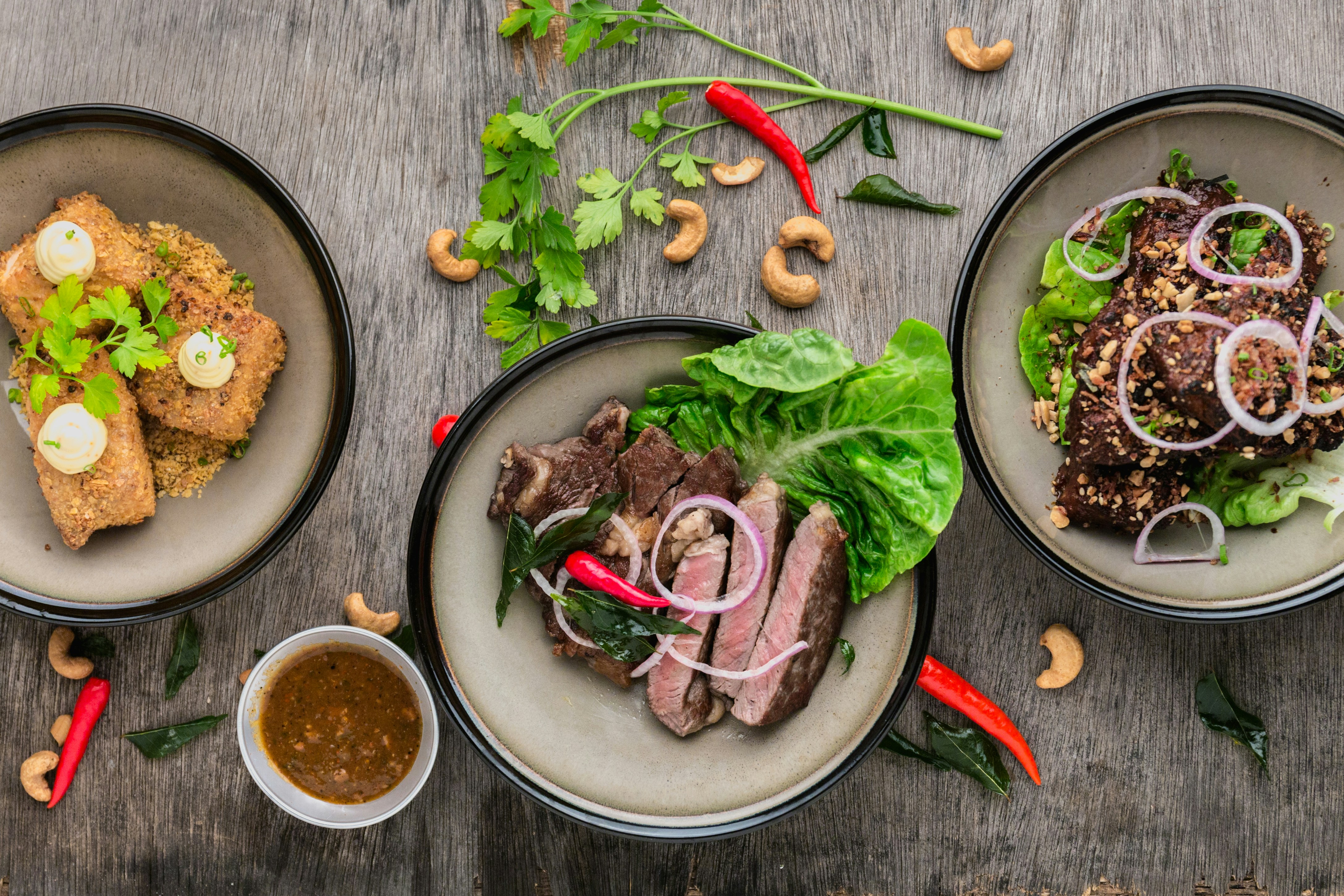
If you’re after authentic Seattle flavor without the splurge, this city has you covered with a vibrant, budget-friendly food scene. Some of my favorite meals in Seattle have come from tiny counters and food trucks—simple, satisfying, and under $15. Let’s dig into where to eat well for less right now.
Pike Place Chowder’s Famous Bowl
Pike Place Market is a must for budget travelers, and Pike Place Chowder is legendary for a reason. Their classic New England clam chowder is creamy, loaded with seafood, and a cup runs about $9.00. Grab it with a hunk of sourdough and soak up the market’s buzz. It’s a quintessential Seattle lunch, especially on a drizzly day.
Dick’s Drive-In: Classic Burger Stop
Dick’s Drive-In is a Seattle institution. For about $6.00, you can get a cheeseburger, fries, and a milkshake. It’s pure Americana, served fast and hot at locations across the city. I always recommend Dick’s for a late-night bite or a quick, nostalgic lunch—no frills, just good food.
Teriyaki and Korean Fusion Gems
Seattle’s teriyaki culture is strong, with spots like Toshi’s and local favorites in Capitol Hill and the International District serving up heaping plates of chicken teriyaki for around $11.00. For something with a twist, try Korean fusion at Marination—look for their food truck or the waterfront location. Their spicy pork tacos (about $4.00 each) are packed with flavor and make a great grab-and-go meal.
Food Trucks and Market Stalls
The food truck scene in Seattle is thriving, especially in South Lake Union and Capitol Hill. You’ll find everything from banh mi sandwiches (around $8.00) to Ethiopian platters and poke bowls. Market stalls at Fremont Sunday Market or South Lake Union’s lunchtime pods are a great way to sample local bites without breaking the bank. For a mapped-out guide, check out Seattle Met’s Food Truck Map for current locations and specialties.
If you want a deeper dive into affordable eats across the Pacific Northwest, I’d recommend reading this round-up of top cheap eats—it’s a handy resource for planning your next meal stop.
Exploring Seattle On Foot And Transit

Seattle is one of those cities where you can easily combine walking, public transit, and shared bikes or scooters to see a lot without blowing your budget. King County Metro runs the city’s buses, trolleys, and light rail, while the Washington State Ferries let you cross the water for a new perspective. I found exploring Seattle by ferry gave me the best city views for just a few dollars, and it’s a fun break from the usual bus ride.
For everyday getting around, the ORCA card is your go-to for seamless payment across buses, ferries, and light rail. If you’re planning to hop between neighborhoods or attractions in a single day, a day pass can be a smart buy—especially if you expect to make more than three trips. Before you travel, check the King County Metro fare calculator or use their official trip planner for up-to-date info on fares and routes.
Walking is often the most rewarding way to connect the dots between sights like Pike Place Market, the waterfront, and the Olympic Sculpture Park. The city is hilly, but popular routes like the stretch from Pioneer Square to the Space Needle are manageable and packed with things to see. If you want more flexibility, short-term rental bikes and scooters are available throughout central Seattle—just scan and go with your phone.
Combining transit modes is where you’ll really save time and money. For example, you can take a bus up to Capitol Hill, wander the shops and cafes, then ride a scooter down to South Lake Union. For more guidance on navigating public transportation in other U.S. cities, check out our resource on public transportation systems in U.S. cities.
Seattle’s Can’t-Miss Museums And Culture

Seattle’s museum scene is both diverse and surprisingly accessible for travelers on a budget. If you’re looking to pack your trip with culture without overspending, you’ll want to know which museums are worth your time and how to visit them for less. I still remember the first time I got free entry to the Seattle Art Museum on a First Thursday—wandering through world-class exhibits without worrying about ticket costs felt like a real win.
Museum Highlights And Budget Tips
The Museum of Pop Culture (MoPOP) is a standout for music, sci-fi, and pop culture fans. The building itself is an architectural marvel, and inside you’ll find everything from Nirvana memorabilia to interactive exhibits on video games and fantasy films. While standard admission can add up, MoPOP often participates in reciprocal membership programs—so if you’re a member of a museum elsewhere, check if you qualify for free or discounted entry.
The Seattle Art Museum (SAM) is in the heart of downtown and features an impressive collection of global and Pacific Northwest art. SAM offers free admission on the first Thursday of every month, and their Olympic Sculpture Park is always free—perfect for a scenic stroll. If you’re traveling with family, the museum’s hands-on art stations and family guides make it easy to keep kids engaged.
Chihuly Garden and Glass is a visual feast of Dale Chihuly’s glasswork, set against the backdrop of the Space Needle. While this one rarely offers free days, it’s included in some Seattle city passes, which can save you money if you’re planning to hit multiple attractions. I’d compare both options—buying a single ticket or using a pass—before choosing, especially if you’re on a tight schedule.
Free Days, Passes, And Who Benefits
Many Seattle museums offer monthly free days (like SAM’s First Thursday), and some smaller museums are always free or suggest a donation. Families might find the Pacific Science Center or the Museum of Flight more interactive, but solo travelers and couples can make the most of art museums and MoPOP’s immersive exhibits. If you’re visiting several paid attractions, consider a cheapfareguru.com city pass or check out our guide to the best city passes for museums in the U.S. for more ways to save. Always check official museum websites for the latest free admission days and pass details before you go.
Where To Stay On A Budget In Seattle

Finding an affordable place to stay in Seattle can be a challenge, but there are smart ways to stretch your accommodation budget. I always start by comparing options in neighborhoods like Belltown, the University District, and South Lake Union—each offers a different vibe and value for money.
Belltown and University District
Belltown is close to downtown and major attractions, so you can walk to Pike Place Market and the waterfront. You’ll find budget hotels and a handful of hostels here, with dorm beds often around $45.00 per night. The University District, a bit further north, is popular with students and backpackers. Hostels and simple hotels here typically cost about $50.00 per night, and there are plenty of cheap eats nearby.
Hostels, Hotels, and Rentals
Hostels are your best bet for the lowest prices and meeting fellow travelers. They offer communal kitchens and laundry facilities, which can save you money on meals and essentials. Budget hotels provide more privacy, starting at around $90.00 per night. Short-term rentals like Airbnb sometimes offer private rooms for about $70.00 per night, but always factor in cleaning and service fees—those can add up quickly.
Booking Tips and Safety
I use trusted platforms and always read recent reviews before booking. It’s worth booking directly with the property or through a reputable site like cheapfareguru.com to avoid hidden fees. For more on avoiding hotel fee traps, read our guide on hotel fee traps and booking tips. For official hostel listings, check the Seattle Hostel Association.
Seattle Travel Budget Table Breakdown

Planning a trip to Seattle? Getting a handle on your daily expenses can make a huge difference in how relaxed you feel on the ground. When I plan my own visits, I always start by breaking down my expected costs by category—this helps me figure out where I can splurge and where I need to scale back. Below, you’ll find a practical table with representative daily costs for accommodation, food, transport, and activities, based on current averages from major Seattle travel resources and booking sites.
| Category | Budget | Mid-range | Luxury |
|---|---|---|---|
| Accommodation | $55.00 | $170.00 | $410.00 |
| Food | $22.00 | $60.00 | $140.00 |
| Transport | $9.00 | $28.00 | $75.00 |
| Activities | $12.00 | $35.00 | $90.00 |
These values reflect typical costs for solo travelers in Seattle as of this year, but you’ll want to adjust for group size or unique plans. For example, I often allocate a little extra for food if I plan to try out more local restaurants, or trim my activities budget if I’m focusing on free sights like Pike Place Market or city parks.
If you want to compare Seattle’s costs with other destinations, check out our detailed post on trip budgeting for major U.S. cities. It’s a helpful resource for seeing how your Seattle budget stacks up against other popular spots.
Frequently Asked Seattle Budget Travel Questions
- What’s the cheapest way to get around Seattle?
Seattle’s public transit is your best friend when traveling on a budget. Use the ORCA card for buses, light rail, and ferries. A single ride typically costs about $3.00. If you plan to explore a lot in one day, consider a day pass to save even more on transportation costs.
- Are there free or low-cost attractions for Seattle budget travel?
Absolutely. You can stroll Pike Place Market, visit Olympic Sculpture Park, or hike Discovery Park without spending anything. Many museums offer free entry on certain days—check their websites before you go. I’ve found that exploring Seattle’s neighborhoods on foot is both wallet-friendly and rewarding.
- Where can I find affordable food in Seattle?
Cheap eats are everywhere if you know where to look. Try food trucks downtown, grab a bowl of pho in the International District, or check out happy hour menus for discounts. Grocery stores like PCC and Trader Joe’s are also handy for budget travelers wanting to picnic in a park.
- How can I save on Seattle attractions and museums?
Look for the Seattle CityPASS if you want to hit several paid attractions. Libraries in Seattle also offer free museum passes to cardholders—just reserve online in advance. This little-known hack can save you around $20.00 per person at major museums.
Quick Tip: Reserve a free museum pass through the Seattle Public Library website before your trip for big savings. - What are the best Seattle budget travel accommodations?
Hostels, university dorms (in summer), and budget hotels outside downtown offer the lowest rates. I’ve stayed in both hostels and budget hotels in Seattle and found that booking early through sites like cheapfareguru.com often gets you the best value rooms.
- Can I visit Seattle on a tight budget?
Yes, with careful planning. Focus on free activities, use public transit, and eat at local markets or casual spots. Consider traveling in the shoulder season for lower accommodation prices. For more money-saving ideas, check out our broader FAQ on saving money in U.S. cities.
- Where can I find official information on Seattle travel tips?
The official Seattle tourism website and the City of Seattle’s visitor page both offer up-to-date, practical advice for budget travelers. These sites list free events, transit updates, and seasonal deals. Checking them before your trip can help you spot current discounts and avoid unexpected expenses.
Making The Most Of Your Seattle Visit
Exploring Seattle on a budget is absolutely doable with a little planning and the right strategies. From grabbing coffee at local roasters to finding free viewpoints and affordable eats, you can experience the city’s highlights without overspending. My favorite budget experience was discovering Pike Place Market’s hidden corners while enjoying street performers—proof that some of the best moments don’t require a big spend.
If you’re looking to keep the savings going, check out our cheapfareguru.com destination guides or browse a seasonal travel tips post for your next adventure. There’s always a new way to stretch your travel dollar, whether you’re in Seattle or beyond.