
Why Packing Your Portable Charger Right Matters
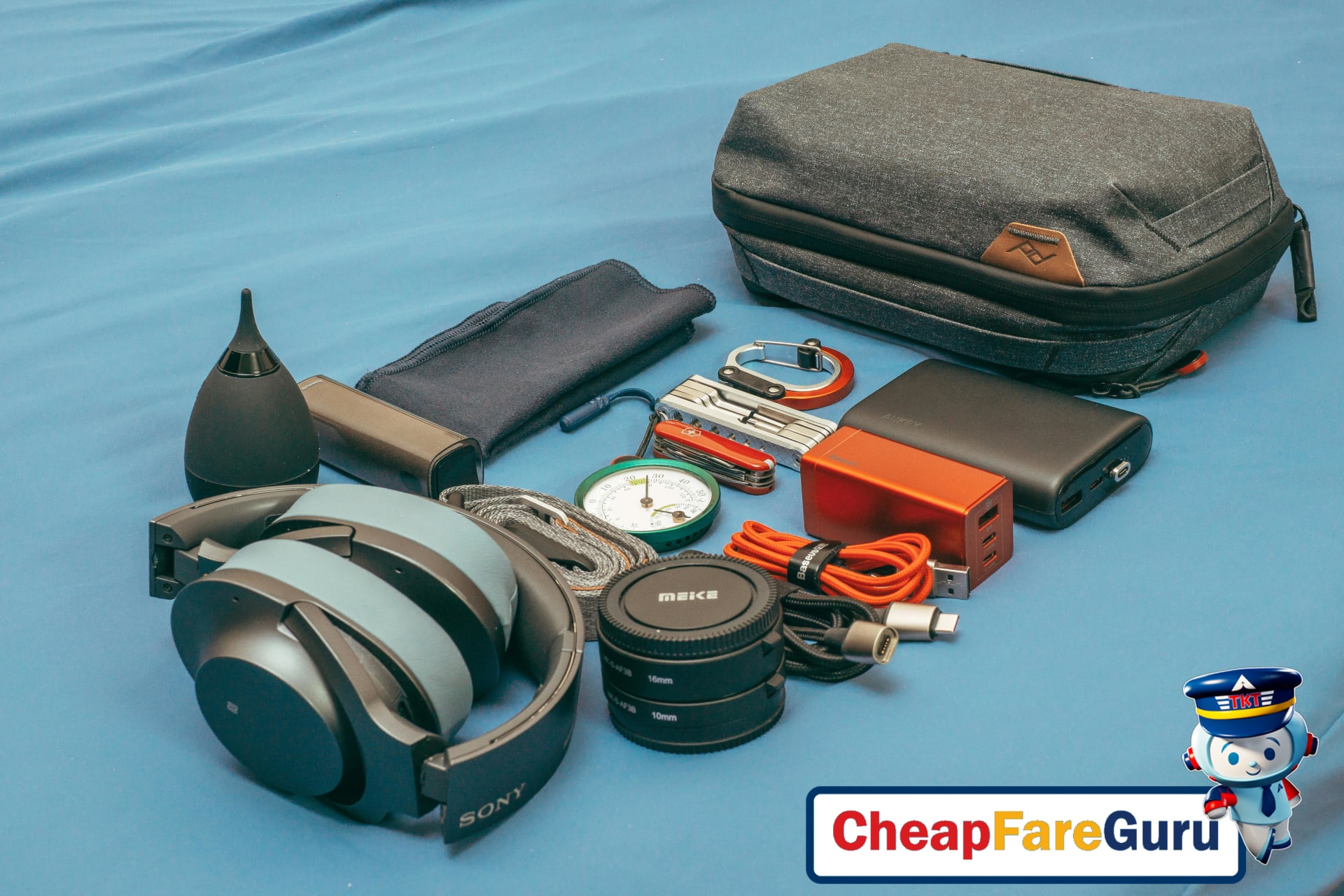
Portable chargers have become indispensable tools for today’s travelers. These compact power sources come in various types—from traditional power banks to eco-friendly solar chargers—each designed to keep your devices running when outlets aren’t nearby. Whether you’re navigating airports, exploring remote destinations, or simply relying on your phone for maps and bookings, carrying the right charger ensures your devices stay powered throughout your journey.
Modern travelers increasingly depend on smartphones, tablets, e-readers, and cameras, all of which demand frequent recharging. Portable chargers prevent the anxiety of running out of battery during critical moments like boarding calls or hotel check-ins. Choosing the right charger type and packing it properly means staying connected and stress-free.
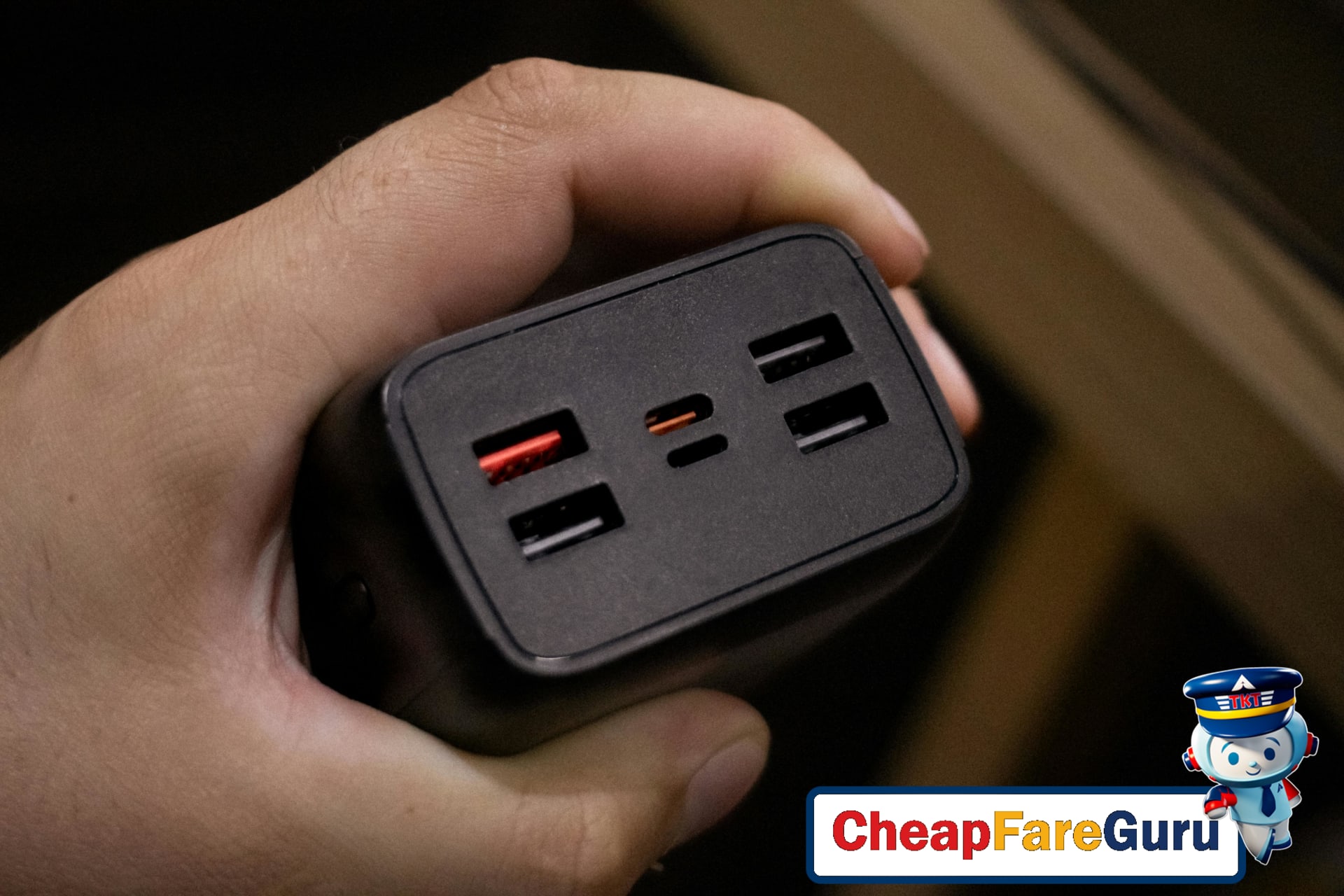
However, there are important regulations to follow, especially when flying. The Transportation Security Administration (TSA) sets specific rules for carrying power banks and lithium-ion batteries. For instance, most airlines require that portable chargers be packed in carry-on luggage only, with strict watt-hour limits to minimize fire risks. Improper packing or exceeding allowed limits can lead to confiscation or travel delays, which no traveler wants.
Organizing your portable charger thoughtfully offers multiple benefits. First, it guarantees your devices remain fully charged and ready to use when needed most. Second, it reduces the risks of damage or short circuits by protecting batteries from accidental impact or exposure. Lastly, compliance with airline and TSA rules smooths your passage through airport security without unexpected obstacles.
In this guide, we’ll walk you through how to pack your portable charger correctly—not just for safety but also convenience. You’ll learn about choosing suitable chargers, understanding TSA regulations in detail, and adopting smart packing habits that keep your travel as seamless as possible. With CheapFareGuru, staying prepared and connected on the go has never been easier.
Essential Portable Charger Packing Checklist
Packing the right portable charger gear keeps your devices powered up and your travels stress-free. Whether you’re heading out for a quick day trip or a week-long adventure, having a tailored charger checklist is crucial. Below you’ll find a detailed packing list designed to fit various trip lengths and traveler needs.
Core Charging Essentials
- Portable Charger(s): Choose high-capacity power banks with at least 10,000mAh for multi-day trips. Smaller 5,000mAh units work perfectly for short outings.
- Cables: Pack a USB-C cable for newer Android phones and laptops, a Lightning cable for iPhones and iPads, and a Micro USB cable for older devices or accessories.
- Adapters: Include a USB wall charger with multiple ports or a fast-charging adapter to keep your power bank and devices charged efficiently.
- Carrying Cases: Use compact, durable cases or pouches to organize chargers, cables, and adapters safely and avoid tangles or damage.
Adjust Quantities Based on Trip Duration
Customize your packing list by the length of your trip:
- Day Trips: One portable charger (5,000–10,000mAh), one set of cables (USB-C and Lightning or Micro USB), and one wall adapter.
- Weekend Getaways: Two portable chargers or one high-capacity (15,000mAh+), complete cable set, and a multi-port wall adapter.
- Week-Long Travels: Two or more high-capacity chargers to account for heavy use, full cable sets, multi-port adapters, and a sturdy carrying case to keep everything organized.
Adapt for Multiple Devices and Travelers
If you’re traveling with family or friends, or carrying devices with different charging ports, adjust your checklist accordingly:
- Bring additional chargers proportional to the group size—one power bank per 1-2 people is recommended.
- Pack extra cables for each device type to avoid sharing or shortages.
- Consider chargers that support simultaneous multi-device charging to reduce bulk.
- For travelers with laptops or tablets, include higher wattage USB-C PD (Power Delivery) chargers for faster charging.
Check Compatibility and Bring Spare Parts
Ensuring your cables and chargers are compatible with all devices is vital. Before packing, test each cable and charger to confirm they work reliably. Carry spare cables and adapters as backups to prevent any downtime while traveling.
Replace frayed or damaged cords promptly to avoid safety hazards or charging failures. Also, pack a universal adapter if your trip involves international travel, as plug types and voltage vary between countries.
Brand Recommendations Across Budget Ranges
Choosing the right portable charger depends largely on your budget and travel needs. To simplify your decision, we’ve categorized popular brands into three budget tiers: budget-friendly, mid-range, and premium. Each offers unique features, capacities, and charging speeds tailored for frequent travelers looking to stay powered on the go.
Budget-Friendly Portable Chargers
If you’re looking for affordable, reliable options without breaking the bank, these brands deliver solid value. Perfect for occasional charging or short trips.
- Anker PowerCore 10000
Capacity: 10,000 mAh
Weight: 180g
Charging Speed: 2.4A output
Pros: Compact, lightweight, reliable brand reputation.
Cons: No USB-C input, slower recharge time. - RAVPower Portable Charger 10000mAh
Capacity: 10,000 mAh
Weight: 195g
Charging Speed: 2.4A output
Pros: Dual USB ports, affordable price.
Cons: Larger footprint compared to similar capacity models. - Xiaomi Mi Power Bank 3
Capacity: 10,000 mAh
Weight: 200g
Charging Speed: Supports 18W fast charging
Pros: Fast charge capability, sleek design.
Cons: Limited availability in some regions.
Mid-Range Portable Chargers
Mid-range chargers balance capacity, speed, and portability, ideal for frequent travelers who need dependable power throughout longer days.
- Anker PowerCore 20000 Redux
Capacity: 20,000 mAh
Weight: 350g
Charging Speed: 2.4A output per port
Pros: High capacity, durable design, two USB ports.
Cons: No USB-C input or output. - Aukey 20000mAh USB-C Power Bank
Capacity: 20,000 mAh
Weight: 370g
Charging Speed: USB-C PD 18W input/output
Pros: USB-C Power Delivery, multiple outputs.
Cons: Slightly heavier than competitors. - Zendure A6PD 20100mAh Power Bank
Capacity: 20,100 mAh
Weight: 340g
Charging Speed: 45W USB-C PD output
Pros: Rugged design, fast charging, supports laptops.
Cons: Higher price within this tier.
Premium Portable Chargers
For travelers who demand peak performance, compact design, and ultra fast charging, premium brands offer superior build quality and advanced technology.
- OmniCharge Omni 20+
Capacity: 20,400 mAh
Weight: 460g
Charging Speed: 100W USB-C PD, wireless charging
Pros: Versatile ports including AC outlet, high power delivery.
Cons: Bulky and expensive. - Goal Zero Sherpa 100AC
Capacity: 25,600 mAh
Weight: 700g
Charging Speed: 60W USB-C PD output, AC inverter
Pros: Solar-ready, built-in wireless charging pad.
Cons: Weight and premium price make it less travel-friendly. - Baseus 65W GaN Fast Charger Power Bank
Capacity: 20,000 mAh
Weight: 390g
Charging Speed: 65W USB-C PD output
Pros: GaN tech for efficient charging, compact design.
Cons: May be overkill for casual users.
Space-Saving and Packing Techniques
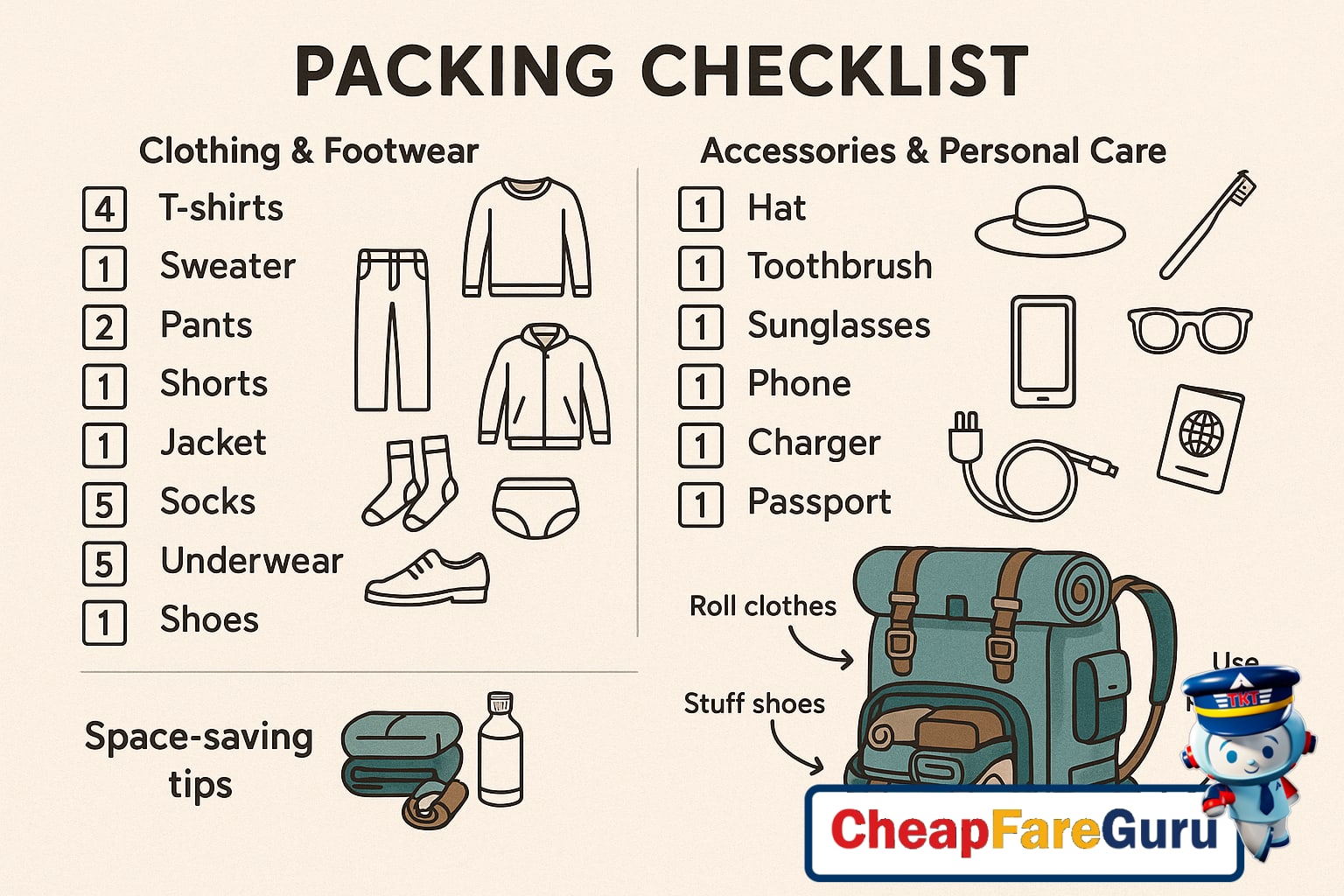
Efficiently packing your chargers and accessories can make a noticeable difference in your luggage’s overall space and organization. Using the right techniques not only reduces bulk but also protects your valuables from damage while making it easier to access them during your travels.
Use Cable Organizers for Tidy Storage
Cable organizers such as wraps, ties, or small pouches are essential tools for managing your charging cables and accessories. These prevent tangling, which can damage cords and create unnecessary clutter. Velcro ties, elastic bands, or zippered pouches keep each cable separated and neatly coiled, allowing you to find the right charger quickly.
Choose Compact, Lightweight Chargers
Opting for compact and lightweight chargers is not just about space-saving—it also reduces the weight you carry. Many modern chargers combine multiple USB ports in one small adapter, allowing you to charge several devices simultaneously without lugging around several bulky units. Look for foldable plugs and slim designs to further slim down your pack.
Roll Cables to Save Space and Prevent Damage
Instead of folding or stuffing cables haphazardly, roll them carefully from one end to the other. This rolling method keeps the cables neat and evenly coiled, reducing the risk of internal wire breakage. Rolling also minimizes the volume cables take up, which frees up valuable luggage space for other essentials.
Pack Chargers in Footwear or Soft Clothing
Maximize your packing efficiency by placing chargers and cables inside your shoes or wrapped within soft clothing like socks or t-shirts. This shields your electronics from impact and sharp objects while helping distribute weight evenly across your suitcase. It’s an easy dual-purpose trick that protects and saves space at once.
Apply Layering Techniques to Optimize Space
Organizing your luggage in layers can significantly enhance packing efficiency. Begin with heavier, bulkier items at the bottom and place your organized chargers and accessories in between softer layers like clothing or travel pouches. This layering protects fragile gadgets while ensuring no wasted space remains. Using cubed packing organizers also helps keep layers neat and prevents shifting mid-flight.
Following these space-saving and packing techniques simplifies your travel preparation and ensures your essential electronics stay safe and accessible, all while preserving precious luggage space for other must-haves. For more tips on travel efficiency, visit CheapFareGuru.
TSA Compliance and Airport Security Tips
Travelers carrying portable chargers or power banks must understand TSA regulations to avoid delays or confiscations at airport security checkpoints. The Transportation Security Administration closely monitors lithium batteries due to safety risks, especially fire hazards, making compliance crucial for smooth screening.
Power banks are assessed primarily by their capacity, expressed in watt-hours (Wh). The TSA permits passengers to bring portable chargers with a capacity of up to 100 Wh in carry-on luggage without requiring airline approval. Devices between 100 Wh and 160 Wh need airline approval before travel but are still allowed onboard. Anything above 160 Wh is strictly prohibited from both carry-on and checked baggage. Additionally, there is a quantity limit of two such devices per traveler when airline approval is required.
These rules also apply to spare lithium-ion batteries, which must be in carry-on bags only; they are not allowed in checked baggage. Batteries must be protected against short circuiting, which means covering exposed terminals or placing each battery in separate protective packaging, such as plastic bags.
Travelers should remember that while most personal electronic devices containing batteries—such as smartphones and laptops—are allowed in both carry-on and checked bags, spare batteries and power banks must be carried only in the cabin. Items that pose higher risks, like damaged or recalled batteries, are banned and must be declared if discovered.
At security checkpoints, it’s best practice to remove portable chargers and batteries from your carry-on and place them separately in the screening trays. This allows TSA agents to inspect these items clearly without slowing the process for all passengers. Failure to comply with these rules can lead to confiscation of non-compliant items, missed flights, and even fines.
Common misunderstandings include assuming all power banks are allowed regardless of size, or packing spare batteries in checked luggage. These mistakes often lead to delays or item removal. To avoid inconvenience, prepare in advance by verifying device specifications and following TSA guidance closely.
Weight Distribution and Safety in Carry-On Luggage
Proper weight distribution in your carry-on bag plays a crucial role in protecting your devices, especially chargers, while ensuring comfortable handling throughout your journey. When packing chargers, place them as close as possible to the electronics they power. This minimizes cord strain and reduces the risk of damage during transit. For instance, storing your laptop charger next to your laptop inside a padded compartment helps keep cables neat and prevents accidental tugging or bending.
Using padded protective cases for chargers adds an extra layer of defense against bumps and impacts. Chargers are often bulky with rigid connectors, making them vulnerable when tossed inside bags. A dedicated cushioned pouch or sleeve prevents cracks and breaks, safeguarding expensive tech accessories.
Balancing the weight in your carry-on bag is not just about airline restrictions; it also enhances your travel experience by making transportation easier. Overloaded sides or unevenly packed items can strain your arms or shoulders and potentially cause you to drop the bag. Airlines typically allow carry-ons around 15 to 22 pounds, so organizing heavier items like chargers and power banks closer to the center of the bag helps maintain equilibrium and complies with those limits.
Even weight distribution also protects your devices from internal damage. A concentrated heavy load on one side can press electronics against hard surfaces or sharp edges within the bag. For example, placing chargers alongside other tech essentials such as headphones, portable SSDs, or a mouse in a single padded compartment can consolidate protection and keep sharp edges away from delicate screens or casings.
Effective packing involves grouping chargers with cords, adapters, and other accessories to streamline your carry-on layout. Use cable ties or small pouches to keep them organized and to prevent tangles. These small organizational steps reduce the risk of wear and tear on both chargers and associated devices.
By applying these strategies, travelers can ensure that chargers remain secure and functional, avoid excess weight penalties, and carry their bags comfortably through airports and flights.
Common Mistakes to Avoid When Packing Portable Chargers
Portable chargers are travel essentials, but improper packing can lead to frustrating setbacks or security headaches. Many travelers make avoidable errors that compromise the charger’s usability or run afoul of Transportation Security Administration (TSA) regulations. Here are the most frequent mistakes to watch out for and how to fix them before your trip.
Forgetting Necessary Cables or Adapters
It’s common to pack the portable battery but leave behind the charging cable or essential adapters. Without these, your charger becomes useless at critical moments. Imagine waiting in an airport lounge with a dead phone only to realize you forgot the USB cable or the correct plug converter for overseas outlets. To avoid this, create a checklist that includes all charger components, such as USB cords, wall adapters, or car chargers, and pack them together in a dedicated pouch.
Overpacking Multiple Chargers
Some travelers bring several portable chargers “just in case,” leading to unnecessary bulk and added weight. This can also trigger TSA scrutiny if officers see multiple lithium-ion devices in carry-on bags. Consider the capacity of one high-quality charger rather than packing several low-capacity ones. Balancing power needs with TSA allowances ensures convenience and compliance.
Ignoring TSA Policies on Batteries
Not all portable chargers or batteries meet TSA guidelines. Swollen, damaged, or non-compliant batteries are prohibited on planes and can cause delays or confiscation. For example, one traveler was stopped at security because a visibly swollen charger raised safety concerns, resulting in a missed flight. Always check that your charger’s battery size doesn’t exceed TSA limits—usually 100 watt-hours (Wh) per device—and that it is in good condition. Carry batteries only in carry-on luggage, never checked baggage.
Carrying Damaged or Swollen Batteries
Over time, portable chargers can degrade, leading to damaged or swollen batteries, which pose fire risks. A traveler once packed an old charger with a bloated battery unaware of the danger, resulting in TSA removal from their bag. Always conduct a pre-trip inspection: look for cracks, bulges, or excessive heat. Replace worn-out chargers to ensure safety and smooth screening.
By proactively inspecting your portable charger and accessories, respecting airline and TSA policies, and streamlining your charging gear, you enhance travel convenience and security. Check recommendations from trusted sources like CheapFareGuru for the latest travel tips and battery regulations to stay informed and prepared.
Frequently Asked Questions About Portable Charger Packing
What is the best way to pack a portable charger for air travel?
For safe portable charger packing during air travel, place your charger in your carry-on bag to avoid damage. Use a protective case or wrap it in soft clothing to cushion it. Avoid checked luggage due to TSA regulations and minimize the risk of loss or breakage.
How many portable chargers should I bring on a week-long trip?
Limit yourself to one or two portable chargers for a week-long trip to balance capacity and comply with airline policies. This amount supports multiple device charges without complicating portable charger packing or risking TSA concerns over excessive battery capacity.
When should I check TSA rules for carrying power banks?
Always check TSA rules for portable charger packing before booking your flight or packing your bags. Policies may change, and confirming in advance ensures your power bank meets carry-on size and capacity limits, preventing travel delays or confiscation at security checkpoints.
Why is TSA compliance important for portable chargers?
TSA compliance in portable charger packing is crucial because lithium batteries pose fire risks. Following size and carry-on regulations ensures safety on board and avoids confiscation or travel disruptions, keeping your devices charged and your trip hassle-free.
Can I carry multiple portable chargers on a plane?
Yes, you can carry multiple portable chargers, but airline rules limit the total battery capacity allowed. Prioritize portable charger packing by checking watt-hour ratings and keeping chargers in your carry-on bag to comply with TSA and airline policies.
How do I avoid damage to my portable charger during travel?
To protect your portable charger, use a padded case and avoid placing heavy items on top. Store it separately from liquids and sharp objects in your carry-on. Thoughtful portable charger packing reduces risks of dents, scratches, and battery damage during transit.
What types of cables should I pack with my charger?
Pack versatile cables like USB-C and Lightning to cover various devices. Include short cables for convenience and longer ones for flexibility. Efficient portable charger packing means bringing only necessary cables to avoid bulk while staying prepared for all your charging needs.
Final Tips for Smart Portable Charger Packing
Staying organized with your portable charger packing can make a significant difference in how smoothly your trip unfolds. Begin by adhering to a well-prepared checklist that includes all necessary cables, adapters, and your charger itself. Carrying compatible charging cables for multiple devices ensures you stay powered up wherever you go without scrambling for extras last minute.
When choosing a portable charger brand, balance your budget with your travel needs. Reliable brands offer varying capacities and features, so select one that fits your usage patterns—whether it’s a lightweight charger for short day trips or a high-capacity power bank for longer adventures. Investing in quality can prevent unexpected failures, saving you stress mid-journey.
Always keep in mind TSA regulations for battery-powered devices. Ensure your portable charger is stored in your carry-on bag, as checked luggage restrictions often apply. Remove the charger for separate screening if requested and avoid carrying damaged or swollen batteries. These security practices help you breeze through checkpoints with minimal hassle.
Maximizing luggage space is key to comfortable travel. Employ smart packing techniques by placing your charger and cables in a compact pouch near other electronics. Distribute the weight evenly to avoid strain, especially in carry-on bags, making airport navigation easier. Efficient packing keeps your essentials accessible and protects your devices.
Ultimately, keep your charger essentials organized and ready before departure. Packing early allows you to double-check your supplies and troubleshoot any compatibility issues. A little preparation goes a long way toward uninterrupted charging and peace of mind during your travels.