
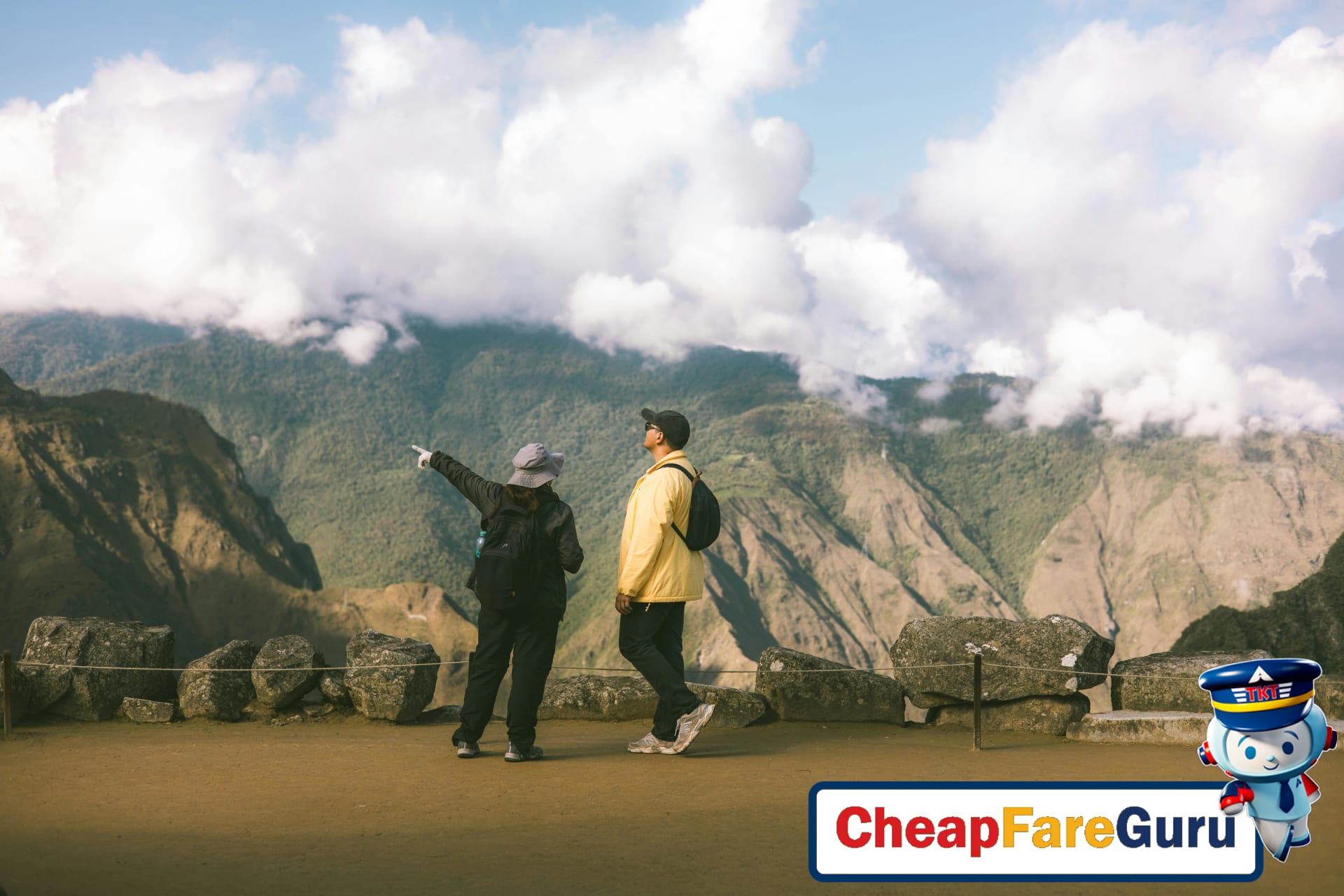
What Is The Gringo Trail Route
The Gringo Trail refers to the unofficial but legendary travel route winding through South America’s most iconic backpacker spots. Stretching from the Andean highlands to the Atlantic coast, this trail links a series of destinations that have become almost a rite of passage for budget travelers. Countries like Peru, Bolivia, Chile, Argentina, and Brazil form the backbone of the route, with classic stops such as Cusco (gateway to Machu Picchu), La Paz, Santiago, Buenos Aires, and Rio de Janeiro. Each city offers its own mix of culture, adventure, and affordability, making the trail especially appealing if you want to experience South America’s highlights without breaking the bank.
What makes the Gringo Trail so enduring is its blend of well-trodden paths and emerging detours. While the big names draw crowds, I’ve always been drawn to the trail for its balance—mixing must-see places with lesser-known gems like Sucre in Bolivia or Colombia’s coffee region. These alternative stops are gaining popularity with travelers looking for something beyond the usual circuit.
For many, the Gringo Trail is iconic because it’s practical, social, and flexible. You’ll find a reliable network of hostels, buses, and tours, plus a community of fellow backpackers sharing tips and stories along the way. If you’re mapping out your own adventure, I recommend reading this guide on Essential Things To Know Before Backpacking South America and checking the official South American tourism board for updated travel advisories.
Planning Your Trip On A Budget
Getting your travel plans in order doesn’t have to drain your wallet. Start by locking in your flights. I learned the hard way on my first backpacking trip that waiting for a “last-minute steal” can backfire — prices usually climb as departure nears. I now use fare alerts and flexible date searches on cheapfareguru.com to spot the lowest fares. If you want a deeper dive into this process, check out our guide to finding cheap international flights.
For visas, research requirements directly on the official government site of your destination (like the U.S. Department of State). Don’t rely on random blogs — rules can change quickly, and missing paperwork can wreck your trip before it starts.
When it comes to accommodation, think beyond hotels. Hostels, Couchsurfing, and locally run guesthouses can save you a lot, especially if you’re flexible about comfort. I usually set a daily budget and stick to cash for small purchases, but I avoid carrying large sums. Look for debit cards that refund ATM fees or offer good exchange rates — this can save you a surprising amount over a long trip.
Must-See Highlights On The Trail

The Gringo Trail is packed with iconic stops, but it’s the mix of world-famous wonders and quieter gems that really makes the route special. Here’s how to prioritize your time—and budget—across the big highlights, plus a few lesser-known detours worth seeking out.
Machu Picchu And Sacred Valley
Machu Picchu is the headliner, but Peru’s Sacred Valley is dotted with ancient ruins and vibrant markets. Admission to Machu Picchu must be booked in advance—tickets often sell out weeks ahead, especially during the dry season. I always find the sunrise view from the Sun Gate unforgettable; it’s easily my favorite moment along the trail. For a quieter day, consider the salt terraces of Maras as a hidden gem. Check the official Peruvian Ministry of Culture for current opening hours.
Iguazu Falls And Jungle Trails
Spanning Argentina and Brazil, Iguazu Falls is a thunderous spectacle. Entrance fees are reasonable, and you can stretch your budget by exploring the free jungle trails on the Argentine side. For something less crowded, the Macuco Trail offers a peaceful walk through subtropical forest with wildlife sightings.
Salar De Uyuni And Beyond
The Uyuni Salt Flats in Bolivia are best visited with a guided tour, which usually includes meals and basic lodging. For a unique detour, the train graveyard near Uyuni is a quirky, photogenic stop that’s easy to visit on your own before or after the flats.
Atacama Desert Adventures
Chile’s Atacama Desert is famous for its lunar landscapes and stargazing. Valle de la Luna is a must, but I’d also recommend the Puritama Hot Springs for a relaxing break—these thermal pools are less crowded and worth the small extra fee.
Patagonia’s Dramatic Scenery
Trekking in Patagonia can be pricey, but day hikes from El Chaltén or Torres del Paine’s shorter trails offer budget-friendly access to jaw-dropping views. Laguna Capri, near El Chaltén, is a quieter alternative with fantastic mountain scenery.
Rio De Janeiro’s Big And Small Sights
Rio’s Christ the Redeemer statue is world-famous, but don’t skip the Santa Teresa neighborhood for street art and local cafes. The Parque Lage gardens, at the foot of Corcovado, are a peaceful spot that’s free to enter and offers great city views.
If you want more inspiration, check out our guide to South America’s Top UNESCO World Heritage Sites for even more can’t-miss stops along the Gringo Trail.
Navigating Overland Transport Safely

Moving between Gringo Trail cities often means hopping on a long-distance bus, shared van, or—less commonly—a train. The most popular routes, like Lima to Cusco or La Paz to Uyuni, are well-served by reputable bus companies. I usually recommend booking with established lines like Cruz del Sur or ADO for a more comfortable and reliable ride, especially for overnight journeys. You can check current timetables and hotline info at BusBud’s bus schedule guide before booking.
Trains are rare but worth considering on scenic stretches, such as Peru’s Cusco to Machu Picchu route. Shared vans or colectivos are common for shorter hops or where buses don’t run frequently. They’re fast, but comfort and space can be limited—I’d compare both options before choosing, especially if you’re carrying bulky luggage.
Bus terminals can be hectic, so keep an eye on your belongings and avoid isolated areas at night. On overnight buses, I always keep my passport, cash, and phone in a small bag on my lap, not in the overhead bin or under the seat. When crossing borders, have your paperwork ready and expect to disembark for immigration checks; border staff may ask for proof of onward travel or vaccination documents. For more on staying safe, see our Essential Safety Tips For Solo Travelers.
Best Hostels And Accommodation Picks

Picking the right hostel can make or break your Gringo Trail adventure. I’ve found that a good hostel—especially one with a lively common area and reliable Wi-Fi—can turn a solo trip into a social highlight. Here are some of the top-rated hostels for backpackers in key cities, based on current Hostelworld reviews and traveler feedback:
- Lima: Pariwana Hostel is known for its fun atmosphere, rooftop bar, and free breakfast.
- La Paz: Wild Rover Hostel stands out for its social vibe, security wristbands, and organized events.
- Buenos Aires: Milhouse Hostel Avenue is a favorite for its central location and daily group activities.
- Rio de Janeiro: Books Hostel draws creative travelers with its artsy style and communal dinners.
- Cusco: Kokopelli Hostel offers a cozy courtyard, strong lockers, and a free breakfast spread.
- Santiago: Hostal Providencia is praised for its friendly staff, organized tours, and generous free breakfast.
How To Choose Wisely
When evaluating hostels, I usually check Hostelworld or similar sites for recent reviews, focusing on cleanliness, security (like lockers and 24/7 desk), and whether the common areas encourage mingling. Social hostels with group tours or communal meals can help you meet fellow travelers and share tips. If you want more detailed advice on booking, check out Best Hostel Booking Tips For Budget Travelers.
Regional Food And Eating Cheap

Sampling local food is one of the best parts of backpacking the Gringo Trail, and you don’t have to spend much to eat well. Some of my most memorable meals were simple: a steaming tamale from a Bolivian market, or grabbing empanadas straight from a street cart in Argentina. These budget-friendly staples—like Peruvian ceviche, Colombian arepas, and Bolivian salteñas—are filling, flavorful, and usually cost about $2.00 per portion.
Markets are your friend for both quick bites and sit-down meals. In many towns, you’ll find a “menu del dia” at lunchtime, which typically includes a soup, main dish, and drink for around $4.00. If you’re watching your budget closely, shopping at local markets for fresh produce and bread lets you cook your own meals in hostel kitchens. I relied on avocados, bananas, and fresh cheese for easy, cheap snacks when I needed a break from street food.
For those with dietary restrictions, it helps to learn a few key phrases in Spanish. Try “Soy alérgico a…” (I’m allergic to…) and “¿Esto tiene gluten/nueces/lácteos?” (Does this have gluten/nuts/dairy?). Always double-check ingredients, especially at street stalls. You’ll find more tips in our Guide To Street Food Safety Abroad and from local health agencies like Argentina’s food safety guidelines.
Essential Gear For Backpackers
Choosing the right backpack is your first big decision. For the Gringo Trail, I’d go with a carry-on size (about 40 liters) if you want to avoid baggage fees and move easily between buses, hostels, and city streets. Larger packs can be tempting, but in my experience, they just make overpacking way too easy.
Pack clothing you can layer—think a lightweight rain jacket, a fleece for chilly Andean nights, and quick-dry shirts for humid jungle days. For shoes, one sturdy pair of hiking sneakers and a pair of sandals usually covers city walks and beach stops. Electronics-wise, don’t forget a universal power adapter (South America has several plug types) and a portable charger for long bus rides or remote treks.
Security should be a priority. A small combination lock, an RFID-blocking wallet, and digital backups of your passport and travel documents on a secure cloud drive are all smart moves. I wish I’d brought fewer “just-in-case” gadgets and more organization tools—packing cubes and compression sacks make it so much easier to keep track of everything.
If you want a more detailed checklist, check the Ultimate Backpacking Packing List For South America on cheapfareguru.com for item-by-item suggestions.
Gringo Trail Travel Budget Table

Planning your trip along the Gringo Trail? Here’s a daily budget breakdown based on recent data from travel cost resources and reputable budget travel reports. Use this as a quick reference for what you might actually spend day-to-day. I’ve found the mid-range tier usually fits my style—enough comfort without blowing my budget. For even more cost-saving ideas, check out our guide to South America On A Shoestring Budget.
| Budget | Mid-range | Luxury | |
|---|---|---|---|
| Accommodation | $15.00 | $45.00 | $130.00 |
| Food | $8.00 | $22.00 | $60.00 |
| Transport | $7.00 | $18.00 | $45.00 |
| Activities | $10.00 | $30.00 | $90.00 |
These numbers reflect typical costs for backpackers and travelers across the Gringo Trail, but your actual spending can shift based on country, city, and season. Even if you’re sticking to the budget tier, a small daily splurge on a local meal or a guided activity can really enhance your experience.
Backpacking South America FAQ Guide
- What visas or entry requirements do I need for major South American countries?
Visa requirements vary by nationality and country. For example, U.S. citizens can enter Peru, Ecuador, and Colombia as tourists without a visa for up to 90 days, but Brazil often requires an e-visa or pre-approval. Always check the latest entry rules on each country’s official government website before you travel.
- Is it safe to travel solo on the Gringo Trail?
Many solo travelers backpack the Gringo Trail safely, but it’s important to stay alert in busy bus stations and tourist hotspots. Petty theft can happen, so keep valuables secure and avoid arriving in unfamiliar cities late at night. I found this especially true when traveling through large cities like Lima and La Paz.
- What’s the average daily cost for backpackers?
Most backpackers spend about $35.00 per day, which covers dorm beds, basic meals, and local buses. If you add guided tours or private rooms, your daily budget could rise to around $60.00. Always allow extra for activities and check cheapfareguru.com for affordable flight options.
- When is the best time of year for the Gringo Trail?
The dry season, from May through September, is generally the best time for hiking and sightseeing across Peru, Bolivia, and Ecuador. However, some regions like Patagonia are best from November through March. Always check local climate charts before booking to match your route with the ideal season.
- How do I get around quickly and safely?
Long-distance buses are the main transport for backpackers, but domestic flights can save time for longer hops—especially in countries like Argentina and Chile. Use reputable bus companies and book tickets at official counters. For route planning, see our How To Prepare For South America: Practical Guide.
- What should I pack specifically for South America?
Packing layers is key—weather shifts quickly between mountains and coast. Bring a rain jacket, sturdy shoes, and a universal power adapter. Insect repellent is essential for the Amazon. I always recommend a filtered water bottle to minimize single-use plastics and avoid questionable tap water in remote areas.
- Do I need travel insurance and what about health concerns?
Travel insurance is strongly recommended for medical emergencies and theft. Vaccinations for yellow fever and hepatitis A are often advised—check the CDC or your country’s health site for updates. Carry basic medications and hand sanitizer, as pharmacies may be limited in rural spots along the Gringo Trail.
Final Thoughts On The Gringo Trail
The Gringo Trail stands out for its blend of adventure, affordability, and cultural discovery—making it a classic route for budget travelers across South America. In my experience, the real magic comes from meeting fellow travelers and seeing how each country adds something unique to your journey. Smart planning helps you stretch your budget and see more, whether you’re drawn to ancient ruins, vibrant cities, or stunning landscapes.
If you’re considering this route, there are plenty of resources—like cheapfareguru.com—to help you get started. For even more travel inspiration, you might want to check out our article on the Top Reasons To Backpack South America. I hope future travelers find the same sense of freedom and discovery that makes the Gringo Trail so memorable.