
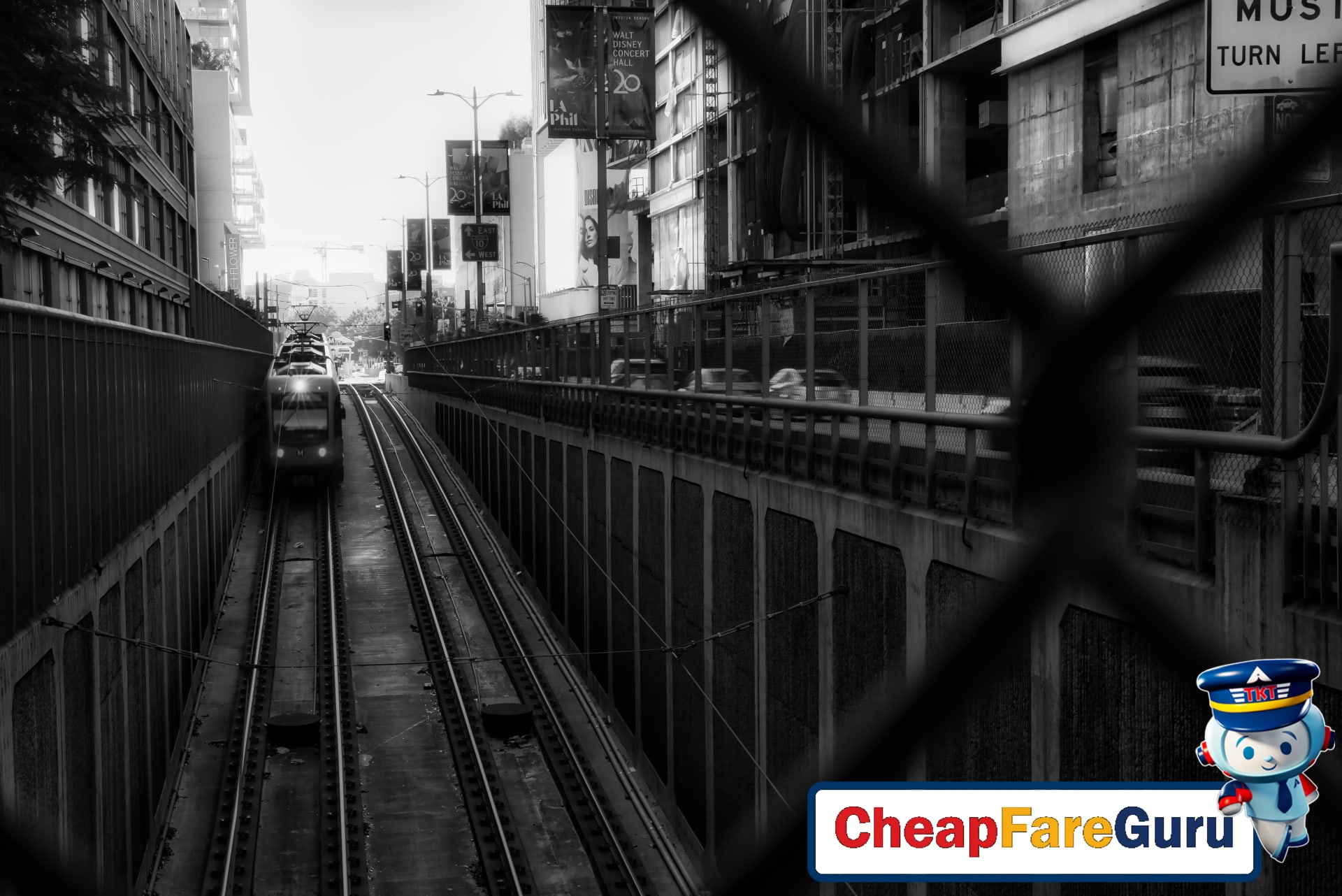
How To Navigate LA’s Metro Rail

The Los Angeles Metro Rail system is a practical way to get around the city, especially if you want to avoid LA’s notorious traffic. The Metro Rail has several color-coded lines: the Red (B Line) and Purple (D Line) subways, plus the Blue (A Line), Expo (E Line), Gold (L Line), and Green (C Line) light rails. These lines connect major neighborhoods, downtown, and key tourist spots—making it easier for visitors to skip car rentals and parking headaches.
Stations are clearly marked, and most popular attractions have a stop nearby. When I visited the Hollywood/Highland stop, I found Metro Rail surprisingly efficient for reaching Hollywood Blvd attractions. If you’re staying near Union Station, you’ll have access to multiple lines and easy transfers. For visitors wanting to stay close to Metro stops, I’d recommend checking out our Los Angeles hotel guide for convenient accommodation options.
Buying Tickets and TAP Cards
To ride the Metro Rail, you’ll need a reusable TAP card, which you can buy at any station vending machine for about $2.00. Simply load it with fare—one ride typically costs around $1.75. You can also use the TAP app on your phone if you prefer digital payment. Remember to tap your card at the turnstile before boarding. For the latest fares and station maps, I usually check the official Metro website at metro.net before my trip.
Planning Routes and Making Transfers
Metro Rail lines intersect at several key stations, making transfers straightforward. For example, you can switch from the Red Line to the Expo Line at 7th Street/Metro Center. If you need to connect to a Metro bus, most bus stops are located just outside or near the rail stations. I’d compare your options using the LA Metro app or Google Maps—both offer real-time directions and transfer info.
Safety, Comfort, and Frequency
Trains generally run every 10–20 minutes throughout the day, though schedules can vary at night or on weekends. In my experience, stations are well-lit and have security staff, but I always recommend keeping an eye on your belongings. Cars are air-conditioned, and seats are comfortable enough for short rides between neighborhoods. For a first-time visitor, the Metro Rail is more approachable than you might expect.
Riding LA Buses: Routes And Realities

The LA Metro Bus system covers a huge area, reaching neighborhoods and destinations that the Metro Rail just doesn’t touch. If you’re headed somewhere like LACMA, Griffith Park, or even certain beach communities, there’s a good chance a bus will get you closer than the train. In my experience, my Wilshire bus took longer than the Metro Rail, but it dropped me right at LACMA’s entrance, which was convenient for skipping a long walk.
Planning Your Bus Journey
Start by checking your route on the Metro Trip Planner, which lets you plug in your start and end points to see the best bus and train connections. You can also use Google Maps or the Transit app for real-time arrival info. I usually recommend checking both the Metro website and your favorite app before heading out, since traffic and delays can change things quickly.
Once you know your route, look up the timetable—buses in LA don’t always stick to the posted schedule, especially during rush hour. Stops are clearly marked, but some are just a pole and sign, so keep your eyes open. When your bus arrives, board at the front, tap your TAP card, and grab a seat if you can.
What To Expect On Board
LA buses range from nearly empty midday to packed during morning and evening commutes. Local buses make frequent stops, which can stretch your travel time, but they’re your best bet for short trips within neighborhoods. Rapid or express services (like Metro Rapid) skip many stops and use dedicated lanes on some streets, so they’re faster for longer distances but serve fewer stops overall.
Seating is basic, air conditioning is usually on, and you’ll see a mix of commuters, students, and tourists. Travel times are unpredictable—traffic can mean a crosstown trip takes longer than you’d expect. For longer rides or if you’re carrying valuables, I’d check out this practical packing list for LA public transport so you’re prepared for any situation.
Best Rideshare Tips For LA Visitors

Getting around Los Angeles can feel overwhelming, especially if you’re not used to the city’s sprawl. Rideshare apps like Uber and Lyft are a lifesaver for visitors, but knowing when to use them versus public transit can really stretch your budget and save time. I usually recommend rideshares when you’re headed somewhere that’s not easily accessible by Metro—for example, if you want to explore Griffith Observatory at sunset or hit the beaches in Santa Monica with friends, splitting the fare makes the trip more affordable and social.
When To Use Rideshare Apps
For most LA visitors, rideshares are best for:
- Airport transfers, especially with luggage
- Late-night outings when buses/trains run less often
- Destinations with poor public transit access (like the Hollywood Hills)
- Group trips where splitting the fare is easy
But if you’re just heading down Wilshire or exploring downtown, LA Metro trains and buses are much cheaper and can be surprisingly efficient during non-peak hours.
Best Times To Request Rideshares
Surge pricing is real in LA, especially during weekday rush hours (7:00–10:00 a.m. and 3:00–7:00 p.m.), Friday and Saturday nights, and after big events. For lower fares and shorter waits, I’d suggest requesting your ride before 7:00 a.m. or after 7:00 p.m. on weekdays, and avoiding the post-concert or game crowds whenever possible.
Airport Rides: LAX Transfers Compared
Getting from LAX into the city offers a few options. The official LAX-it lot is where you’ll catch Uber, Lyft, or taxis—just follow the green signs after baggage claim. Shared shuttles like FlyAway buses are cheaper (about $10.00 per person) and run to key spots like Union Station. If you’re booking a rideshare, check the official LAX rideshare guide for current pickup zones and rules. If you want a step-by-step breakdown, see our dedicated guide on how to get from LAX to downtown Los Angeles.
Money-Saving Rideshare Strategies
To keep costs down, use pooled ride options like UberPool or Lyft Shared when available—they’re slower, but usually cheaper. Always check your app for promo codes or first-time user discounts before booking. If you’re traveling with friends, splitting the fare is often much less than paying for multiple solo rides, especially for longer trips out to places like Santa Monica or Venice Beach. I’ve found that planning ahead and coordinating with your group can make rideshare costs pretty reasonable, even in LA.
How TAP Cards Work And Save You

If you’re planning to use public transit in Los Angeles, you’ll need a TAP card. This reloadable smart card is your ticket for Metro Rail, Metro Bus, and many other local systems. You can buy a TAP card at Metro Rail stations, large bus terminals, select retail locations, or order one online. I usually recommend picking one up at a station vending machine, since you can reload value or passes right there before you travel.
Fares, Passes, And Discounts
With your TAP card, you can load stored value for single rides (about $1.75 per trip) or choose day, weekly, or 30-day passes for unlimited rides within that period. If you’re taking more than three or four rides in a day, a day pass (around $7.00) is often the better deal. Discounted fares are available for eligible riders—youth, seniors, people with disabilities, and Medicare recipients—though you’ll need to register and provide proof for these special cards. For current pricing and eligibility details, I always check the official TAP website.
Transfers And Fare Inspectors
Transfers between Metro lines are free within a two-hour window, as long as you tap your card each time you board a new bus or train. Fare inspectors do random checks, especially on Metro Rail. I once forgot to tap my card at a transfer station and ended up with a warning from an inspector—definitely not something I want to repeat. Always tap at the validator before boarding to avoid potential fines.
Avoiding Fines And Common Mistakes
It’s easy to forget to tap, especially if you’re in a rush or distracted by a busy station. But skipping this step can lead to a fine of about $75.00 if you’re caught without a valid tap. In my experience, it’s best to make tapping your card a habit, even if you’re sure you have a pass loaded. If you’re new to LA transit, you might also find it helpful to read this guide on how to avoid travel hassles in Los Angeles.
Choosing The Right Transport Combo

Los Angeles is famous for its sprawl, but you don’t need to rent a car just to explore its top sights—if you combine Metro Rail, bus routes, and rideshare services smartly, you can cover a lot of ground. The trick is choosing the right mix based on your group and your plans for the day.
Solo Traveler Strategies
If you’re traveling solo, Metro Rail is usually your best friend. It’s cost-effective, covers major tourist spots, and avoids traffic headaches. For a classic sightseeing day—say, starting in Hollywood, heading to Downtown LA for museums, then catching sunset at Griffith Park—I’d use Metro Rail for the longest stretches and grab a quick Lyft or Uber up the hill to Griffith Observatory. Buses are handy for those last-mile connections, but I usually check real-time bus arrivals to avoid long waits.
Group and Family Options
Groups and families have a few more logistics to juggle. Metro and buses offer discounted day passes, making them budget-friendly for multiple riders. For places like Santa Monica, I’d recommend taking the Expo Line to the beach and then using a rideshare for any detours or if you’re carrying a lot of gear. Families with young kids might appreciate the flexibility of splitting up—some take the bus while others opt for a rideshare if nap time hits or plans change suddenly.
Sample One-Day Itineraries
- Hollywood & Griffith Park: Metro Red Line to Hollywood/Highland, walk the Walk of Fame, bus or rideshare up to Griffith Observatory for views.
- Santa Monica & Venice: Metro Expo Line to Downtown Santa Monica, stroll the pier, then bus or rideshare to Venice Beach.
- Downtown LA Arts & Eats: Metro Red or Purple Line to Pershing Square, explore museums and food halls, use Metro Bike or bus for short hops.
For travelers who want to maximize what they see along Metro and bus lines, I recommend checking out this guide to the best free attractions in LA—it’s packed with stops you can reach without a car.
Do You Really Need a Car?
The idea that “everyone needs a car in LA” is more myth than fact—especially for sightseeing. Sure, if you’re visiting far-flung suburbs or want total freedom, renting can help. But for most tourist districts, combining Metro, bus, and the occasional rideshare is not just doable, it’s often less stressful. On my last LA visit, I used Metro Rail to Downtown and a quick Lyft for evening concerts, and never missed having a rental car.
LA Public Transport Budget Table

Breaking down your Los Angeles trip by budget tier can help you plan smarter and avoid surprises. Here’s how typical daily expenses stack up for three travel styles: Budget, Mid-range, and Luxury. For “Transport,” I’ve included Metro and bus fares based on the latest info from the LA Metro’s official fare page, plus one rideshare trip for mid-range and luxury tiers. Accommodation covers hostels, standard hotels, or upscale stays. Food estimates reflect a mix of quick eats, casual dining, or fine restaurants, while Activities range from free museums to premium guided tours.
| Accommodation | Food | Transport | Activities | |
|---|---|---|---|---|
| Budget | $40.00 | $20.00 | $7.00 | $10.00 |
| Mid-range | $120.00 | $45.00 | $18.00 | $35.00 |
| Luxury | $320.00 | $110.00 | $55.00 | $90.00 |
In my experience, keeping a running tally of daily public transport expenses really helped me stick to my planned budget—especially in a city as sprawling as LA. If you’re still working out your travel costs, check out cheapfareguru.com for tips on finding cheap flights to LA before you lock in your plans.
FAQs On Getting Around Los Angeles
- What’s the best way for getting around Los Angeles without a car?
Public transit is a practical choice for many visitors. The Metro Rail and Metro Rapid buses connect major neighborhoods and attractions. I’ve found the Metro Expo Line especially handy for reaching downtown, USC, and Santa Monica without dealing with LA’s notorious traffic or parking headaches.
- How do I pay for Metro buses and trains in Los Angeles?
You’ll need a TAP card, which you can buy and reload at Metro stations, select stores, or online. Just tap it at the gate or farebox before boarding. One ride typically costs about $1.75, making this a budget-friendly way to explore the city’s main sights and districts.
- Is getting around Los Angeles by rideshare expensive?
Rideshare services like Uber and Lyft are widely available, but costs can add up quickly—especially during rush hour or late at night. For short hops or when public transit isn’t convenient, they’re useful, but I’d compare the fare before booking, especially if you’re on a tight budget.
- Which Metro Rail lines are best for tourists?
The Red Line is great for Hollywood and Universal City, while the Expo Line takes you from downtown to the beach in Santa Monica. I usually recommend these lines for visitors since they hit many top attractions and avoid the hassle of LA’s unpredictable freeway traffic.
- Are LA buses reliable for sightseeing?
Metro Rapid buses (the ones with red markings) are generally faster and more frequent than local lines, especially on major streets like Wilshire or Ventura. For sightseeing, I’d prioritize these Rapid routes over standard local buses if you want to cover more ground in less time.
- Do I need exact change for LA buses?
If you’re not using a TAP card, you’ll need exact change in cash for bus fares. Most drivers won’t make change, so it’s easier to get a TAP card for convenience. That way, you can just tap and go, without worrying about small bills or coins each time.
Final Advice For LA Visitors

Mixing Metro, bus, and rideshare in Los Angeles isn’t just a budget tactic—it’s a way to see more of the city without the stress of parking or heavy traffic. From my own experience, taking the Metro to Santa Monica made my trip easier and more affordable than I expected. Planning your first LA adventure is much simpler when you know you can rely on these combined options to get around.
Before you go, map out your must-see spots and check transit connections ahead of time. Exploring LA’s neighborhoods by public transport can actually give you a better sense of the city’s character, all while keeping your travel costs in check. Don’t hesitate to try a few different routes—sometimes the journey is as interesting as the destination.