
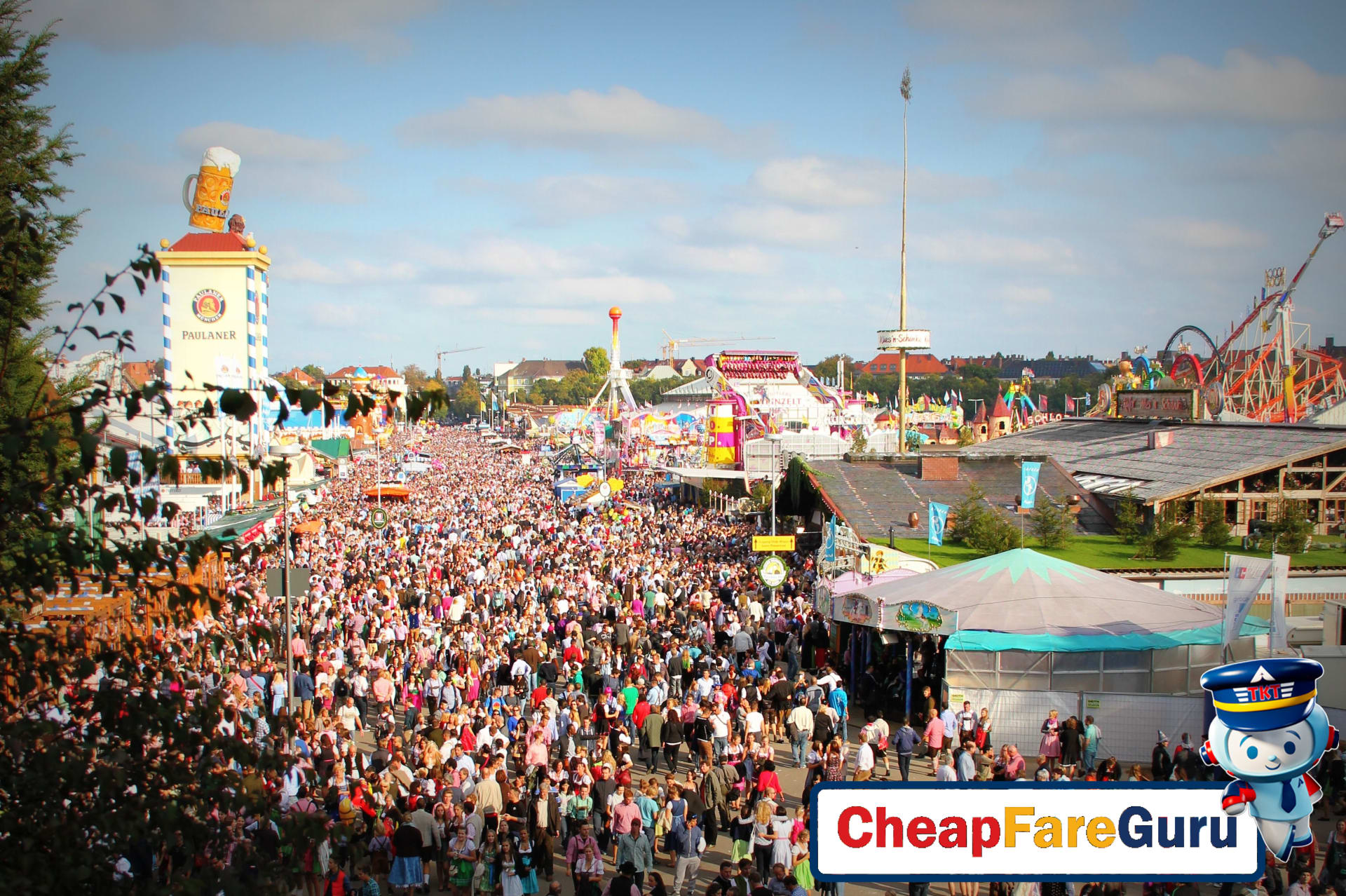
Why Visit Oktoberfest Munich

Oktoberfest in Munich is much more than the world’s most famous beer celebration—it’s a living piece of Bavarian culture that brings together locals and travelers on a truly grand scale. The tradition began in 1810 with a royal wedding celebration and has grown into an annual event that now draws millions of visitors each year. According to the official Oktoberfest Munich site, recent festivals have welcomed well over six million guests from around the globe.
Many people picture Oktoberfest as a wild party, but in reality, the atmosphere is a blend of community warmth, tradition, and festive spirit. When I first arrived, I was surprised by how family-friendly and welcoming the scene felt—there are carnival rides, parades, and plenty of non-alcoholic treats alongside the famous beer tents. Locals in traditional attire (lederhosen and dirndls) mingle with visitors, and you’ll hear Bavarian brass bands playing just as often as you’ll see friends clinking steins.
It’s a common myth that Oktoberfest is just about beer. While the massive tents and iconic brews are a highlight, the event is equally about food, music, folk traditions, and celebrating Munich’s heritage. The festival grounds are filled with hearty Bavarian dishes, from roast chicken and pretzels to sweet pastries. If you’re interested in sampling more local flavors, I’d recommend checking out our guide to Munich’s best local food experiences to plan your culinary adventure beyond the festival.
Oktoberfest is deeply important to Munich’s identity and economy, but it’s also a unique opportunity for travelers. You’ll experience genuine German hospitality, see time-honored customs in action, and join a global gathering that manages to feel both grand and personal. Whether you’re there for the beer, the food, or the cultural spectacle, Oktoberfest is a celebration that leaves a lasting impression.
Best Oktoberfest Tents To Visit

If you’re heading to Munich for Oktoberfest, understanding the tent system is key to making the most of your visit. The festival grounds feature both large and small tents—big tents can seat thousands and offer a lively, communal vibe, while the smaller tents deliver a more intimate, sometimes gourmet-focused experience. Choosing the right tent can really shape your Oktoberfest memories.
Top Five Tents Compared
- Paulaner Festzelt: Known for its iconic beer tower and classic Bavarian décor, the Paulaner tent is a favorite for both locals and visitors. The atmosphere is energetic but not overwhelming, making it a solid pick for first-timers who want the full Oktoberfest experience without the wildest crowds.
- Hofbräu-Festzelt: If you’re after a true party, this is the tent for you. Hofbräu is famous for its international crowd, standing-room areas, and raucous singalongs. It’s the only tent where you’ll find standing tables—a big plus if you want to mingle. I always end up here when I’m in the mood for non-stop music and a lively mix of travelers.
- Augustiner Festhalle: This tent pours beer straight from traditional wooden barrels, giving it a unique old-world charm. The crowd here tends to be more local and family-friendly, and the service is famously warm. If you want tradition and great beer, Augustiner is hard to beat.
- Schottenhamel: The Schottenhamel tent is where Oktoberfest officially begins each year, and it attracts a younger, energetic crowd. The vibrant energy in the Schottenhamel tent made it my go-to spot whenever I craved live music and friendly locals.
- Käfer’s Wiesn-Schänke: This smaller, upscale tent is perfect for foodies. Käfer’s is renowned for its gourmet Bavarian dishes and a cozier, more refined setting. Reservations are essential here, especially in the evening, but it’s a great choice if you want a quieter, high-quality meal.
Booking And Seating Strategies
Getting a seat in the big tents can be tricky, especially on weekends and evenings. Reservations open months in advance and usually require a group size and a deposit. If you don’t have a reservation, your best bet is to arrive before noon or after 7 p.m. for walk-in spots—midday hours fill up fast. I’d compare both options before choosing, especially if you’re traveling with a group or aiming for a specific tent.
What To Expect Inside
Inside each tent, you’ll find long communal tables, festive Bavarian décor, and live bands playing folk music or party hits. Expect hearty food like roast chicken, sausages, and giant pretzels—plus, of course, plenty of beer served in one-liter steins. Entertainment ranges from traditional oompah bands to lively singalongs, with each tent offering its own take on the Oktoberfest spirit.
If you want more details on each tent and their unique features, I recommend checking the official Oktoberfest tent descriptions. For ideas beyond Oktoberfest, browse a tent guide or see Munich’s best events throughout the year for more inspiration.
How To Dress For Oktoberfest

Wearing traditional Bavarian attire—Lederhosen for men and Dirndl for women—does more than just help you blend in at Oktoberfest. These outfits have a long history: Lederhosen were originally sturdy workwear for Alpine farmers, while Dirndls evolved from servant dresses into festive attire. Donning these clothes, I instantly felt part of the celebration as soon as I stepped into my borrowed Lederhosen. It’s not required, but you’ll notice that most attendees (locals and tourists alike) join in.
Renting Or Buying Attire
If you’re only attending Oktoberfest once, renting is a practical choice. Many reputable shops in Munich, like Angermaier Trachten and WiesnTrachten, offer full outfits for about $50.00 a day. Buying can be worthwhile if you want a quality keepsake or plan to return—expect to pay around $120.00 for a basic Dirndl or Lederhosen set. Rentals are easy, but be sure to reserve early, especially for weekends.
What’s Respectful, What’s Not
It’s fun to dress up, but wearing cartoonish costumes or “sexy” versions is considered tacky and disrespectful. Stick with classic styles and avoid plastic props. For Dirndls, tying the apron bow on the left signals you’re single, while the right means you’re spoken for. This small detail matters to locals and is easy to get right.
Accessories, Comfort, And Weather
Sturdy shoes are a must—think comfortable flats or boots, not heels. Men usually pair Lederhosen with checked shirts and wool socks, while women can add a shawl or cardigan for chilly evenings. Oktoberfest weather changes quickly, so I’d pack a light rain jacket just in case. Don’t forget a small bag that meets festival security rules.
Spotting Quality Vs. Costumes
Quality Lederhosen are made from real leather and Dirndls from cotton or linen, with well-finished seams and sturdy buttons. Cheap costumes often use shiny polyester and feel flimsy. If you want your outfit to last beyond one night, it’s worth checking fabric and fit in person. Munich’s main shopping streets have several Trachten stores—look for ones with good reviews in trusted guides like the official Munich shopping portal.
If you want more on festival etiquette or packing tips, check out our post on cultural etiquette in Germany for more practical advice before you go.
Oktoberfest Food And Drink Must-Haves

If you’re heading to Munich for Oktoberfest, the food and drink are just as iconic as the festival itself. You’ll find hearty Bavarian classics everywhere, and even if you’re not a beer lover, there are plenty of options to keep you fueled and happy. Trying steckerlfisch for the first time turned out to be a smoky, delicious highlight I didn’t expect—don’t skip it if you spot it grilling over open coals!
Must-Try Bavarian Festival Foods
Start with the classics: crispy roast chicken (“Hendl”), giant soft pretzels (“Brezn”), and all sorts of sausages like bratwurst and weisswurst. For something a little more adventurous, look for steckerlfisch—whole fish (usually mackerel or trout) skewered and roasted over a wood fire. Vegetarian options are improving; you’ll often find cheese noodles (Käsespätzle), potato pancakes (Reiberdatschi), and hearty salads. If you have allergies, always ask staff about ingredients—most tents can provide basic info, but labeling can be inconsistent.
Beer, Wine, and Non-Alcoholic Choices
Oktoberfest beer is served in a hefty one-liter glass mug called a Maßkrug. Each tent pours their own brewery’s Märzen-style lager—stronger and maltier than everyday German beers. If beer isn’t your thing, most tents offer Radler (beer mixed with lemon soda), local wines, apple spritzers, and a few non-alcoholic beers. Soft drinks and water are always available, though they can be surprisingly pricey compared to beer.
How Much You’ll Spend
Expect to pay about $15.00 for a Maßkrug of beer and around $14.00 for a half roast chicken. A pretzel usually costs about $5.00, and sausages with a roll are typically about $8.00. Vegetarian dishes run around $12.00. Prices can shift from year to year, so it’s smart to check the official Oktoberfest menu before you go.
Ordering Like a Local
- “Eine Maß, bitte” (A liter of beer, please)
- “Ein Hendl, bitte” (A roast chicken, please)
- “Vegetarisch?” (Vegetarian?)
- “Was kostet das?” (How much is this?)
If you want to explore more German food beyond Oktoberfest, I’d compare options in this guide to German cuisine or check out tips for saving on meals while traveling in Europe.
Smart Strategies For Booking Oktoberfest

Oktoberfest is one of Europe’s busiest travel periods, so locking in your plans early can save you a lot of money and stress. In my experience, booking flights and hotels at least three to four months in advance almost always results in better prices. I saved more than $200.00 by booking my flight with cheapfareguru.com three months ahead of Oktoberfest, rather than waiting until summer.
When To Book Flights
Airfare to Munich rises quickly as Oktoberfest approaches, especially from July onward. I usually recommend setting up fare alerts as soon as you know your dates. Tools like cheapfareguru.com let you track deals and spot dips in price. For the best chance at a deal, aim to book your flight by late spring. If you’re flexible, check for flights arriving midweek, which are often less expensive than weekend arrivals.
Finding The Right Accommodation
Hotels in Munich’s city center (Altstadt and near the Hauptbahnhof) are the most convenient for Oktoberfest, but they fill up fast and rates spike in September. If you’re on a budget, look for guesthouses or hostels a few train stops from the center—areas like Sendling, Giesing, or even further out on the S-Bahn lines. Room-sharing sites and official festival accommodation listings (see Oktoberfest.de) often have last-minute beds, but I’d treat these as backup options, not your main plan.
Getting Around Munich
Munich’s public transportation is efficient and easy to navigate. From Munich Airport, the S1 and S8 S-Bahn lines connect you directly to the city center in about 40 minutes. To reach the Wiesn (Oktoberfest grounds), the Theresienwiese U-Bahn station is your best stop. I’d suggest checking the official Munich transit site (MVV Munich) for up-to-date schedules and ticket info. A day pass for the U-Bahn and S-Bahn is typically about $9.00 and is valid for unlimited rides within the city zone.
Booking Platforms And Money-Saving Tactics
Besides using cheapfareguru.com for flights, compare hotel rates across several booking platforms. Look for refundable options in case your plans shift. For extra savings, consider splitting a larger Airbnb or apartment rental with friends. If you’re hunting for more tips on stretching your travel budget, check out our guide to budget-friendly European flights as well.
Safety, Crowds, And What To Pack
Oktoberfest crowds are intense, especially on weekends and opening day. Keep your valuables zipped up and avoid bringing large bags, as security checks are strict at the festival entrances. I always pack a lightweight rain jacket, a portable phone charger, and comfortable shoes—expect to be on your feet most of the day. If you’re staying outside the city center, double-check the last train times so you aren’t stranded after the tents close.
Oktoberfest Munich Travel Budget Breakdown

If you’re planning a classic two-night Oktoberfest trip to Munich, it pays to know what you’ll actually spend. Here’s a clear breakdown of what to expect in each travel tier—budget, mid-range, and luxury—across accommodation, food, transport, and activities. I’ve found that making a few strategic choices (like picking a guesthouse over a hotel) can make your experience more enjoyable and affordable.
| Budget | Mid-range | Luxury | |
|---|---|---|---|
| Accommodation (2 nights) |
$90.00 | $250.00 | $700.00 |
| Food (2 days) |
$40.00 | $90.00 | $200.00 |
| Transport | $20.00 | $40.00 | $100.00 |
| Activities (festival entry, rides, etc.) |
$35.00 | $70.00 | $150.00 |
What Each Tier Really Covers
Budget: Expect a hostel dorm or basic guesthouse, public transit, street food or supermarket meals, and sticking to free or low-cost Oktoberfest activities.
Mid-range: Typically a private room in a mid-range hotel or well-rated guesthouse, meals at beer tents or casual restaurants, a mix of subway and taxi rides, and sampling a few paid rides or attractions.
Luxury: Upscale hotels near the festival grounds, gourmet dining, private transfers or taxis, and splurging on VIP tent reservations or exclusive experiences.
How Your Choices Change the Budget
Small decisions have a big impact. For example, after trying both hostels and mid-range hotels, I’d choose a guesthouse for Oktoberfest’s lively but restful experience—it’s a sweet spot for comfort and value. If you split a private room or travel midweek, you’ll notice savings add up fast. On the other hand, luxury travelers can spend several times more for premium comfort and exclusive access.
If you’re looking to stretch your dollars even further, check out our cost-saving guide for major European festivals for more strategies that work well in Munich and beyond.
Navigating Oktoberfest Like A Pro

Oktoberfest is a bucket-list event, but the crowds and energy can overwhelm even seasoned travelers. If you want to make the most of your day (and avoid rookie mistakes), timing and strategy are everything. I learned the hard way how fast beer tent lines can snake around the grounds—by noon on weekends, you might be out of luck for a seat. Arriving before 10 a.m. on weekends or early afternoon on weekdays gives you a real shot at snagging a spot, especially in the big tents.
Beat The Crowds Early
Morning arrivals make a huge difference. Security lines move faster, and you’ll find open tables before the midday rush. If you need to leave and re-enter, keep your festival wristband or hand stamp visible—re-entry is possible, but only if the grounds aren’t at capacity. It’s smart to check the official Oktoberfest website or look for crowd status updates at the entrances before heading back in.
Finding Quieter And Family Spaces
For a break from the party atmosphere, explore the southern end of the Theresienwiese grounds. The “Familienplatzl” area is designed for families, with gentler rides and less rowdy crowds. Some smaller tents and outdoor beer gardens at the festival edges also offer a more relaxed vibe. I’d suggest using these corners for regrouping or enjoying a calmer meal.
Beer Tent Etiquette Essentials
Seats are first-come, first-served, and sharing is the norm. Don’t hesitate to ask, “Ist dieser Platz frei?” (Is this seat free?)—locals are used to it. Servers only take orders at the table, and payment is usually cash. Tip about $2.00 per round to keep service friendly and prompt. If you’re in a large group, designate one person to handle ordering and payment to keep things smooth.
Staying Safe And Smart
Security is tight—large bags aren’t allowed, and you’ll face a bag check at entry. I always pack light, sticking to a small crossbody or waist pouch for essentials. Keep your phone, cash, and ID close at all times. If you’re worried about pickpockets or festival scams, check out our guide on European event safety and travel scams for extra tips. For official security rules, the Oktoberfest visitor tips page is your best resource.
Helpful Signs And Handy Apps
Festival signage is clear—look for color-coded tent markers and directional arrows to navigate the grounds. The official Oktoberfest app is worth downloading for live tent occupancy updates, maps, and event schedules. I’d compare its map with Google Maps for the quickest route to rides, restrooms, or exits, especially after dark when crowds thicken.
Oktoberfest Munich Essential FAQs
- Do I need tickets to enter Oktoberfest Munich?
Entry to the Oktoberfest grounds in Munich is free, and you don’t need a ticket just to walk in. However, if you want a reserved seat in one of the large beer tents, advance reservations are recommended—especially for groups. Most tents allow walk-ins during less crowded hours, but lines can be long.
- What is the age limit for Oktoberfest Munich?
There’s no strict minimum age to enter the festival grounds, but you must be at least 16 years old to purchase and drink beer. Many families visit during the day, and children are welcome in the tents until early evening. Security may check IDs if you look underage, so bring yours along.
- What’s included with entry to Oktoberfest?
With free entry, you can explore the festival grounds, enjoy the parades, and soak up the atmosphere. Food, drinks, and rides are pay-as-you-go. What surprised me most was how much you can see and do without spending much, especially by sticking to the outdoor areas and free entertainment.
- Is traditional attire required at Oktoberfest Munich?
Wearing traditional Bavarian attire—lederhosen for men, dirndl for women—is not mandatory, but it’s very common. Many locals and visitors dress up, adding to the festive spirit. If you don’t have your own, you’ll find shops in Munich selling or renting outfits, but casual clothes are also perfectly acceptable.
- What food options are available at Oktoberfest?
You’ll find a huge variety of traditional Bavarian foods, such as roast chicken, sausages, giant pretzels, and potato pancakes. Vegetarian and some vegan options are available, though choices are more limited. Food prices are higher inside tents, so I’d recommend checking out outside stalls for quicker, sometimes cheaper snacks.
- How can I save on travel to Oktoberfest Munich?
Book flights and hotels as early as possible for better rates, and consider flying midweek for lower fares. I usually compare prices on cheapfareguru.com before booking. Munich’s public transport is reliable—buying a day pass is a smart way to get around without overspending on taxis.
- Where can I find more Oktoberfest planning tips?
For a detailed checklist on tents, reservations, packing, and local customs, check out our main Oktoberfest Munich planning guide. It covers everything from what to wear to navigating the festival grounds, and can help first-timers avoid common pitfalls and make the most of their trip.
Final Thoughts On Oktoberfest Munich

Oktoberfest in Munich is one of those rare events that welcomes everyone—whether you’re traveling solo, bringing friends, or making it a family trip. There’s an easygoing energy in the air, and you don’t need to be an expert on Bavarian traditions to fit right in. In my experience, every time I leave Munich during Oktoberfest, I’m already thinking about how I’ll do it differently next time.
If you’ve been hesitating because it seems overwhelming or only for big groups, I’d encourage you to give it a try. The festival is surprisingly approachable, and locals are usually happy to share a table or point you toward their favorite tent. Planning ahead for your flights and accommodation—especially with tools like cheapfareguru.com—makes the logistics much easier, so you can focus on the fun.
Whether you’re there for the beer, the food, or just the atmosphere, Oktoberfest is all about enjoying the moment and making memories. Book your trip when you’re ready, and let yourself soak up the festival spirit at your own pace.